
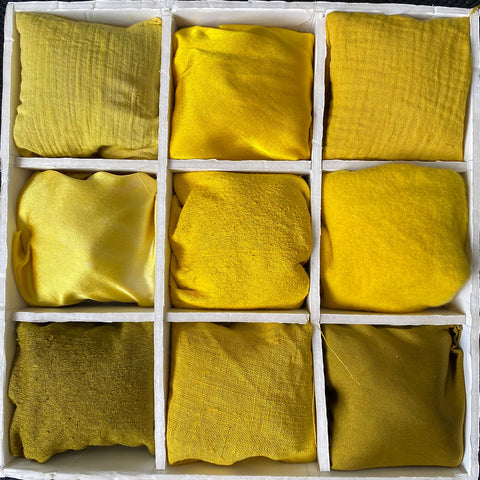
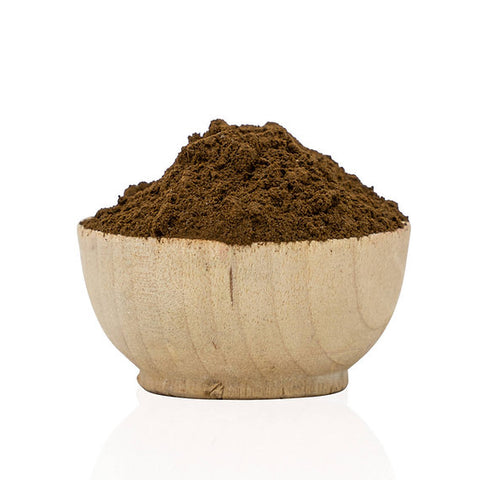
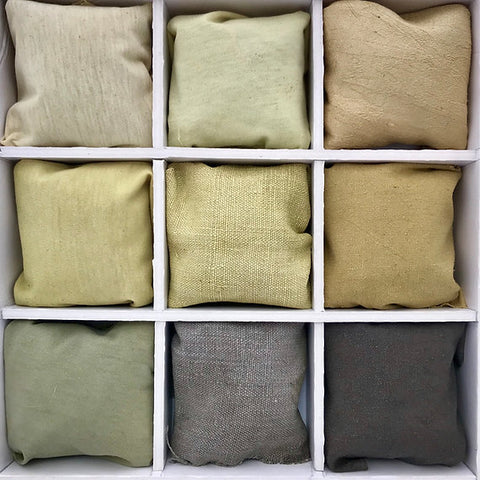
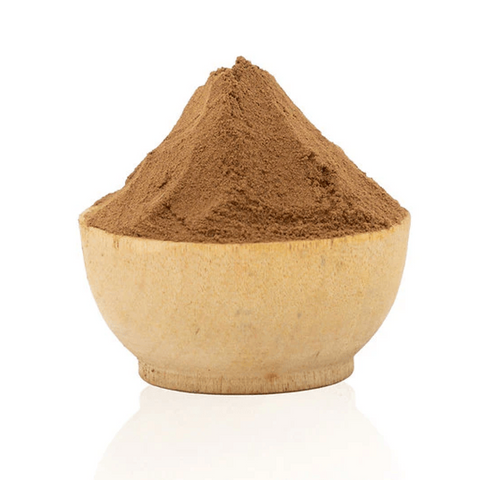
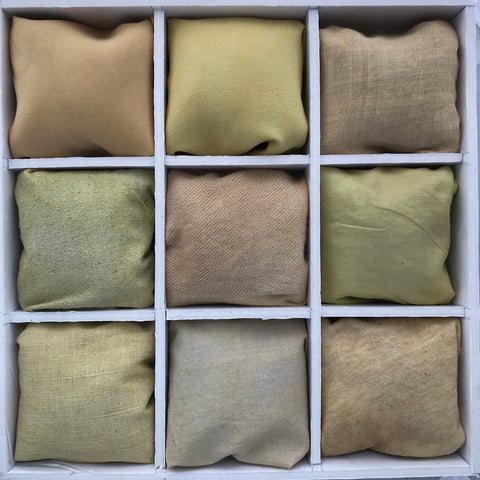
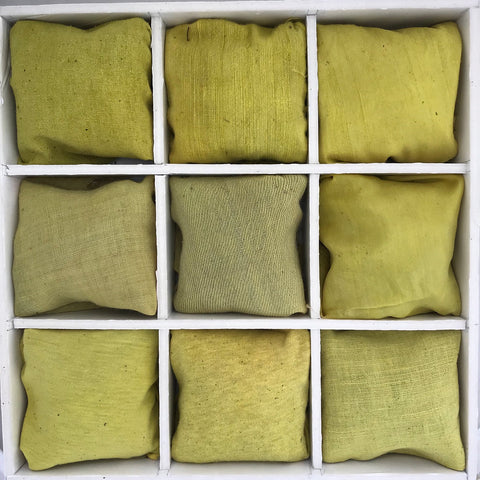




Sometimes natural dyeing is complicated. This is not one of those times.
In fact, this method for dyeing silk with dried woad is so ridiculously simple that it almost doesn't feel like a dyeing recipe. There is no mordant, no vat, no reduction, and no carefully calculated additions.
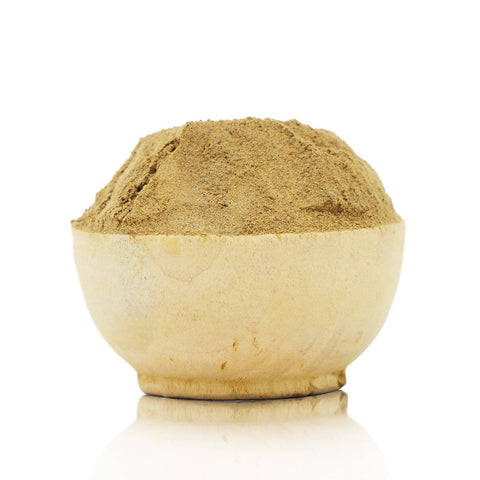
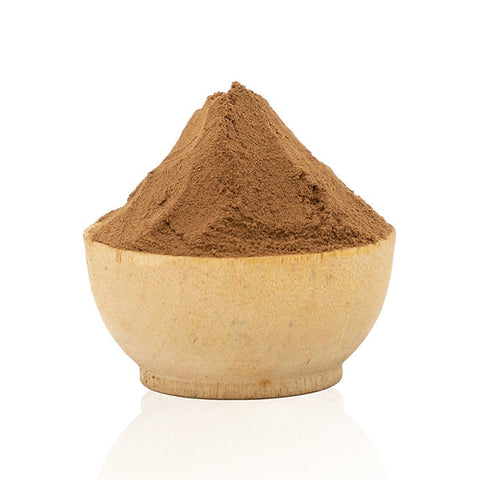
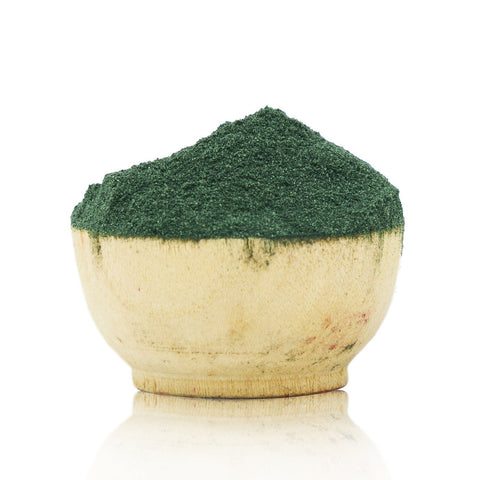
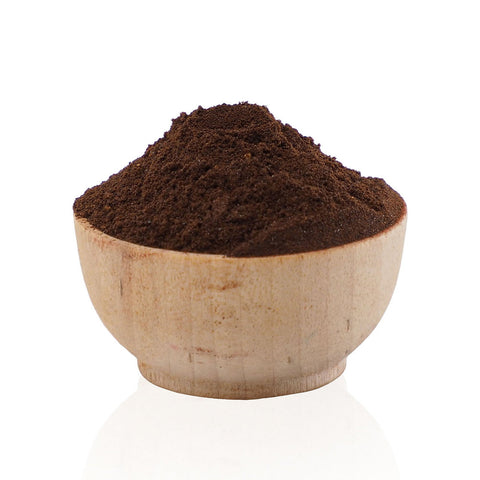
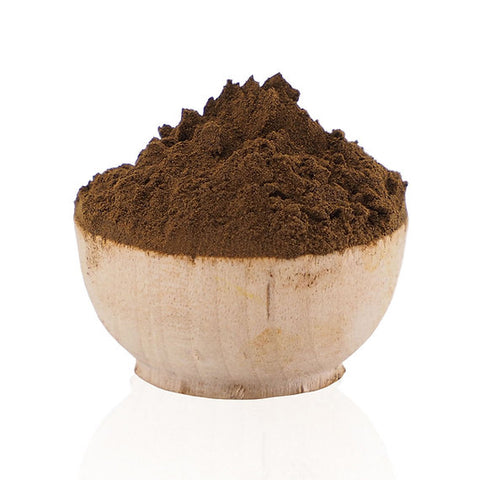
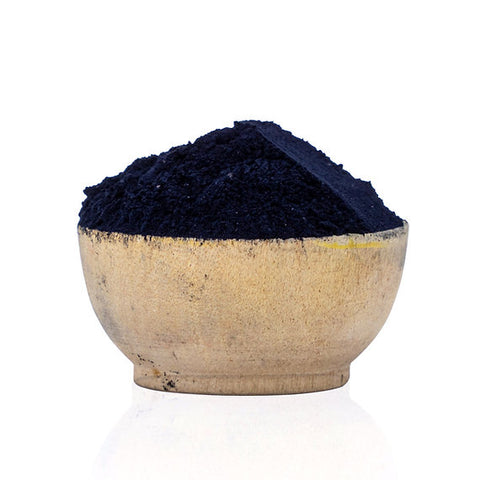
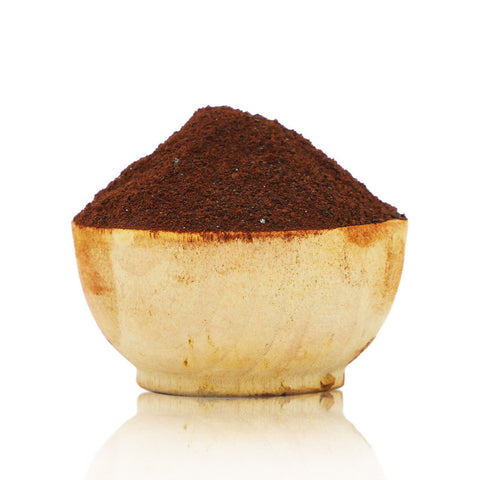
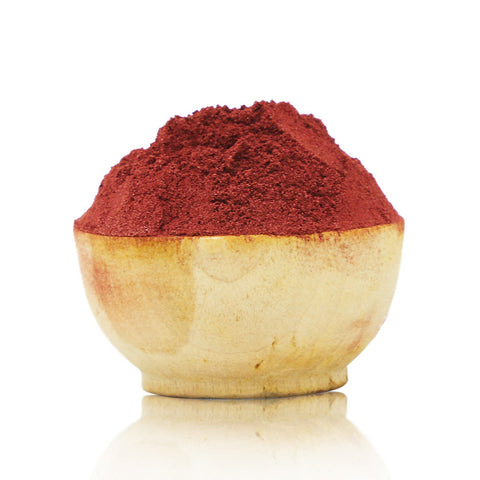
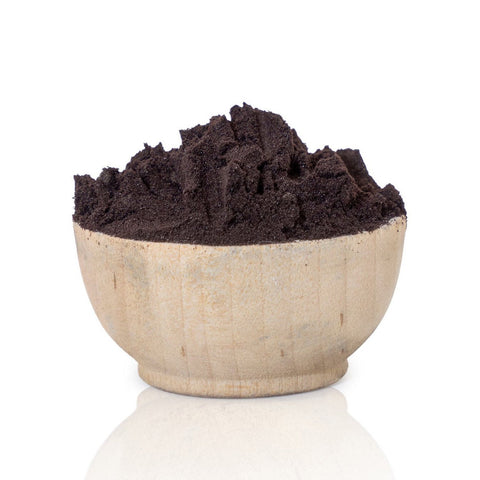
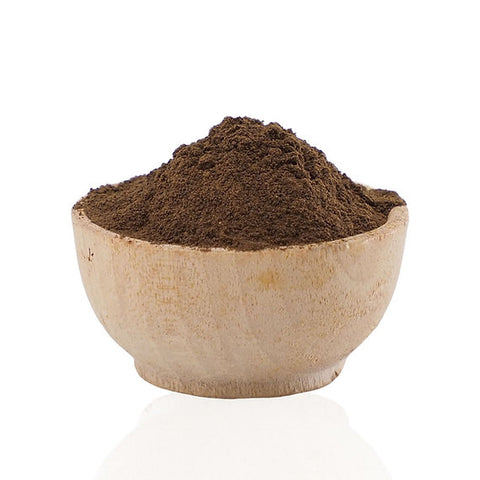
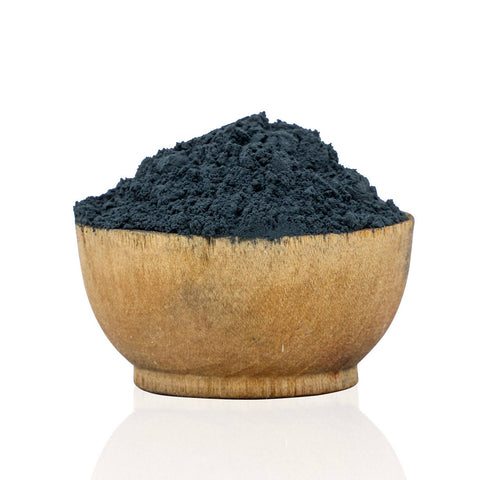
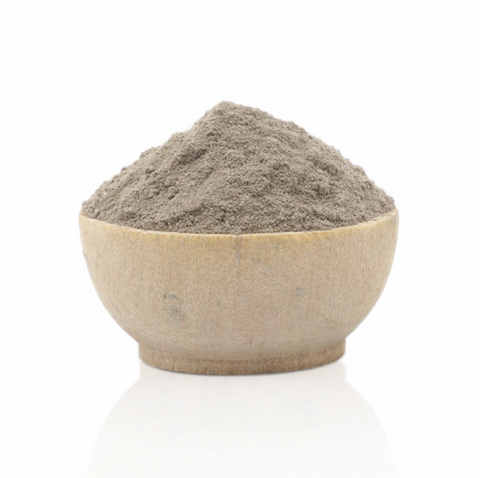
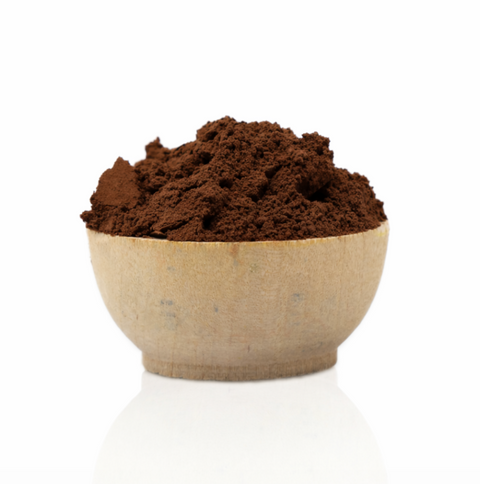
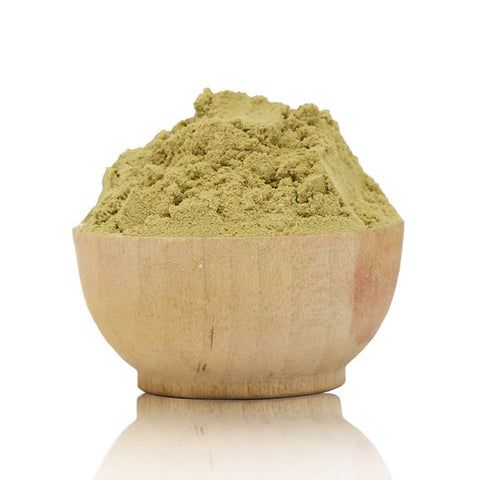
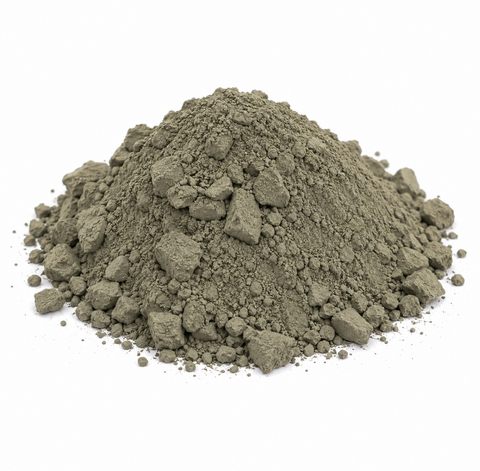
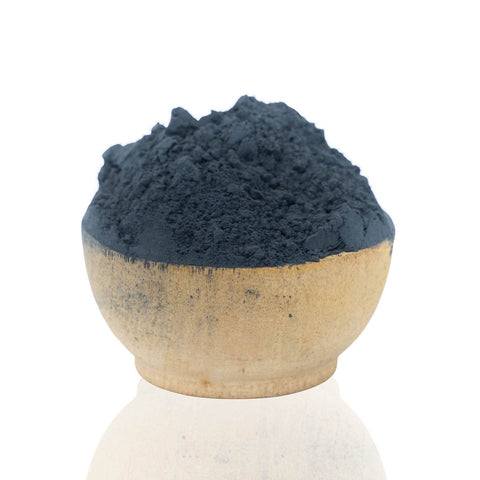
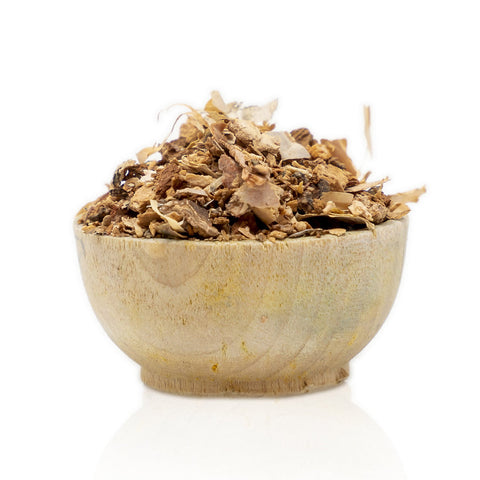
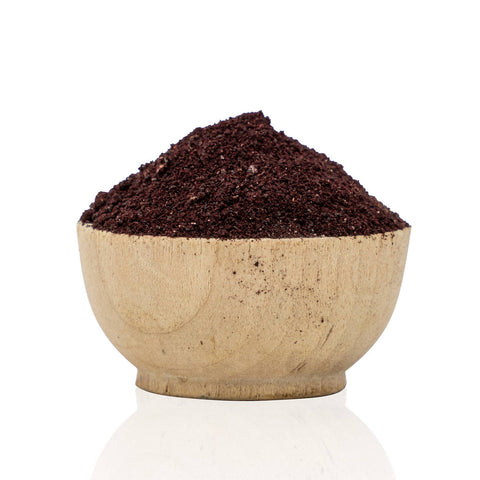
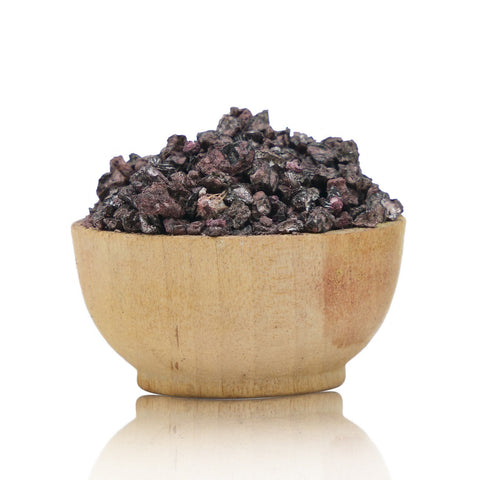
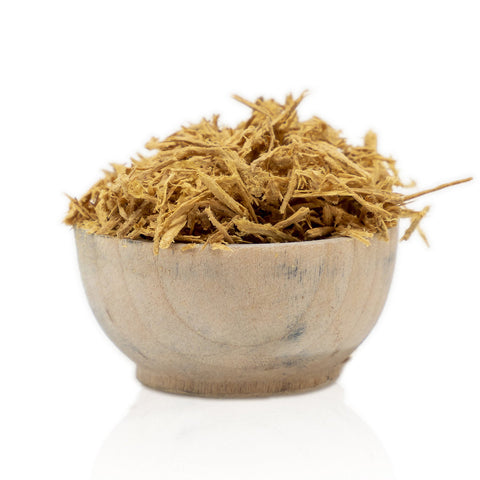
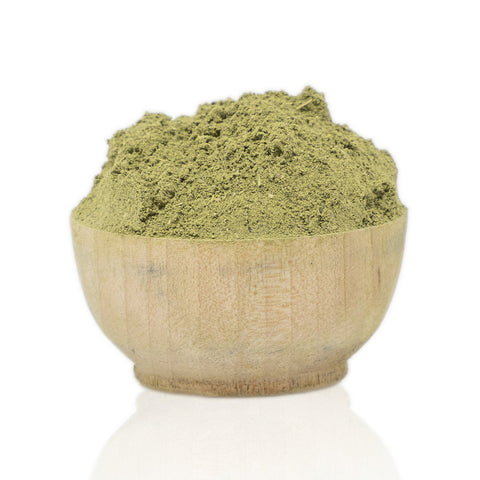
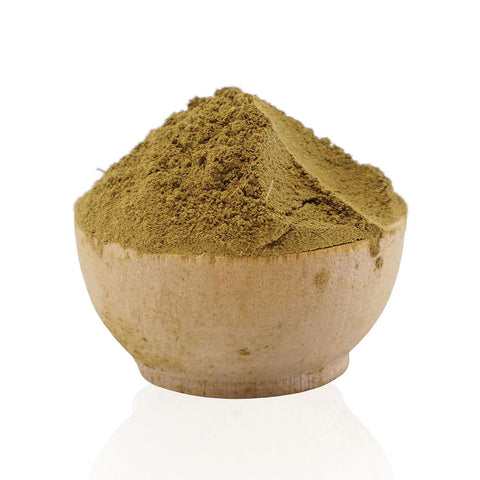
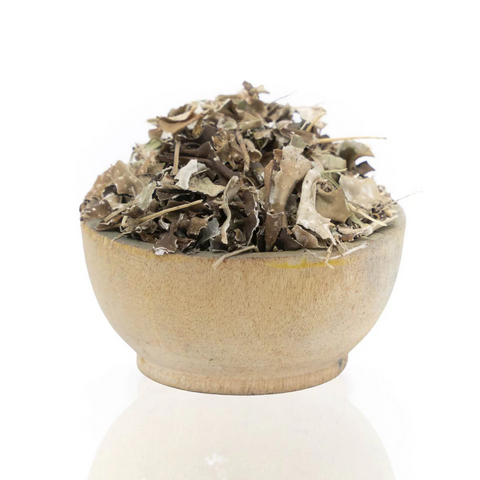
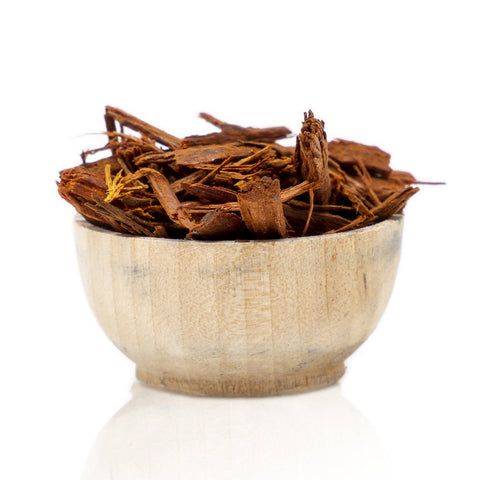
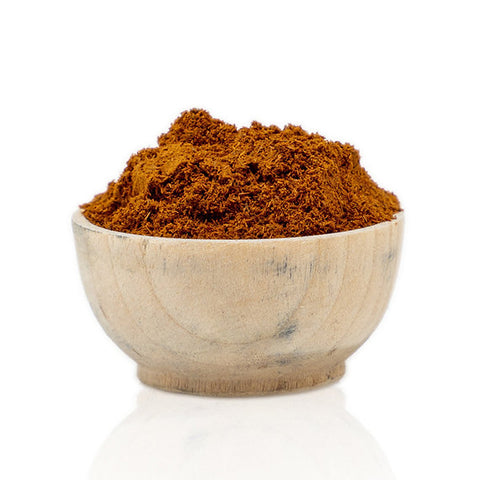
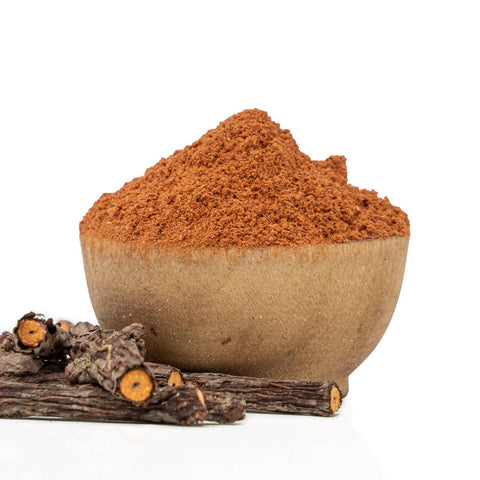
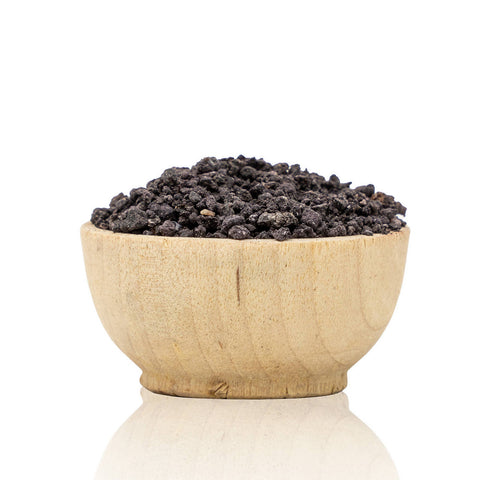
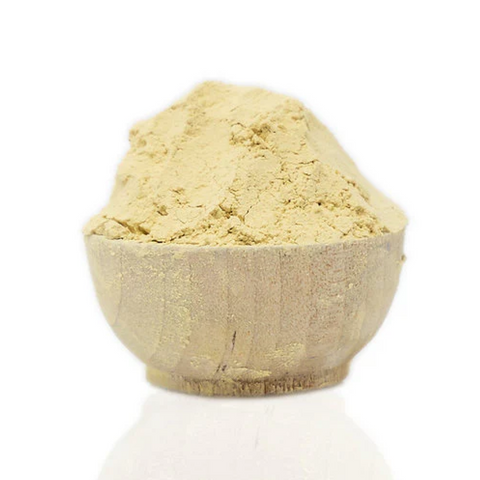
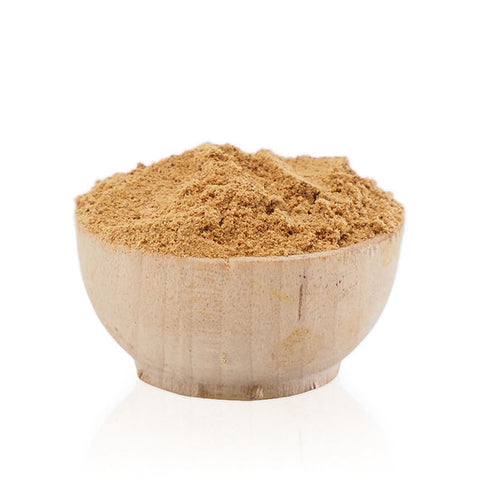
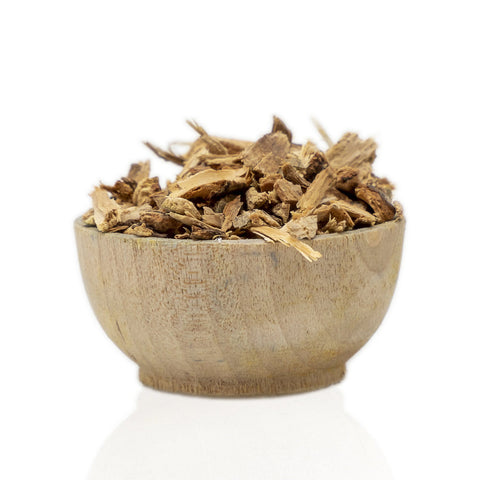
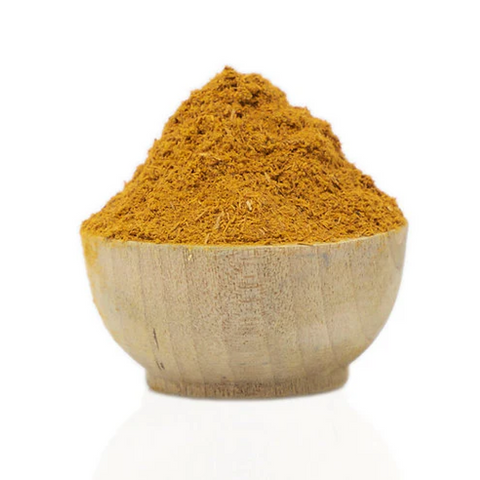
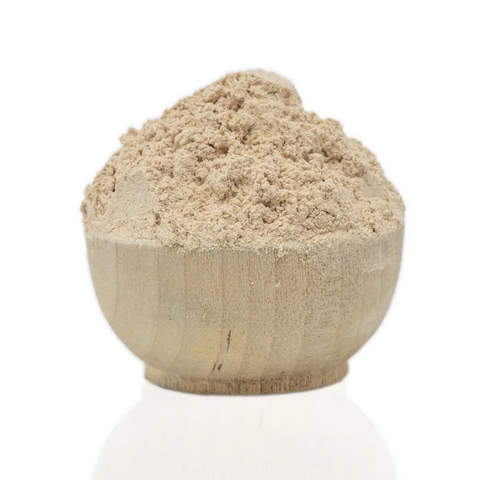
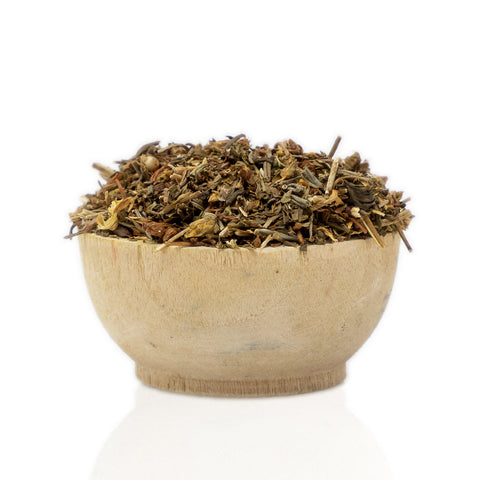
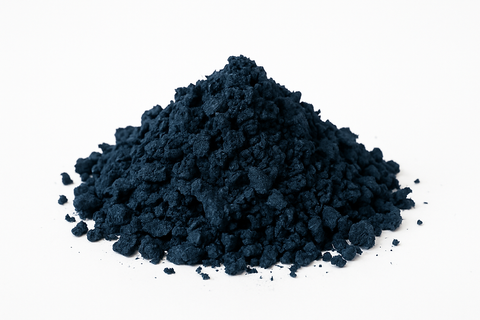
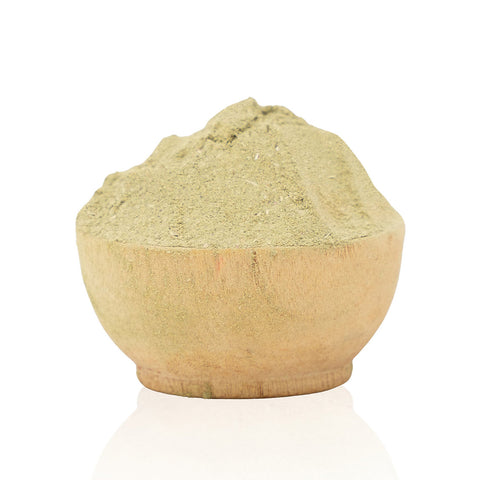
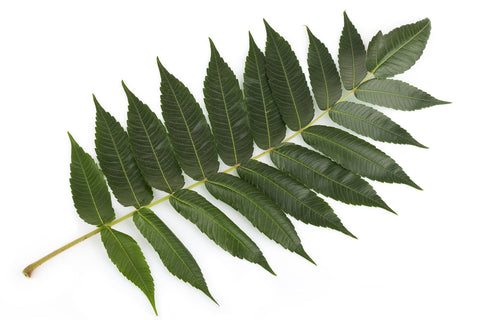
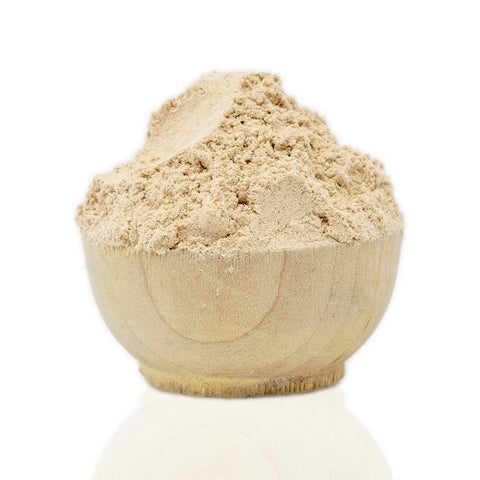
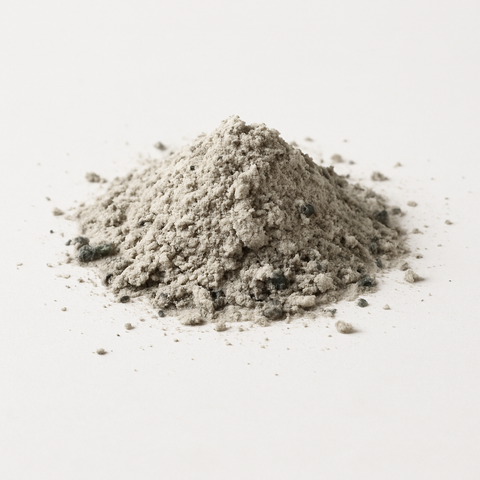
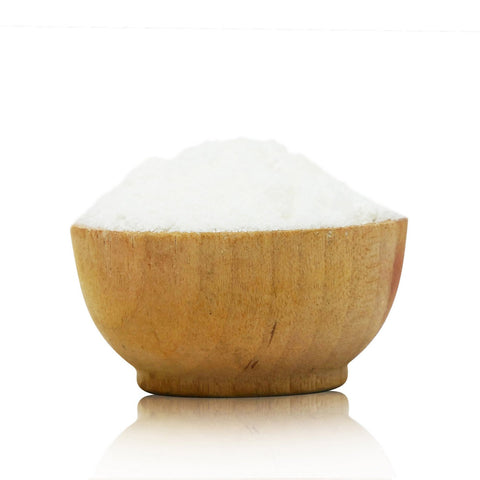
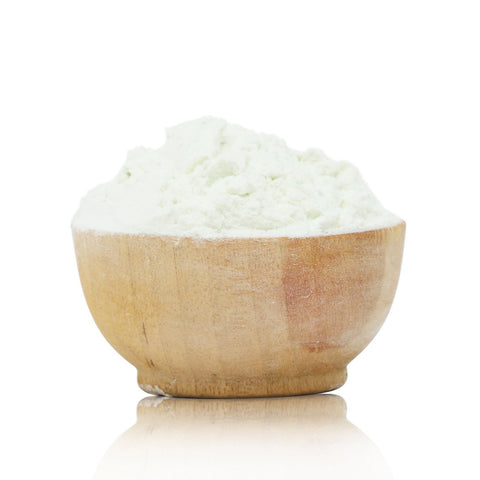
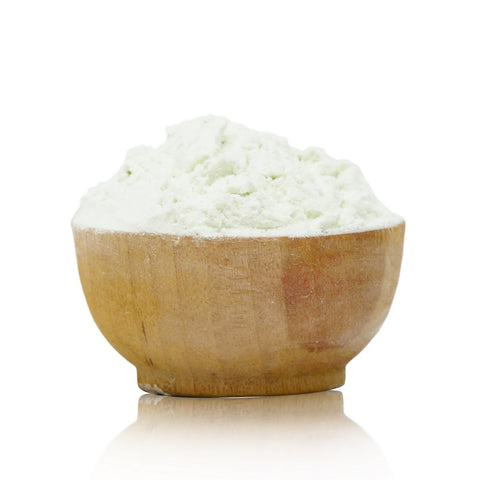
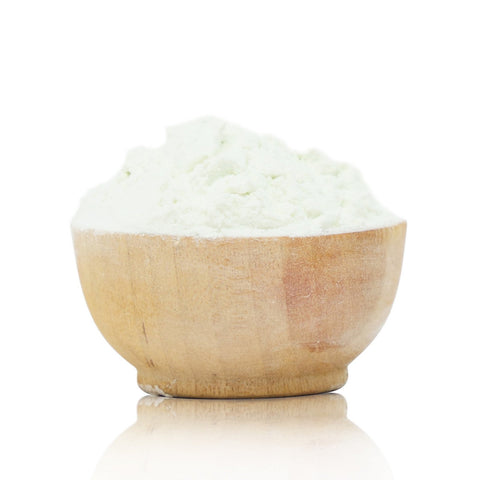
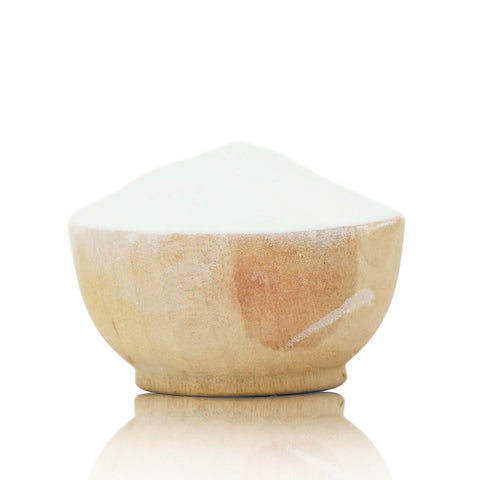
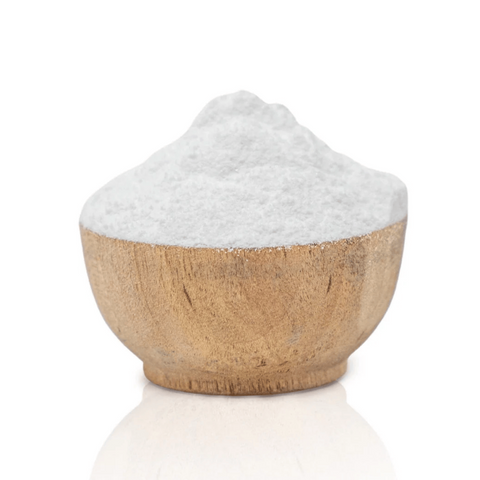
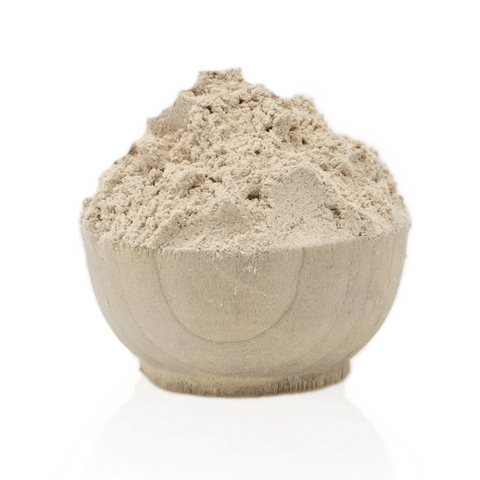
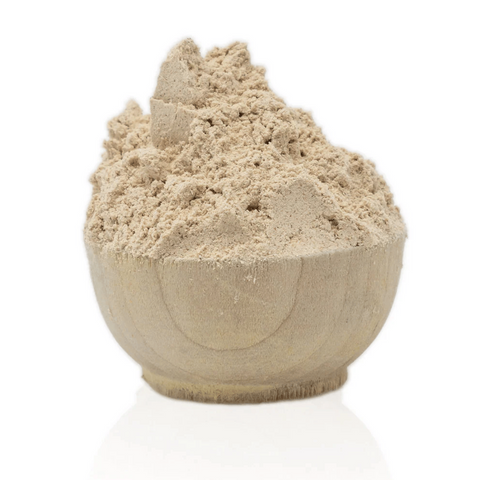
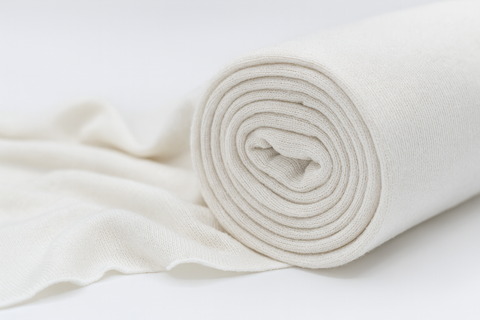
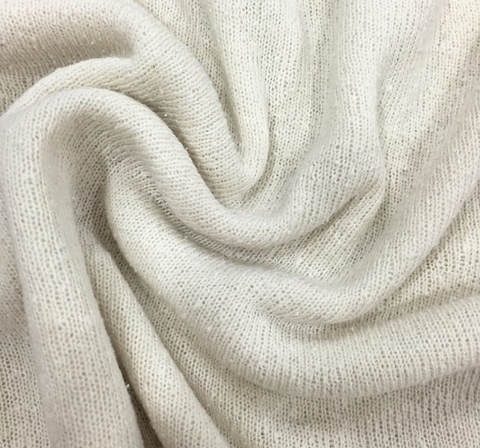
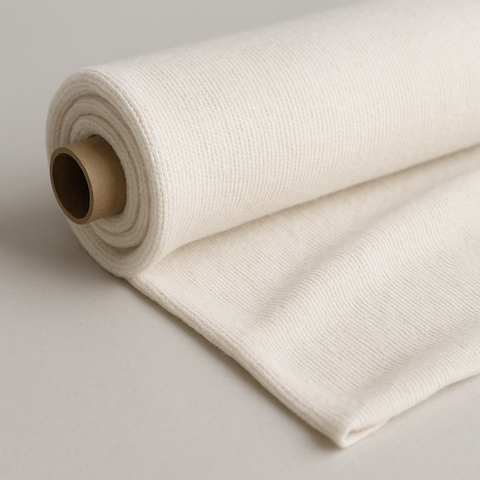
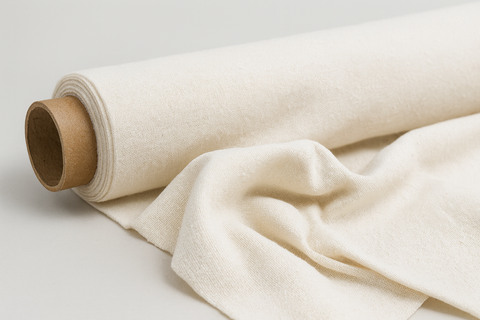
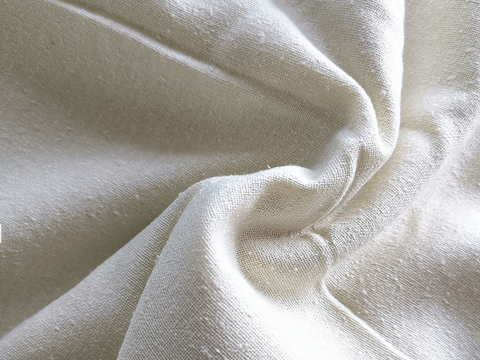
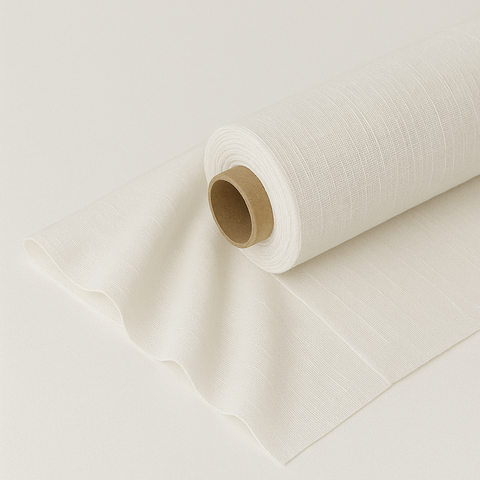
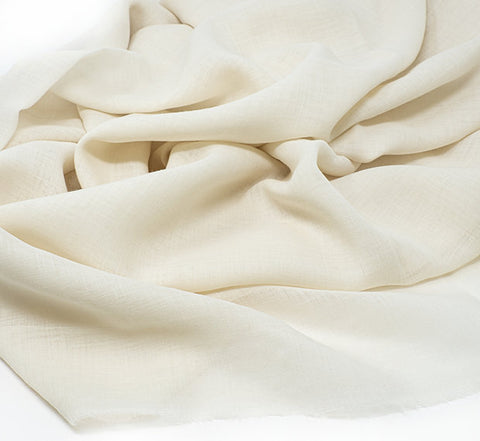
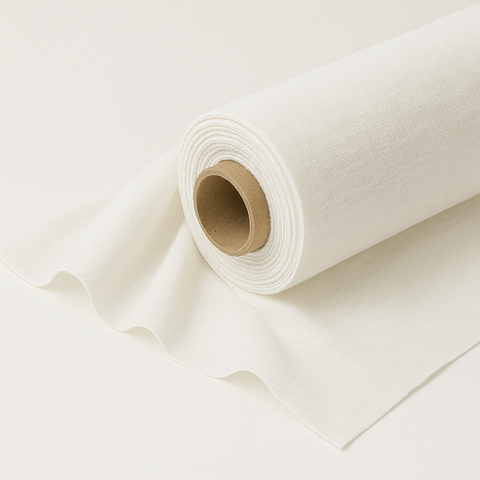
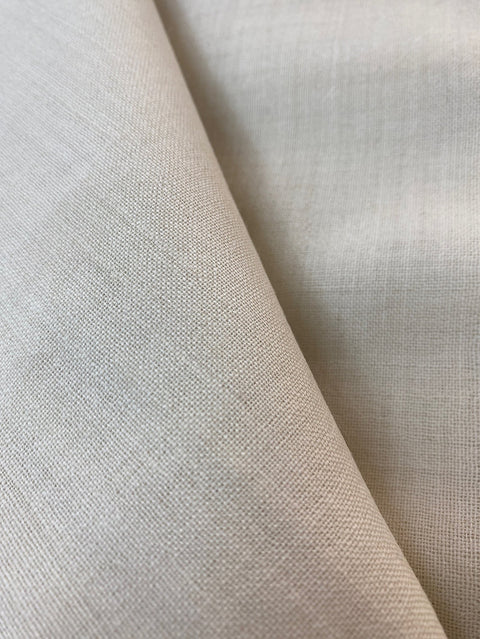
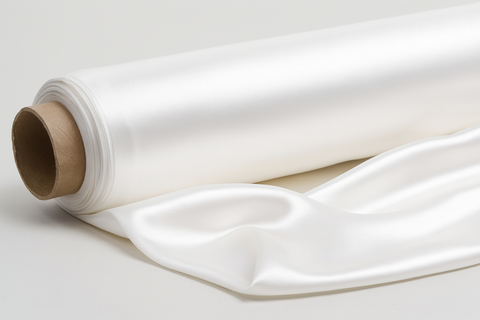
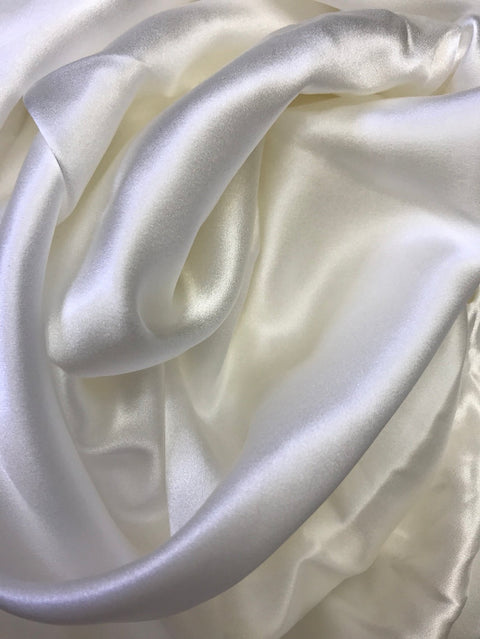
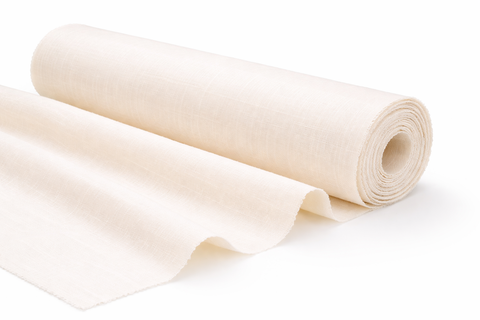
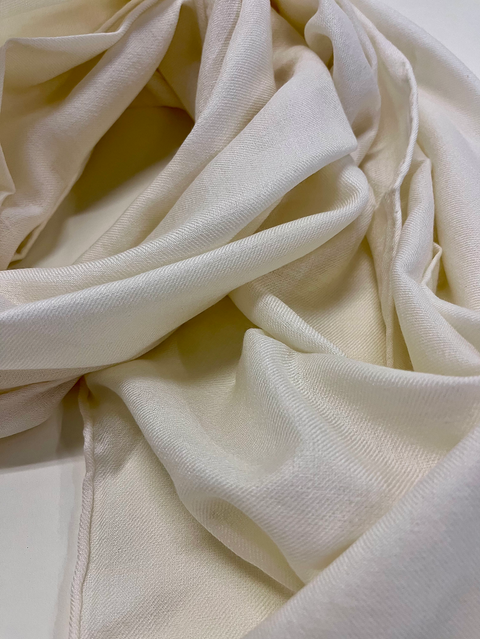
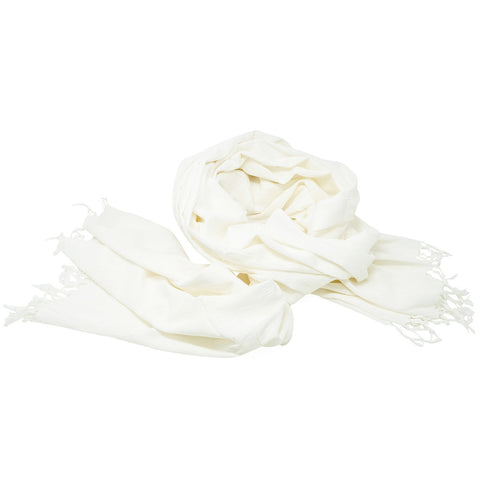
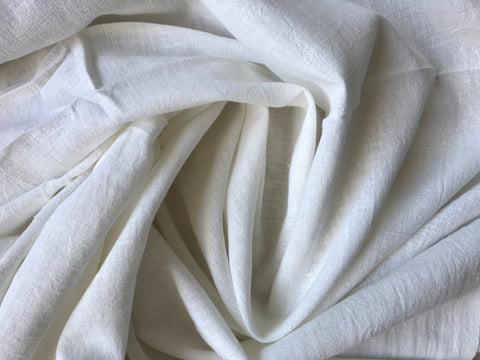
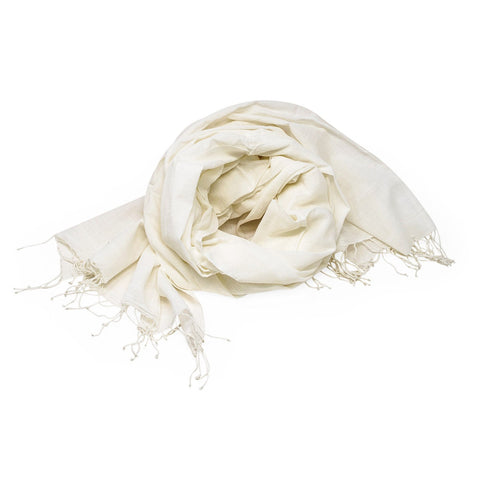
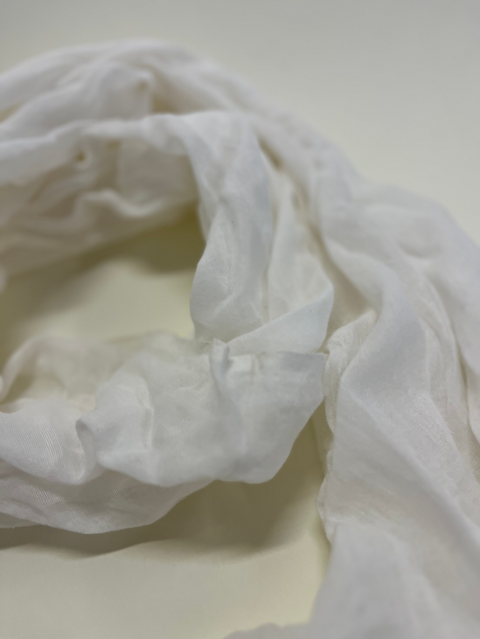
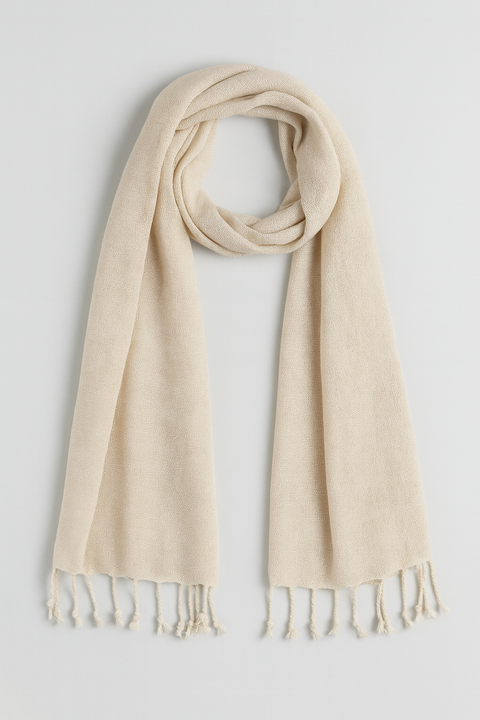
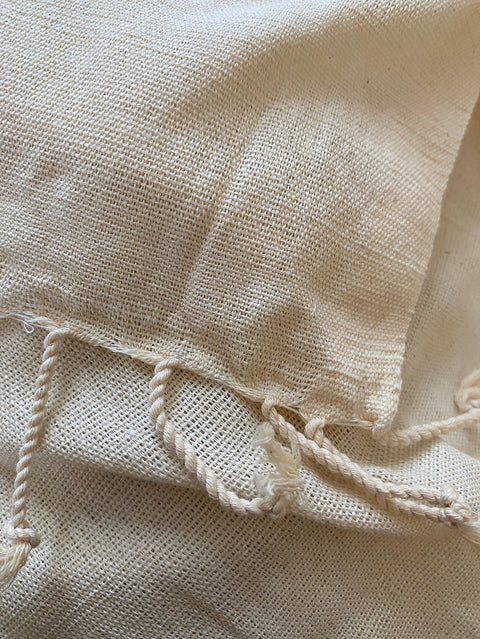
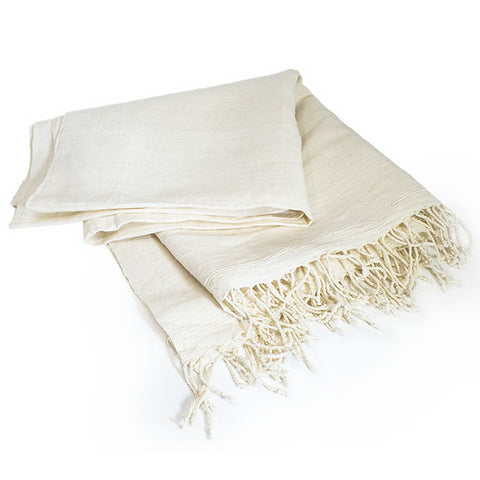
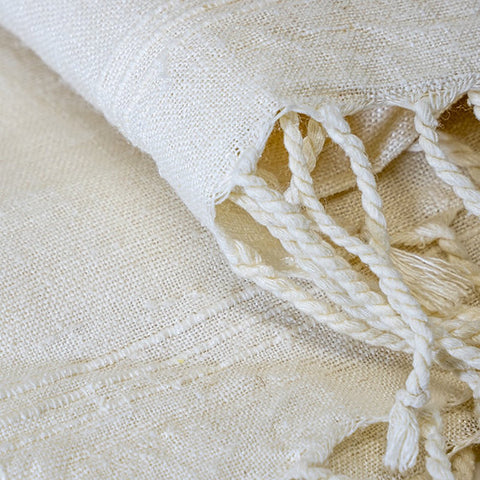
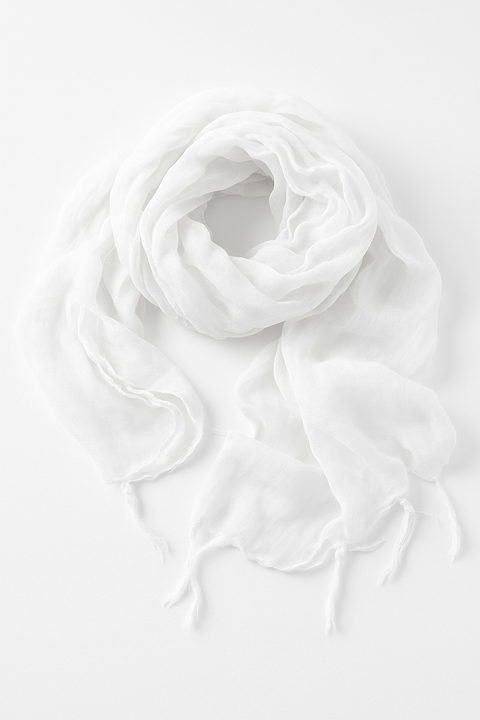
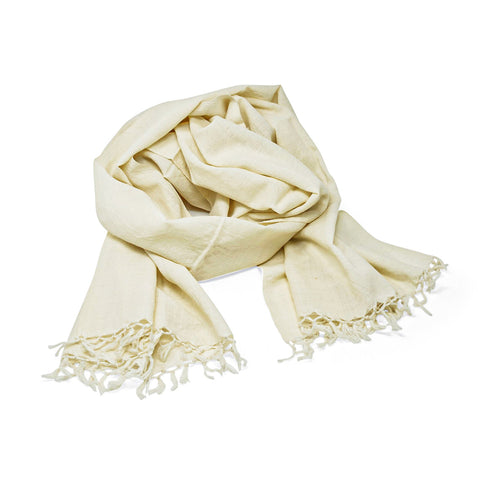
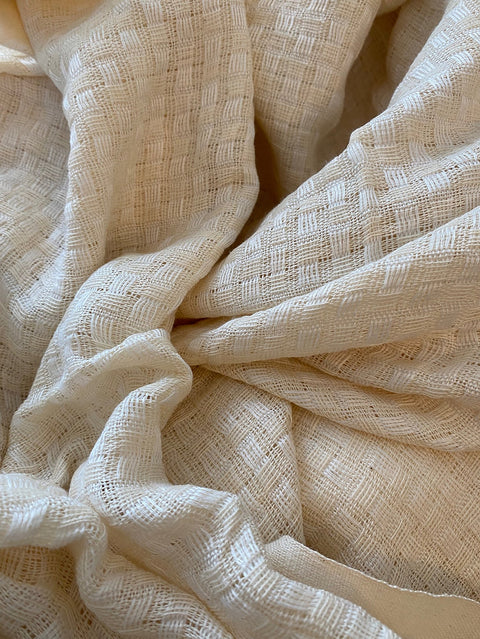
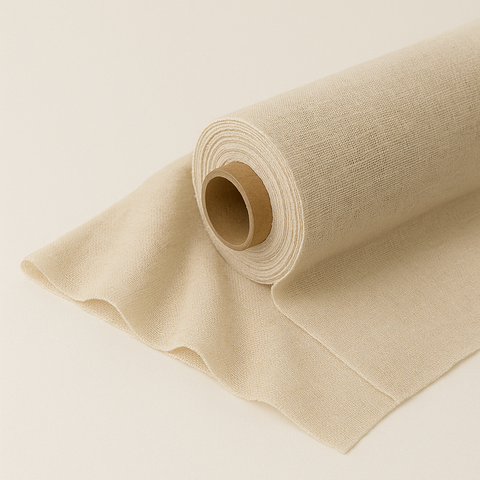
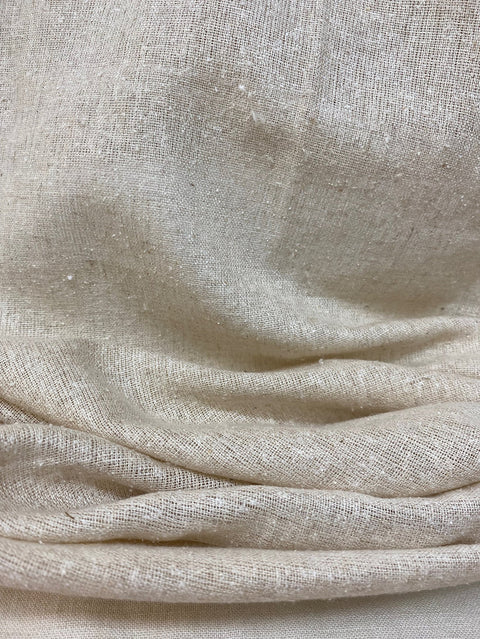
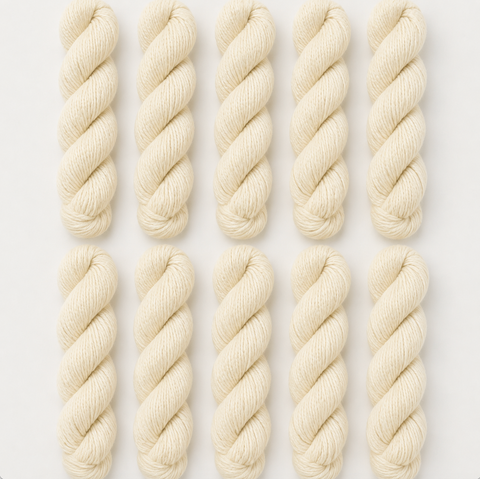
You need dried, finely ground woad leaves, warm water, silk—and your hands.
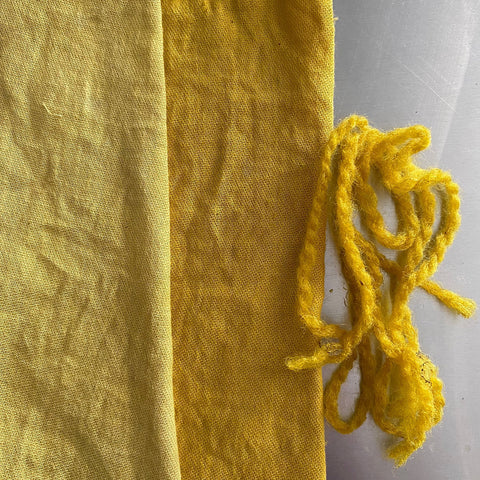
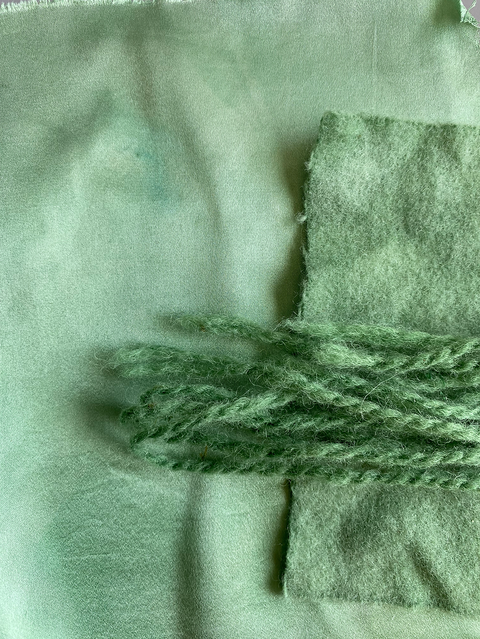
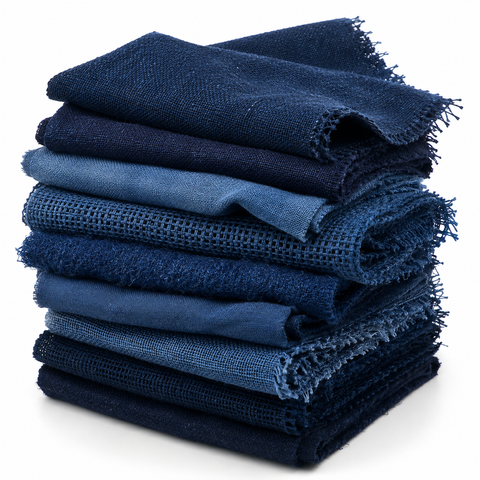
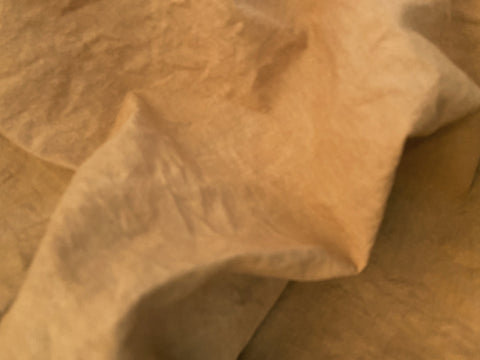
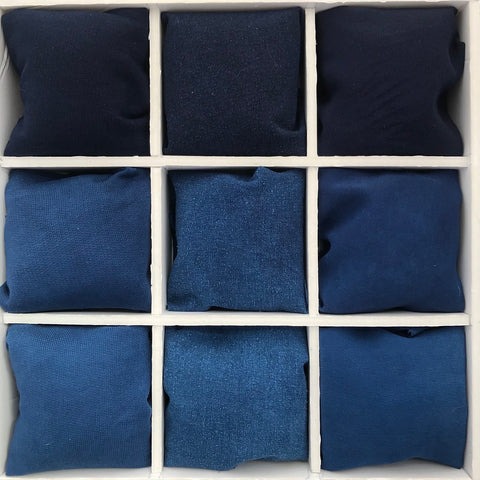
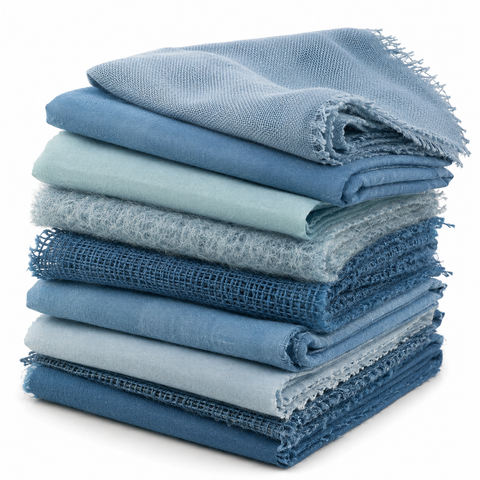
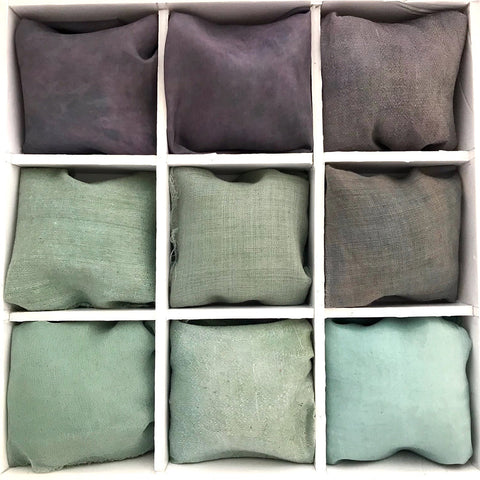
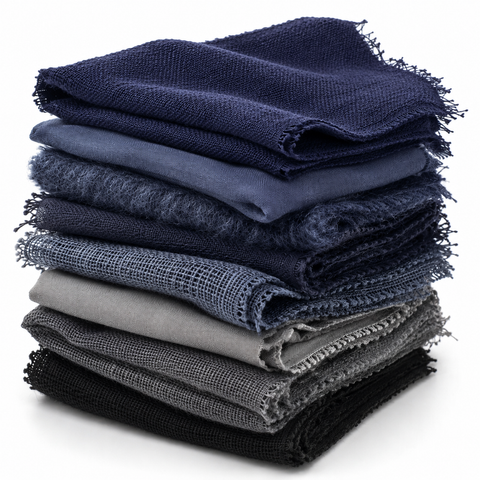
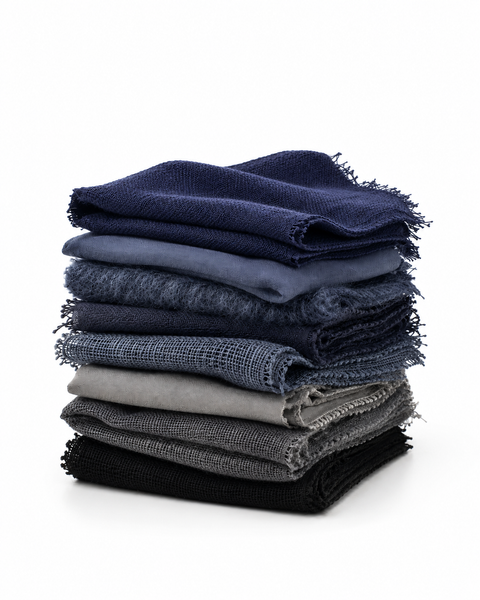
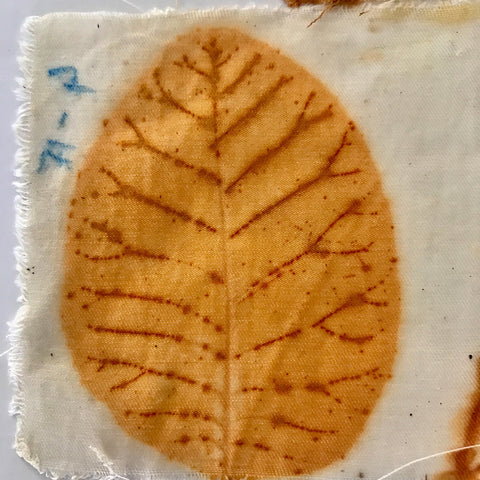
And you can get the most beautiful teal.
From Green Indigo to Dried Woad
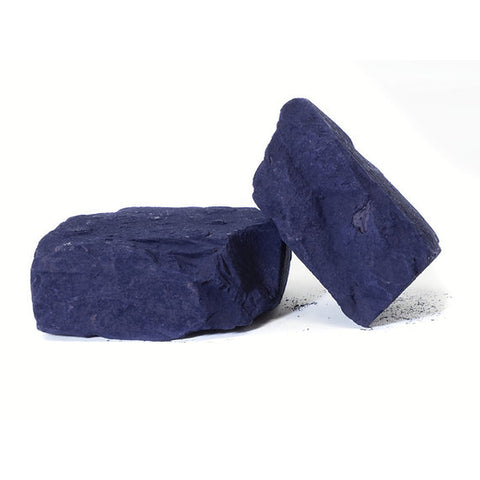
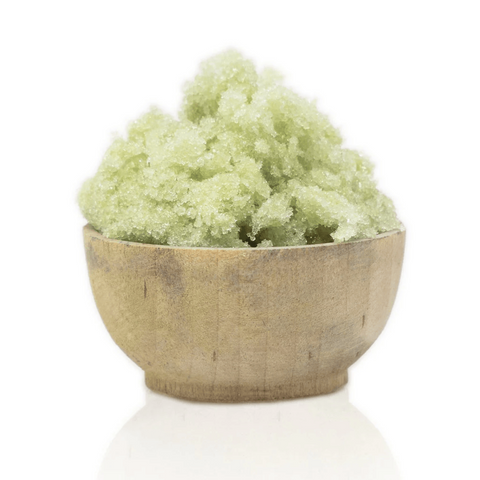
This method grew out of a low-impact dyeing technique I developed around eight years ago, when I discovered that green indigo powder could be used directly on silk without first making a conventional indigo vat.
Instead of extracting the pigment, building a vat, and reducing the indigo, I worked the plant material directly into the silk with water and agitation. It was wonderfully simple and required very little in the way of water, energy, or additional materials.
That discovery has stayed with me ever since.
So, of course, when I started working more extensively with dried and ground woad leaves, I had to try the same thing.
And it works.
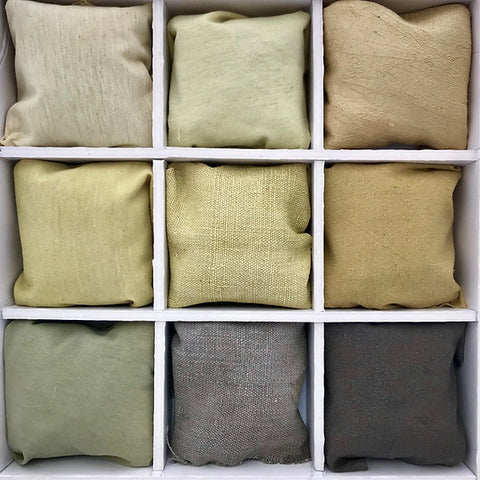
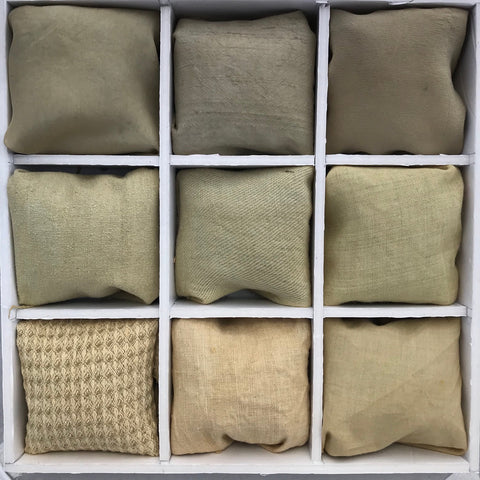
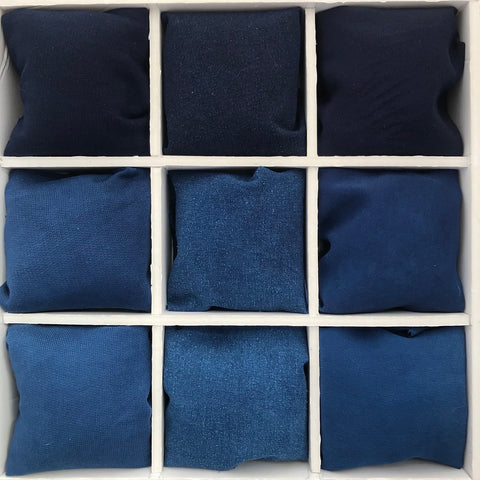
Not only does it work, but dried woad produces a particularly beautiful result: a soft, complex teal.
The process is very (very) straightforward.
What You Need
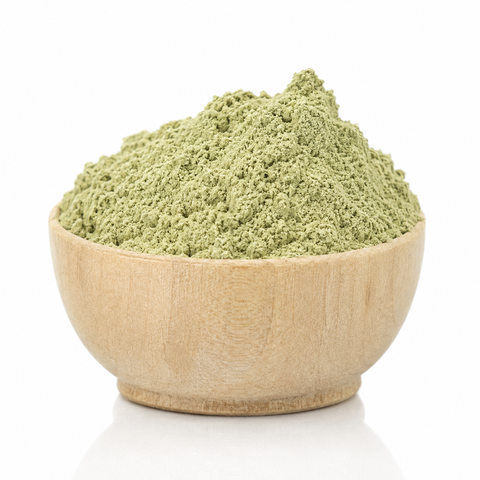
- Dried, finely ground woad leaves
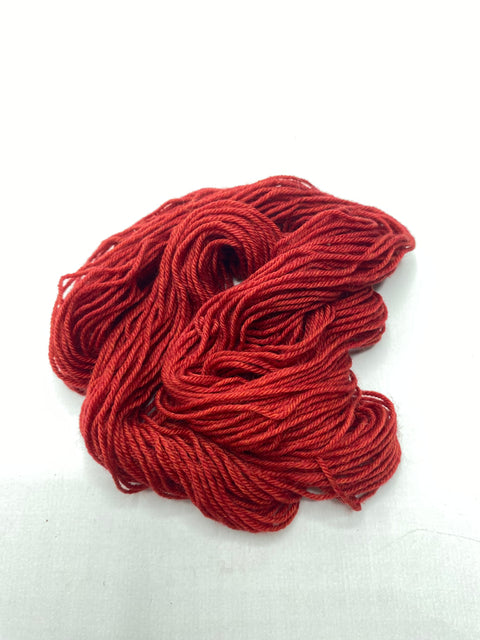
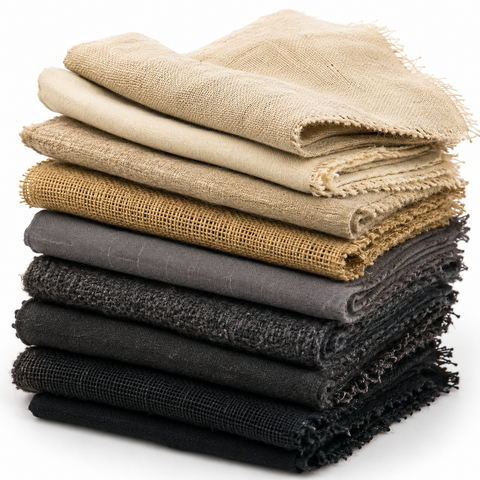
- Silk
- Warm water
- A bowl
- Gloves, unless you don't mind blue-green hands
That's it.
Make Your Woad Sludge
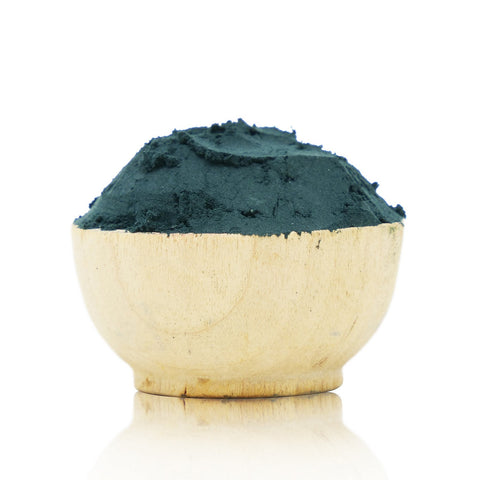
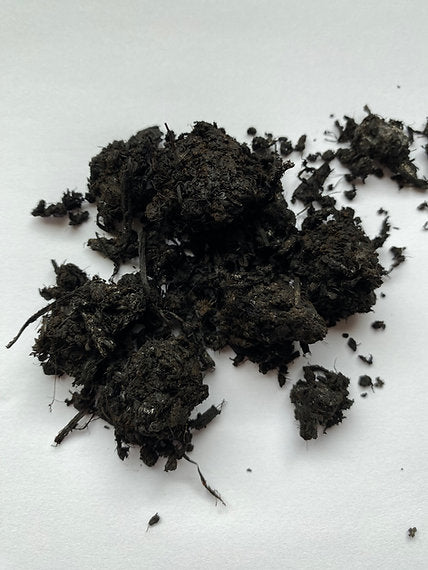
Put the dried woad powder into a bowl and add enough warm water to make a thick mixture, roughly the consistency of pancake batter.
The temperature matters.
You want the water pleasantly warm, but not hot. Too much heat can encourage the formation of indirubin, pushing the color toward purple rather than the blue-green teal we're after.
So resist the temptation to make the water hotter because it feels more like "dyeing." Warm is enough.
Now Massage the Silk
Add your wet silk directly to the woad mixture.
And then scrunch.
Massage, squeeze, and work the woad sludge through the silk continuously for several minutes.
It is all in the wrist.
There really isn't much more technique to it than that. You want the woad mixture to make good contact with all of the silk, so keep turning, squeezing, massaging, and scrunching the fabric through the sludge.
You are essentially doing the extraction and the dyeing at the same time.
Aerate, Then Rinse
Take the silk out of the woad and open it up so that it can aerate.
Then rinse it in cold water.
Don't be tempted to leave the woad sludge sitting on the silk while you wait for the color to develop. I've found that this can inadvertently create darker patches where the woad remains in contact with the fabric, so I don't recommend it.
A good cold rinse gives a much more even result.
And then comes the fun part.
The color continues to develop after rinsing. Give it about 10–15 minutes and you'll see the full teal shade appear as the color develops.

Don't Throw Away the Woad
The same bowl of woad sludge can be used again.
And again.
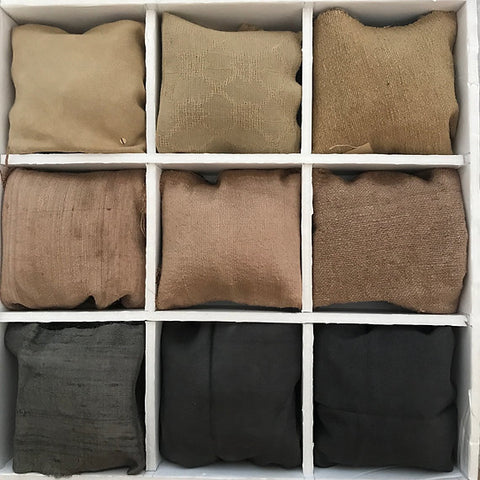
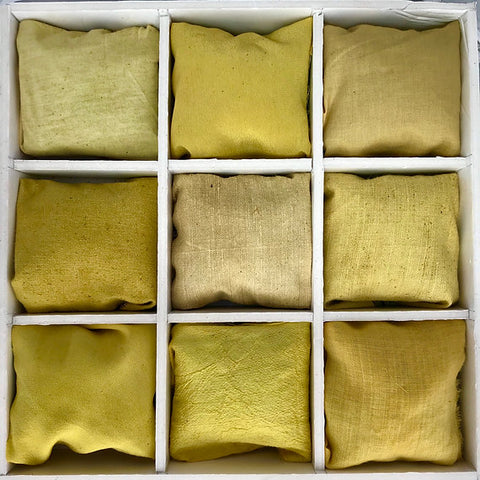
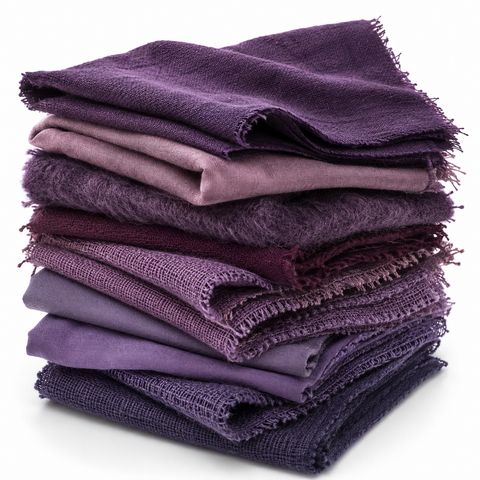
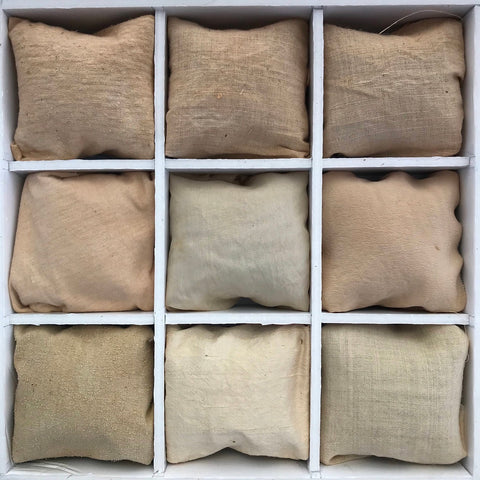
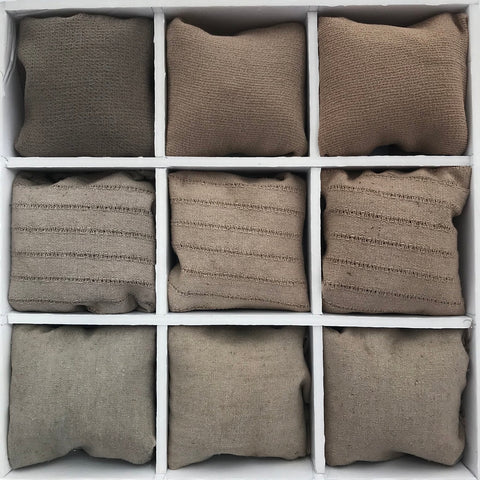
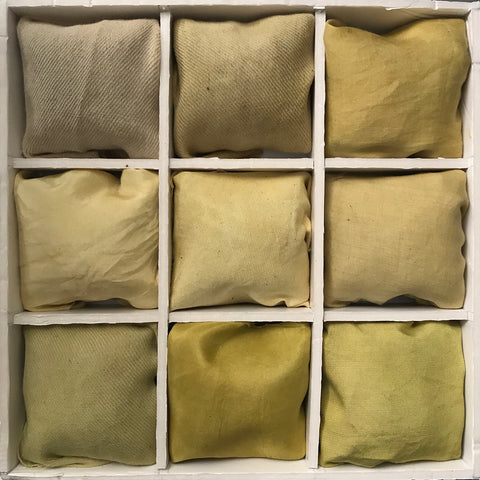
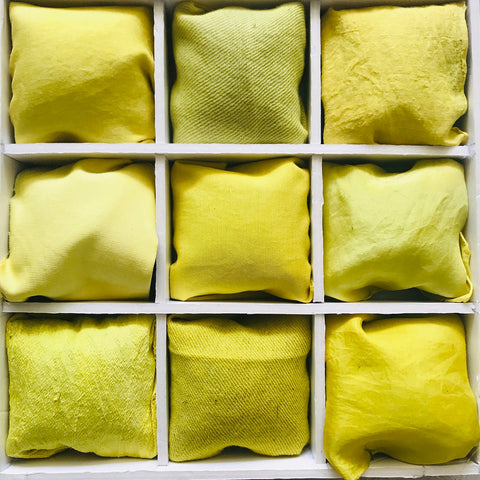
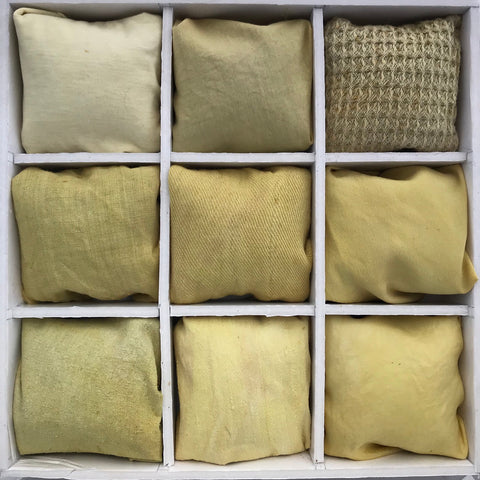
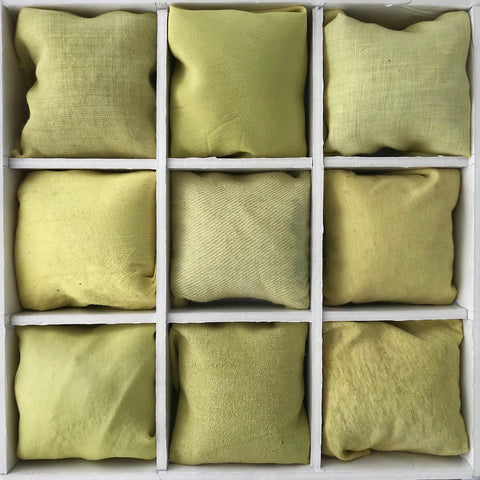
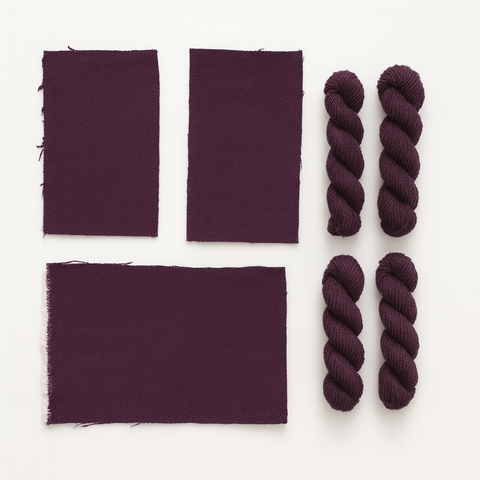
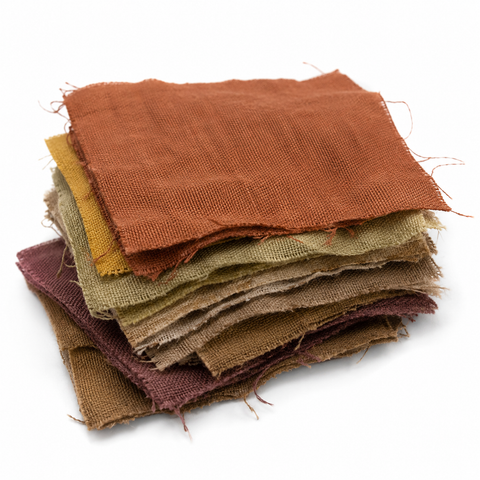
I generally use it for three rounds of dyeing. Each successive use produces a lighter shade, giving you a beautiful progression of teals from the same batch of dried woad.
Rather than trying to force every last bit of color into the first piece of silk, I like taking advantage of this gradual exhaustion. You get several related shades while making the most of the dye material.
Why Does This Work?
We're accustomed to thinking about woad primarily as an indigo plant: extract the indigo precursors, create a vat, reduce the pigment, and dye blue.
But whole dried woad leaf is much more chemically complex than purified indigo pigment.
By physically working the warm, wet leaf powder directly against the silk, we're extracting and transferring color from the plant material while we dye. The resulting color isn't the straightforward blue we associate with a conventional indigo vat.
Instead, on silk, we can get this wonderful blue-green teal.
And because we're working with a plant rather than a standardized extract, there will always be some variation. The woad itself (how it was grown, harvested, dried, ground, and stored) matters.
The Entire Recipe, Really
Dried woad + warm water + silk.
Make a pancake-batter-like sludge.
Massage the silk in it for several minutes.
Let the silk aerate.
Rinse in cold water.
Wait about 10–15 minutes for the full color to develop.
Reuse the woad sludge up to three times for progressively lighter shades.
That's it.
A Truly Low-Impact Way to Dye
What I particularly love about this method is how little it asks for.
There is no mordant, no reducing agent, no alkaline vat, very little water, and no prolonged heating. The same woad sludge can be used three times, producing progressively lighter shades before it is exhausted.
0 comments