


One of the most common questions I receive is surprisingly simple:
"Do I need to mordant this?"
The answer depends on two things:
- What you're dyeing with
- The result you want to achieve
Here's a quick guide to help you decide. Feel free to download, print, and share.


Step 1: What Are You Dyeing With?
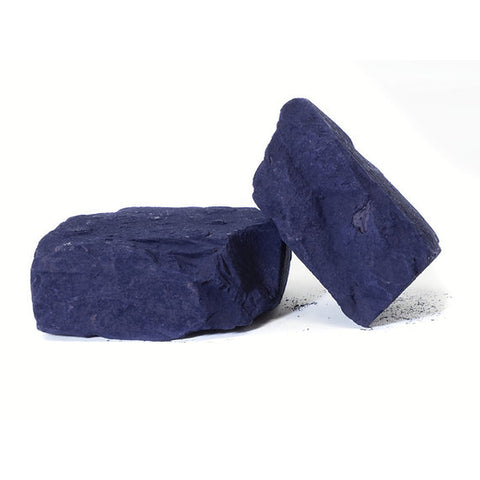
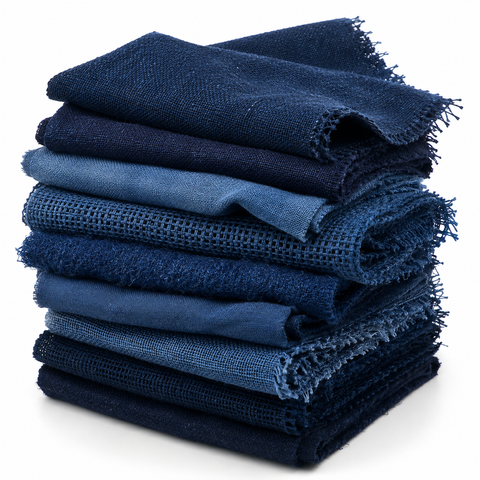
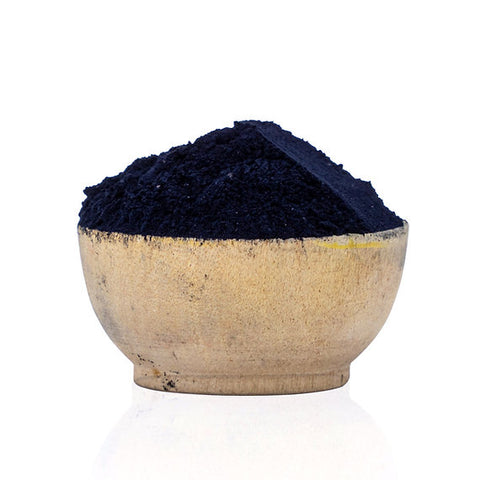
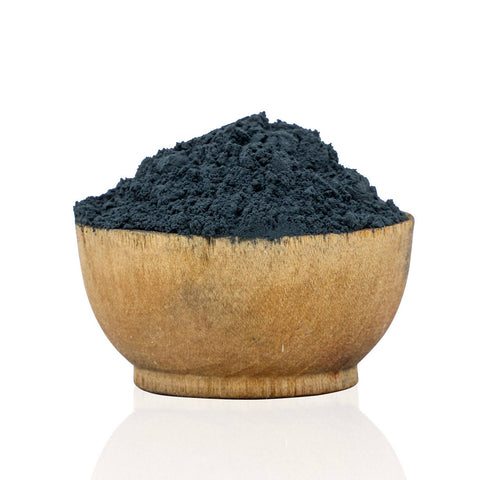
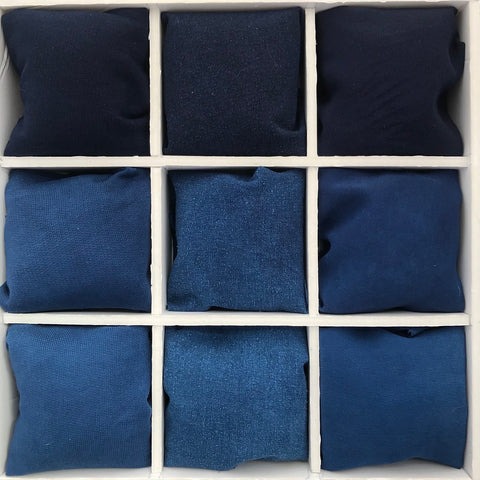
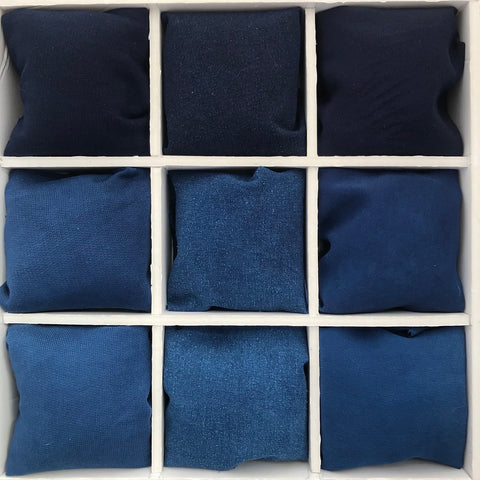
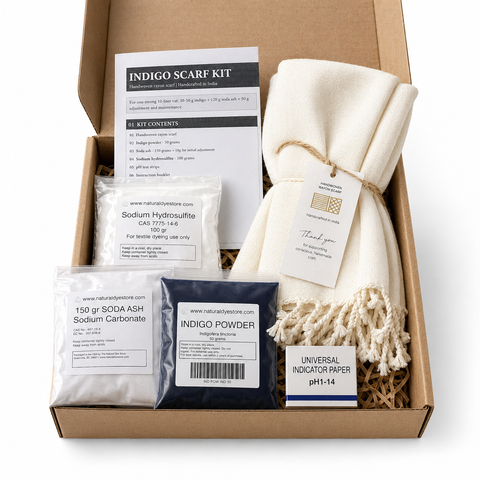
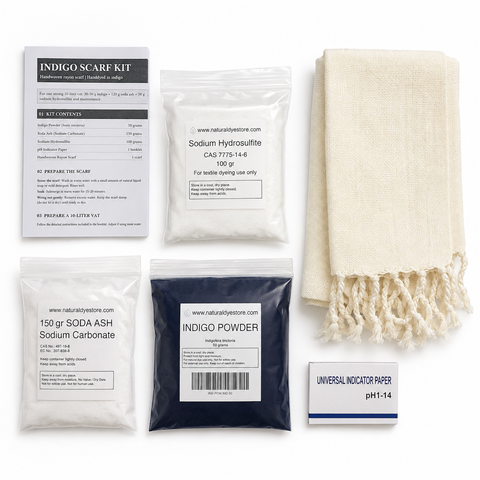
Indigo
No mordant is needed.
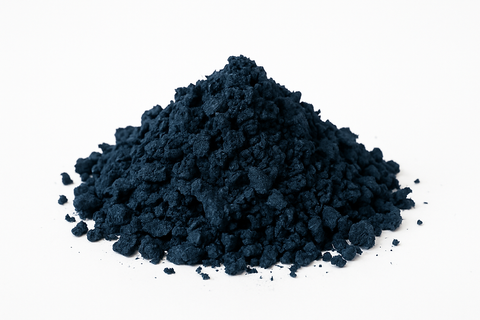
Indigo is a unique dye that bonds to the fiber through a completely different chemical process. Simply prepare your fiber correctly and dye away.
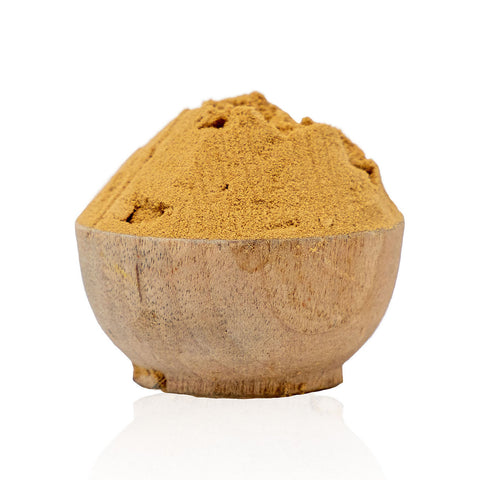
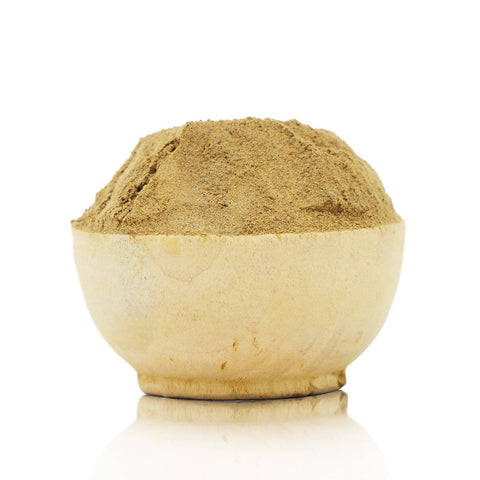
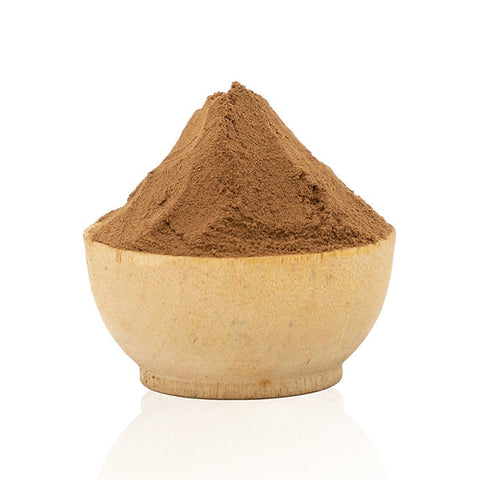
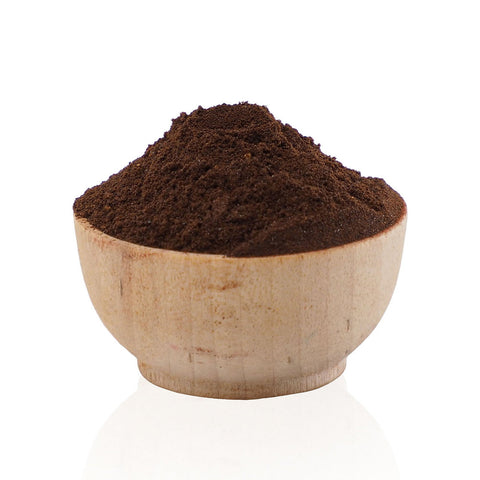
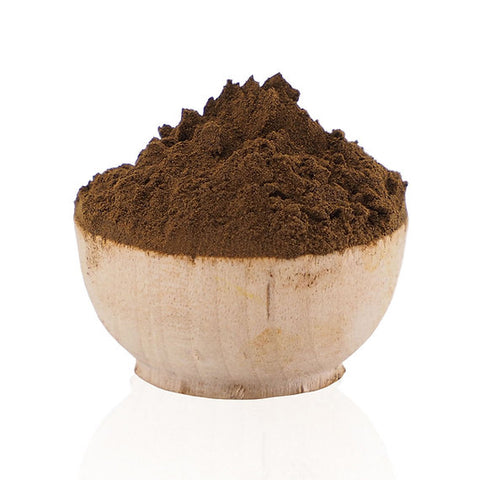
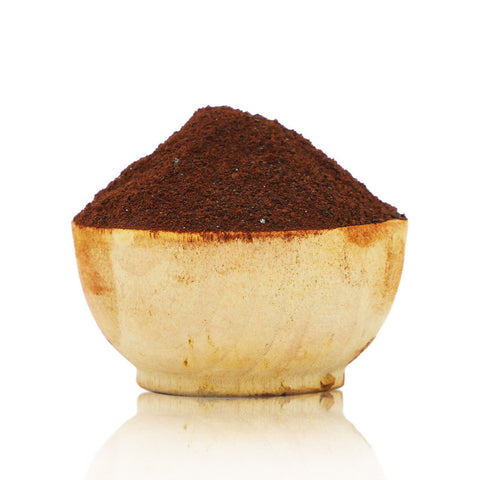
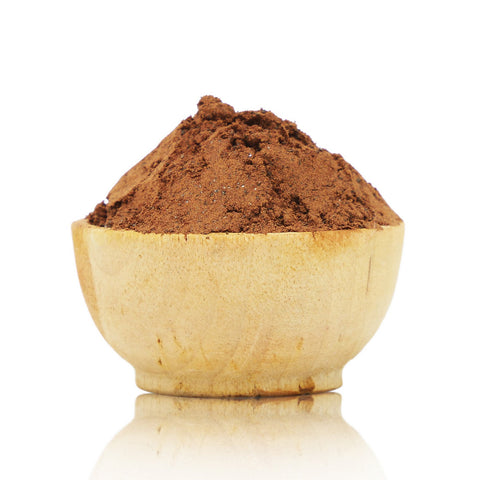
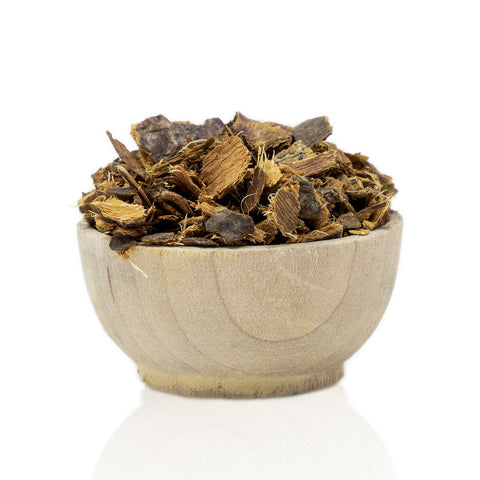
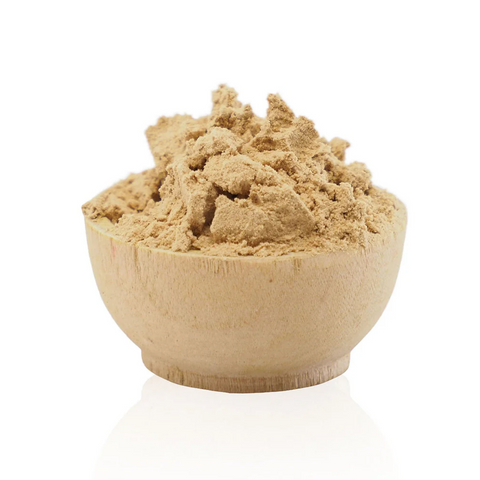
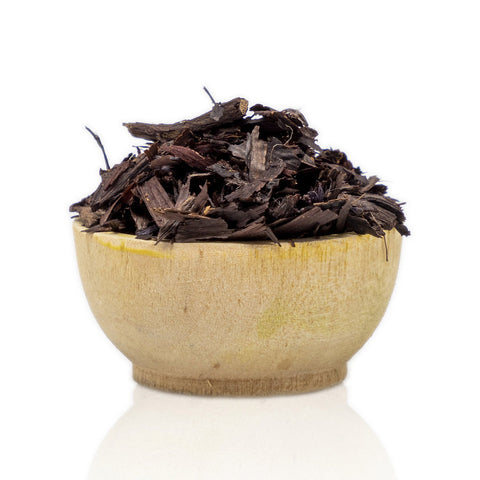
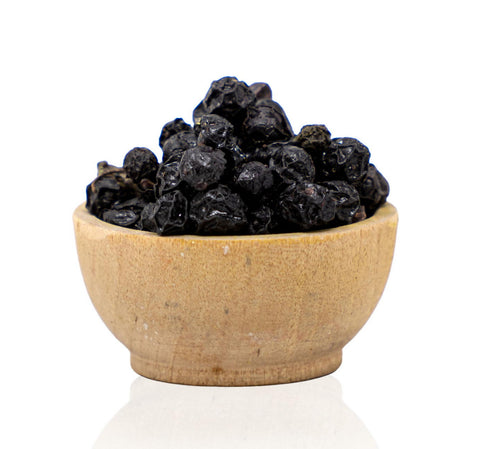
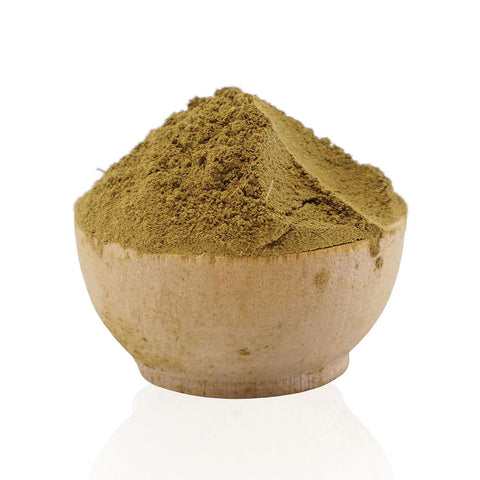
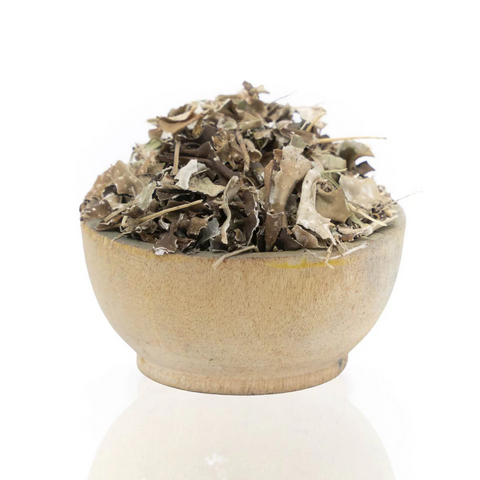
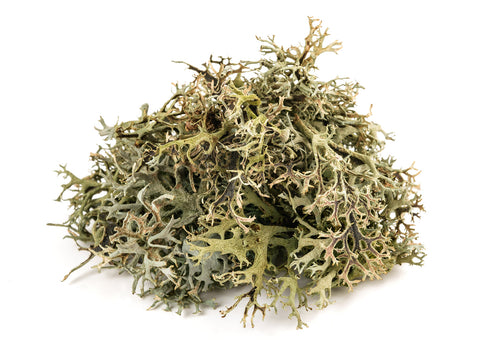
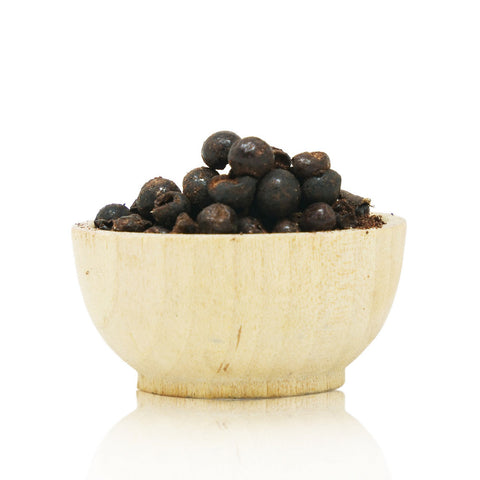
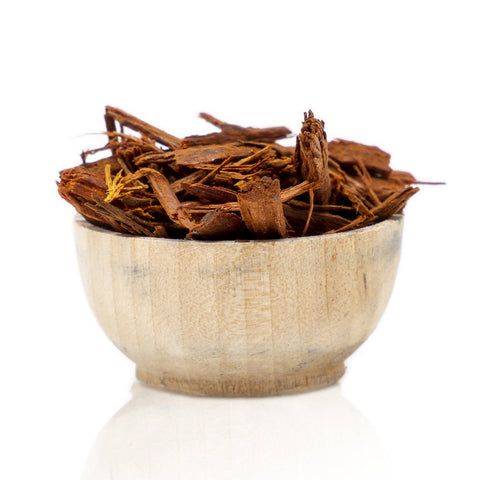
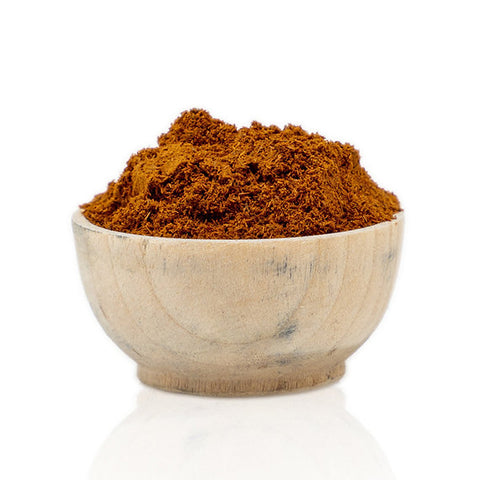
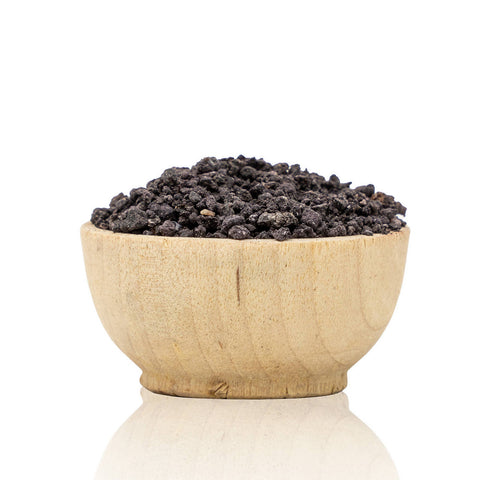
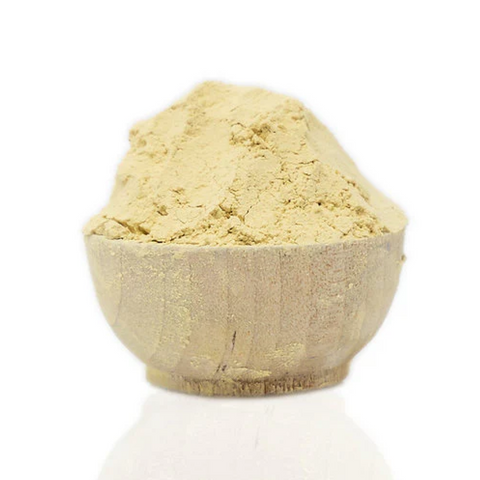
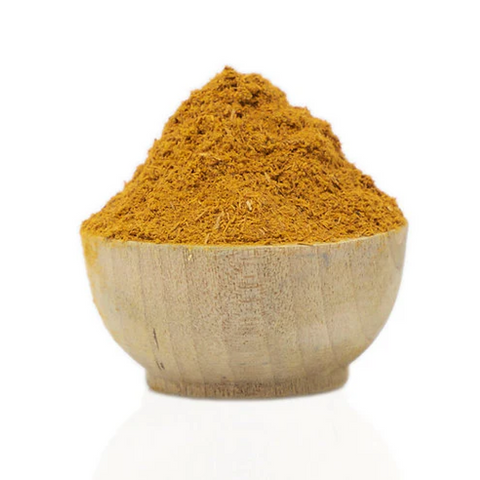
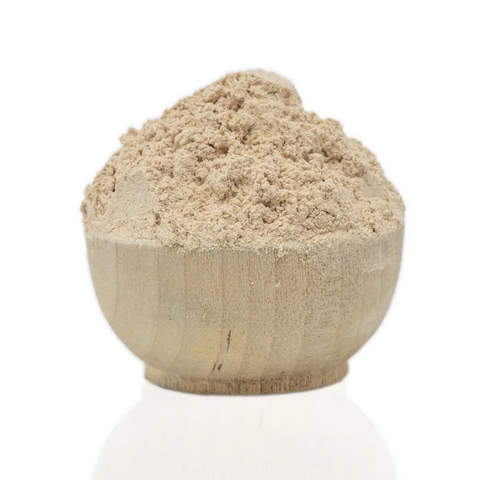
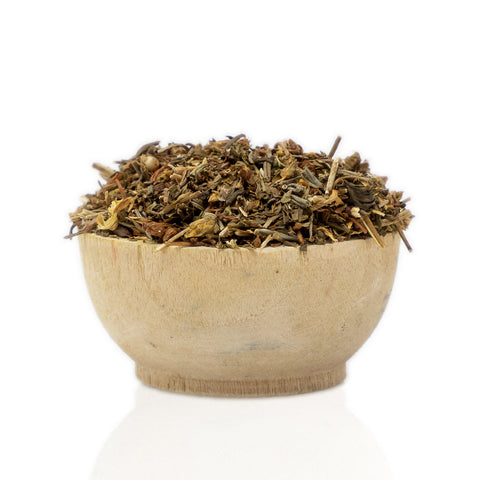
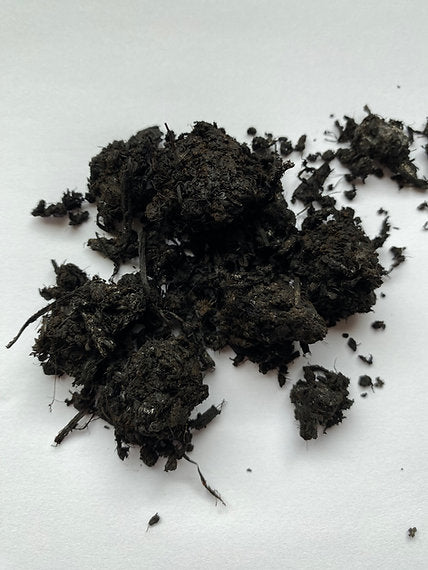
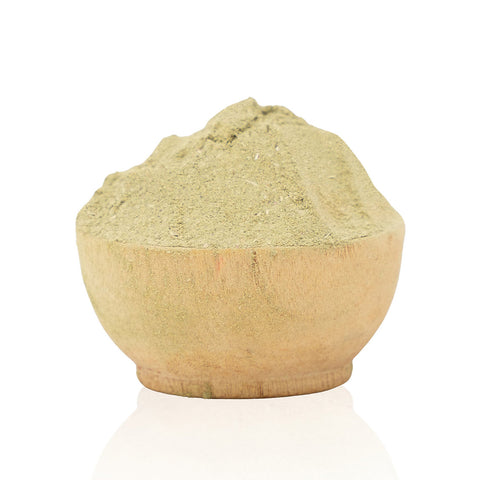
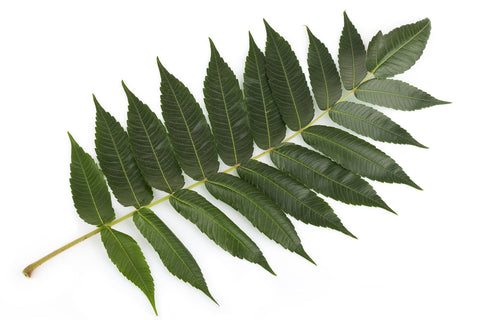
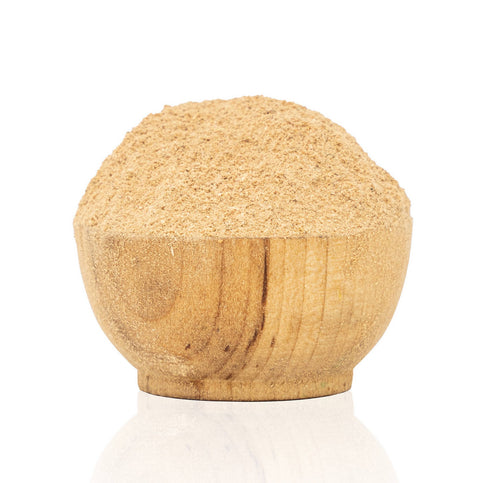
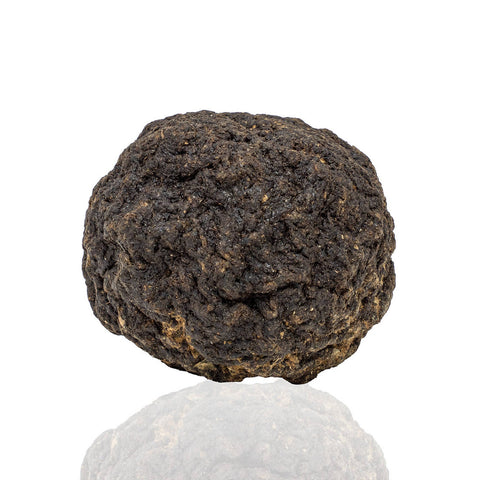
Tannin-Rich Dye Sources
Examples include:
Now ask yourself:
Do you want soft natural colors?
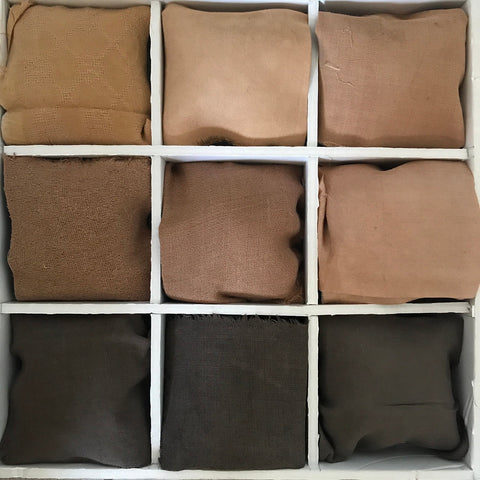
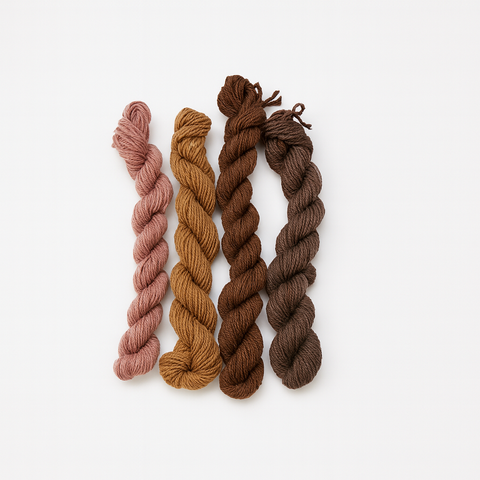
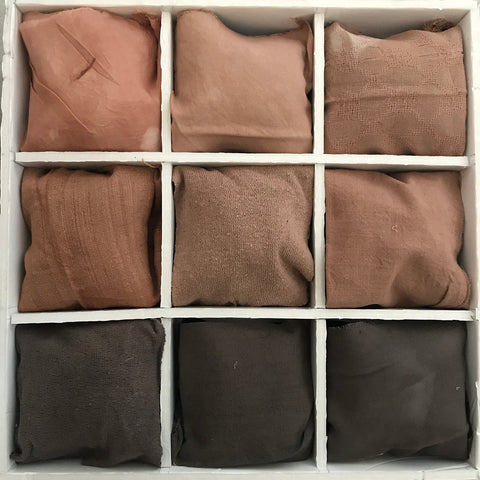
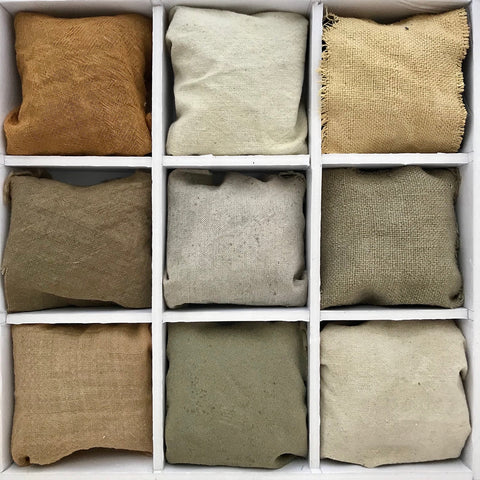
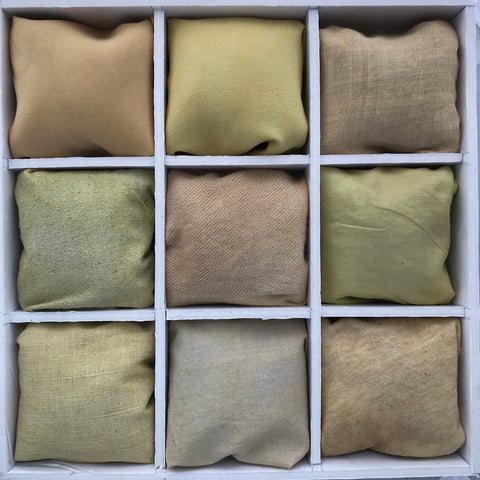
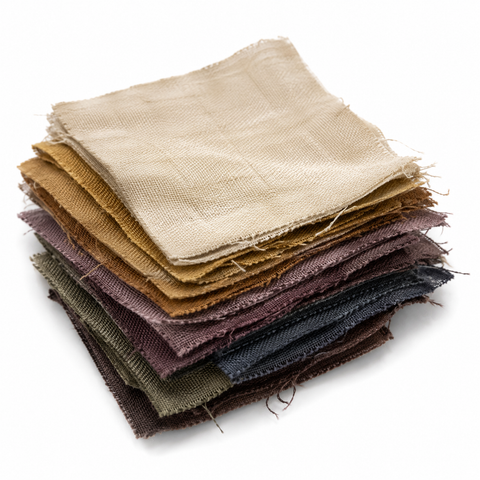
If yes, you can often skip the mordant entirely. Tannins naturally bond well to many fibers and produce beautiful earthy shades on their own.
Do you want brighter, richer or deeper colors?
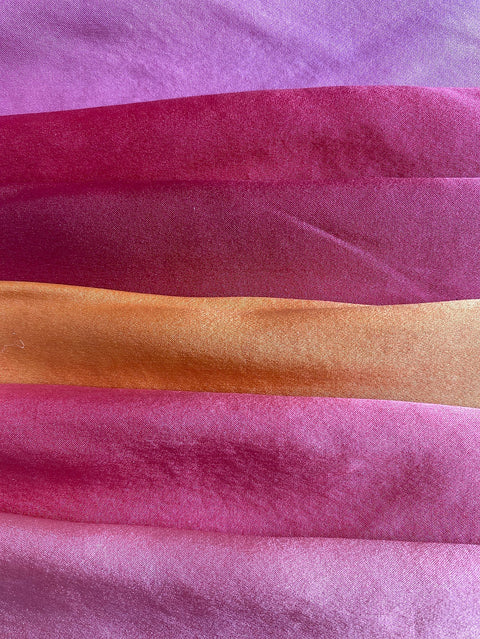
Then a mordant will help you achieve stronger color, better lightfastness, and improved washfastness.
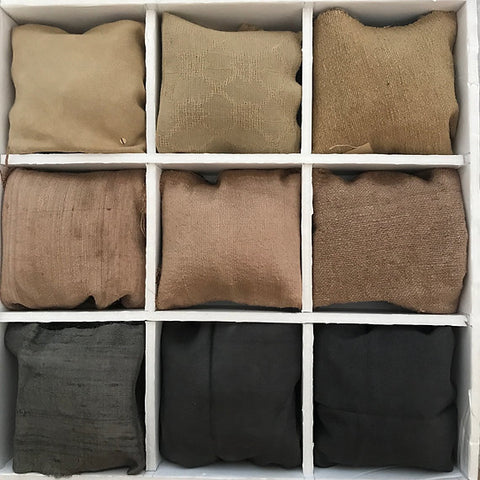
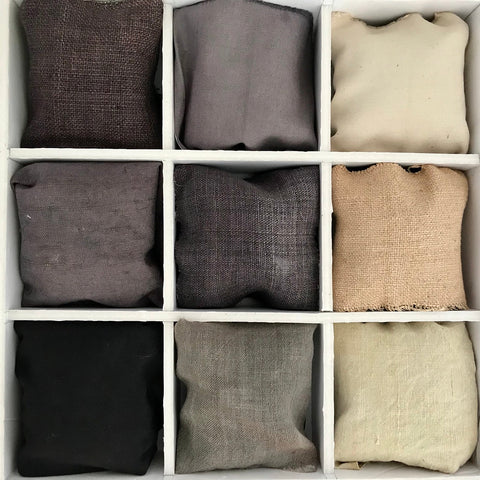
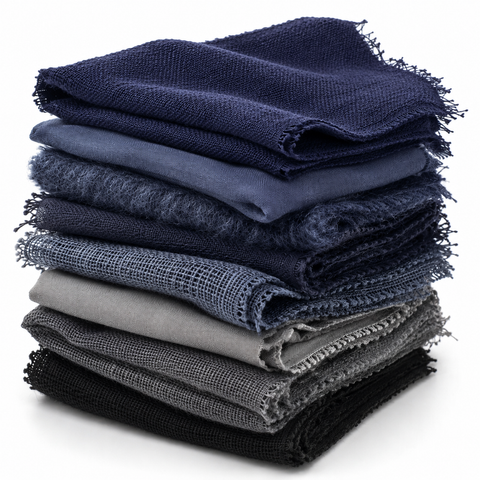
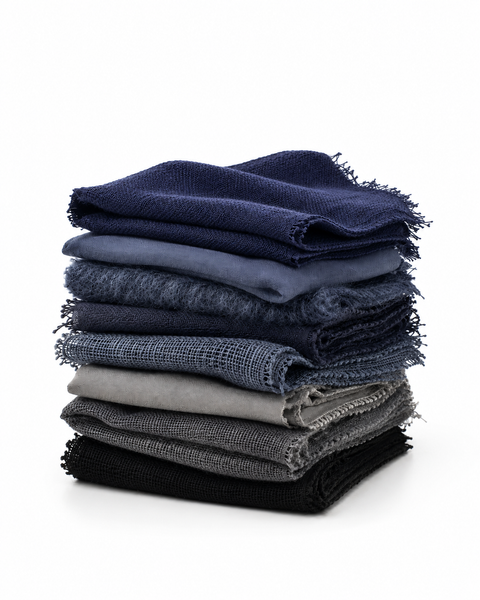
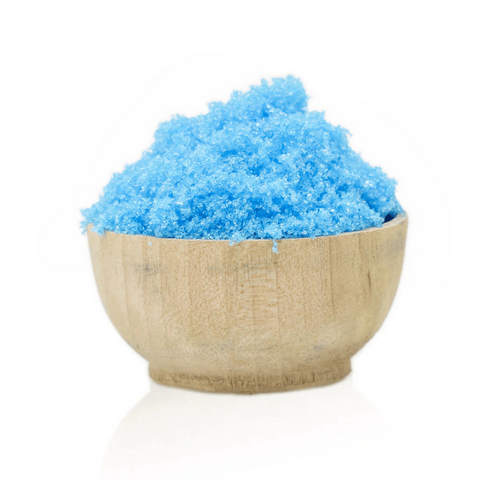
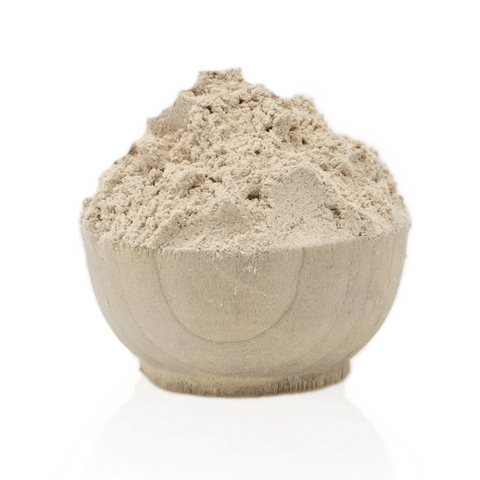
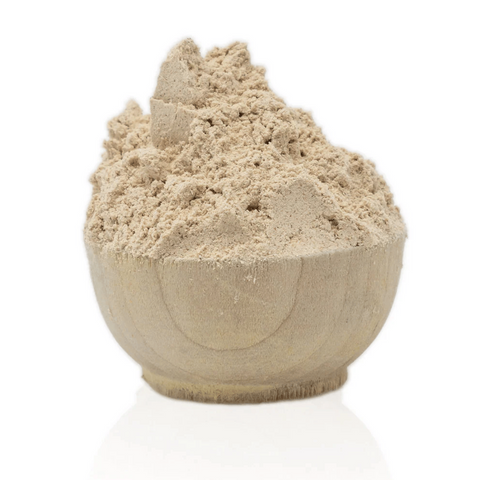
For brighter, deeper colors use an alum based mordant, for deeper browns, grays and blacks, use ferrous sulfate.
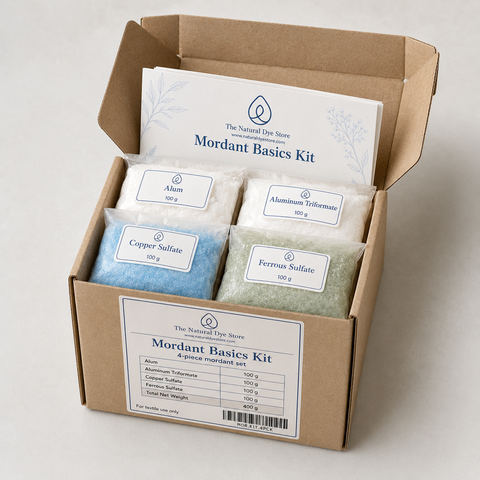
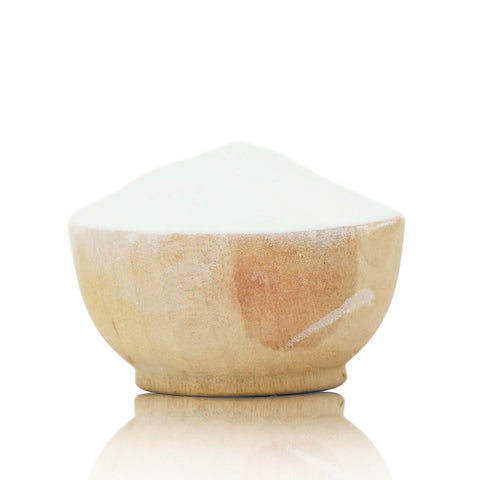
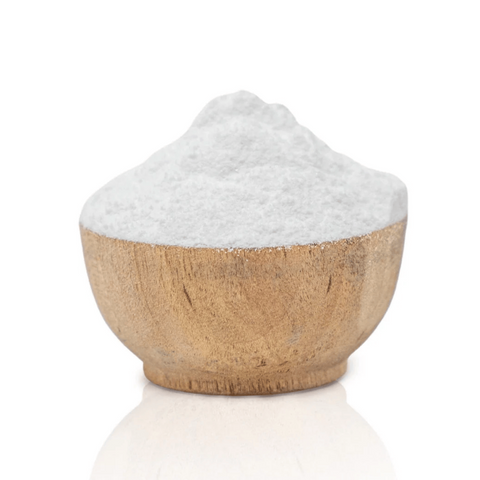
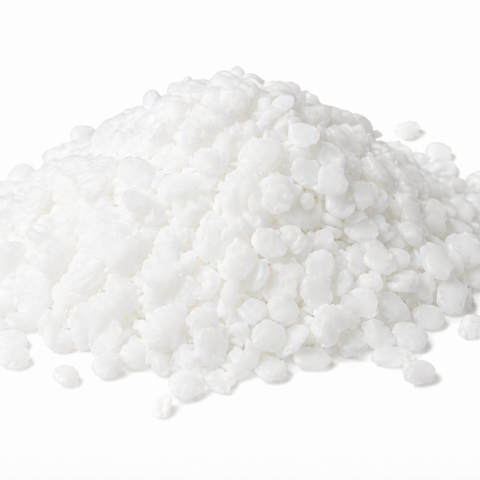
Make sure you check out my new mordant kit to have the basic mordants for your products at hand including a printed recipe guide.

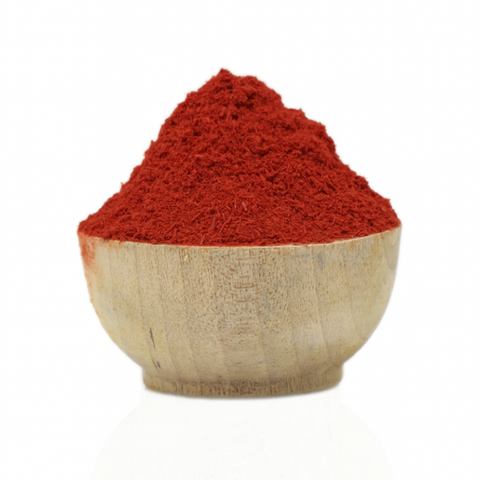
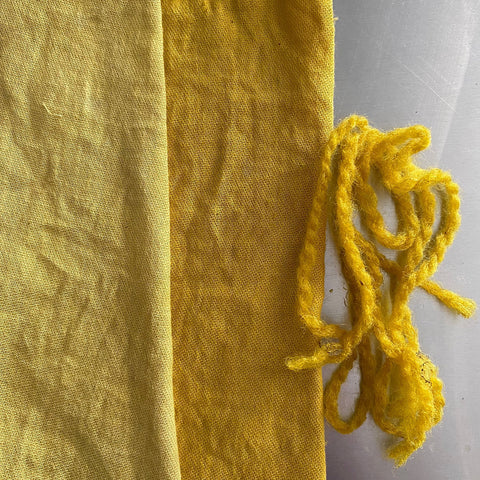
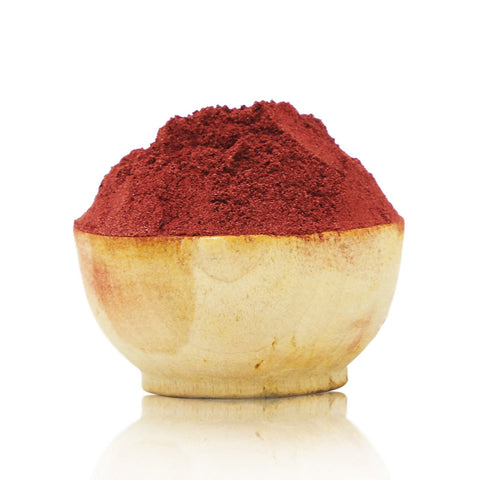
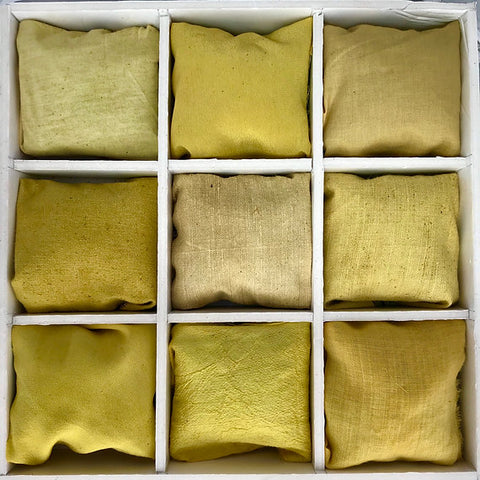
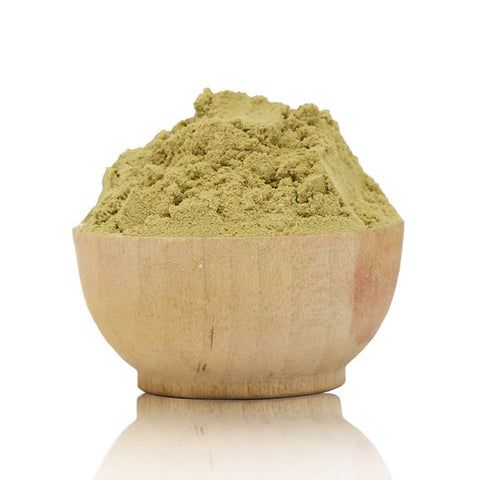
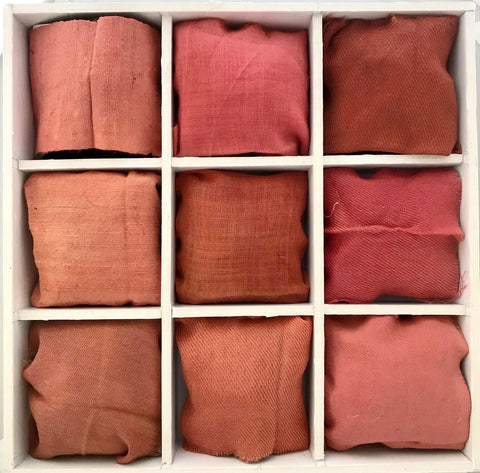
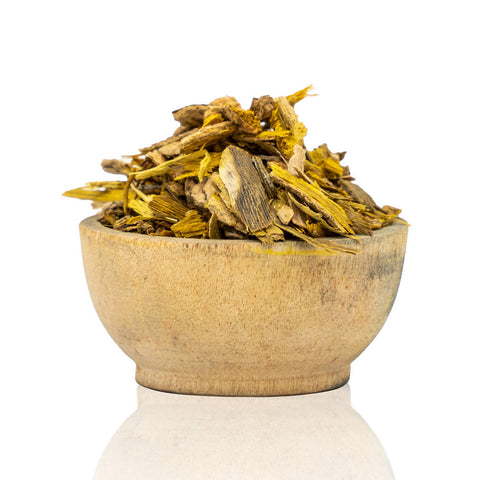
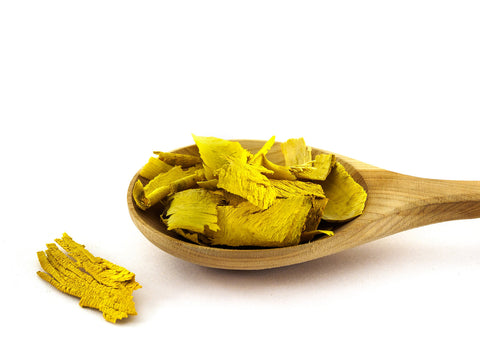
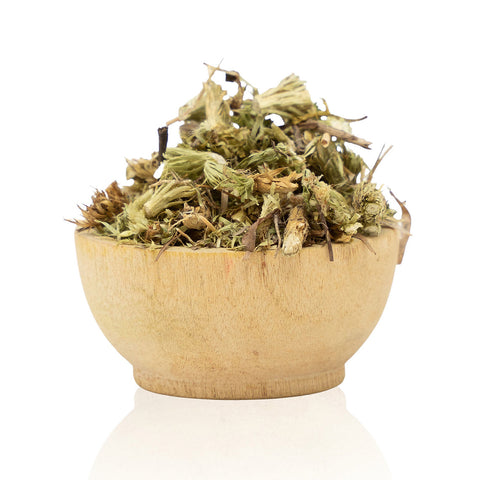
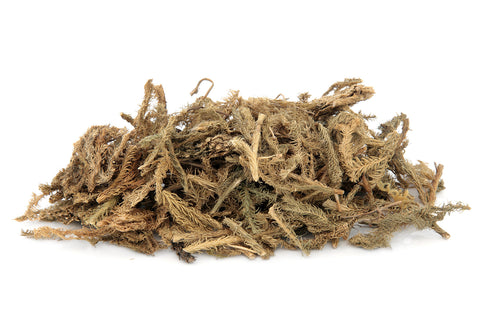
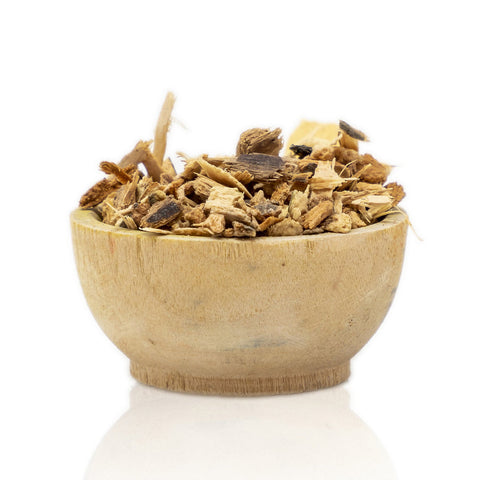
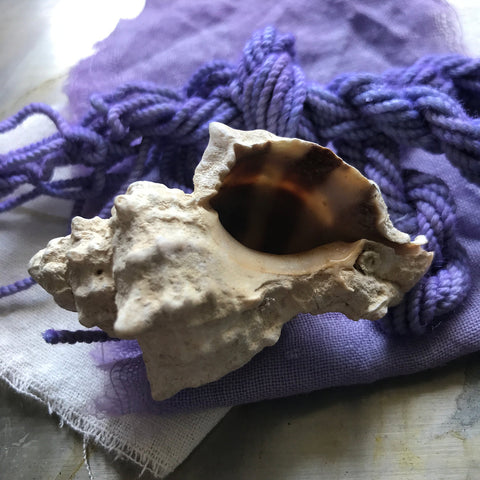
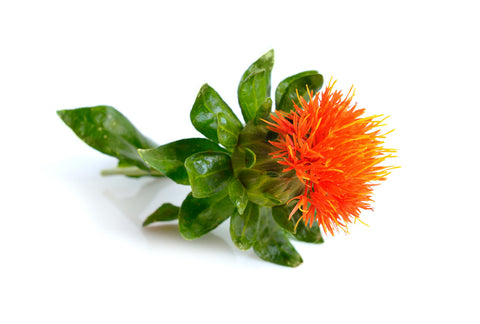
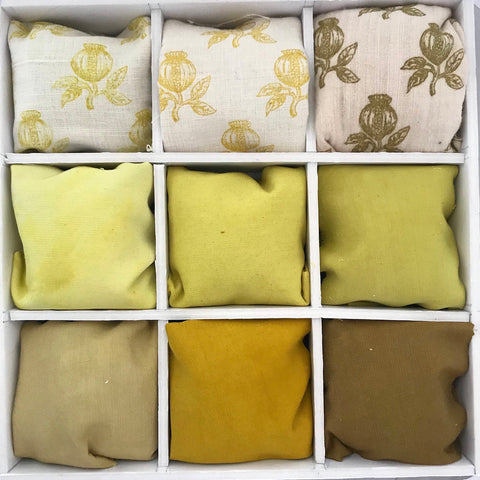
Natural Dye Sources
Examples include:
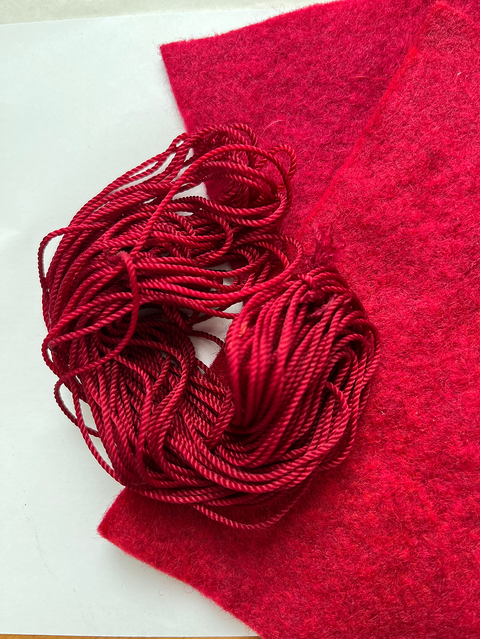
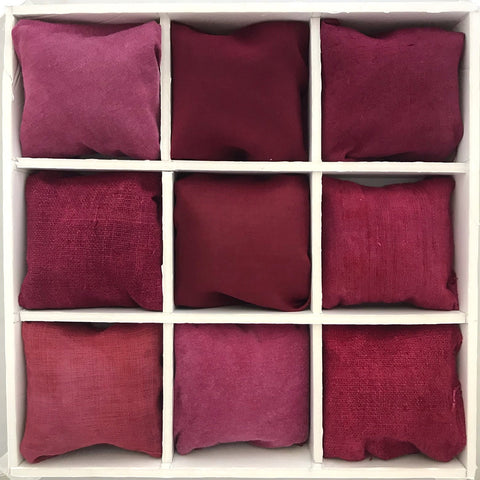
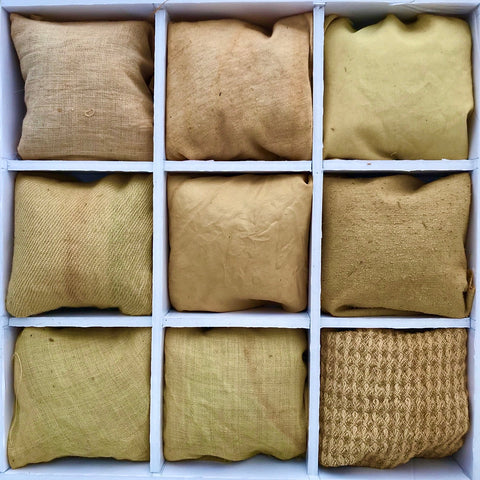
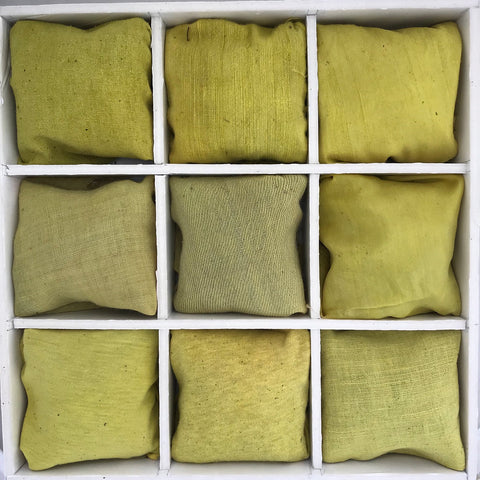
These dyes generally perform best on pre-mordanted fibers, if not for the shade, then at least to improve light- and wash- fastness.

Step 2: What Fiber Are You Dyeing?
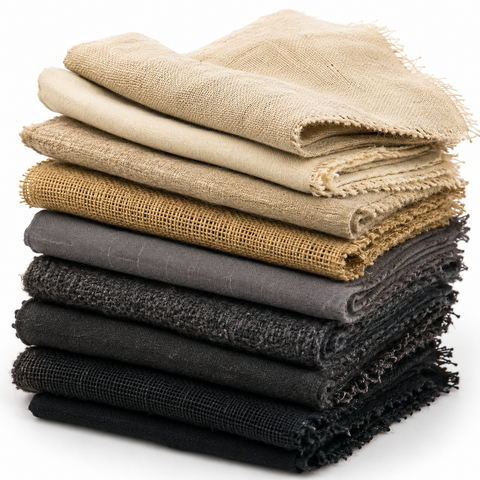
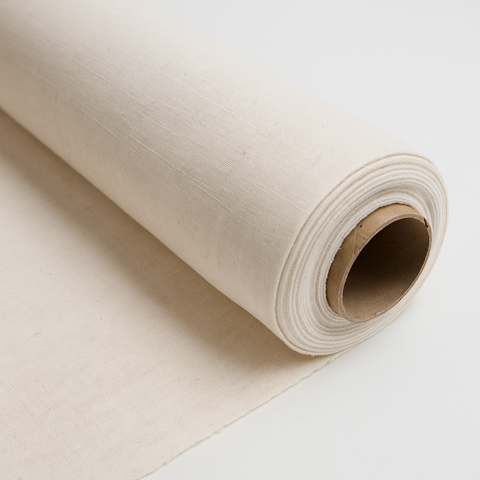
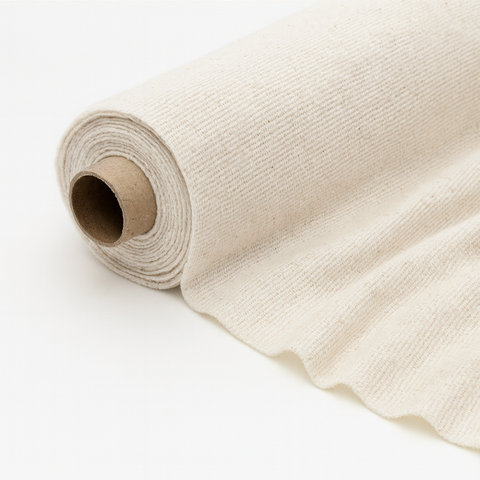
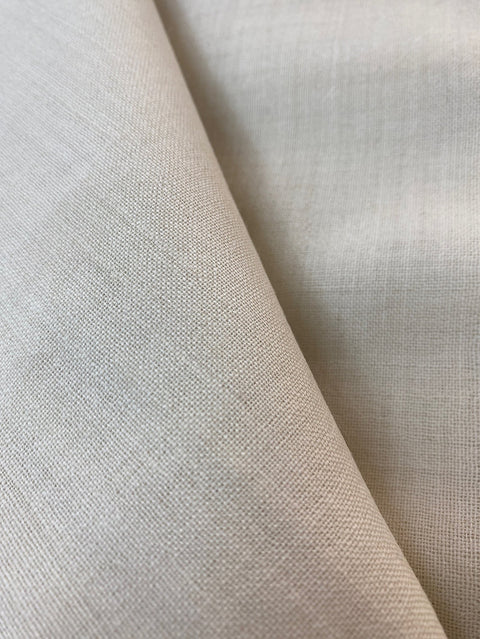
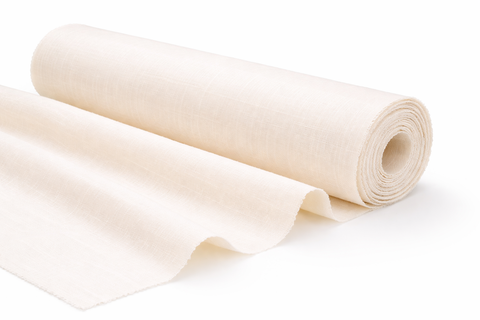
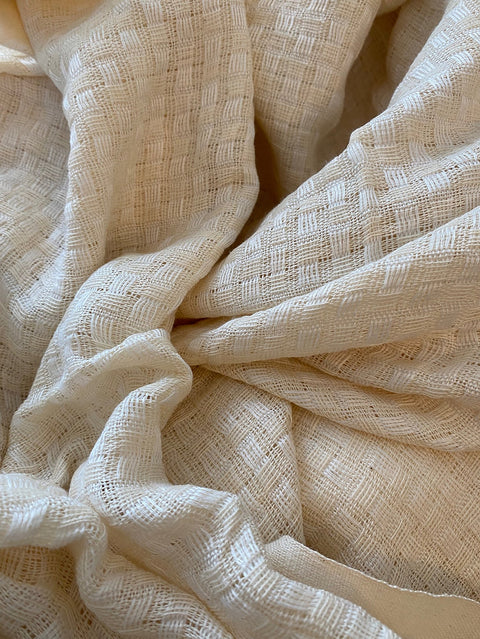
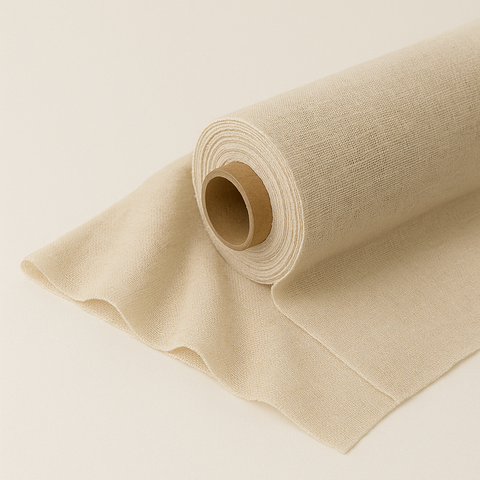
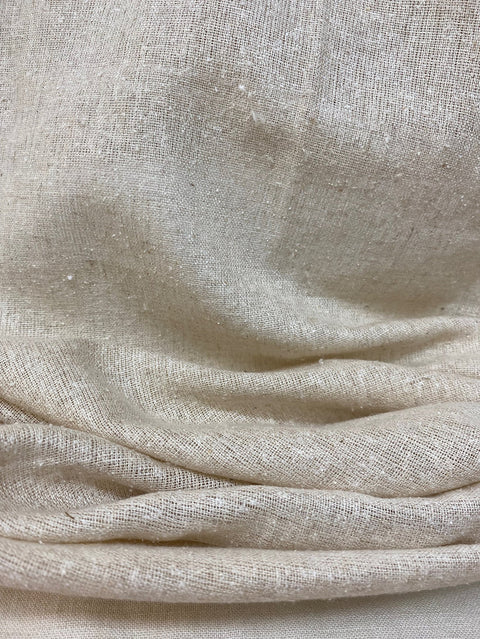
Cellulose Fibers
Including:
For bright colours
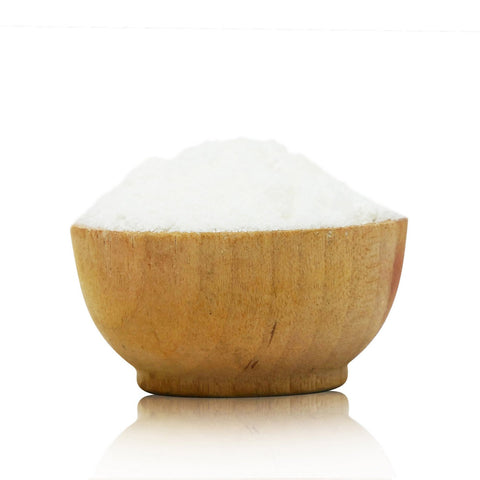
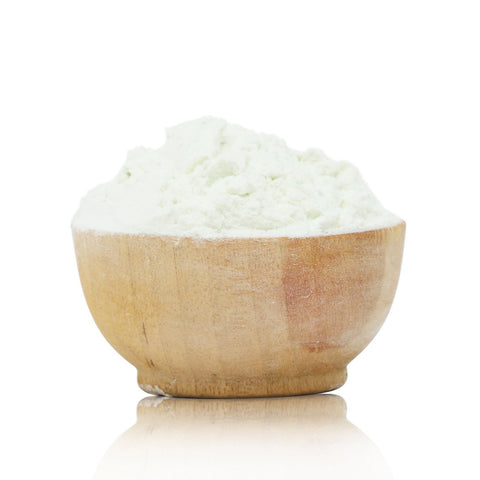
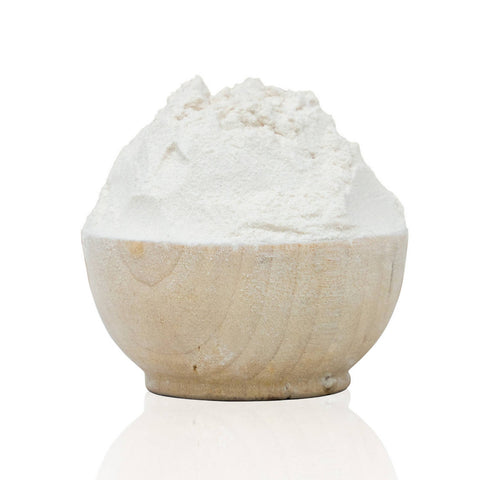
Use an aluminium-based mordant:
-
Aluminium Acetate – 10% WOF
or - Aluminium Triformate – 10% WOF
For darker shades
Use:
- Ferrous Sulfate – 2% WOF
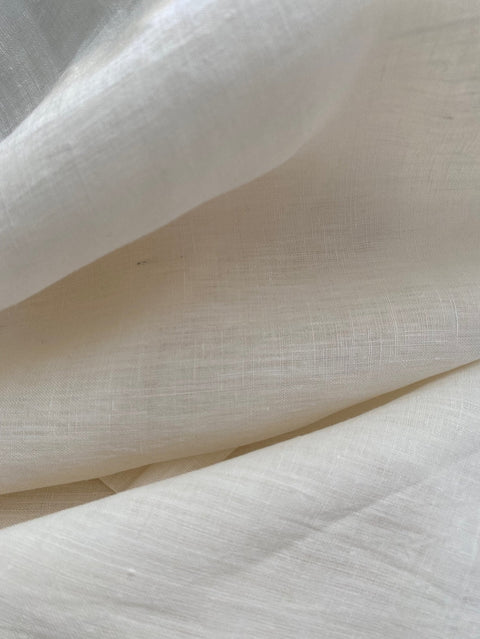
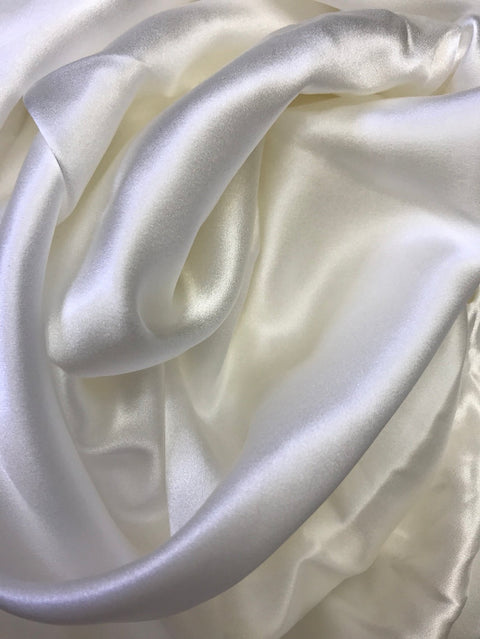
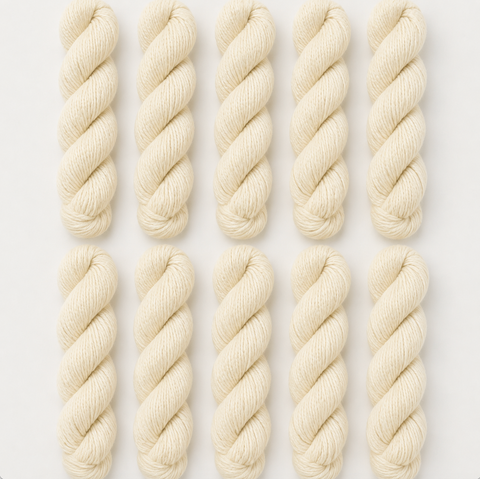
Protein Fibers
Including:
For bright colours
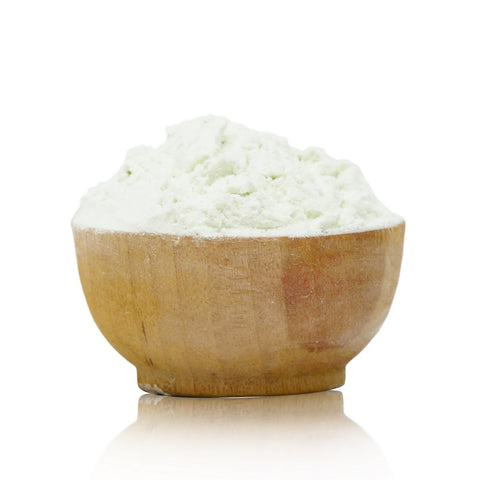
Use:
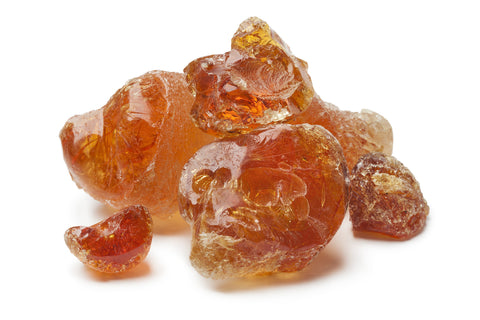
This combination produces clean, bright colours while keeping protein fibers soft and supple.
For darker shades
Use:
Iron shifts colours toward greys, olives, browns and deep charcoals.
Step 3: Want to Mute Your Colour?
Even after dyeing, you can still adjust your final result.
If you're happy with your colour:
✔ Rinse thoroughly and dry in the shade.
If you'd like a softer, moodier palette:
✔ Dip your dyed fiber in a 1% Ferrous Sulfate solution.
Then:
- Rinse thoroughly
- Dry in the shade
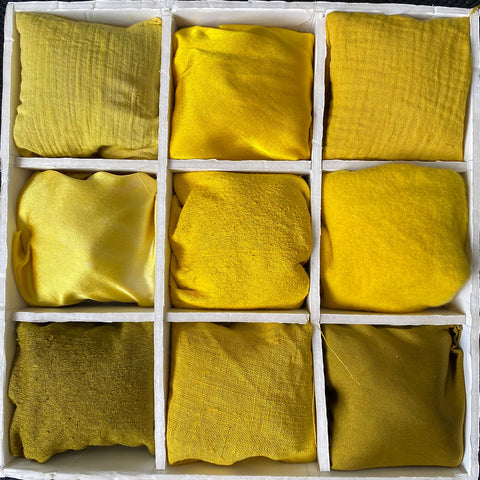
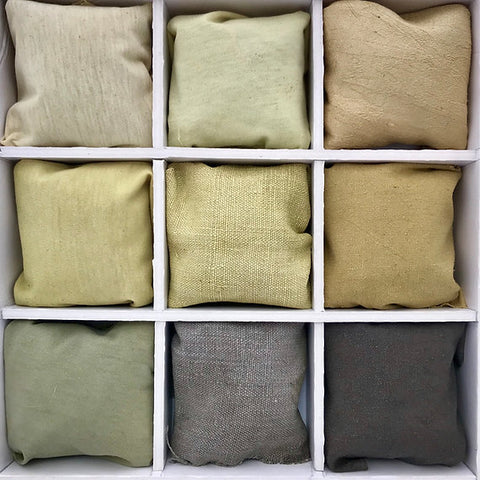
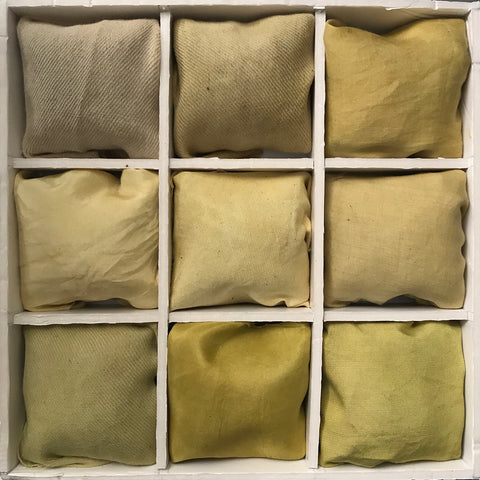
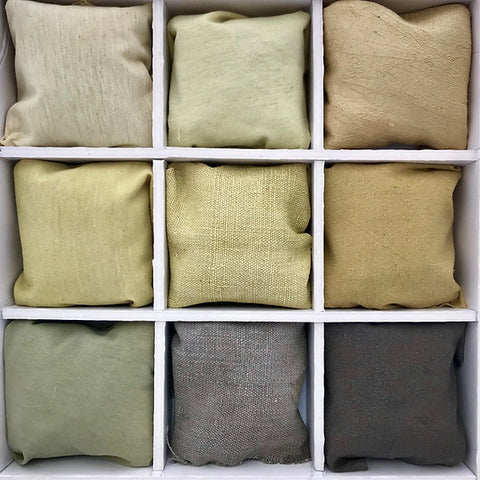
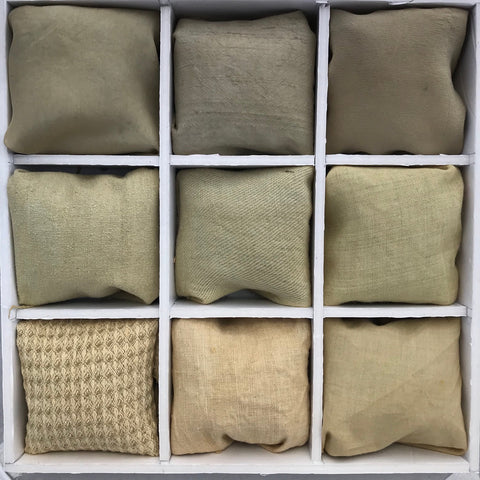
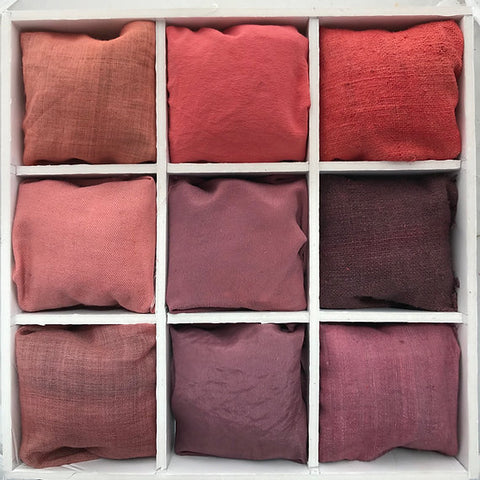
A brief iron dip can transform bright yellows into olive greens, warm reds into burgundy tones, and many colours into elegant muted shades.
A Few Final Thoughts
Natural dyeing doesn't have to be complicated. Once you understand which dyes need a mordant and which mordant works best for your fiber, the entire process becomes much more predictable.
As a general rule:
- Indigo: No mordant.
- Tannins: Optional, depending on the colour you want.
- Most other natural dyes: Mordant first for the best results.
Think of a mordant as a foundation. It prepares the fiber to hold colour more effectively, giving you brighter shades, better durability, and more consistent results.
Happy dyeing! 🌿
2 comments
Thank you Suzanne, very useful. Very generous of you.
Thank you for sharing this wonderful decission tree, gives a quick and percise overview. Love you for it