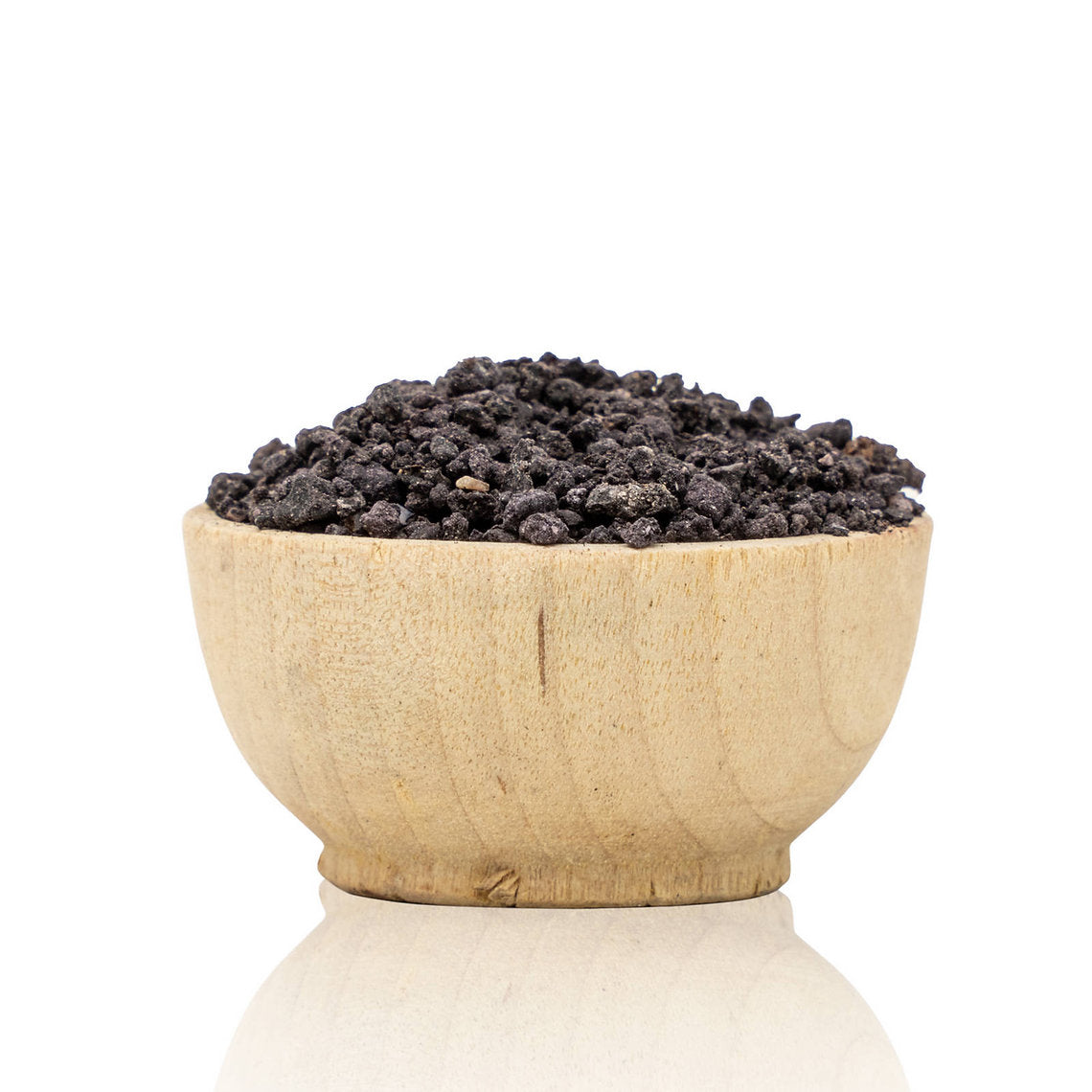
Acacia Extract (Acacia Mearnsii) Organic
From$8.90
Start typing to search products
 Sold out
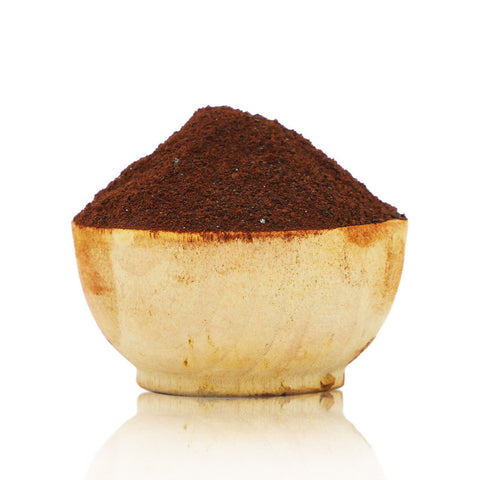
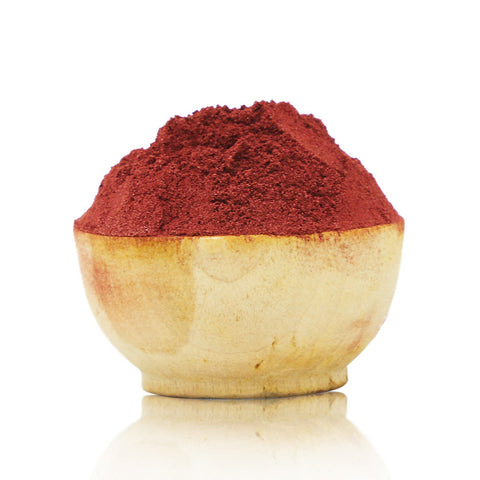
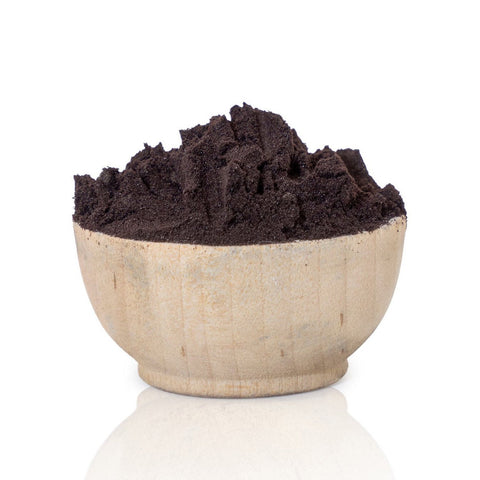
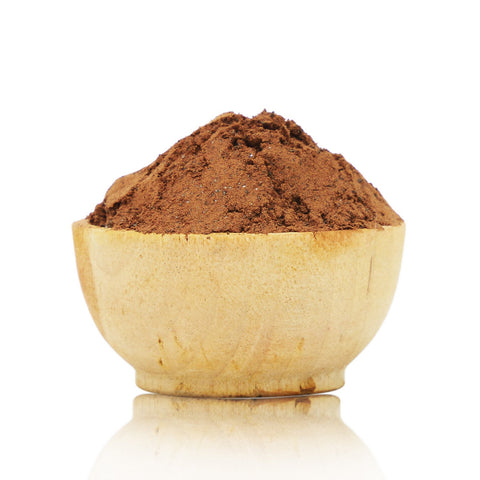
 Sold out
 Sold out
 Sold out
 Sold out
 Sold out
 Sold out
 Sold out
 Sale
Sale
 Sold out
 Sold out
 Sale
Sale
 Sold out
 Sold out
 Sold out
 Sold out
 Sale
Sale
 Sold out
 Sold out
 Sale
Sold out
Sold out
Sale
Sold out
Sold out
 Sold out
Sale
Sold out
Sold out
Sale
 Sold out
Sold out
Sold out
 Sale
Sale
 Sold out
Sold out
Sold out
Sold out
Sold out
 Sold out
Pickup available at eHouse Rishon
Usually ready in 24 hours
Reliable shipping
Flexible returns
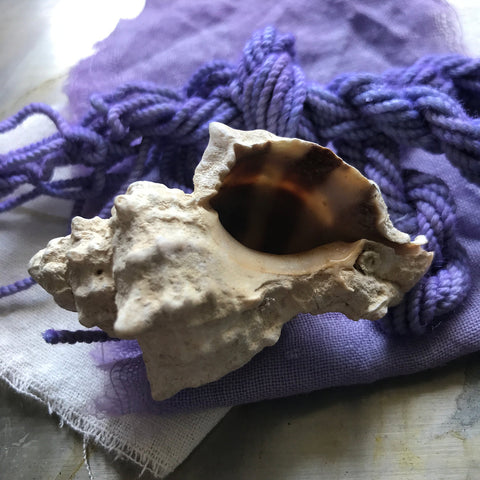
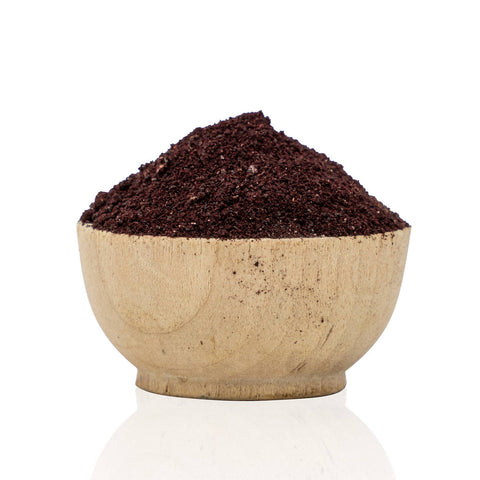
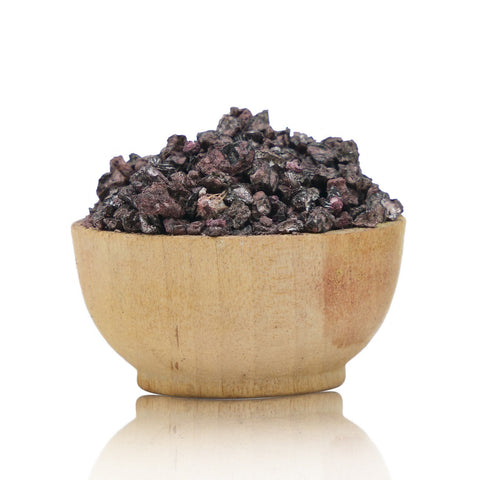
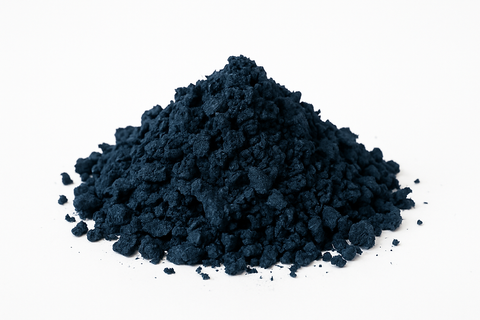
Murex trunculus sea snails have been the source of one of the world’s most precious dyes for millennia. Harvested by hand along rocky Mediterranean coastlines, these snails contain a small hypobranchial gland that produces a remarkable dyestuff.
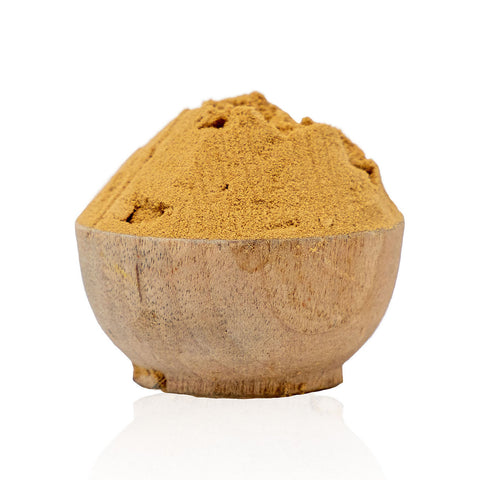
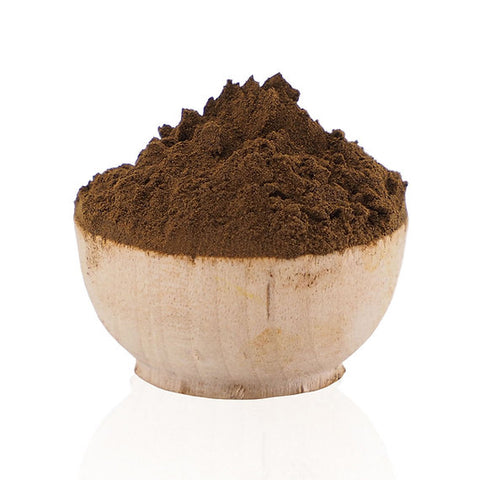
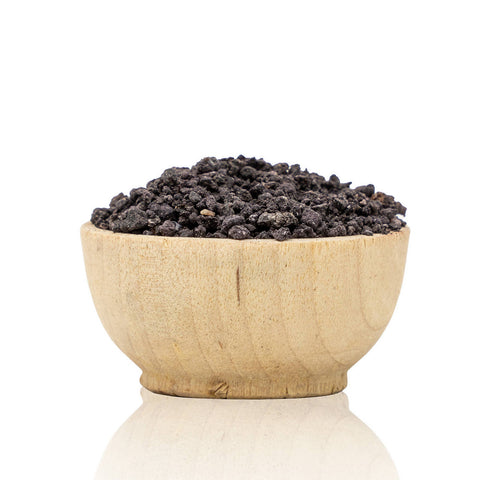
The glands used for dyeing are a by-product of snails eaten locally as a fried seafood delicacy. The tiny glands are carefully removed, dried, and ground to preserve the precious dye precursors they contain.
From this extraordinary source come Tyrian purple and tekhelet blue, two legendary colors of antiquity associated with royal garments, sacred textiles, and priestly traditions throughout the Mediterranean world.
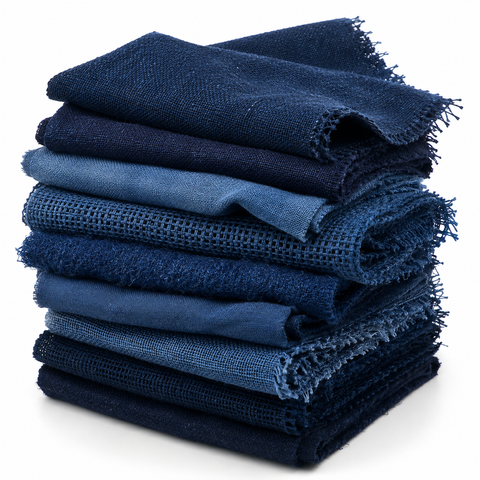
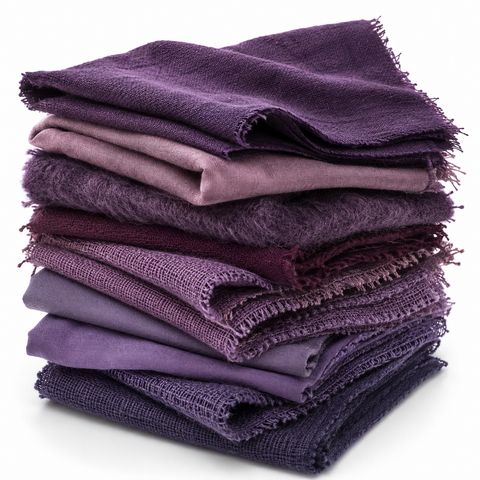
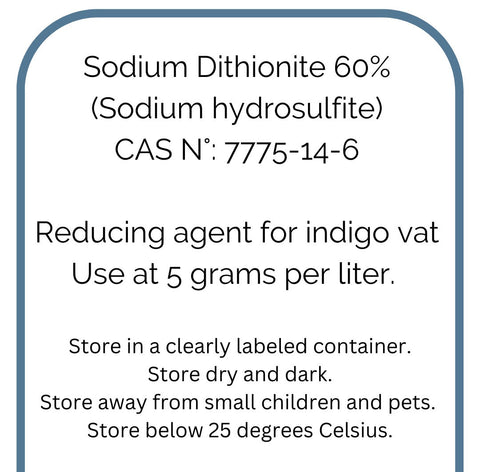
Like indigo, murex dyes require a reduced vat to develop their color. During dyeing the material first appears greenish in the vat, then develops its characteristic purple or blue tones through oxidation in air.
Under typical conditions:
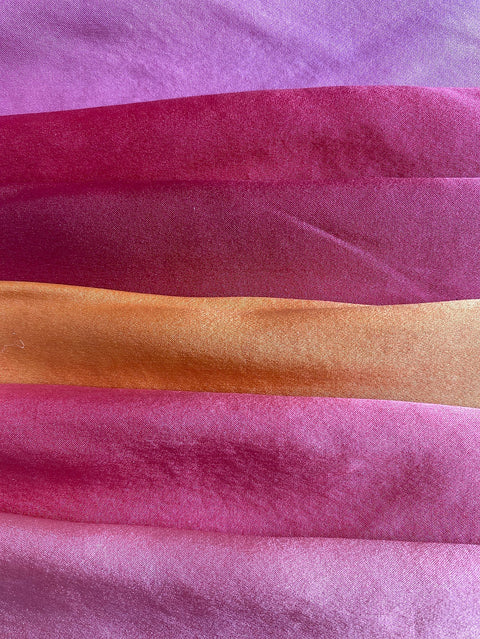
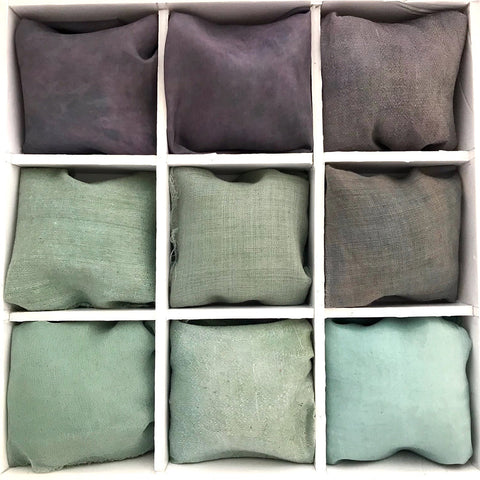
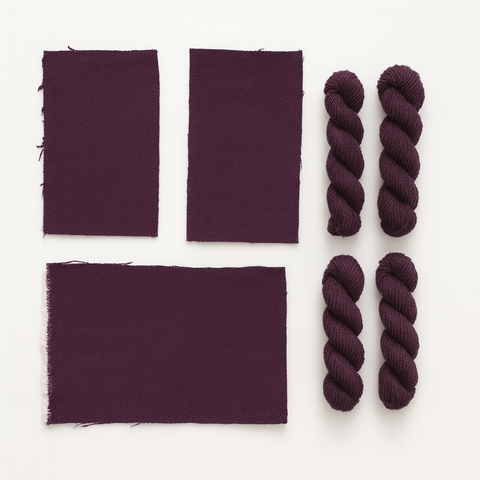
Wool develops rich purple shades
Silk often shifts toward brilliant blue tones
Supplied in small research quantities due to the rarity of the material.
6,6′-dibromoindigo (dibromoindigotin)
indigotin derivatives
CI Natural Violet 1
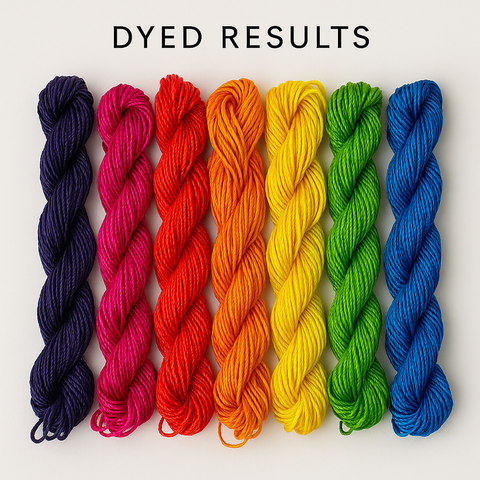
Wool: reduced vat produces deep purples
Silk: reduced vat often produces clear blues
Light modifiers: can shift tones between violet, indigo-blue, and reddish purple
Multiple dips: increase depth and richness of shade
As with indigo, vat chemistry and reduction conditions strongly influence the final color.
Due to the small amount of pigment naturally present in the glands, this material is intended for sample dyeing and experimental work, not for piece dyeing of large textiles.
A 5 g portion typically dyes approximately:
10–25 g of fiber for strong shades
25–60 g of fiber for lighter lavender tones
Results vary depending on vat chemistry, species variation, and dyeing method.
For best results, dye small skeins or swatches rather than large pieces.