

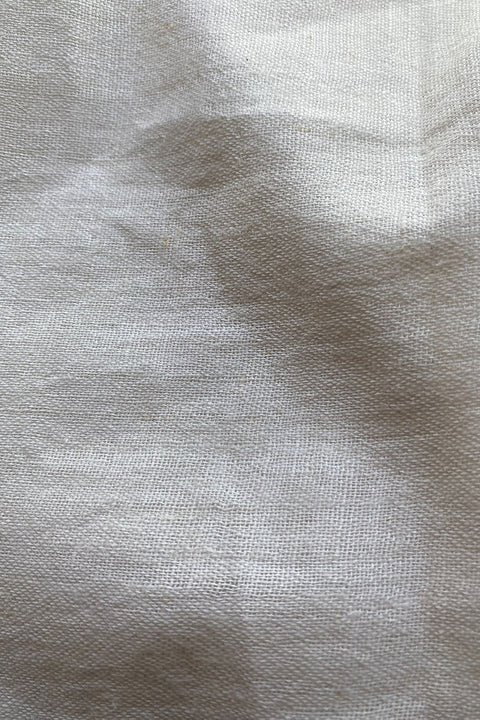
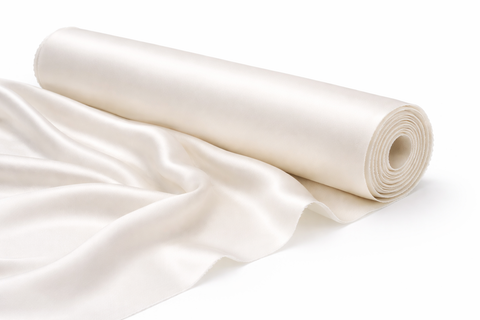
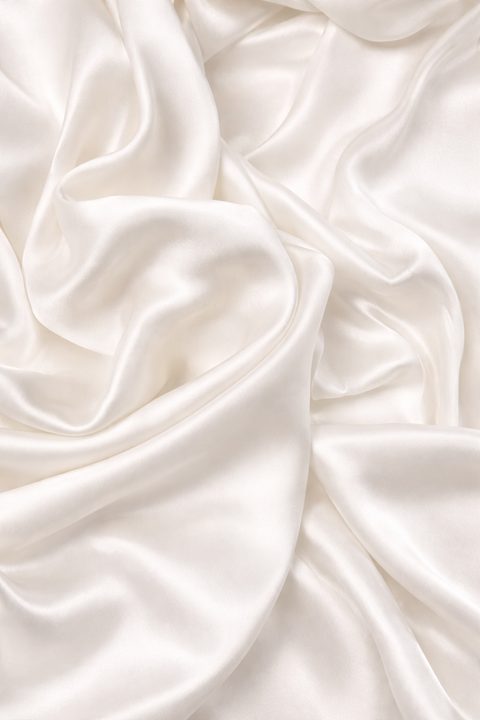
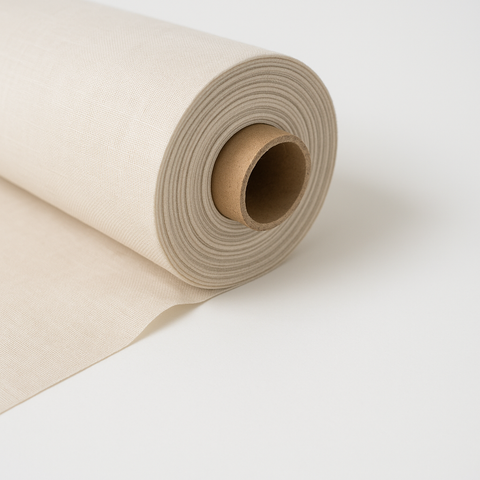
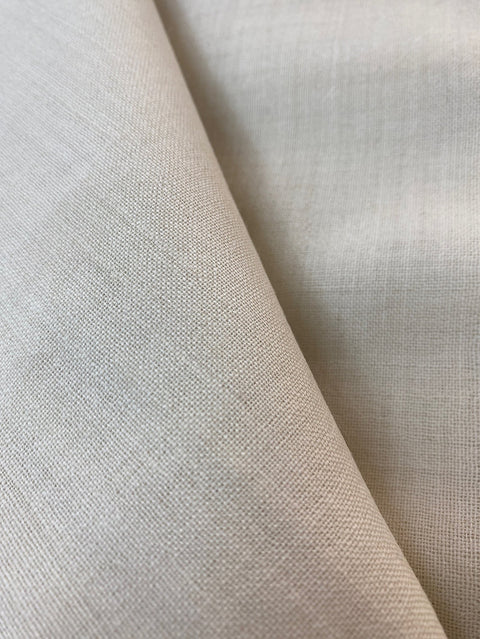
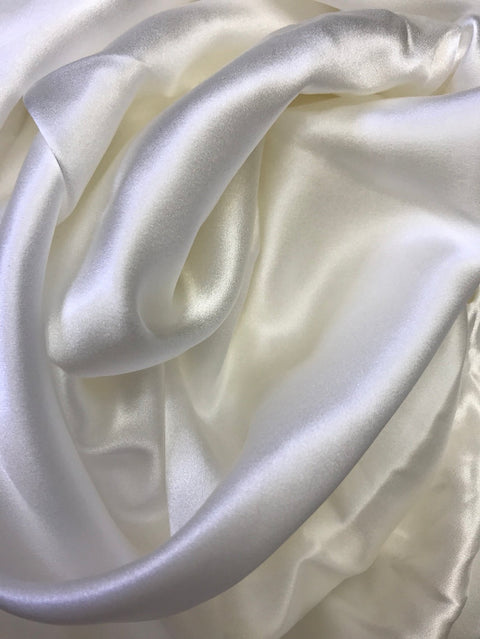
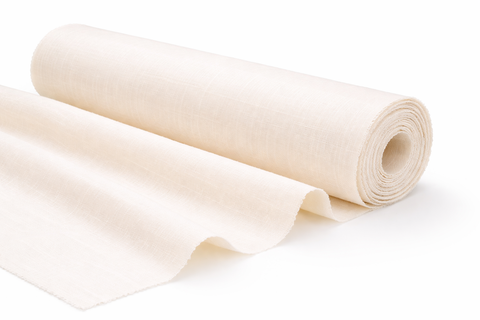
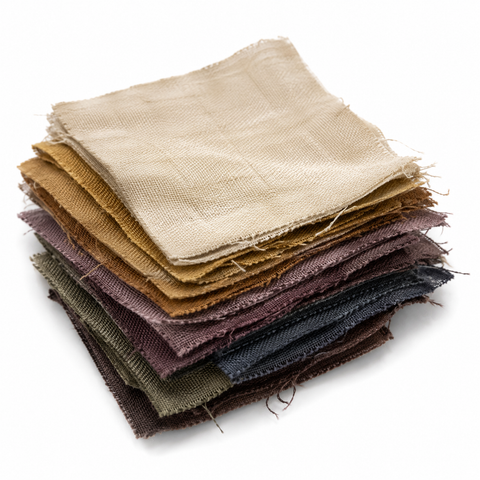
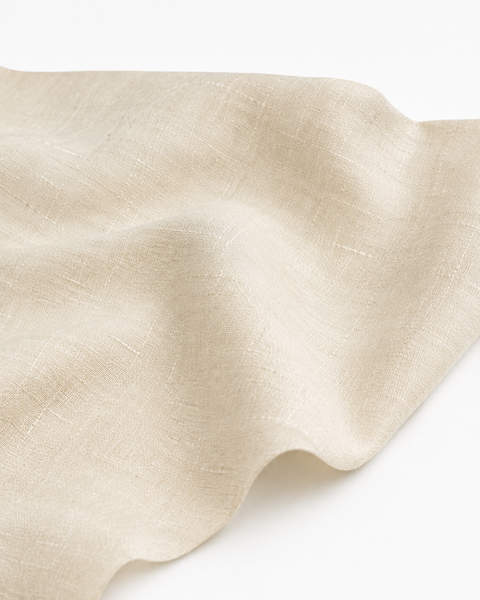
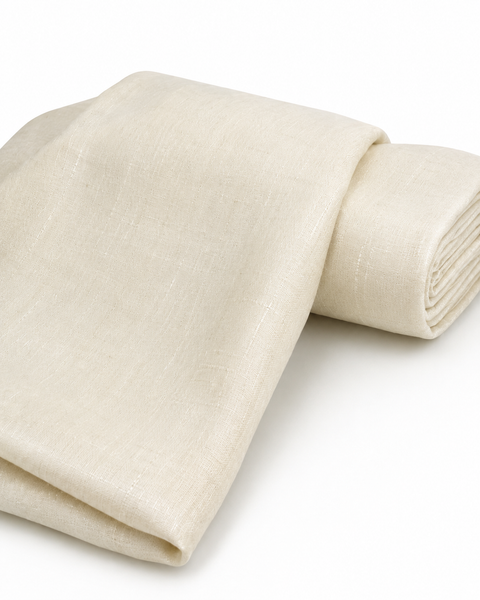
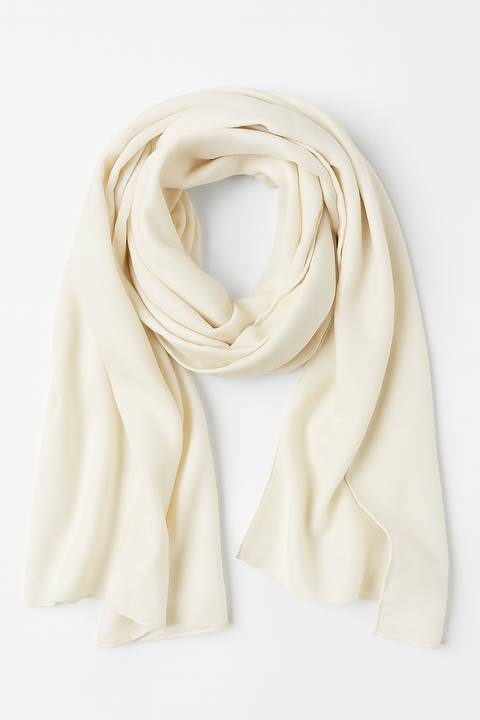
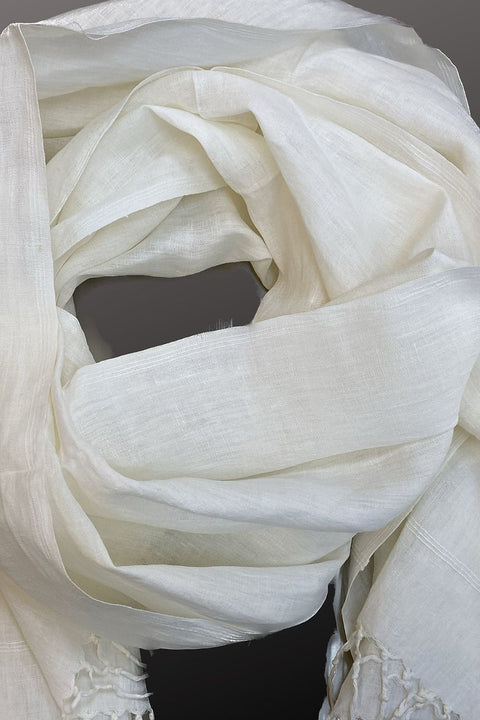
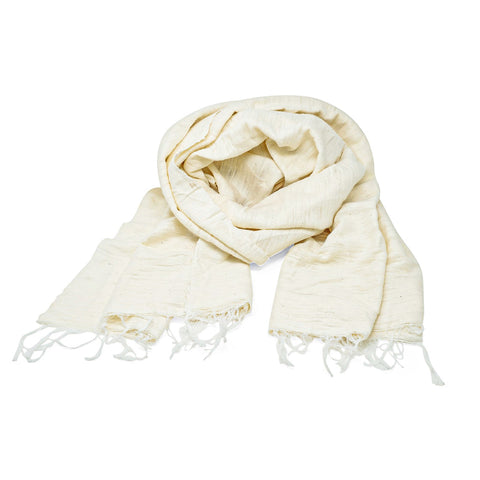
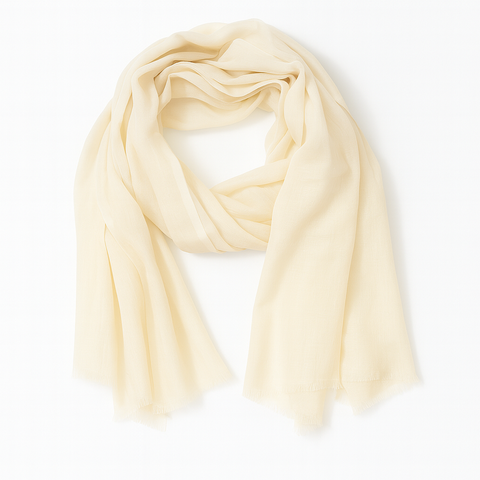
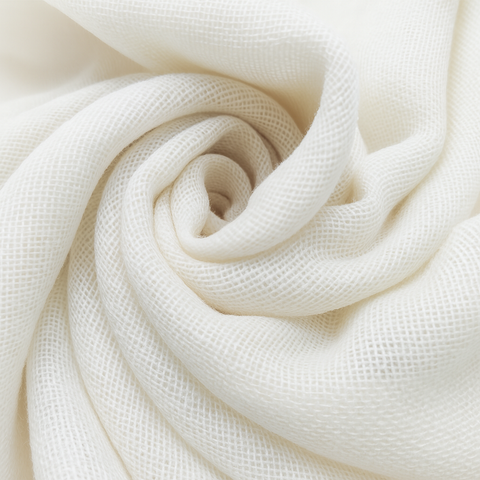
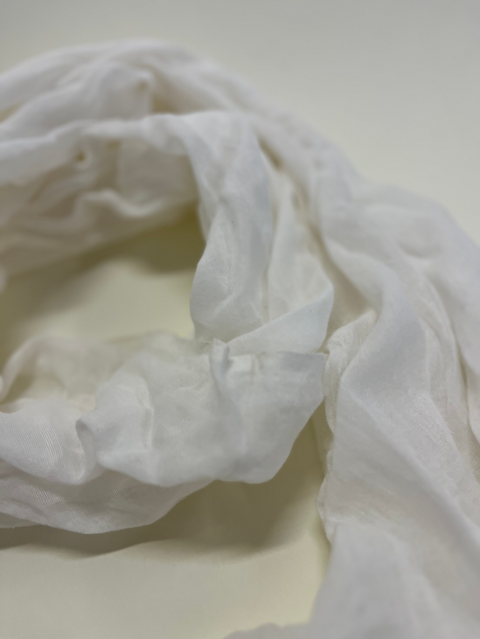
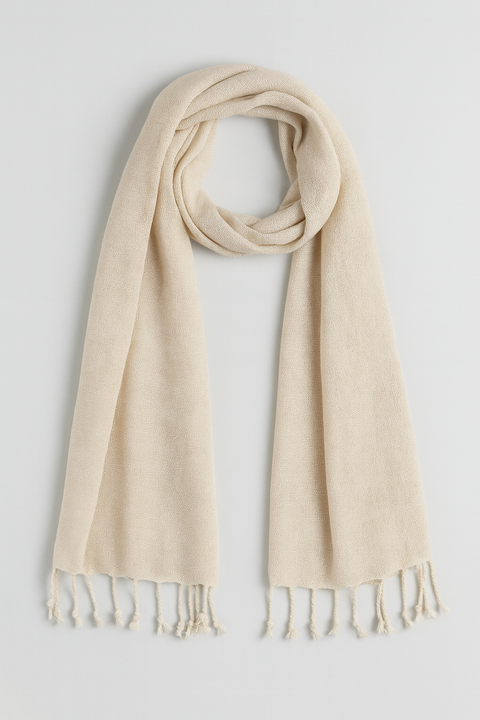
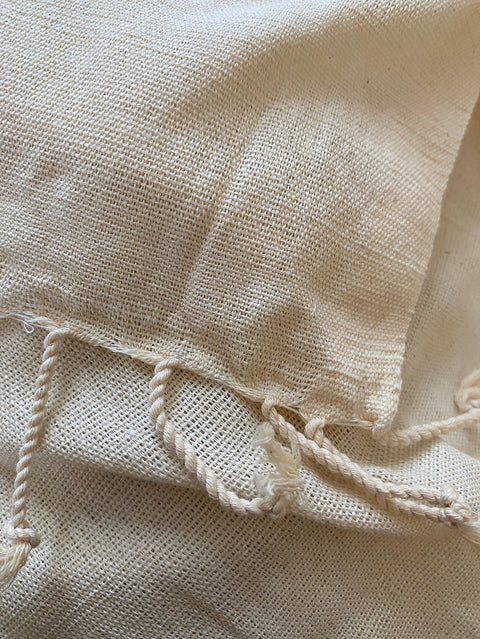
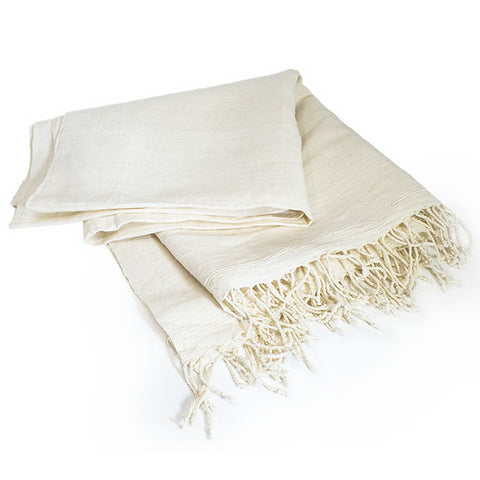
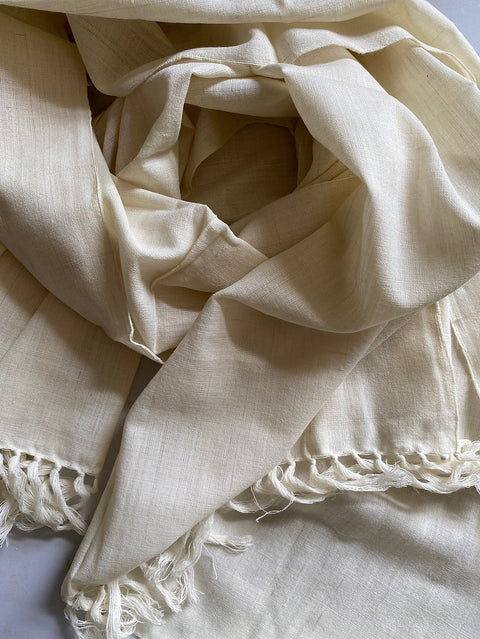
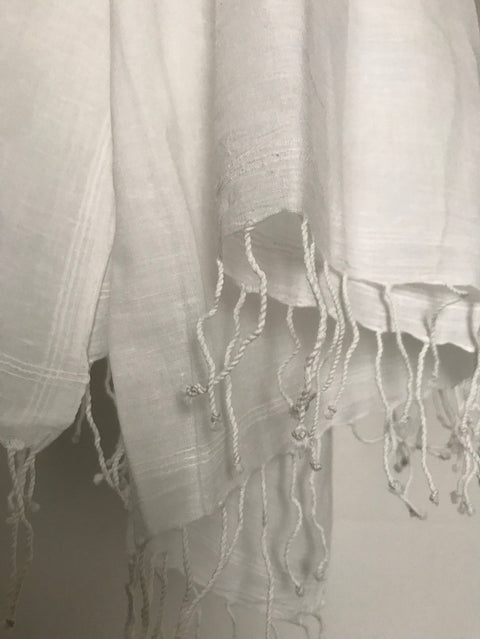
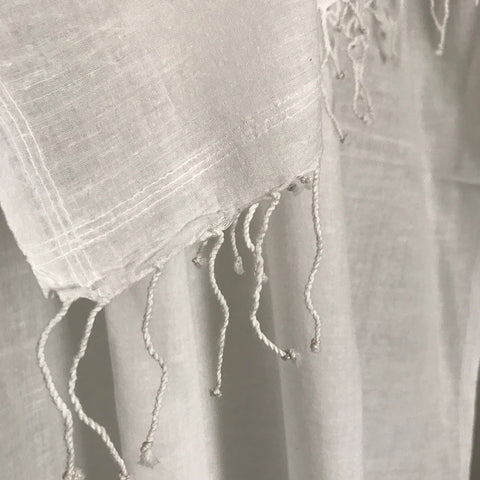
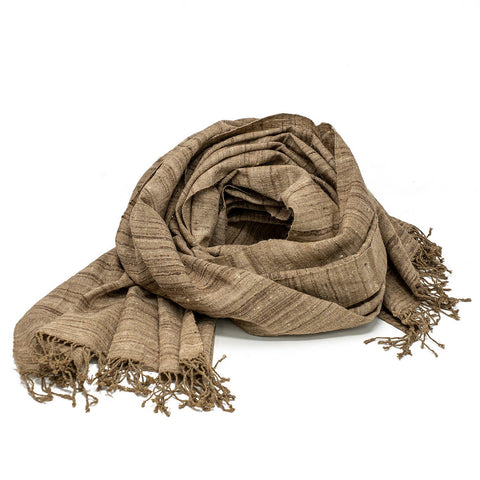
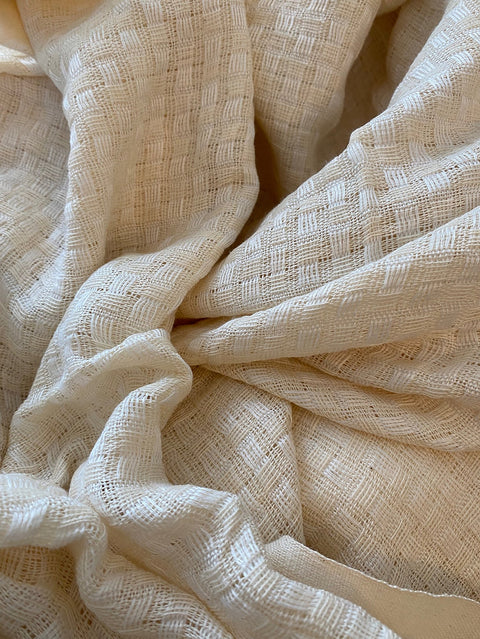
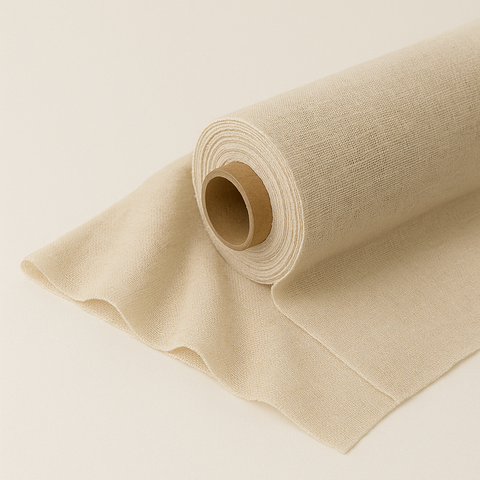
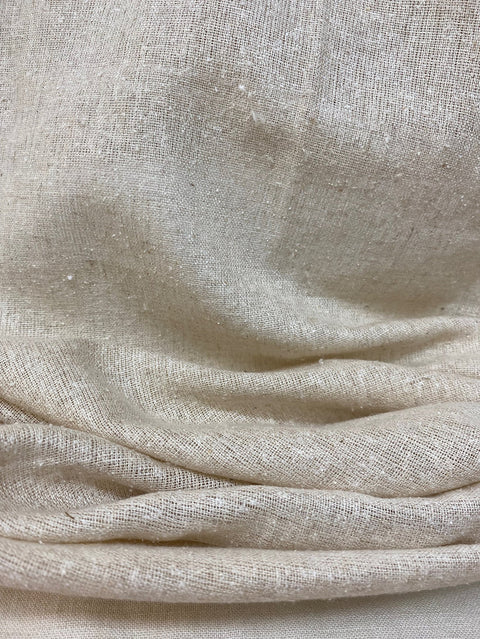
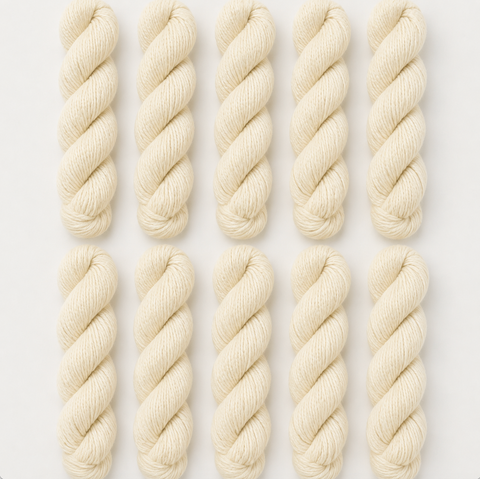

Beaucoup a été dit sur la durabilité des différentes fibres, et la soie a eu mauvaise réputation ces dernières années avec de grandes entreprises comme ASOS interdisant la soie dans leurs collections sous la pression d'organisations comme PETA. La facilité avec laquelle les entreprises de mode ont retiré la soie de leurs collections m'a immédiatement fait penser que ce serait une manière facile de remplacer la soie par des substituts bon marché, brillants et très nuisibles pour l'environnement comme le polyester.
Nous devons distinguer entre ethical (est-il acceptable de porter des matériaux d'origine animale), et sustainable (la soie est-elle meilleure ou pire que d'autres fibres?). Ce que nous choisissons de porter, d'acheter ou de manger est en fin de compte un choix personnel. Il convient toutefois de mentionner que pratiquement tout produit implique son propre ensemble de compromis éthiques.

Quelques faits et chiffres
- A filament from one cocoon can measure 600-900 meters.
- La soie est une fibre protéique naturelle produite par les larves du ver à soie.
- Il existe plus de 500 espèces de vers à soie sauvages dans le monde.
- La soie est la seule fibre filamentaire naturelle.
- A filament from one cocoon can measure 600-900 meters.
- La production de soie représente moins de 0.2% du marché mondial des fibres.
- La soie peut soit être déroulée soit être filée, selon la manière dont le ver à soie quitte le cocon.
- La soie est divisée en deux types ; domestique (mûrier) et soie sauvage (mugs, tassar, eri).

The silk industry has traditionally always been an agro-based cottage industry in many countries, and in these counties, this sericulture is an important part of local culture.
Worldwide more than 600.000 tons of silk is produced per year.
China produces more than 60 % of the world's silk per year, with over 400.000 tons of production per year. Most of this silk is industrial and not part of a cottage industry. Work conditions and production processes in this industry are infamously vague and it is very hard to get real numbers.
- India comes second with around 160.000 tons of yearly production, most of which is wild grafted peace silk.
- Uzbekistan is the third-largest producer of silk, with around 18.000 tons of production per year.

Countries with large traditional silk sericulture are:
China
India
In total there are over 25 countries that still produce silk as a real part of their economy. (source)
In Madagascar a silk project has been set up to protect the rainforest, other countries like Rwanda also explore silk as a possible export crop that can stimulate local economy,

La sériciculture comme une source solide d'emploi.
En Inde, la sériciculture de la soie est pratiquée dans over sixty thousand villages. Just in the state of Karnataka alone, more than nineteen thousand villages raise silkworms for the silk industry. This business is providing employment to roughly 6 million people in those rural areas of India that otherwise do not have many economical opportunities. It is calculated that the silk production from the cultivation of mulberry trees to the weaving process on just one acre of land, creates as many as 1000 days of employment.
In most other silk-producing countries the situation is similar: sericulture creates low-stake (minimal investments) employment in rural areas that are otherwise not endowed with many employment opportunities. Moreso: a high percentage of the people working in sericulture is female, and this is helping women become players in the decision-making process. Taking that away will cause a large gap in income and status that is not easily filled with any alternative.
Is silk eco-friendly?
La réponse est : ça dépend. Une production industrielle de soie n'est pas du tout écologique. Elle utilise des tonnes d'eau (pour la culture des mûriers, le déroulage et le dégommage) et de l'énergie (maintenir des températures contrôlées, chauffer l'eau utilisée pour le déroulage et le nettoyage, et de l'air chaud pour sécher les filaments et les tissus).
Ce n'est pas le cas dans l'industrie artisanale : ici les vers grandissent en plein air, et ils mangent ce qui est disponible. Les mûriers sont cultivés dans des zones qui autrement ne sont pas adaptées à la culture. Le traitement de la soie dans cette sériciculture artisanale est notoirement peu technologique et n'utilise même pas d'énergie dans la plupart des étapes. Il n'y a pas de déroulage dans l'eau (la soie est filée) et le filage et le tissage sont faits manuellement.
Water use
If we look at the water-use in the silk industry these are the rough numbers:
- To produce just one conventional cotton shirt (approximately 140 grams) requires approximately 3000 liters of water.
- The water footprint of one handwoven silk shirt is 376 liters.
- An organic linen shirt is your best option when it comes to water footprint: 33 liters of water on average for one shirt.
Environmental Pollution
No doubt that when it comes to pollution, silk is one of the most environmentally sound options available. No pesticides are used on the mulberry trees, which we surely can not say about the cotton industry. Silk is a circular and zero-waste fabric. It is a renewable resource, it is completely biodegradable, and the production process uses less chemicals, and energy than many other fibers.
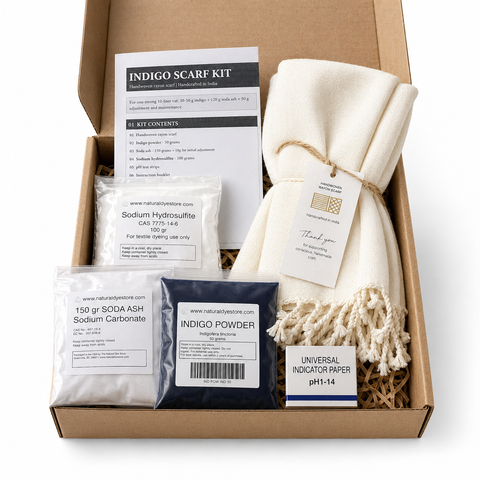
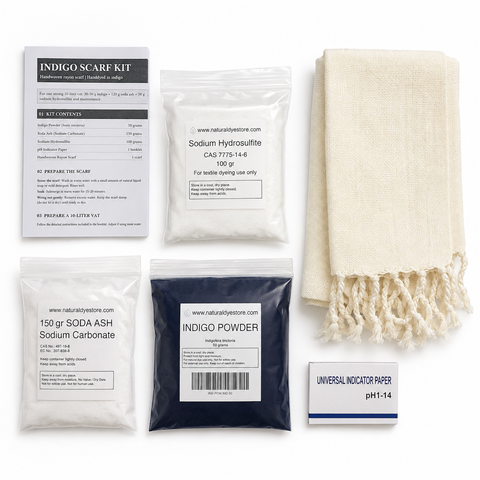
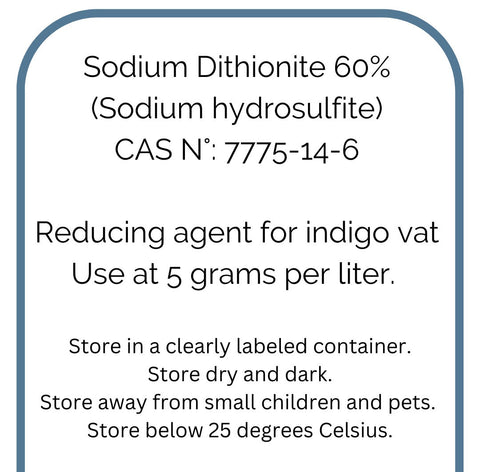
The biggest pollution takes place during the degumming and bleaching stage of production. The use of sulphur dioxide, sodium hydrosulphite, and sodium or zinc sulphoxylate formaldehyde is in itself not the biggest issue, but the uneducated use of it without proper protective gear, and the uncontrolled disposal of waste water is.
For comparison: cotton growing typically use many hazardous pesticides like aldicarb, phorate, methamidophos and endosulfan. In cotton processing we see the use of ammonium sulfate, hydrochloric acid, benzidine, and oxalic acid.

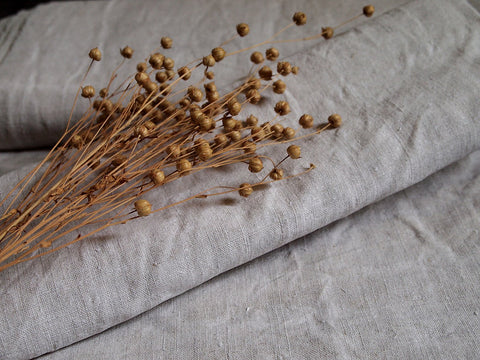
Le lin est traditionnellement vanté comme la fibre la plus respectueuse de l'environnement. Mais l'essor actuel de l'utilisation du lin fait que de plus en plus de producteurs utilisent des engrais et l'irrigation pour accélérer le processus de croissance, et des alcalis puissants pour réduire les temps de rouissage. Mes enfants diraient : 'this is why we can't have nice things'.
Labour issues
there have beentanks about the silk industry and labour circumstances, but here is my but: there are labour circumstance issues in the entire fashion industry (Bangladesh sweat shops anyone?). The only way to avoid it is by buying fair trade, GOTS etc and working with suppliers whom you know are responsible. When you are buying industrial, cheap mill silk from China, you must know that there have been short-cuts somewhere along the production line.
What are the alternatives to silk?
During the late 19th century, viscose/rayon was developed as a silk substitute. This man-made cellulose fiber is produced from wood pulp. While this sounds attractive, you should now that viscose processing is one of the most polluting industries in the world because it requires highly toxic chemicals and the regenerative-ability of the wood source is doubtful.

Banana silk, lotus silk, rose silk etc, are all new buzzwords for the same viscose process made from different sources. If it is not certified with OEKO tex or GOTS there is absolutely no traceability.
Polyester leaks microplastics into the water and it is not biodegradable. Factories producing polyester without wastewater treatment systems can release dangerous materials like antimony, cobalt, manganese salts, and sodium bromide into water streams.
Choosing your silk:
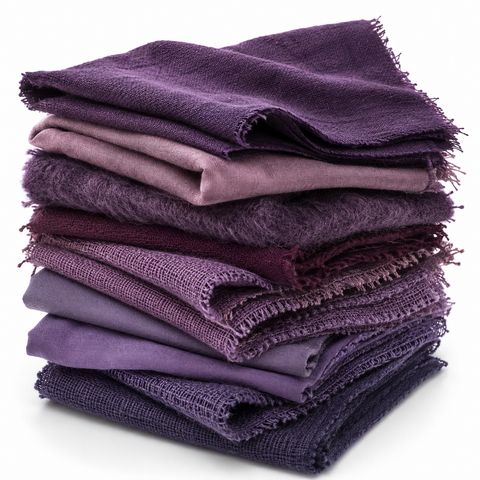
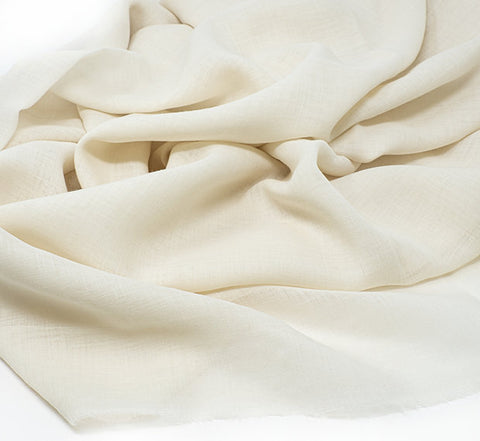
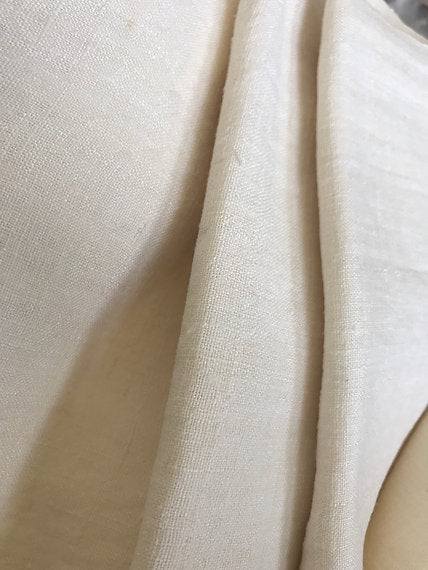
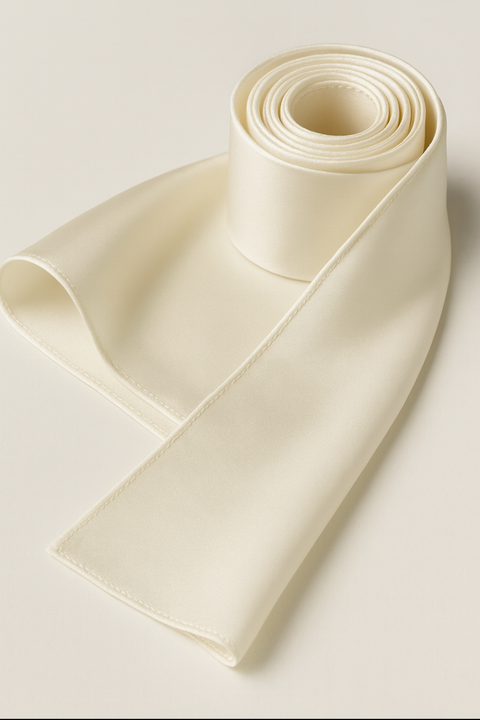
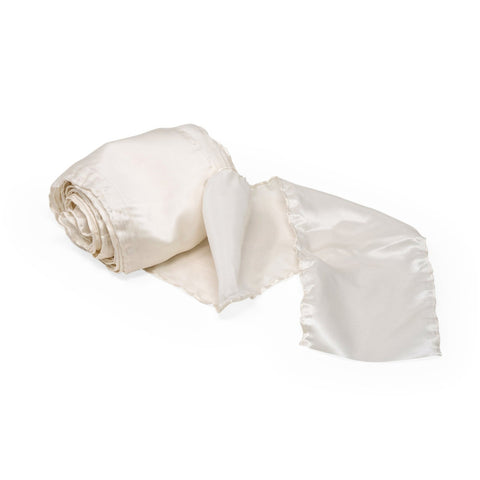
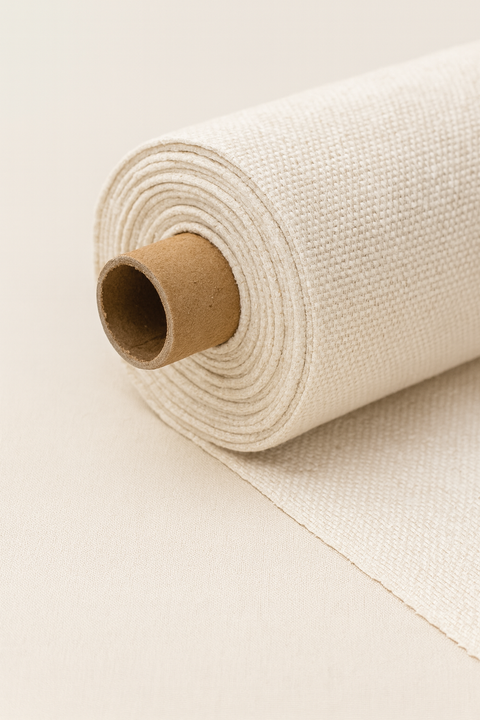
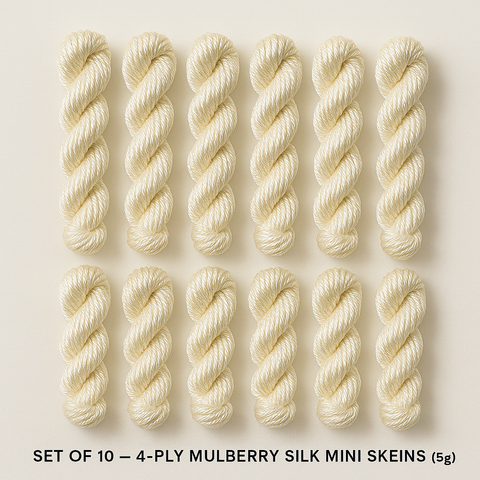
For me personally, silk is my most beloved fabric together with linen. It is durable, feels amazing and it is a joy to dye and print with. To make sure am getting the best silk that also leaves me with a clear conscience, I prefer handwoven silks from solid, reliable sources, with a fair-trade label. If they are unbleached or half bleached it is even better.
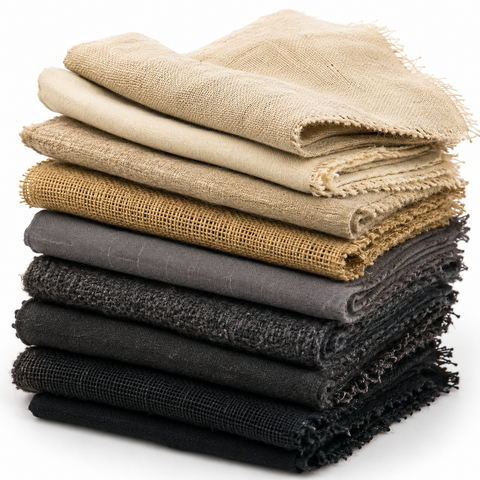
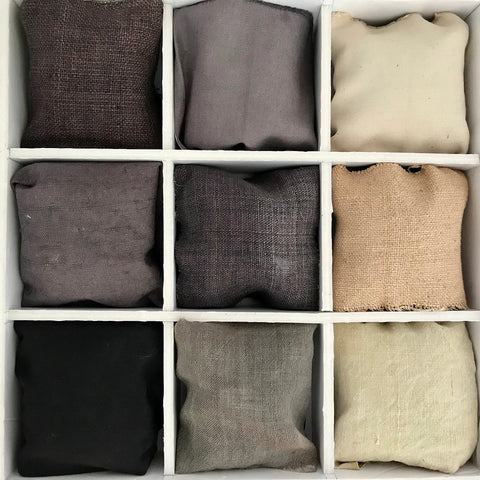
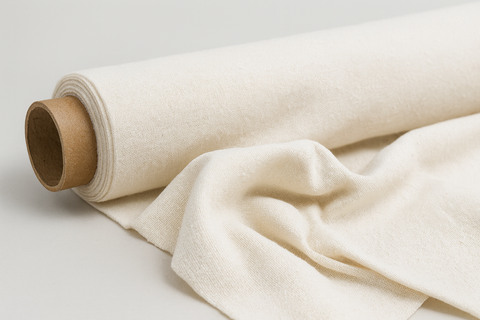
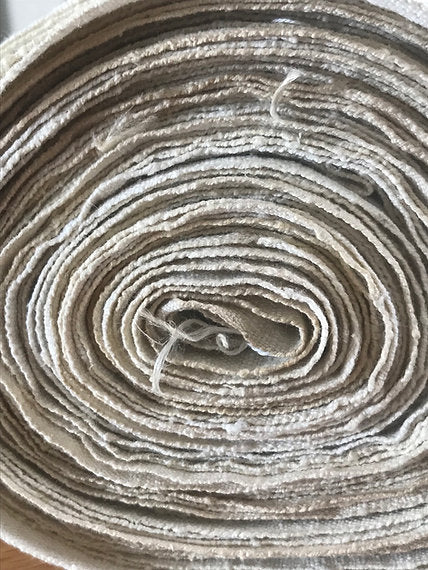
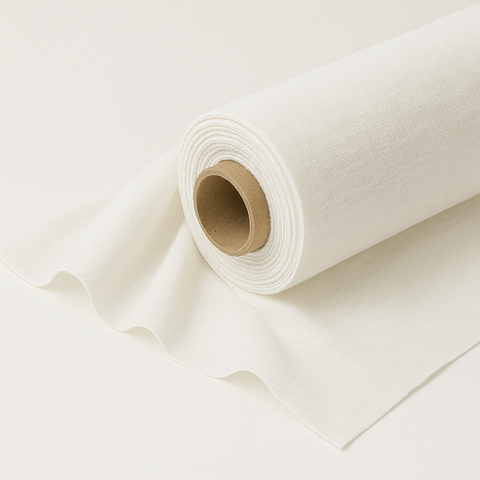
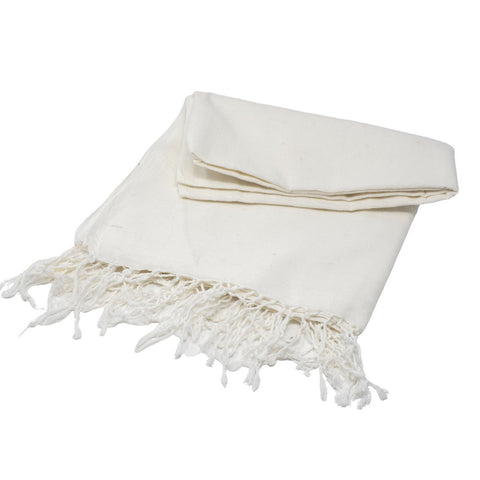
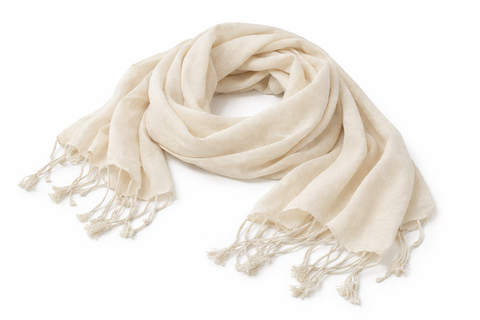
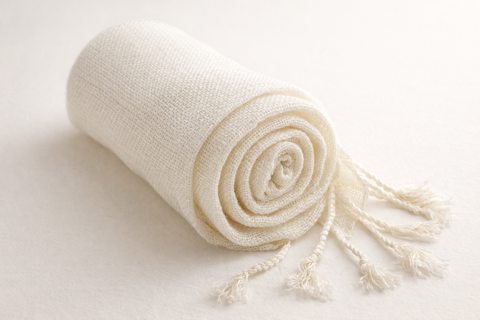
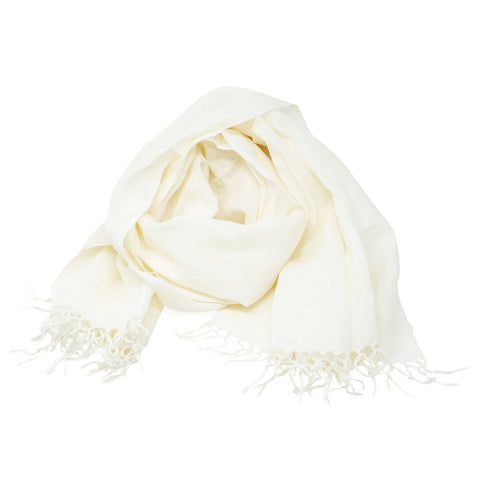
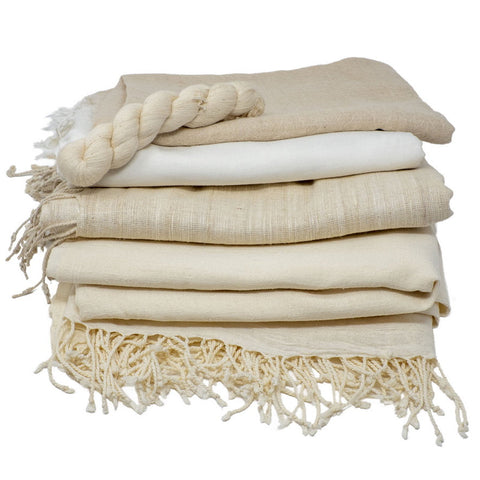
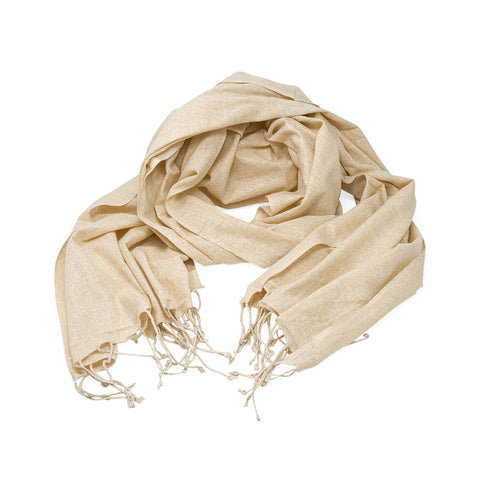
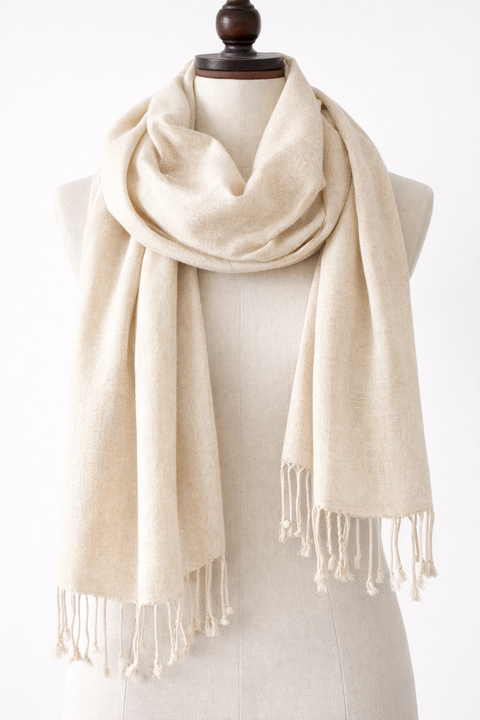
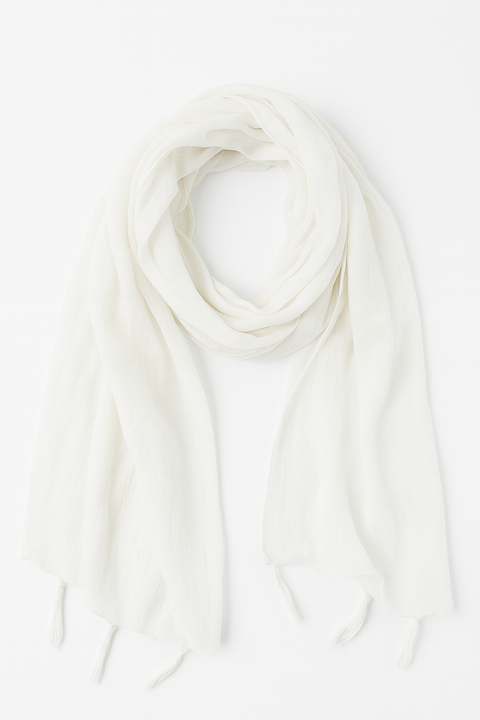
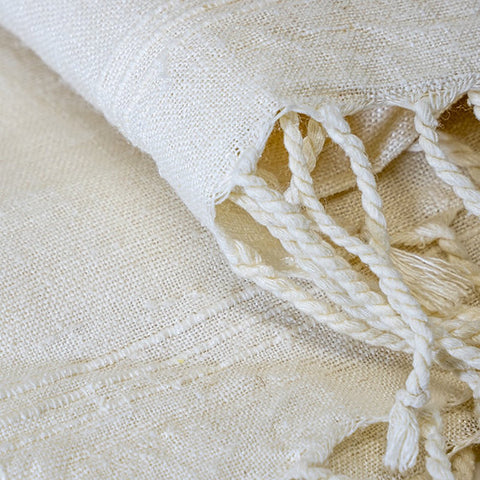
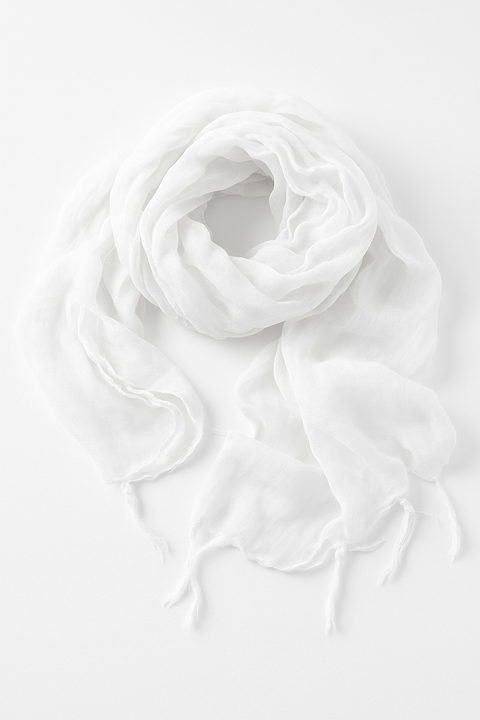
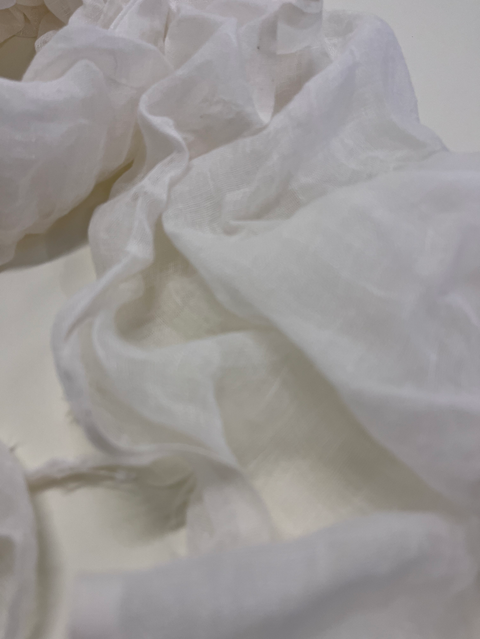
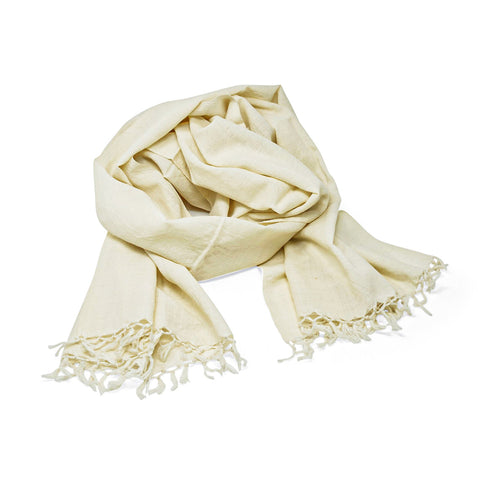
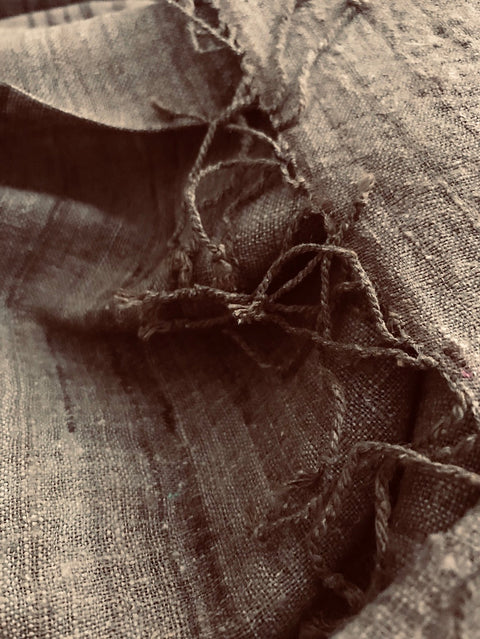
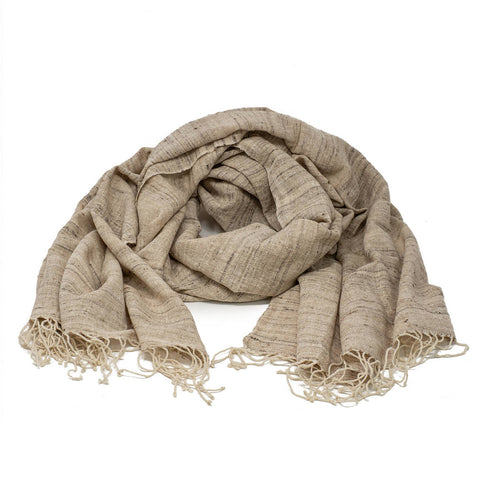
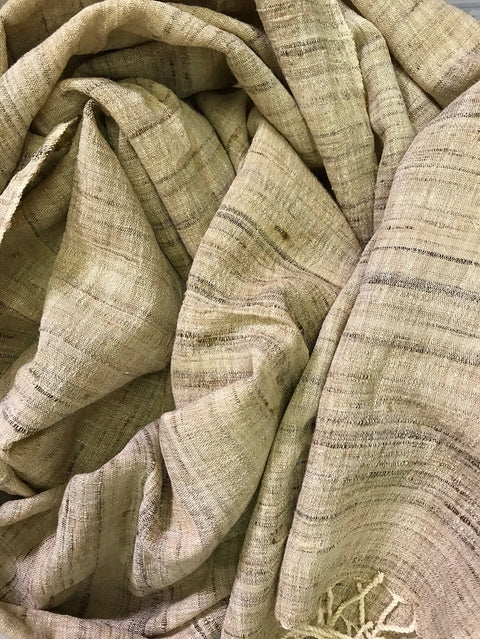
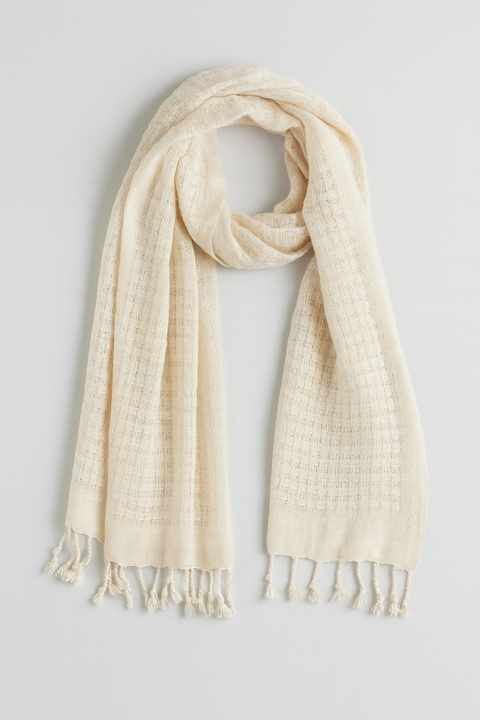
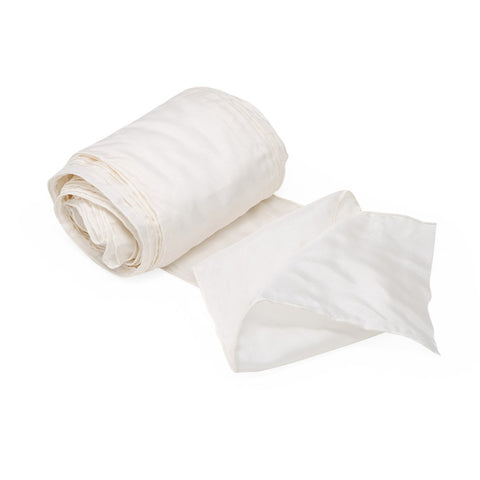
I highly recommend the handwoven matka silk, silk noil and bulbul silks you can find here.
0 commentaire