
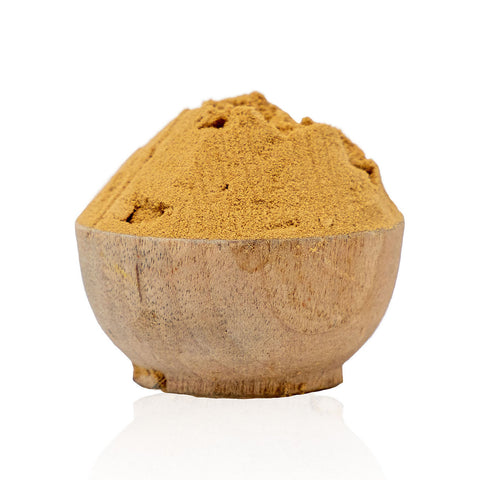
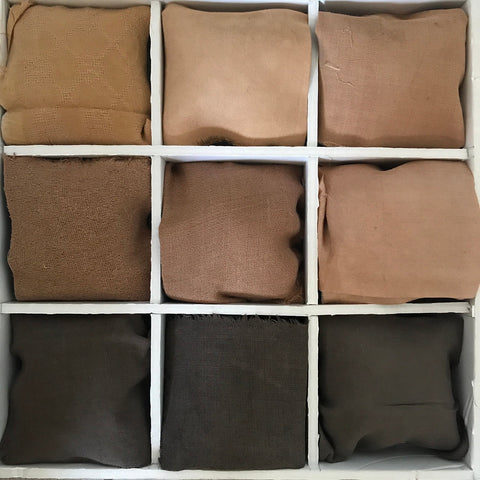
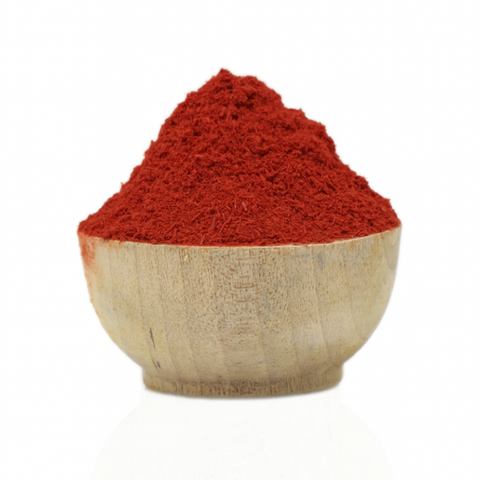
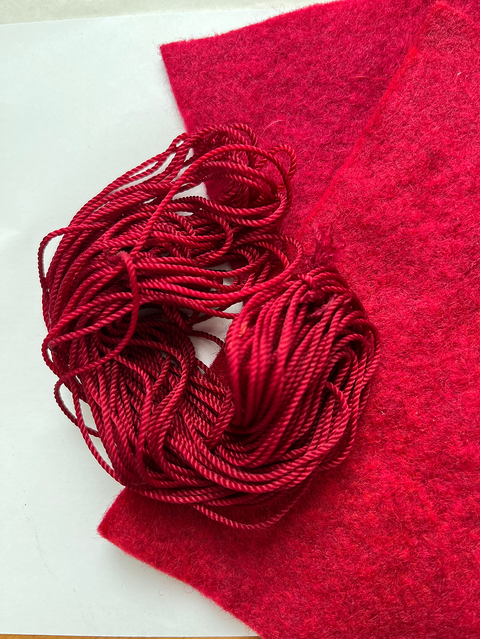
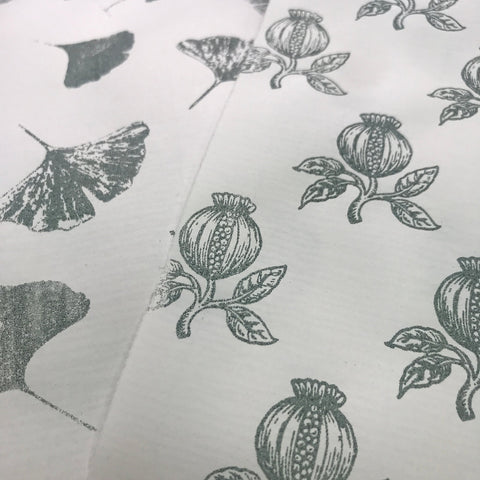
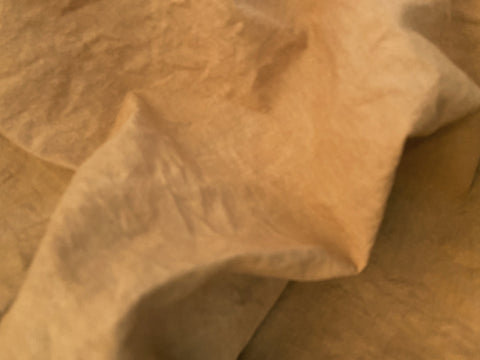
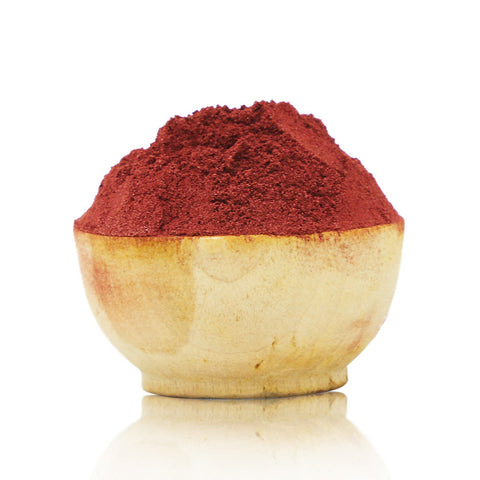
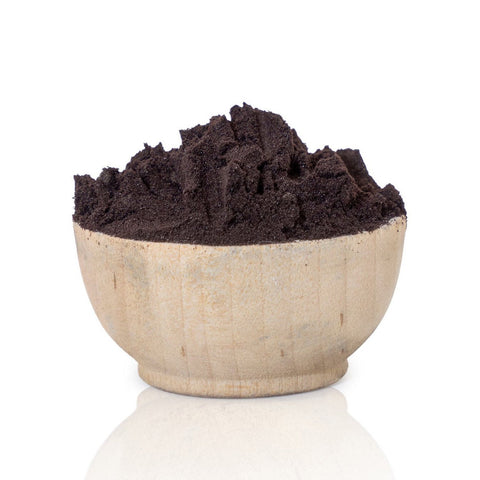
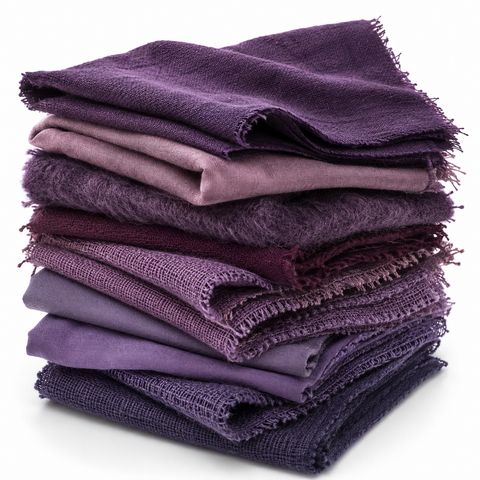
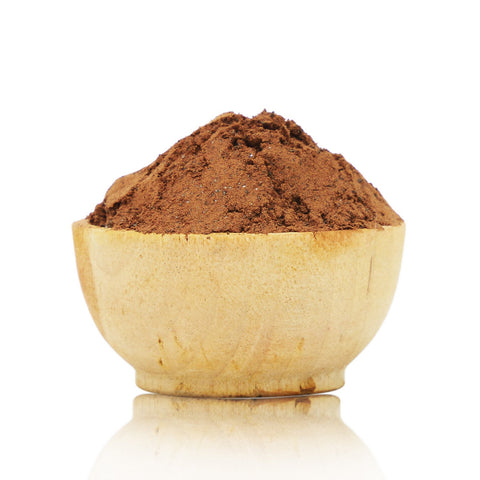
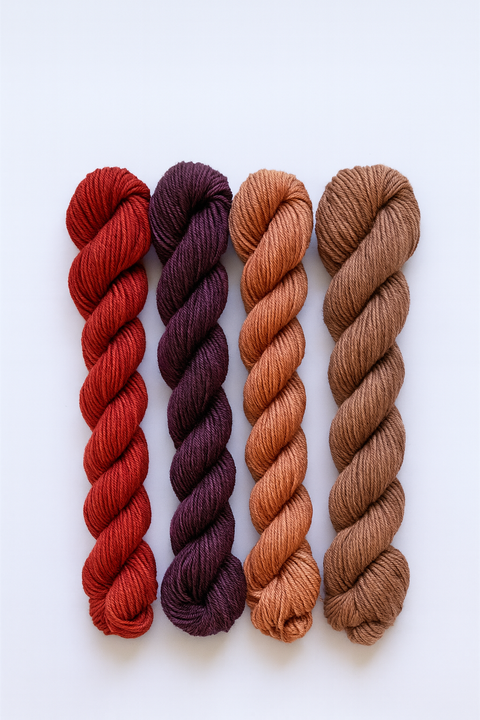
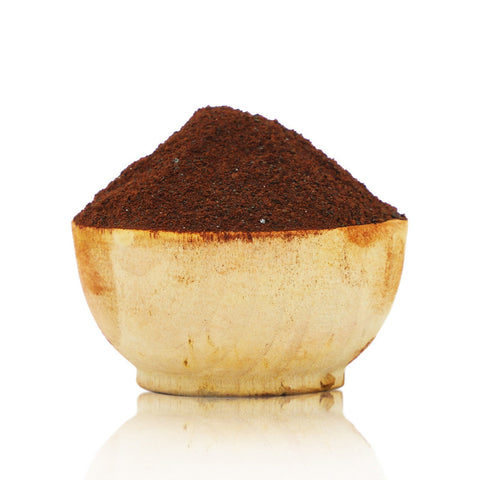
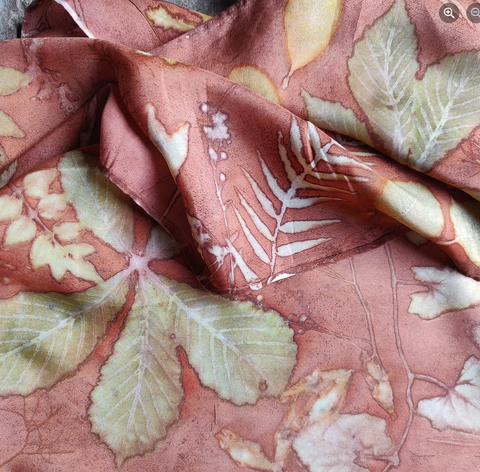
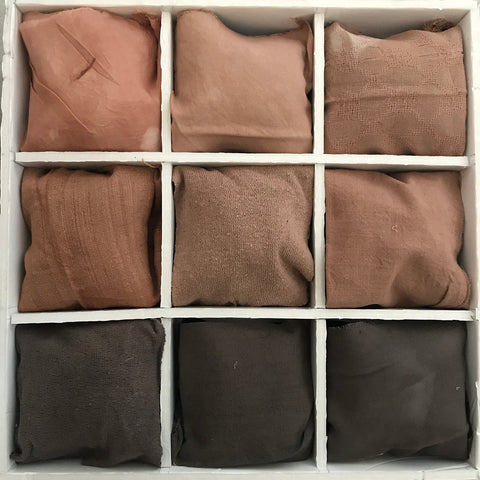
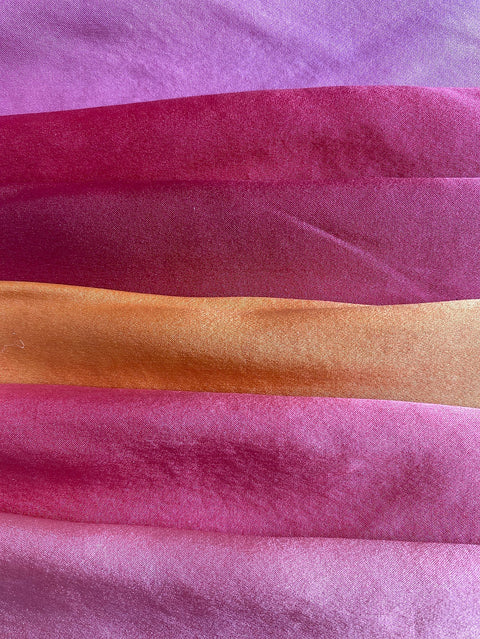
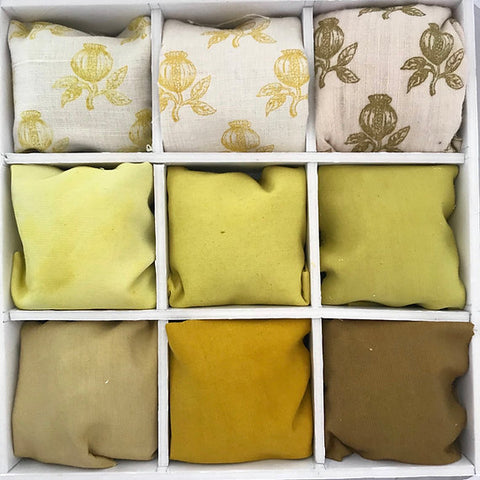
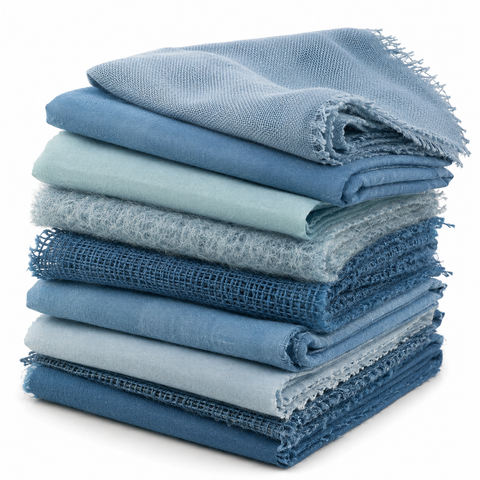
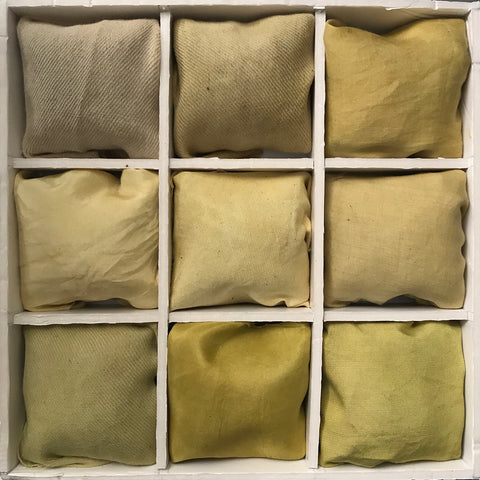
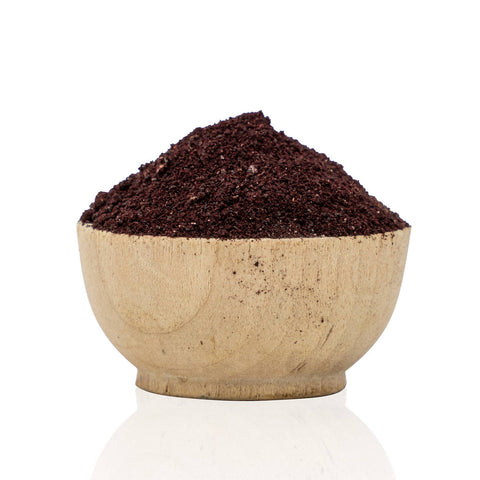
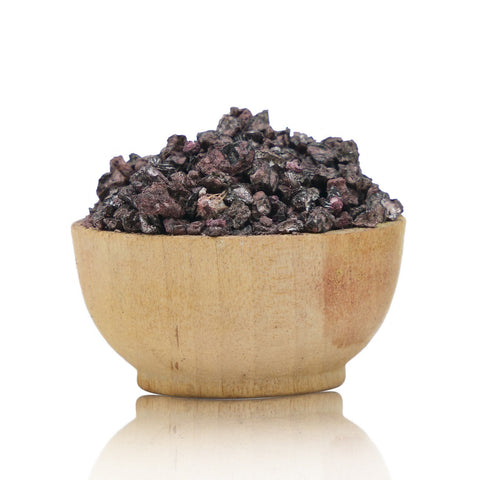
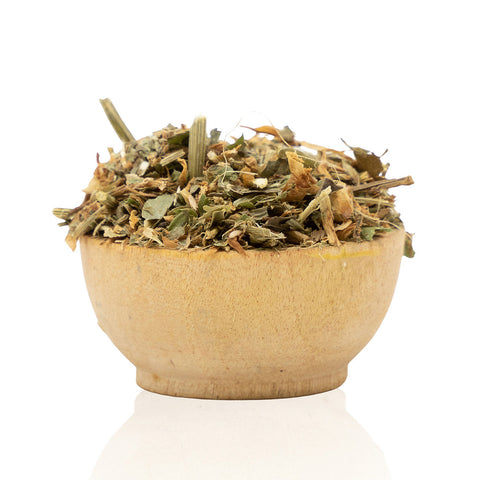
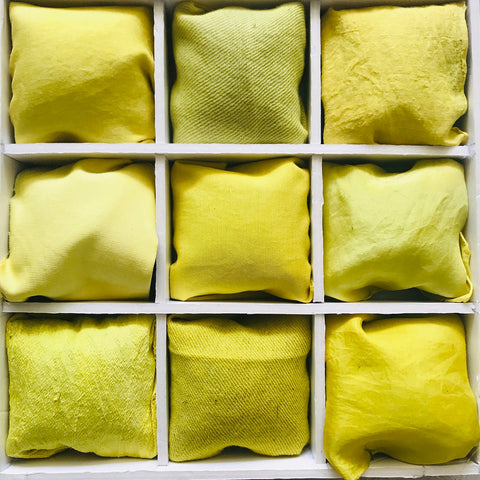
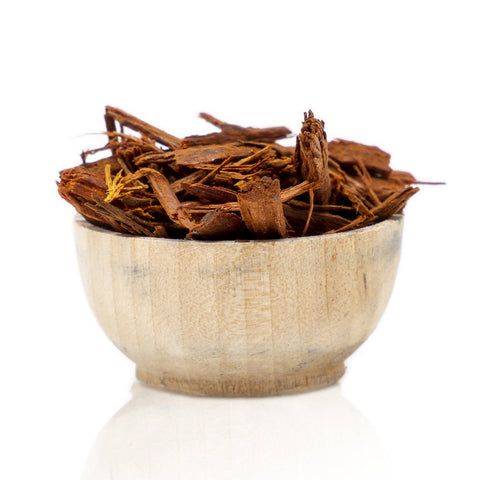
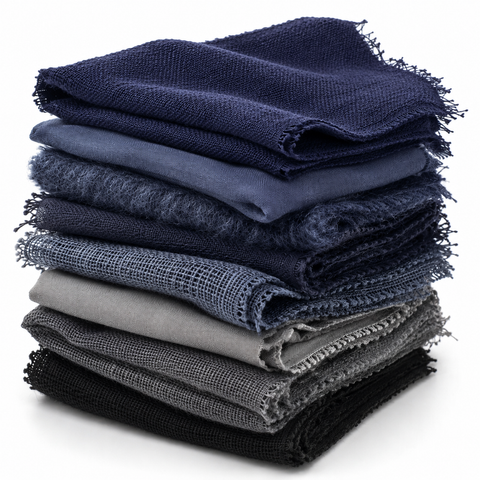
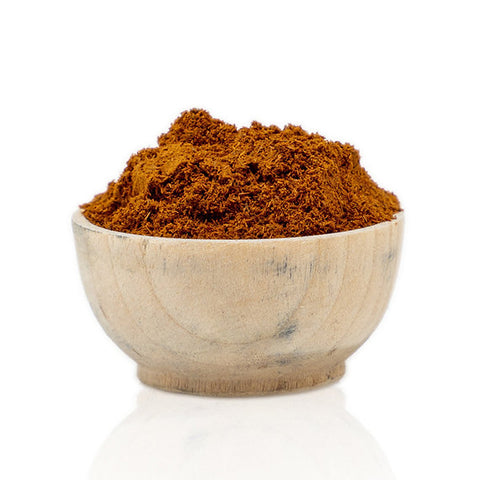
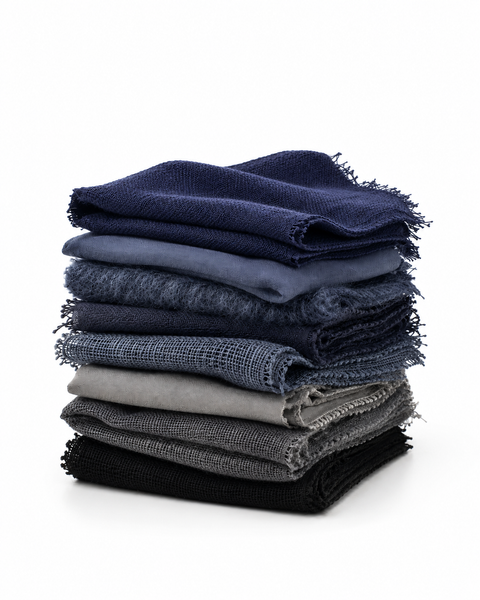
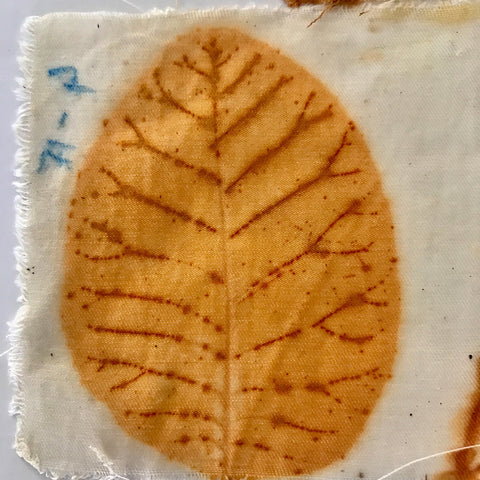
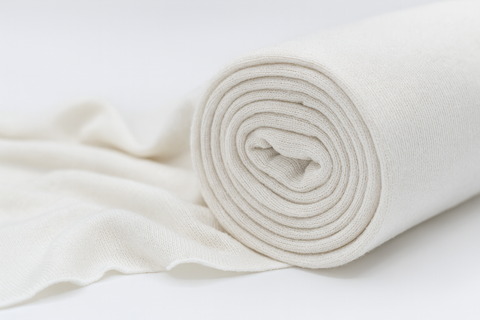
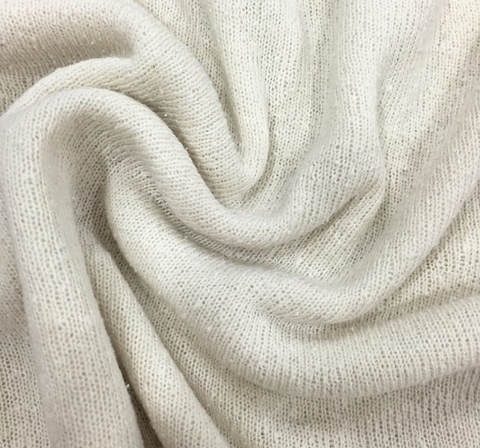
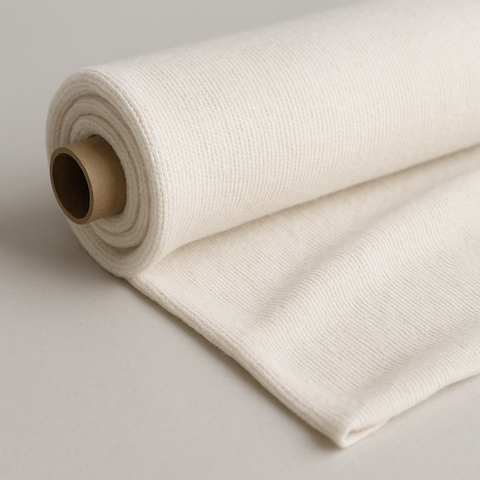
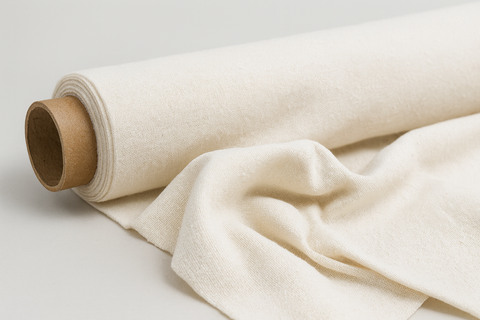
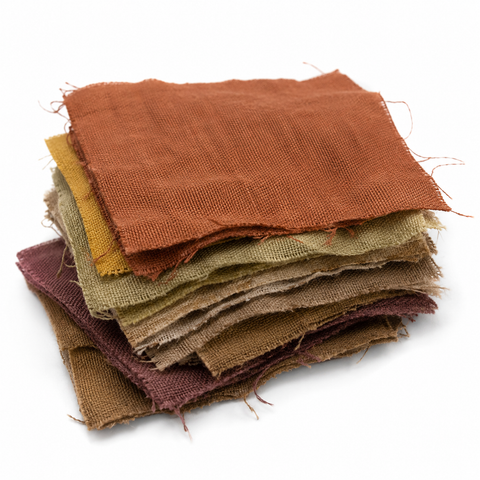

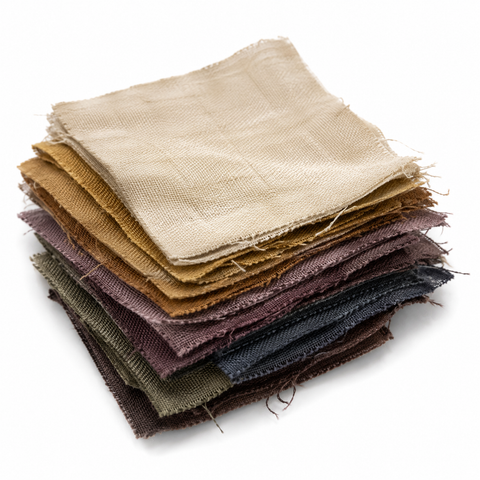
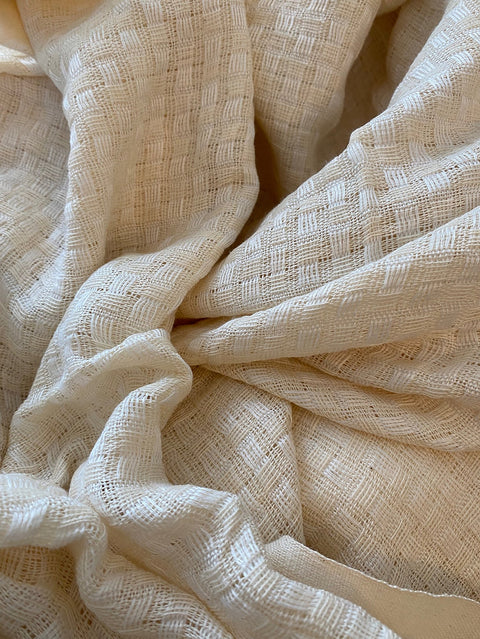

Eco-printing, ook bekend als botanisch printen, botanisch verven, bundelverven, bladdruk of contactprinten, is een natuurlijke verftechniek waarbij bladeren, bloemen, schors en ander plantmateriaal rechtstreeks op stof worden gelegd en via stoom, warmte en druk worden overgebracht, waarbij mordanten worden gebruikt om de kleuren te 'fixeren'.
Als je net begint met eco-printing, kan het proces voelen alsof je het nooit goed krijgt: sommige bladeren geven duidelijke afdrukken, sommige verdwijnen helemaal, en sommige laten zachte vlekken achter in plaats van duidelijke vormen. Deze beginnersgids helpt je te begrijpen wat eco-printing precies is, welke materialen je nodig hebt en hoe je je eerste succesvolle botanische afdrukken op stof maakt.
Eco-printing vs botanisch printen vs bundelverven
Deze termen worden vaak iets verschillend gebruikt, maar in de praktijk overlappen ze elkaar. "Eco-printing" en "botanisch printen" beschrijven meestal duidelijke plantafdrukken op stof. "Bundelverven" beschrijft vaak een lossere methode waarbij bloemen, bladeren en kleurstoffen in stofbundels worden gerold om zachte kleureffecten te creëren. "Botanisch verven" is de bredere term voor verven met planten, inclusief verfbaden en printroutes.
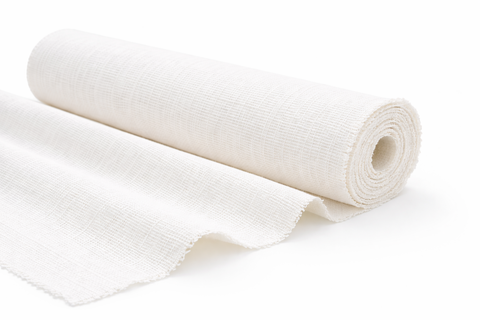
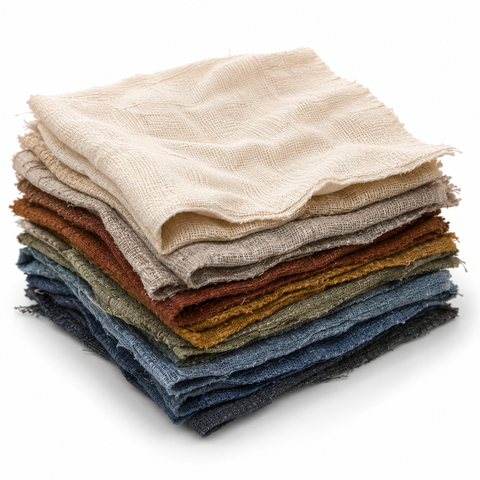
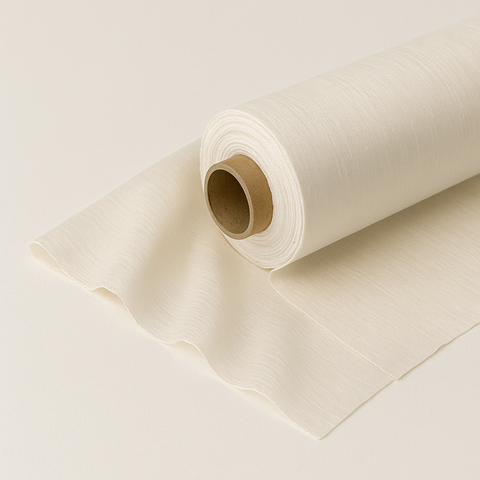
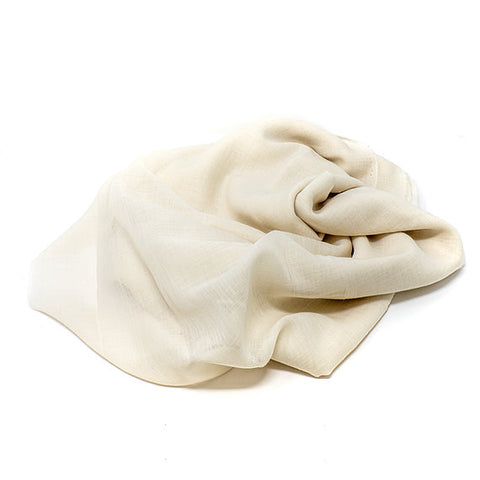
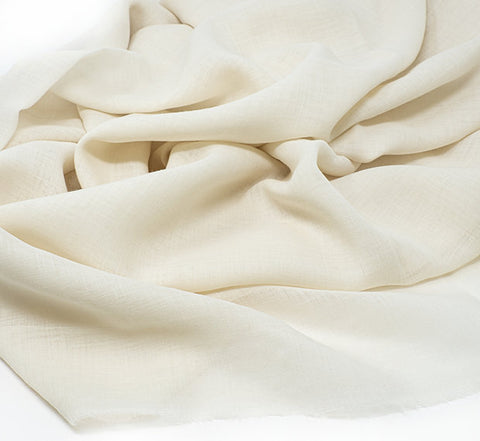
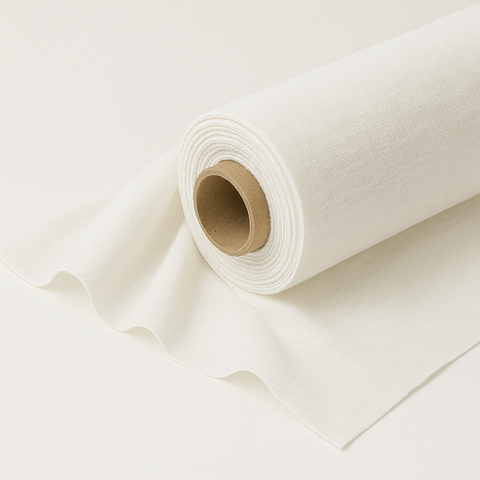
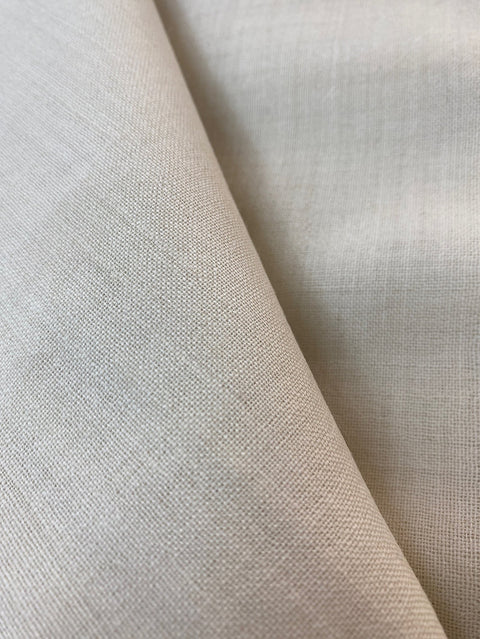
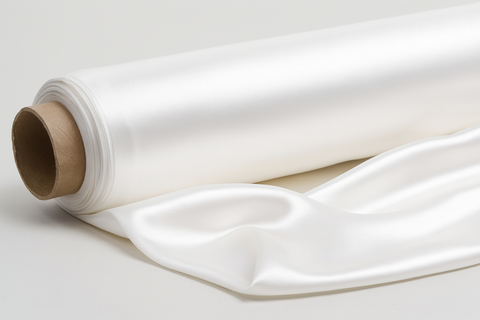
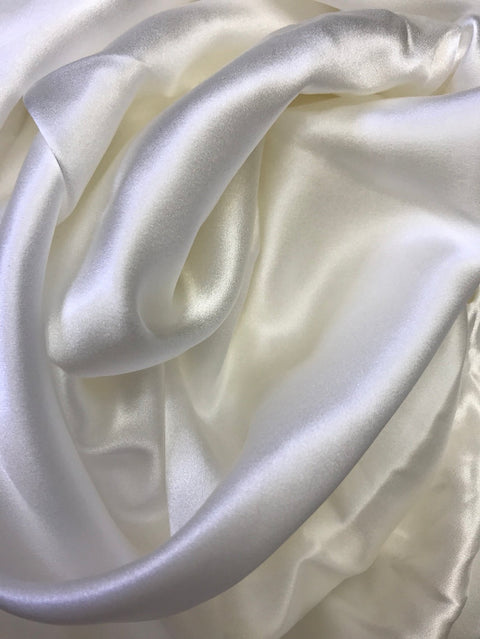
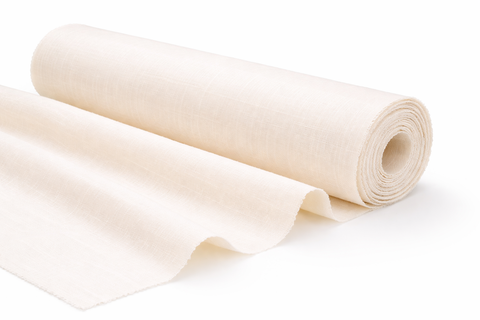
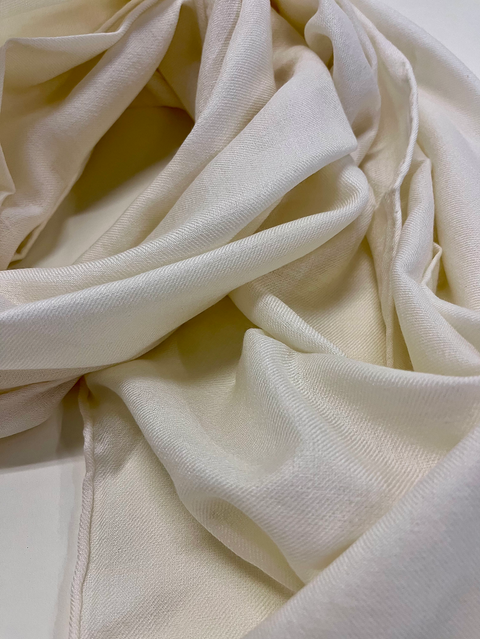
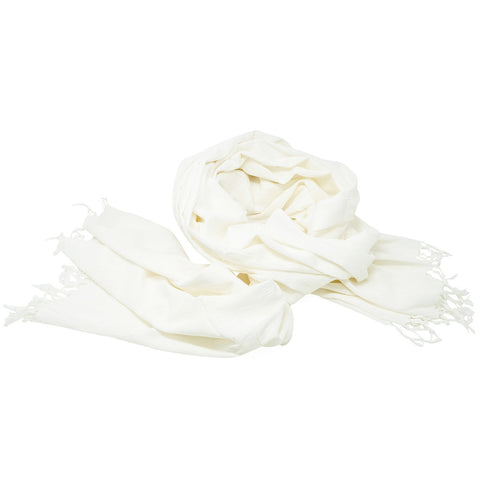
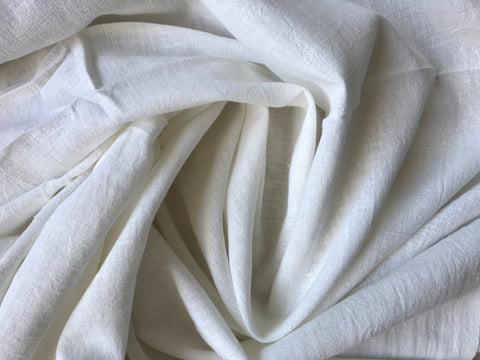
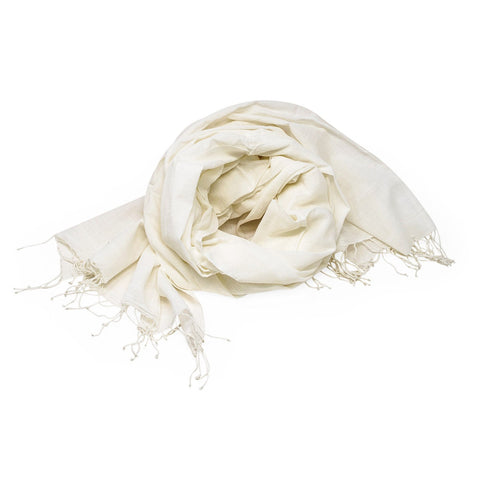
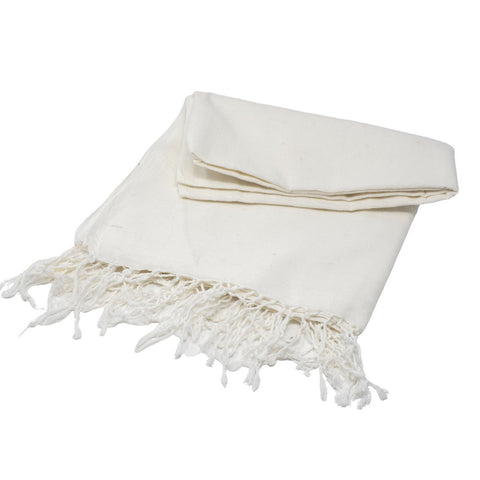
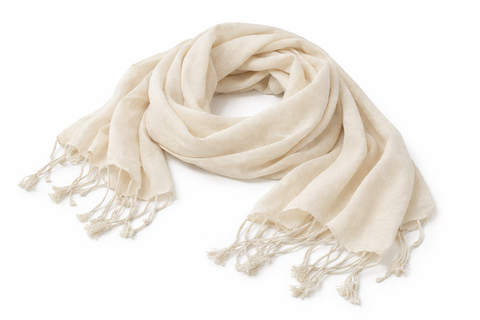
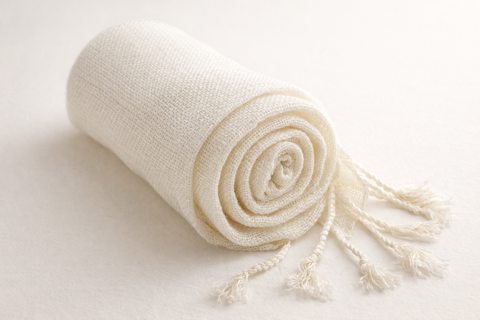
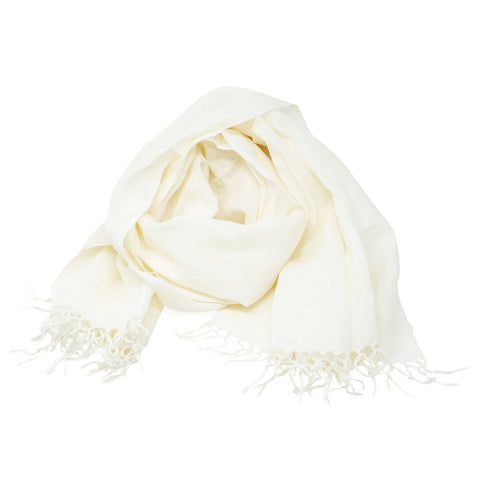
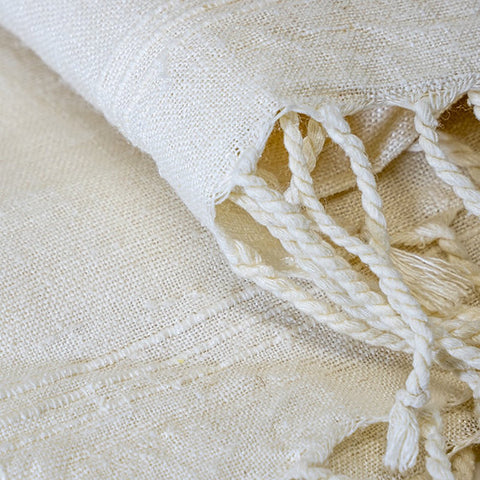
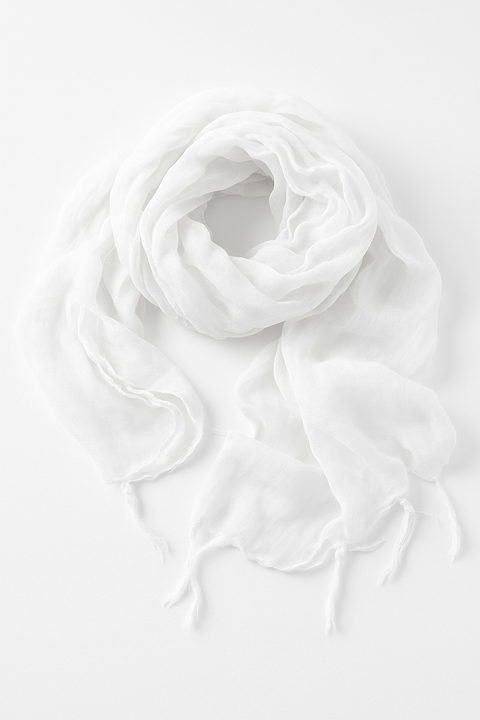
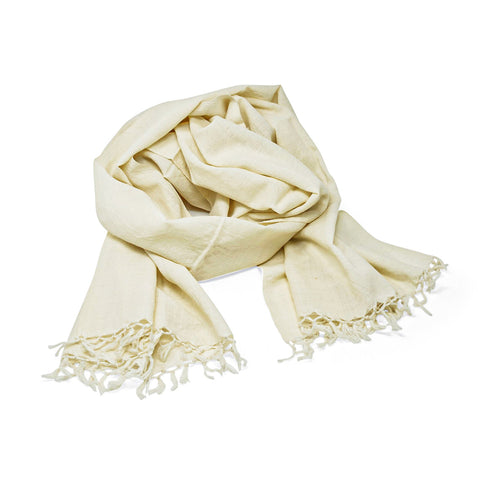
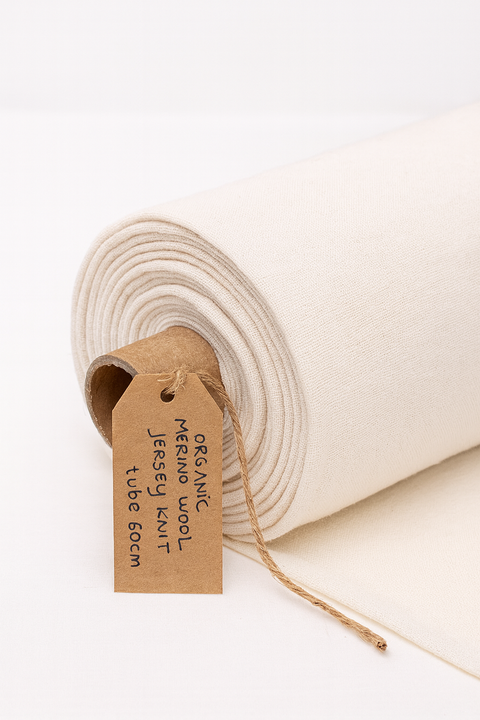
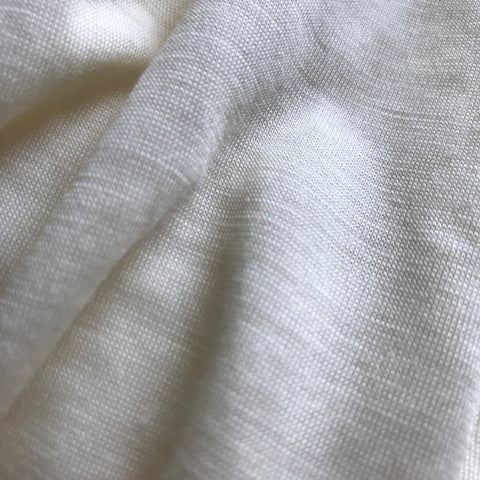
Welke stof is het beste voor eco-printing?
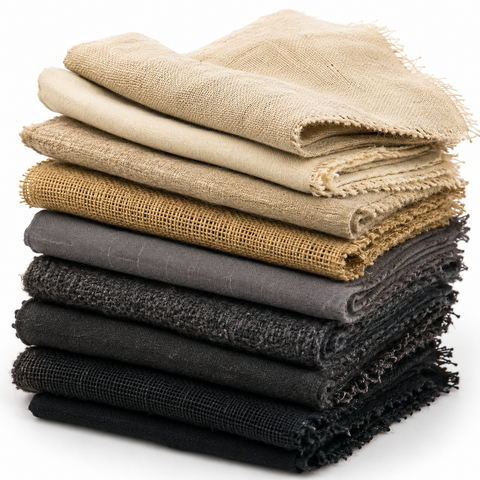
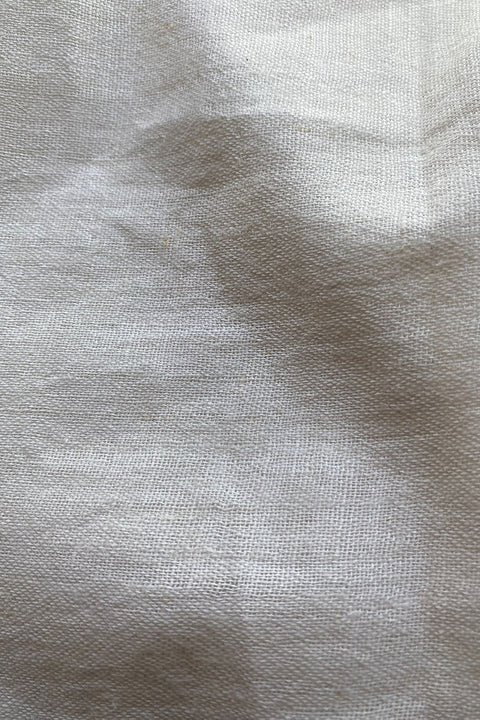
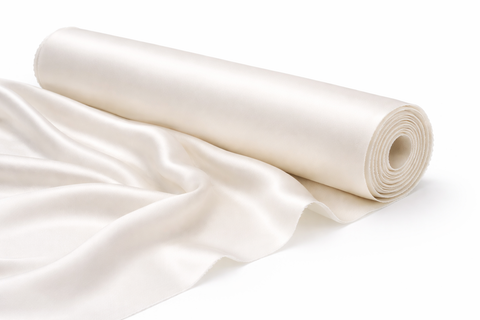
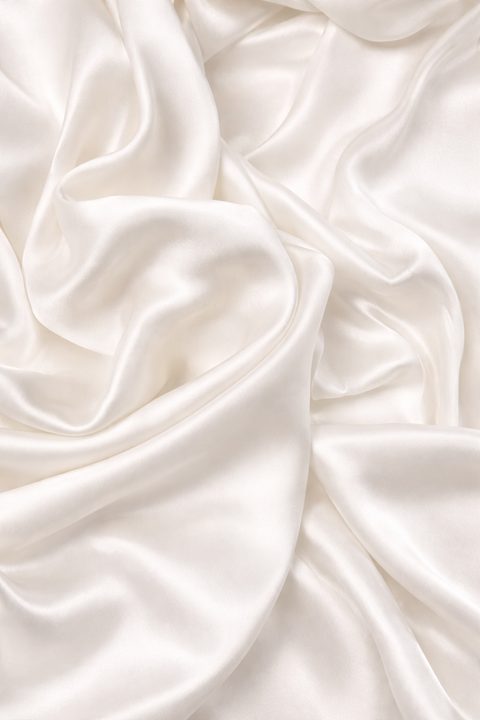
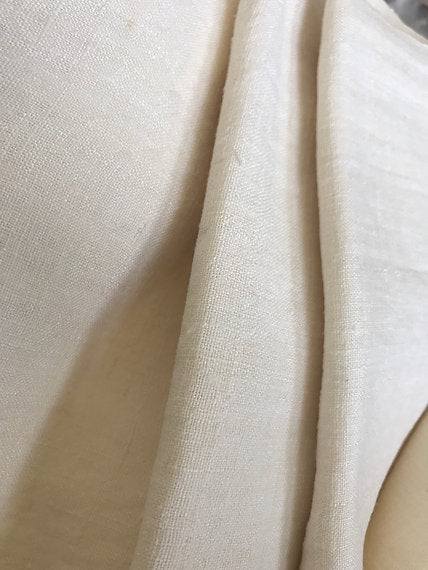
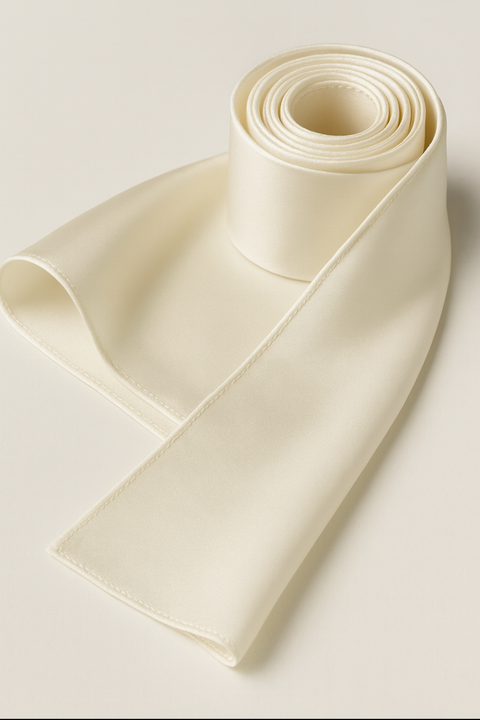
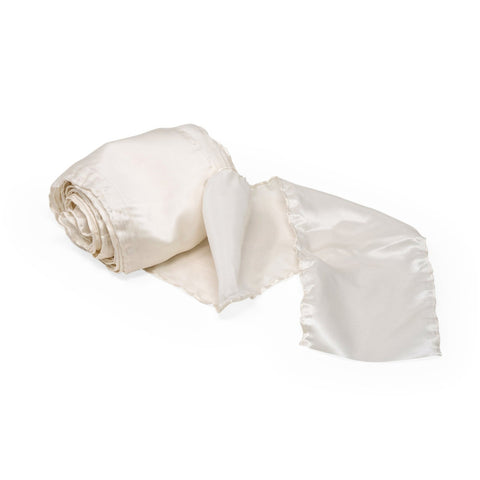
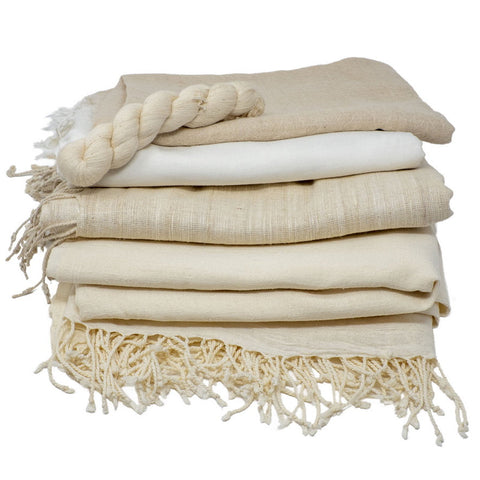
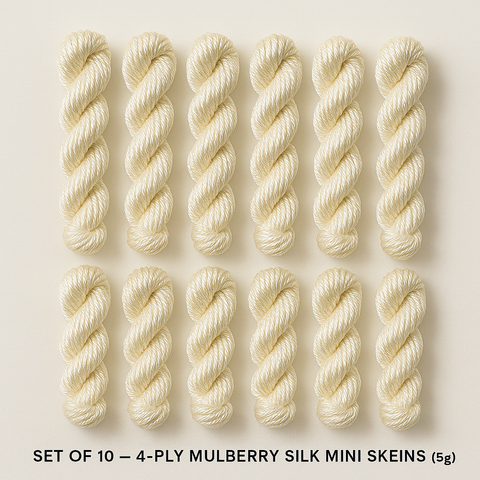
Eiwitvezels:
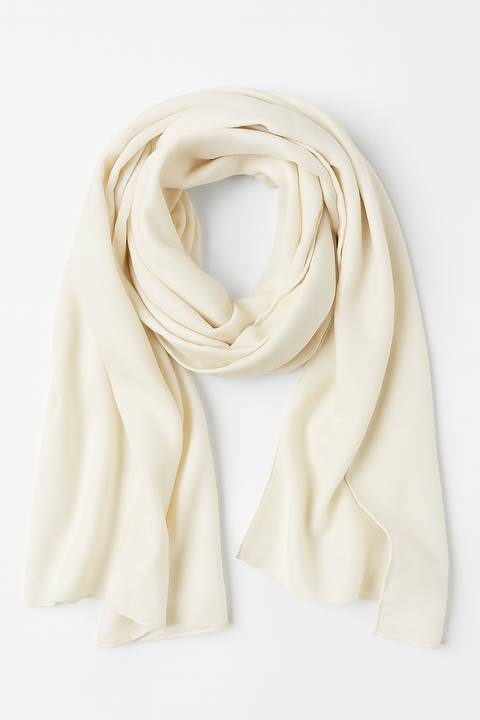
wol and zijde zijn meestal het gemakkelijkst en geven de duidelijkste afdrukken.
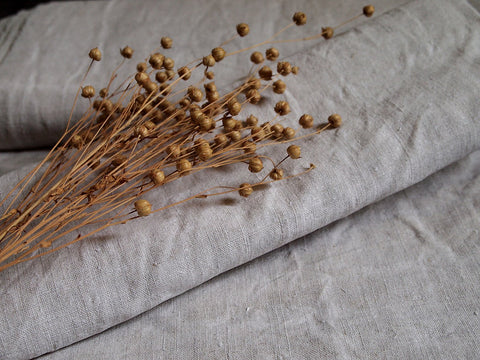
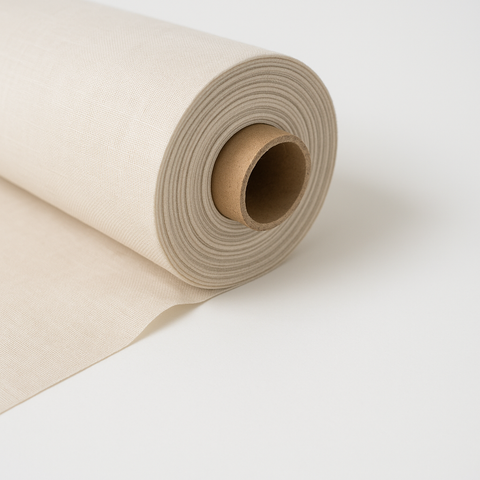
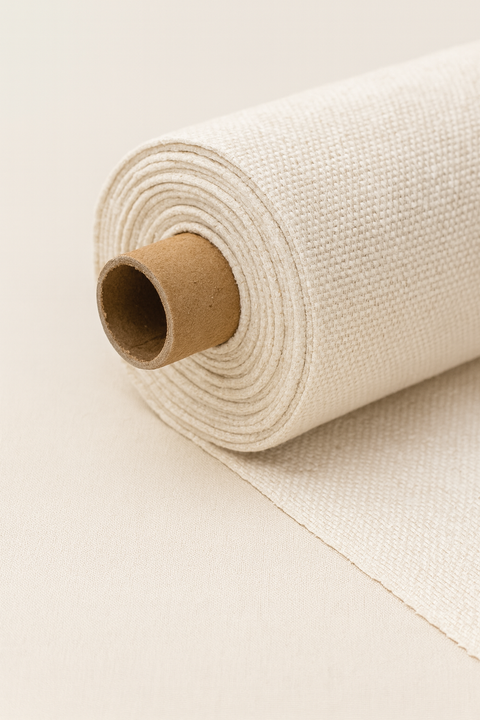
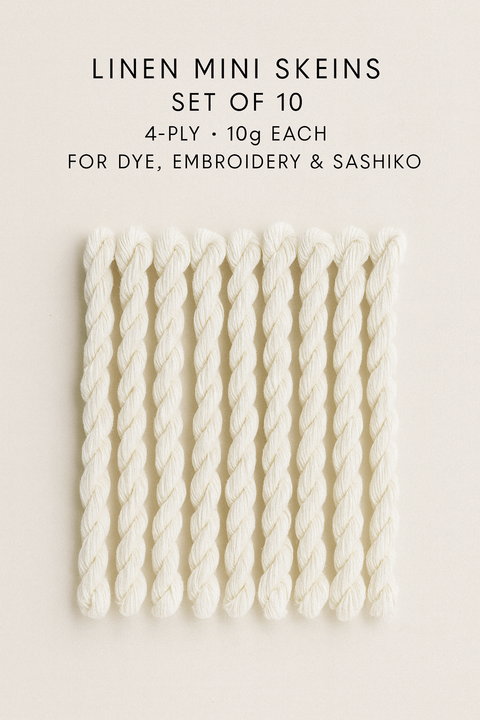
Cellulosevezels:
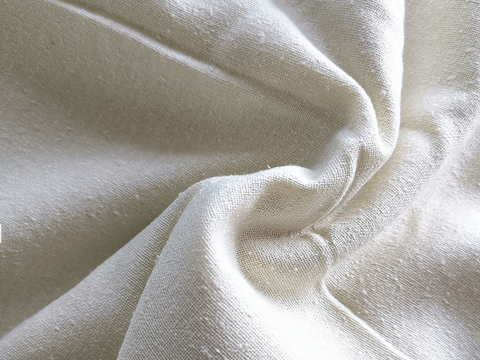
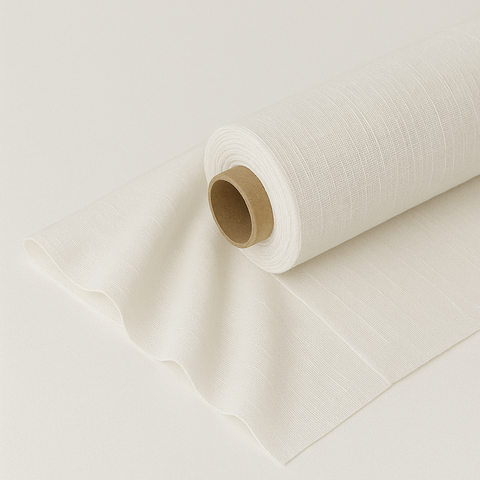
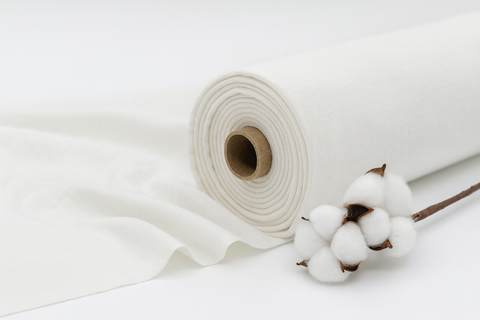
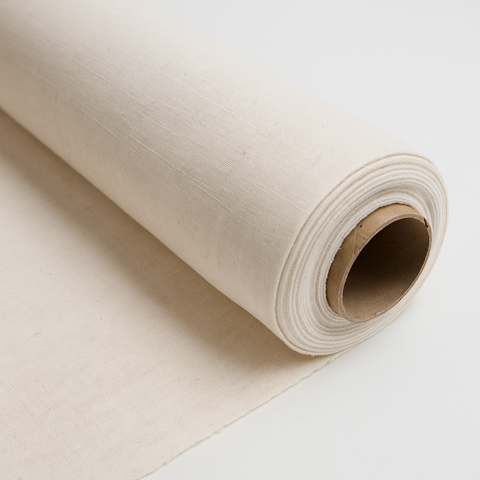
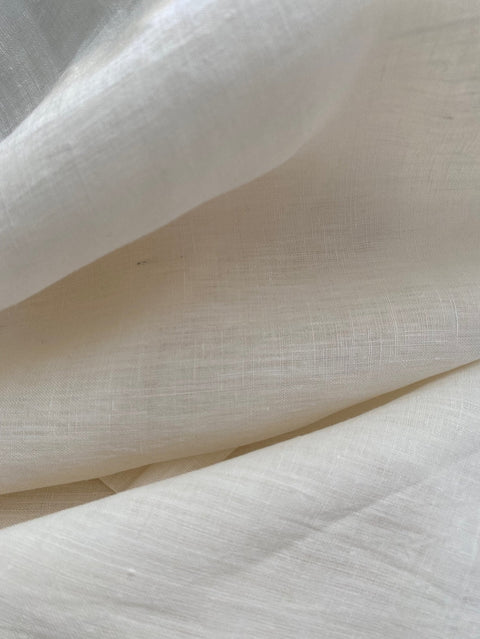
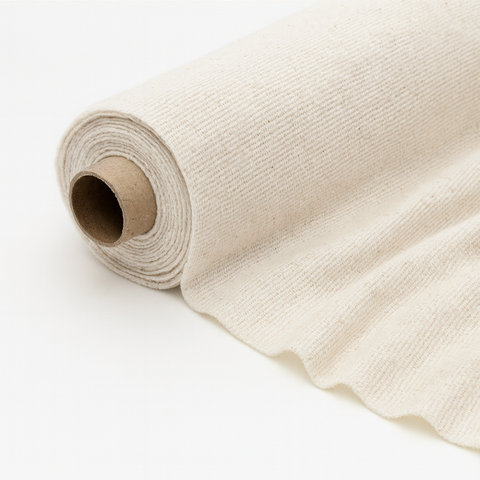
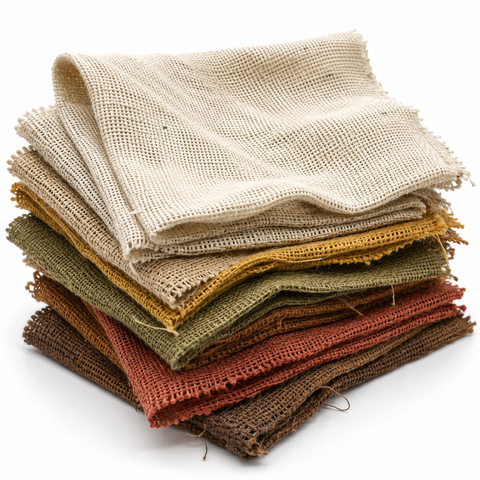
katoen, linnen, hennep, viscose hebben meer voorbereiding nodig en vereisen meestal een tannine‑stap en mordantbehandeling.
Goed advies voor beginners:
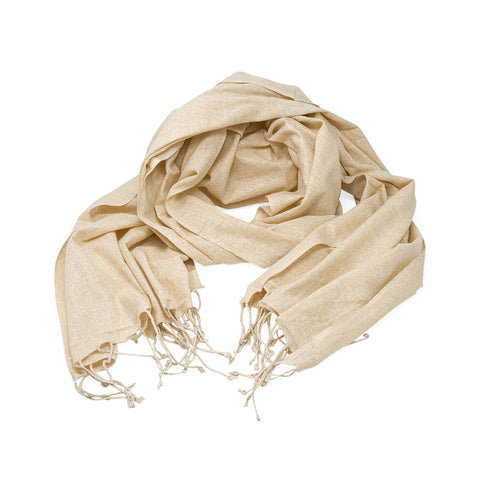
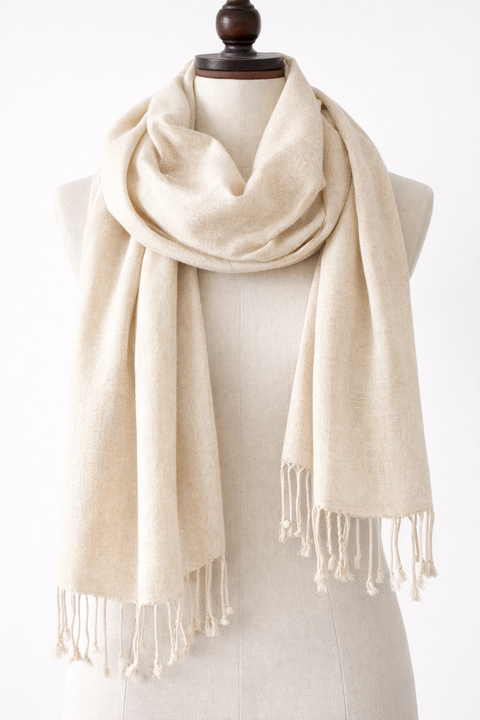
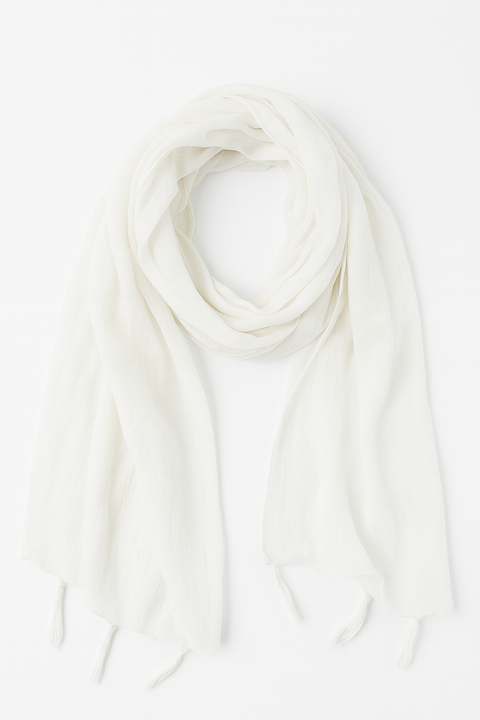
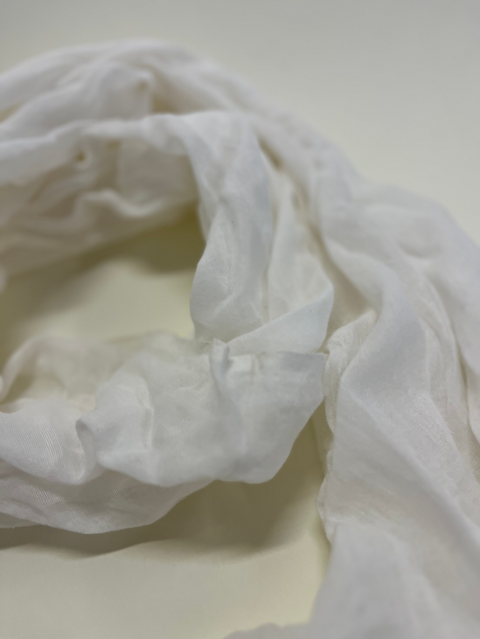
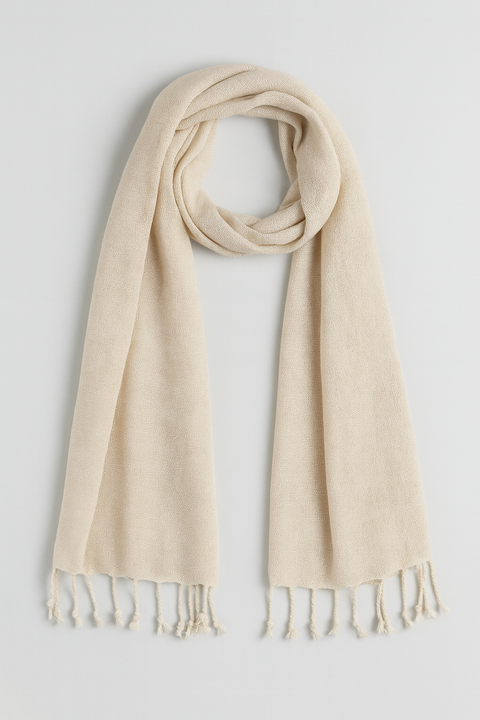
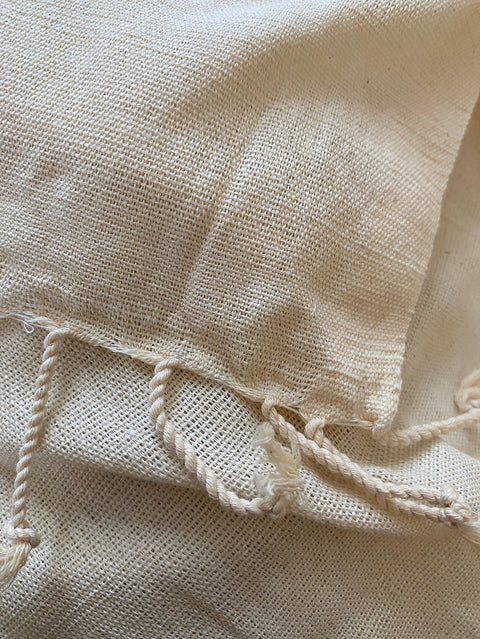
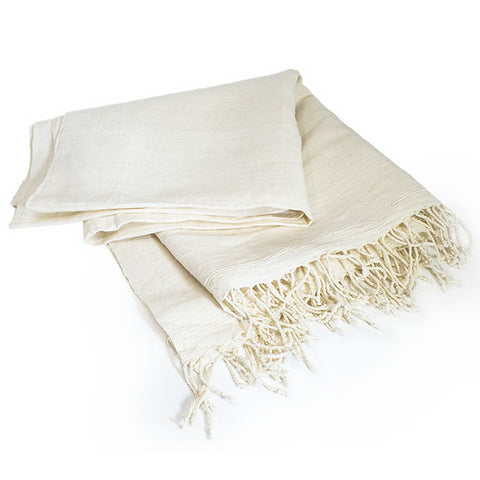
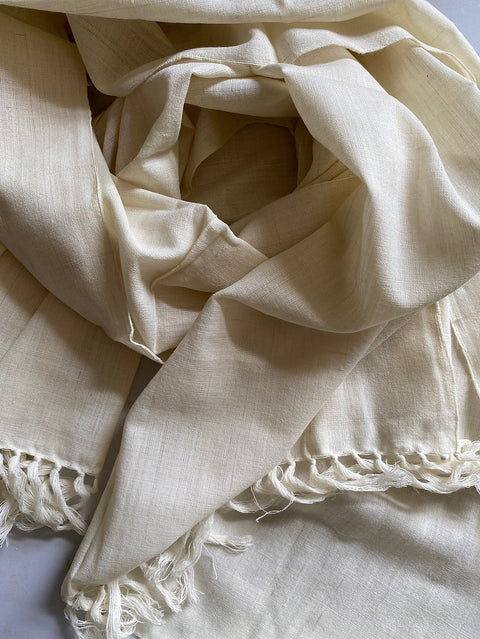
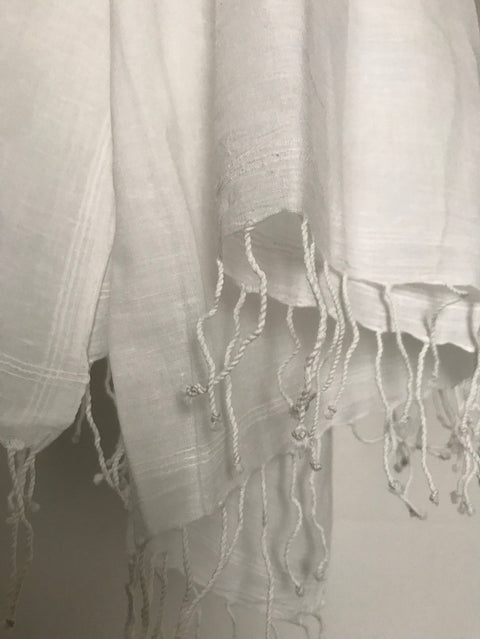
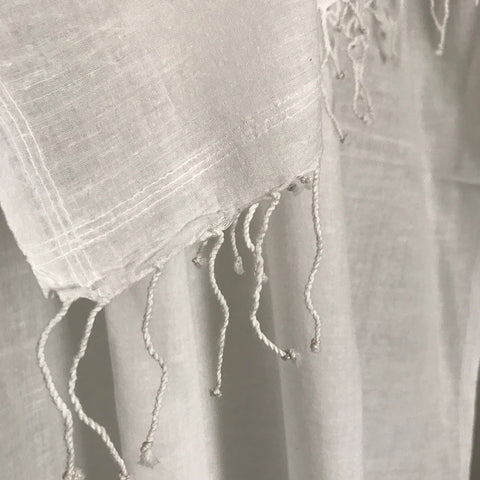
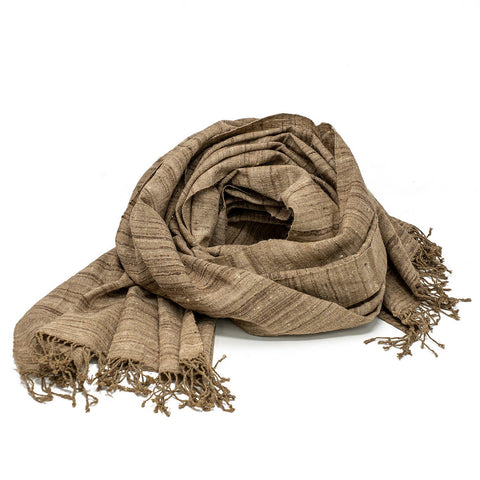
Als dit je eerste eco-printingproject is, begin met zijde of wol. Die zijn veel vergevingsgezinder dan katoen of linnen.
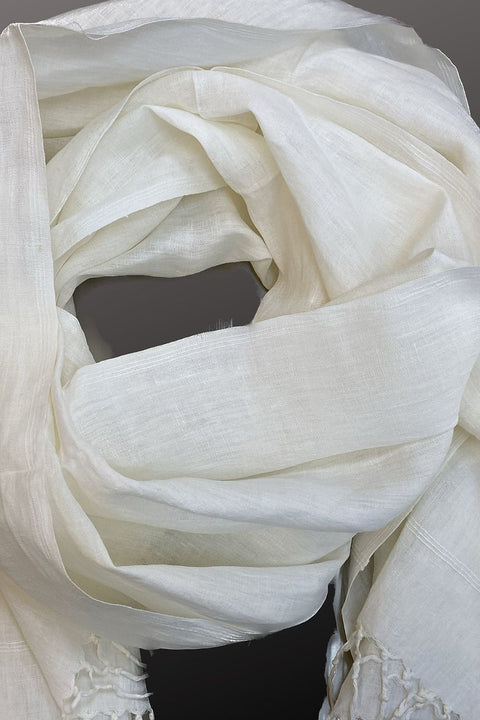
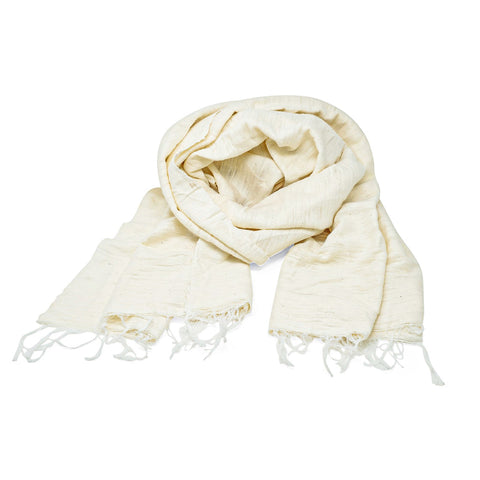
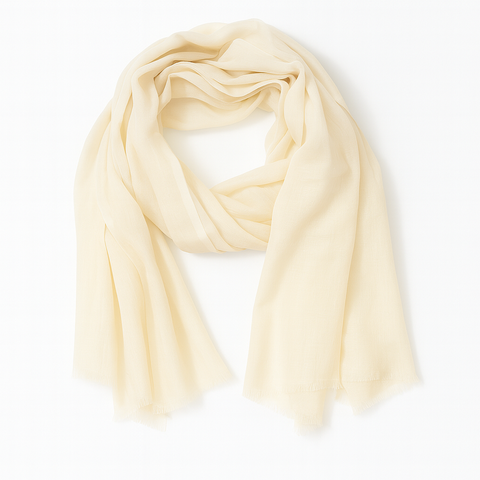
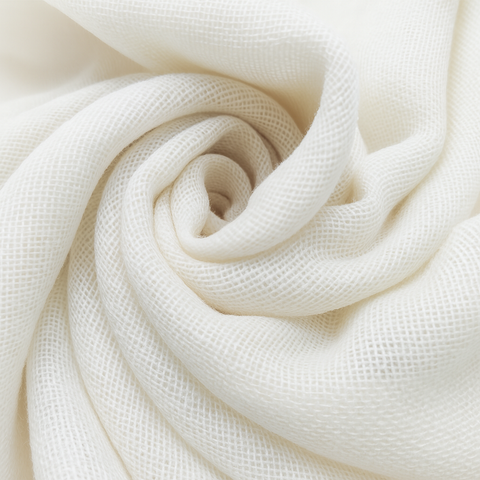
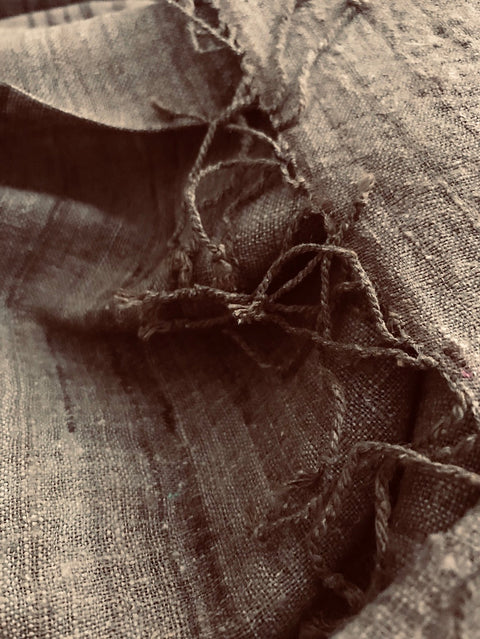
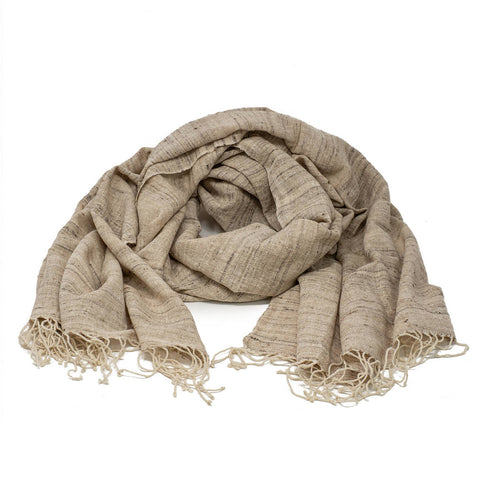
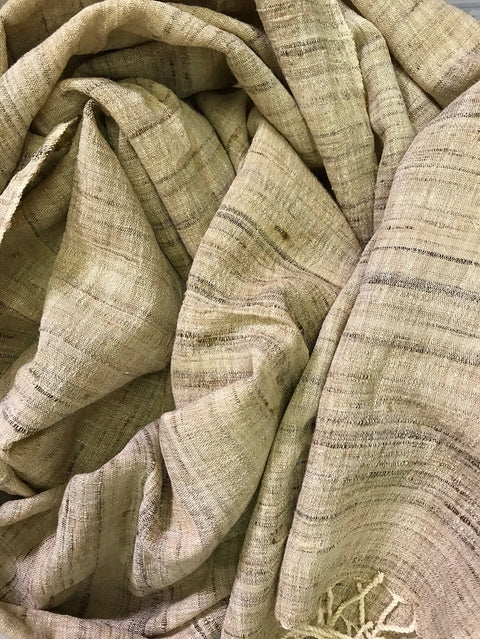
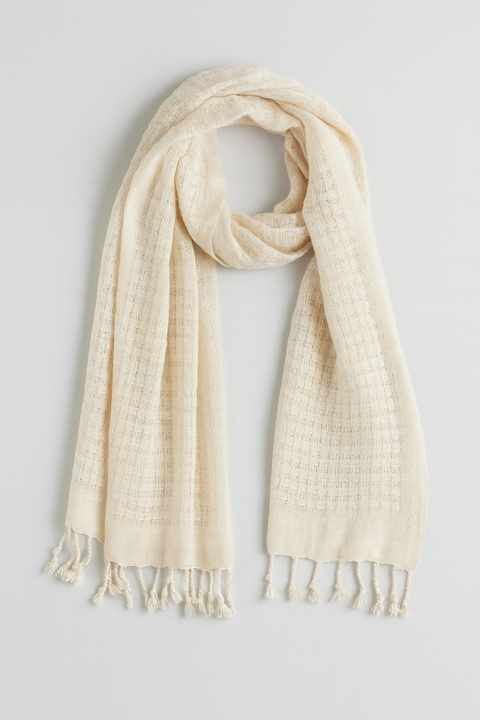
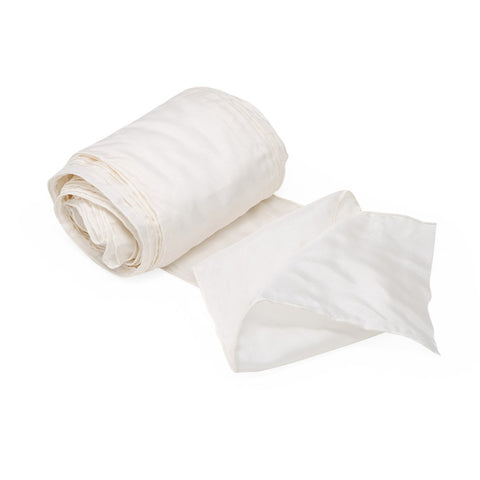
Je vindt de beste stoffen om mee te beginnen in onze sjaalsectie:
https://naturaldyestore.com/?cm=Scarves#


WhatWelke bladeren werken het beste voor eco-printing?
Een van de grootste fouten van beginners bij eco-printing is aannemen dat elk mooi blad een mooie afdruk zal geven. Helaas werkt botanisch printen niet als een fotokopieerapparaat. Sommige bladeren geven sterke, duidelijke impressies. Sommige geven zachte vlekken. Sommige verdwijnen bijna volledig. Het verschil hangt af van de chemie van de plant, de vezel waarop je print, het mordantsysteem dat je gebruikt en hoe strak het blad tegen de stof wordt gedrukt.
De beste bladeren voor eco-printing bevatten meestal natuurlijke tannines, sterke pigmenten, of beide. Tanninerijke bladeren geven vaak duidelijke vormen, vooral in combinatie met ijzer, terwijl pigmentrijke bloemen en planten helderder geel, oranje, rood en warme kleureffecten kunnen toevoegen. Een goede eco-print draait niet alleen om het vinden van "mooie bladeren". Het gaat om het kiezen van plantmaterialen die daadwerkelijk kleur en vorm aan de textiel overdragen.
Eucalyptus is een van de bekendste planten voor eco-printing, en dat is niet voor niets. Veel eucalyptussoorten kunnen sterke oranje, roest-, rood- of bruinkleuren geven, vooral op wol en zijde. De resultaten variëren sterk per soort, seizoen en locatie, maar eucalyptus is vaak een van de meest betrouwbare planten voor beginners omdat het zowel duidelijke vormen als sterke kleur kan geven.


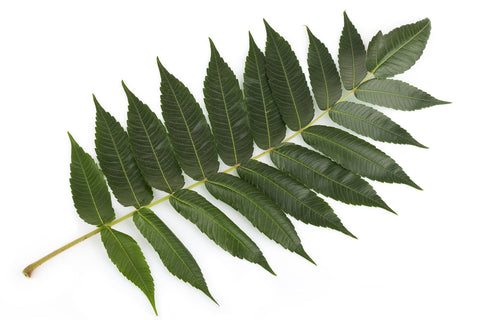
Sumak is een andere uitstekende plant voor botanisch printen omdat hij rijk is aan tannines. Sumakbladeren kunnen prachtige, duidelijke afdrukken geven, vooral in combinatie met ijzer. Afhankelijk van het mordant en de stof kunnen de resultaten variëren van zacht beige en geelbruin tot grijs, olijf of donker houtskoolachtige contouren. Het is vooral nuttig wanneer je structuur en heldere bladvormen wilt, in plaats van alleen zachte kleur.
Cotinus, ook wel smoke bush genoemd, is een van de grote eco-printplanten. De bladeren kunnen sterke, duidelijke impressies en prachtige kleur geven, vaak variërend van geel, olijf, groenachtig-grijs, bruin, paars-grijs of donkere contouren afhankelijk van het mordant, het seizoen en of er ijzer is gebruikt. Paarsbladige cotinus‑variëteiten worden door botanische printers bijzonder gewaardeerd omdat ze dramatische, goed gedefinieerde afdrukken kunnen opleveren. Net als bij veel van de beste eco-printbladeren is cotinus waardevol niet alleen omdat het er mooi uitziet aan de plant, maar omdat het de chemie bevat die goed naar stof overdraagt.
Eikenbladeren zijn ook tanninerijk en zeer bruikbaar bij eco-printing. Ze produceren vaak aardse, bruine, grijze of donkere vlekken, vooral met ijzer. Eik is meestal niet de plant om te kiezen als je felle kleur wilt, maar hij is prachtig voor textuur, contrast en sterke botanische vormen. Hetzelfde geldt voor veel andere tanninerijke bomen: ze zien er mogelijk niet kleurrijk uit aan de plant, maar ze kunnen prachtig printen.
Esdoornbladeren kunnen zeer bevredigend zijn, vooral vanwege hun sterke en herkenbare vorm. De kleurresultaten kunnen zachter zijn dan bij eucalyptus of sumak, maar esdoorn kan mooie gele, tan‑, bruine of grijze afdrukken geven afhankelijk van het mordant en het gebruik van ijzer. Omdat de bladvorm zo grafisch is, kan zelfs een zachtere afdruk visueel mooi blijven.
Rozenbladeren zijn een zeer goede plant voor beginners, vooral omdat ze gemakkelijk in tuinen te vinden zijn. Ze bevatten tannines en kunnen verrassend duidelijke afdrukken geven. Met ijzer kunnen rozenbladeren grijs‑groene, houtskoolachtige of donkere contouren produceren. Zonder ijzer zijn ze vaak zachter en meer geelbruin. Rozenbladeren zijn een goed voorbeeld van een plant die er gewoon uitziet maar heel nuttig kan zijn bij contactprinten.


Walnotenbladeren en Pecanbladeren kunnen warme bruine en aardse afdrukken geven, en ze zijn vaak behoorlijk sterk. Walnoot is van nature rijk aan kleurstoffen en tannines, dus het kan zowel in verfbaden als bij botanisch printen nuttig zijn. De resultaten zijn meestal aardser dan fel, maar kunnen heel mooi zijn, vooral in combinatie met andere bladeren en bloemen.
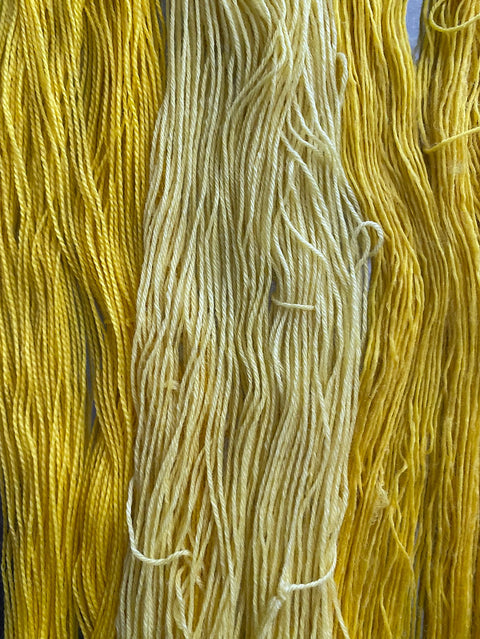
Voor fellere kleur helpt het om bloemen en kleurplanten toe te voegen in plaats van alleen op boombladeren te vertrouwen. Coreopsis is een van de beste planten hiervoor. De bloemen kunnen sterke gele, oranje en roestrode tonen geven, vooral op wol en zijde. Coreopsis geeft vaak royale kleurvlekken in de bundel en kan prachtige warme kleurzones rond de duidelijkere bladafdrukken toevoegen.
Cosmos, vooral oranje cosmos, is een andere uitstekende plant voor warme kleur. De bloemen kunnen geel, oranje en gouden tonen produceren en zijn zeer nuttig bij bundelverven en eco-printing. Cosmos geeft niet altijd een scherpe "bladafdruk", maar kan rijk botanisch kleur toevoegen aan de stof.
Uienschillen zijn geen bladeren in de gebruikelijke zin, maar ze behoren tot het gemakkelijkste en meest betrouwbare keukengranulaat voor eco-printing en bundelverven. Gele uienschillen kunnen goud, oranje, roest en bruine tinten geven, terwijl rode uienschillen meer gedempte paarse, groene, bruine of grijzige effecten kunnen geven afhankelijk van mordant en pH. Ze zijn uitstekend voor beginners omdat ze goedkoop, makkelijk te verzamelen en krachtig zijn.
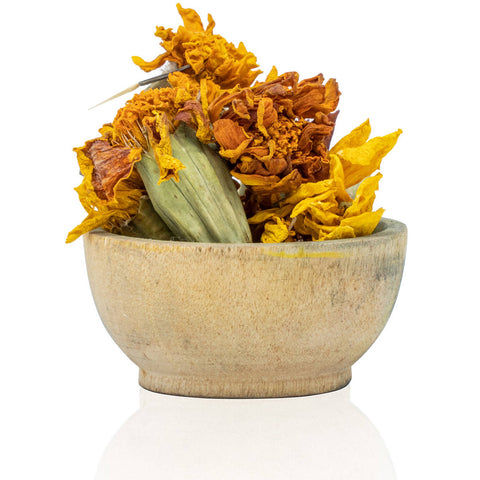
Goudsbloemen kunnen zonnige gele, gouden en oranje tonen geven. Ze zijn vooral nuttig als je helderheid aan een bundel wilt toevoegen. Zoals veel bloemen geven ze niet altijd scherpe contouren, maar ze kunnen royale kleurvlakken creëren en mooi combineren met tanninerijke bladeren.
Een goede beginnende bundel combineert vaak beide typen planten. Gebruik tanninerijke bladeren zoals sumak, eik, roos, walnoot of granaatappel voor vorm en definitie. Voeg kleurplanten toe zoals coreopsis, cosmos, uienschillen, goudsbloem of weld voor warmte en helderheid. Eucalyptus kan vaak beide doen en geeft zowel sterke kleur als een herkenbare afdruk.
De belangrijkste les is deze: succesvol eco-printen is geen willekeurige magie. Het is plantkennis, voorbereiding van de stof, mordanteren, contact, warmte en tijd. Zodra je weet welke planten rijk zijn aan tannines, welke planten gul zijn met kleur en welke stoffen het beste reageren, worden je botanische afdrukken veel betrouwbaarder.
Mordanten voor eco-printing: wat zijn de opties?
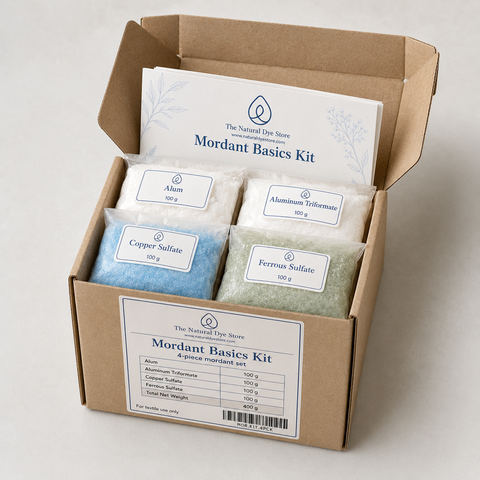
Mordanten zijn een van de belangrijkste onderdelen van eco-printing, botanisch printen en natuurlijk verven. Een mordant helpt plantkleur zich aan de vezel te hechten. Het kan ook de kleur veranderen die je uit bladeren en bloemen haalt, waardoor het verschil ontstaat tussen een bleke vlek, een duidelijke botanische afdruk of een sterk en blijvend resultaat.
In eco-printing gaan mordanten niet alleen over kleurechtheid. Ze beïnvloeden ook scherpte, contrast en kleur. Hetzelfde blad kan geel, bruin, olijf, grijs of bijna zwart afdrukken afhankelijk van het mordantsysteem. Daarom is mordanteren geen saaie technische stap; het is onderdeel van het ontwerp.
De beste mordantoptie hangt af van de vezel die je gebruikt. Wol en zijde zijn eiwitvezels en ze accepteren meestal natuurlijke kleurstoffen gemakkelijker. Katoen, linnen, hennep en viscose zijn cellulosevezels en hebben meer voorbereiding nodig als je goede resultaten wilt.
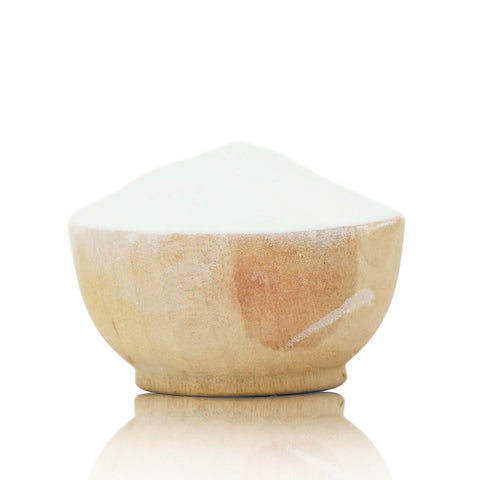
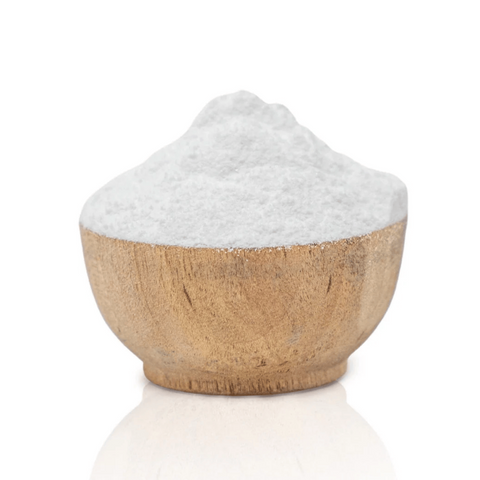
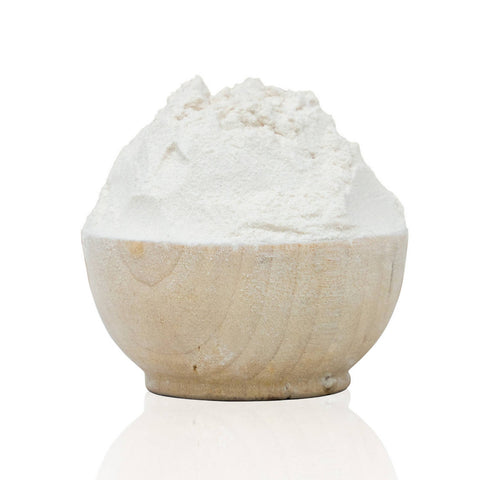
Aluin
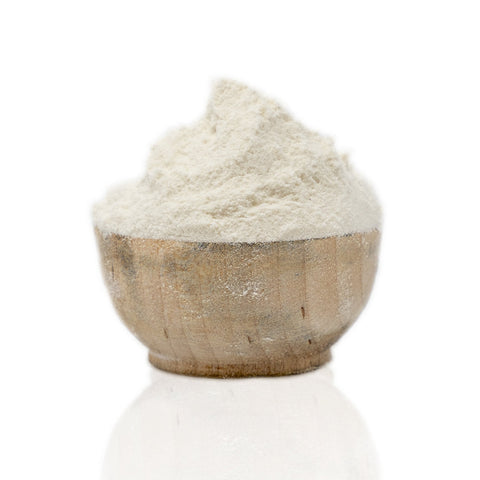
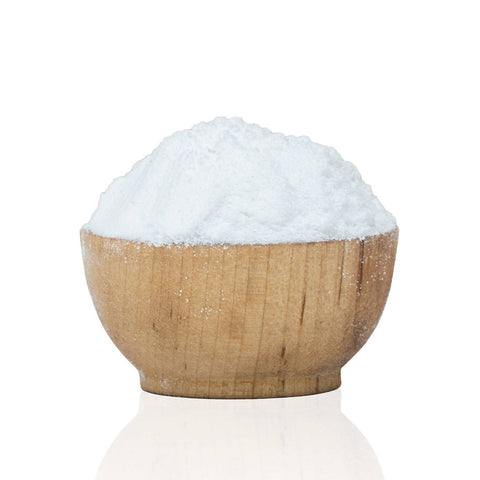
Aluin is de klassieke mordant voor wol en zijde. Het wordt veel gebruikt in natuurlijk verven omdat het helpt heldere, frisse kleuren te creëren zonder het plantmateriaal te veel te verdonkeren. In eco-printing kan aluin bladeren en bloemen sterker laten overbrengen terwijl de kleuren relatief fris blijven.
Op wol en zijde is aluin vaak de gemakkelijkste mordant voor beginners. Het werkt prachtig met veel kleurplanten, waaronder eucalyptus, coreopsis, cosmos, goudsbloem, weld, uienschillen en veel tanninerijke bladeren.
Aluin is vooral nuttig wanneer je gele, oranje, warme bruinen en duidelijke botanische kleuren wilt zonder dat alles grijs of modderig wordt.
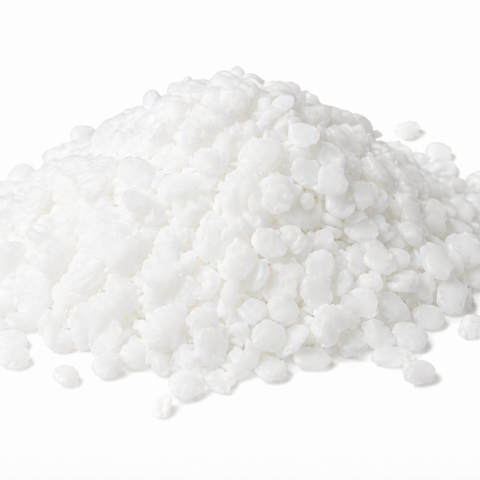
Aluminiumacetaat
Aluminiumacetaat is een van de beste mordanten voor katoen, linnen, hennep en andere cellulosevezels. Deze vezels nemen natuurlijke kleurstoffen niet zo makkelijk op als wol of zijde, dus ze hebben meestal een andere mordantaanpak nodig.
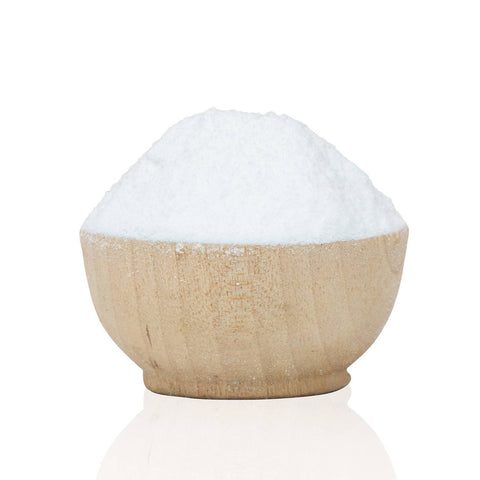
Voor beginners die op katoen willen eco-printen is aluminiumacetaat vaak veel betrouwbaarder dan gewone aluin. Het helpt plantkleur zich aan de stof te binden en kan duidelijkere, sterkere resultaten geven.
Als je op katoen of linnen werkt en je afdrukken zijn zwak, bleek of wassen weg, ligt het probleem misschien niet bij de bladeren. Het kan de mordantbehandeling zijn.
Tannine
Tannine wordt niet altijd een mordant genoemd, maar in botanisch printen is het extreem belangrijk. Veel van de beste eco-printbladeren zijn van nature rijk aan tannines, waaronder eik, sumak, rozenbladeren, walnotenbladeren, granaatappelbladeren en cotinus.
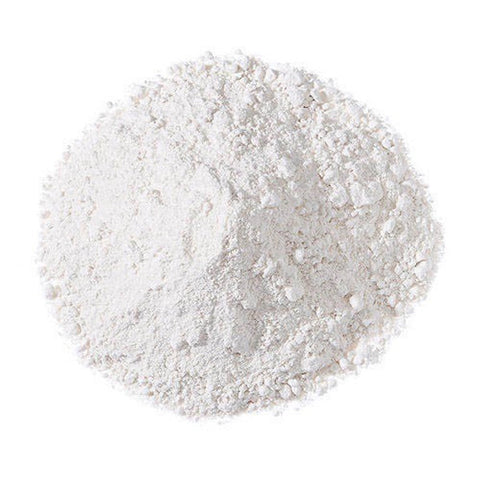
Tannine helpt sterkere afdrukken te creëren, vooral op cellulosevezels. Katoen en linnen hebben vaak baat bij een tanninestap voordat ze met aluminiumacetaat worden gemordant. Dit geeft het aluminium iets om aan te binden en helpt de plantkleur effectiever vast te houden.
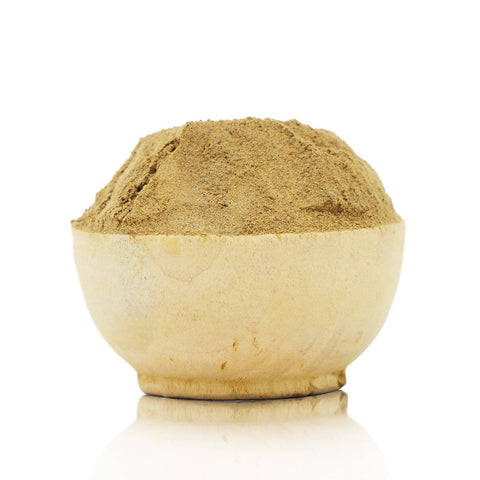
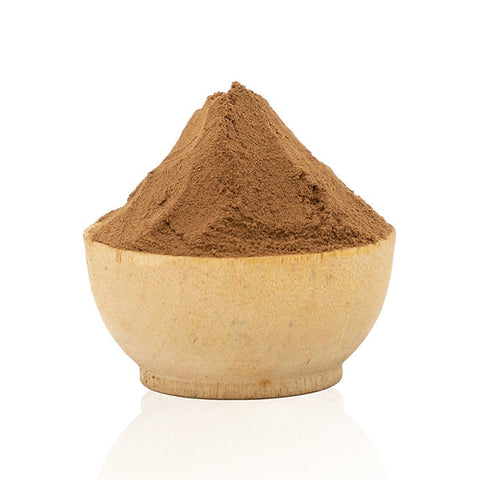
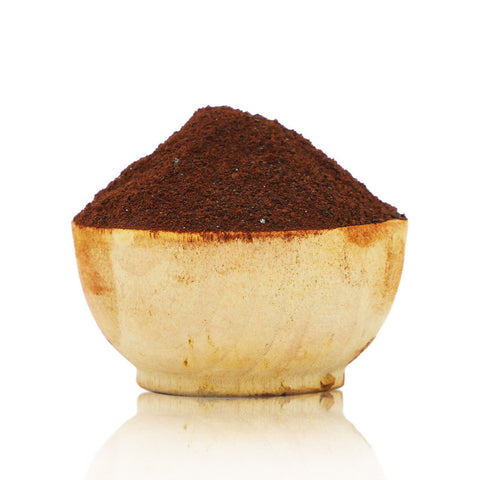
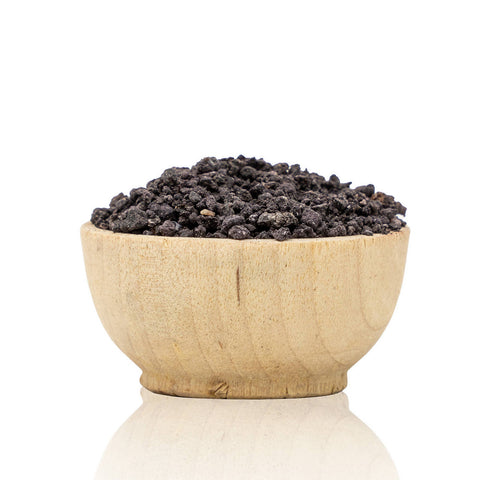
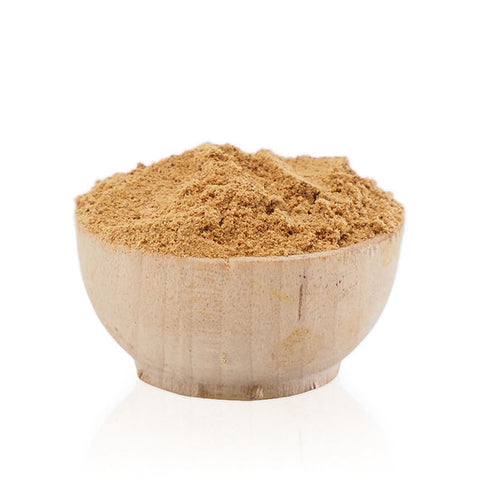
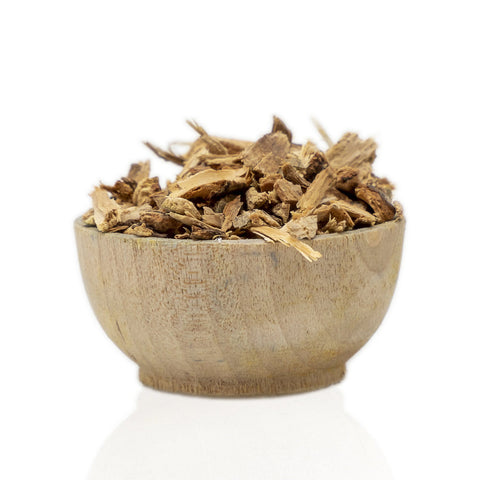
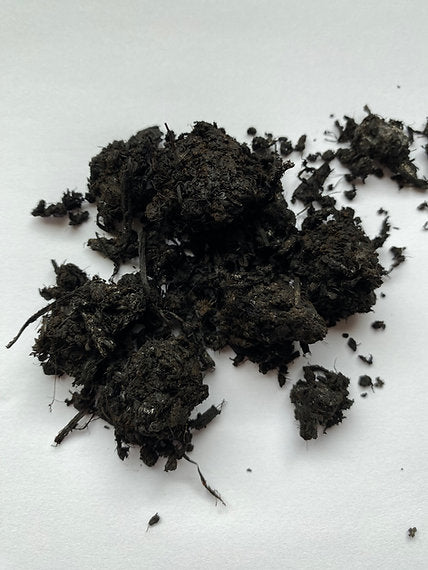
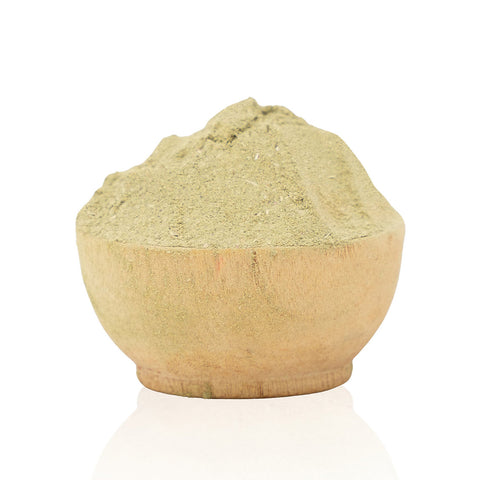
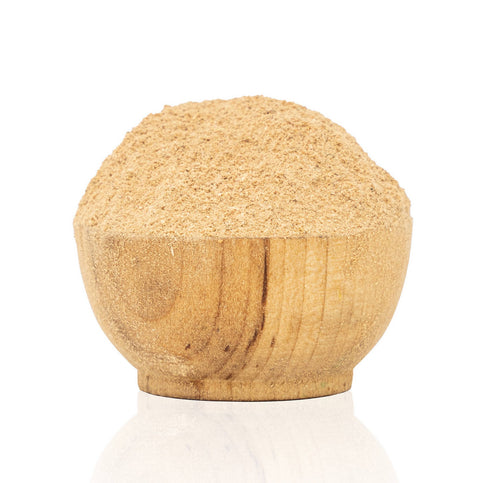
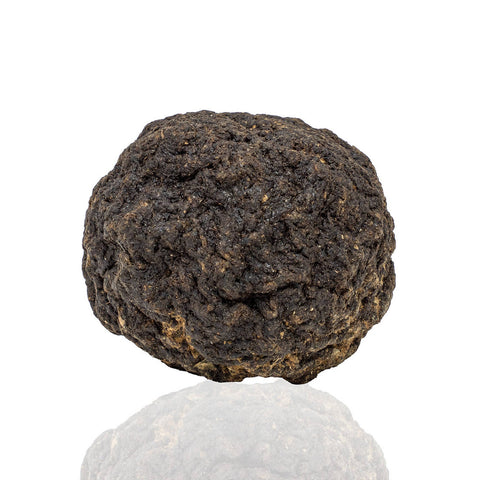
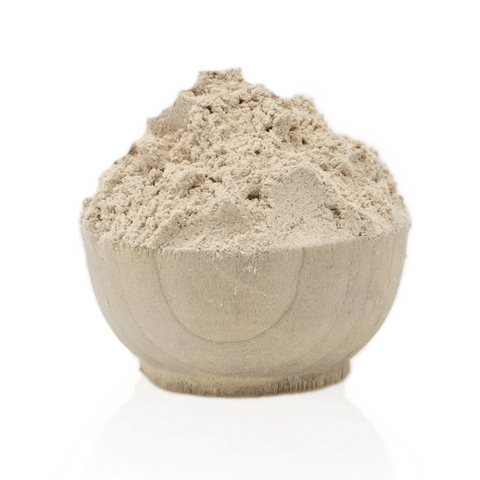
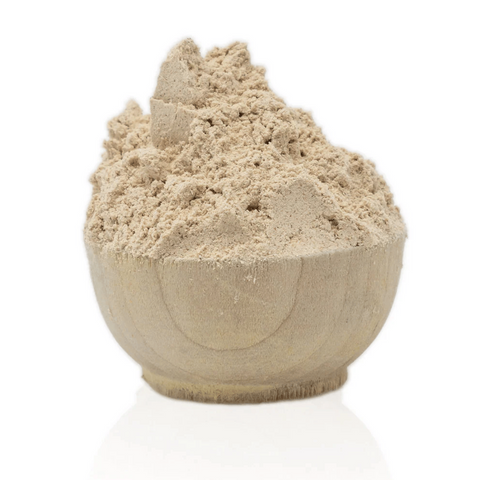
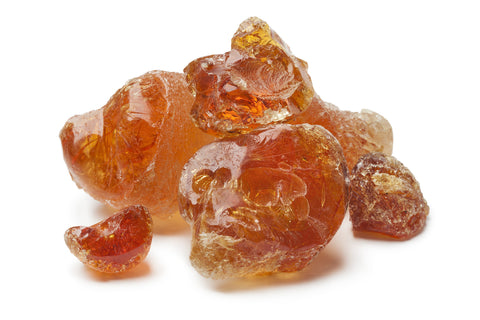
Tannines kunnen afkomstig zijn van planten zoals galnoten, sumak, myrobalan, tara, granaatschil of andere tanninerijke materialen.
In eco-printing is tannine ook belangrijk omdat het sterk reageert met ijzer. Deze reactie kan grijze, houtskoolachtige, olijf- of zwarte markeringen creëren, wat verklaart waarom tanninerijke bladeren vaak mooie definitie geven wanneer ijzer aanwezig is.
Ijzer
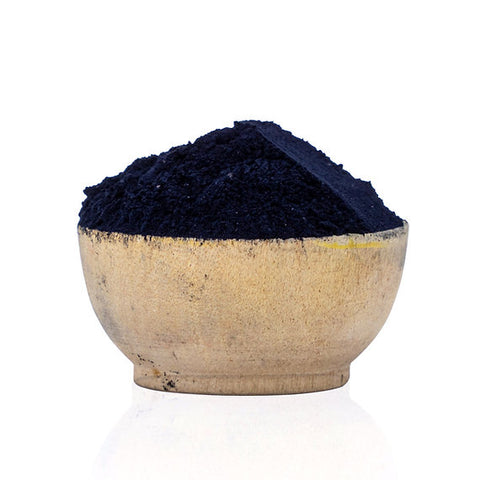
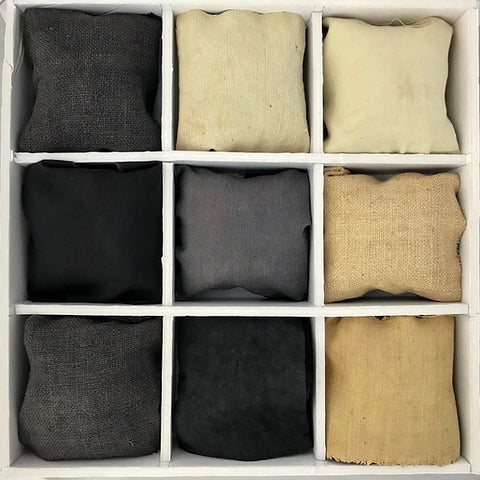
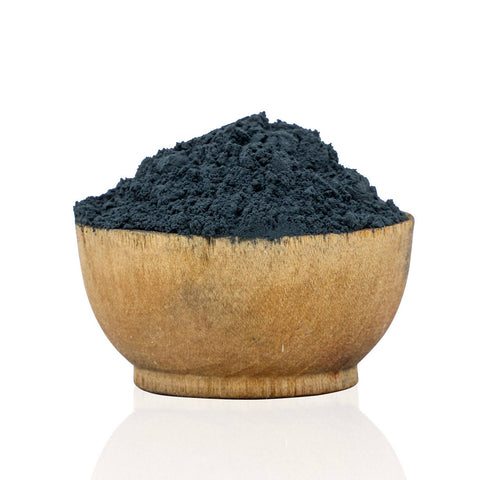
Ijzer is een van de krachtigste modifiers in eco-printing. Het kan zachte tanninemarkeringen transformeren tot donkere, dramatische afdrukken. Het wordt vaak gebruikt om grijs, houtskool, olijf, zwart of antiekachtige effecten te creëren.
Ijzer is uitstekend om de vorm van tanninerijke bladeren zoals eik, sumak, roos, walnoot, granaatappel en cotinus naar voren te brengen. Het moet echter met zorg worden gebruikt. Te veel ijzer kan de hele bundel donker, modderig of hard maken. Het kan ook vezels na verloop van tijd verzwakken als het in excessieve hoeveelheden wordt gebruikt.
Een beetje ijzer is vaak al genoeg. Beginners gebruiken vaak te veel omdat het effect in het begin zo opwindend is. Voor duidelijkere en elegantere botanische afdrukken is het meestal beter om ijzer licht en doelbewust te gebruiken.
Koper
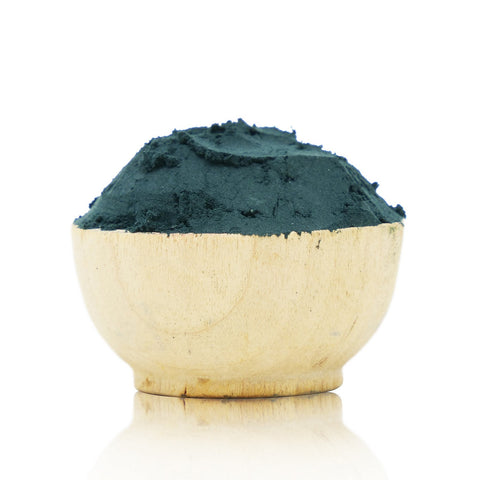
Koper kan kleuren naar groen, teal, olijf of diepere tonen verschuiven, afhankelijk van de plant en de vezel. Het wordt minder vaak door beginners gebruikt dan aluin of ijzer, maar het kan zeer interessant zijn voor botanisch printen.
Koper kan complexiteit toevoegen, vooral met gele kleurplanten en tanninerijke bladeren. Net als ijzer moet het met zorg en in kleine hoeveelheden worden gebruikt. Het is meestal niet de eerste mordant die ik aan beginners zou aanraden, maar het kan nuttig zijn zodra je het basisgedrag van je planten en vezels begrijpt.


Zonder mordant
Kun je eco-printen zonder mordant? Soms, ja. Sommige planten bevatten genoeg tannine of pigment om een afdruk op stof achter te laten zonder extra hulp. Eucalyptus, walnoot, uienschillen en sommige tanninerijke bladeren kunnen zelfs op niet‑gemordanteerde stof afdrukken.
Maar resultaten zonder mordant zijn meestal minder betrouwbaar. Ze kunnen bleker zijn, minder wasvast of sneller vervagen. Als je voor de lol experimenteert, kan werken zonder mordant interessant zijn. Als je duidelijke, herhaalbare en duurzamere botanische afdrukken wilt, is mordanteren meestal de moeite waard.
Mordanten voor wol en zijde
Voor wol en zijde is aluin meestal het beste beginpunt. Deze vezels hebben een natuurlijke affiniteit voor kleurstoffen, dus het proces is vergevingsgezinder. Een eenvoudige aluinmordant kan prachtige resultaten geven met veel bladeren en bloemen.
Ijzer kan voorzichtig worden toegevoegd als modifier wanneer je donkerdere lijnen, grijstonen of sterker contrast wilt. Het is vooral effectief met tanninerijke bladeren.
Mordanten voor katoen en linnen
Katoen en linnen hebben meer voorbereiding nodig. Voor goede resultaten gebruik je een tanninestap gevolgd door aluminiumacetaat. Dit geeft cellulosevezels een veel betere basis voor botanisch printen. Of gebruik aluminium tri-formate als je algemene koude mordant.
Veel beginners denken dat katoen makkelijker is omdat het goedkoop en vertrouwd is, maar bij natuurlijk verven en eco-printing is katoen vaak veeleisender dan zijde of wol. Als je eerste katoenen afdrukken teleurstellend zijn, betekent dat niet dat je slecht bent in eco-printing. De vezel heeft simpelweg betere voorbereiding nodig.
De juiste mordant kiezen
Als je net begint met eco-printing, houd het simpel.
Voor wol en zijde, begin met aluin.
Voor katoen en linnen, begin met tannine plus aluminiumacetaat.
Voor donkerdere contouren en dramatische bladvormen, gebruik een kleine hoeveelheid ijzer.
Voor experimentele groenen en diepere gemodificeerde tonen, probeer later koper.
Het doel is niet om elke mordant tegelijk te gebruiken. Het doel is te begrijpen wat elk van hen doet. Zodra je weet hoe aluin, tannine, aluminiumacetaat en ijzer zich gedragen, wordt eco-printing veel voorspelbaarder.
Mooie bladeren zijn een prima begin, maar ze zijn niet het hele verhaal. In botanisch printen begint het echte plezier wanneer de plant, de stof, het mordant, de warmte en de druk allemaal besluiten samen te werken. Mordanten helpen die samenwerking mogelijk te maken. Ze geven de plantkleur iets om zich aan vast te grijpen, en zodra je begrijpt hoe ze werken, worden je eco‑prints veel minder "we zien wel wat er gebeurt" en veel meer "ah, nu weet ik waarom dat werkte."
Ik help je graag met alles wat je nodig hebt, daarom heb ik zoveel blogs over eco-printing en natuurlijk verven gepubliceerd, neem de tijd om ze te lezen en van te genieten!


2 reacties
Hello,
I wanted to thank you for writing this.
I so appreciate you taking the time to help clarify some things about ecoprinting for beginners.
I am a beginner and have had mixed outcomes with different fabric bundles. I’ve been experimenting with the dirty pot, but now wondering if steaming would be more effective than submerging my bundles.
I have many questions about bundle techniques, barriers and blankets, as I have heard these terms a lot and don’t trust AI to accurately describe them and the process. I tried using it before for some help with my dirty pot preparation and it didn’t work well. I’m wondering if I could ask some questions I have about the process here or if you might have a book or other resources you would recommend for a beginner,
Thanks so much,
Shara
כתבת כל כך ברור
תודה רבה