
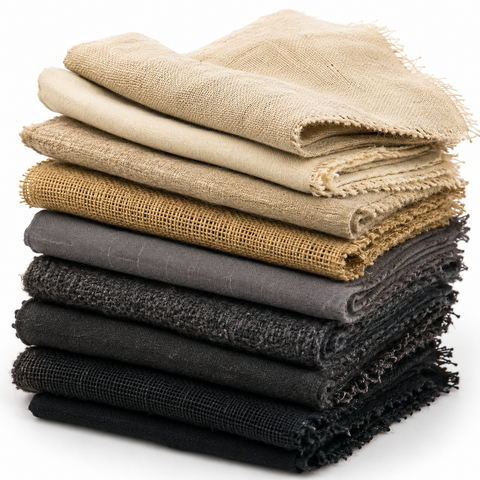
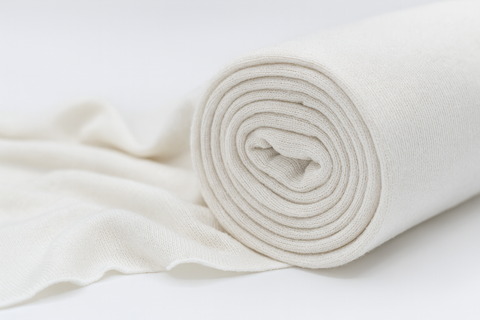
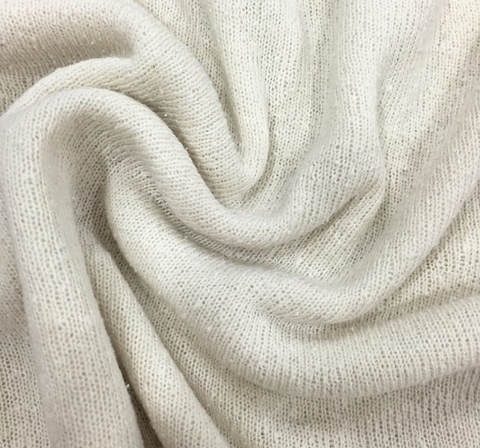
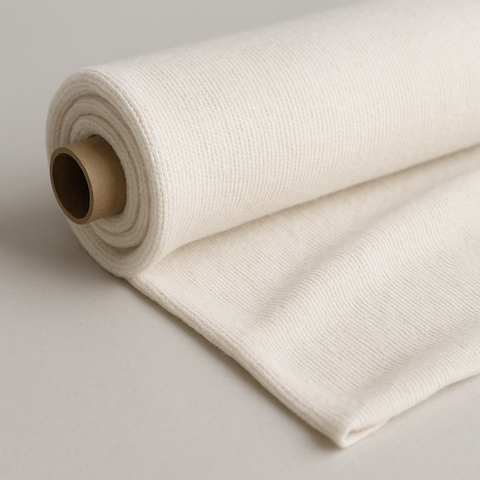
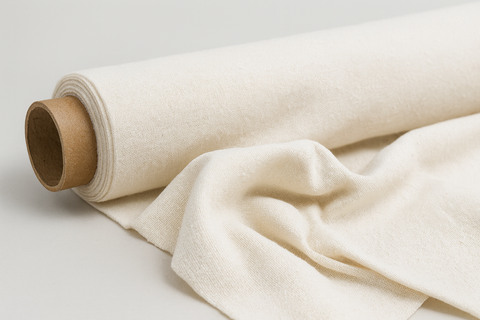
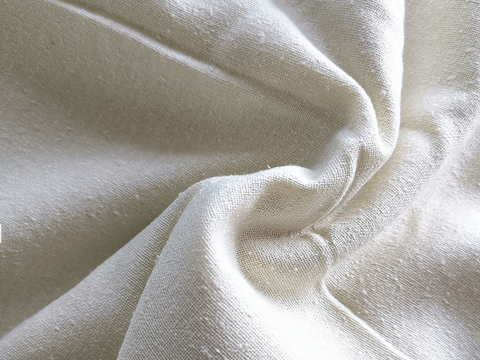
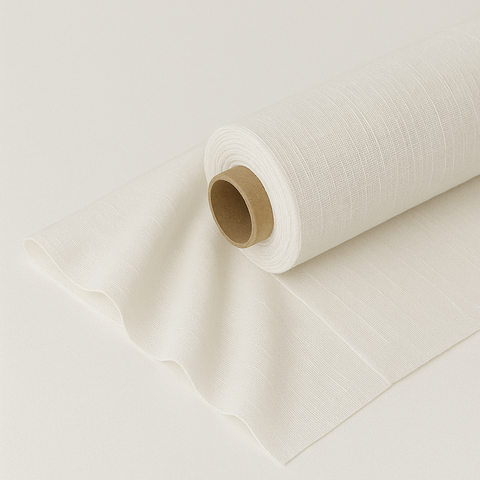
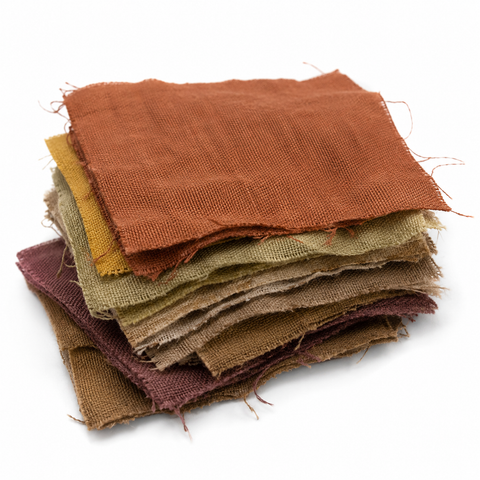
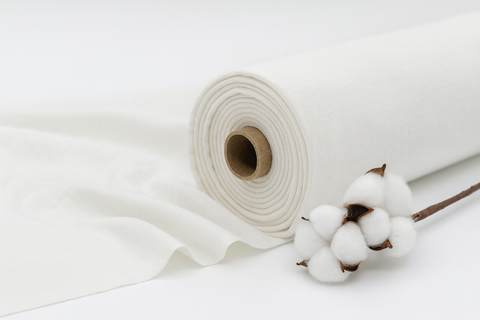
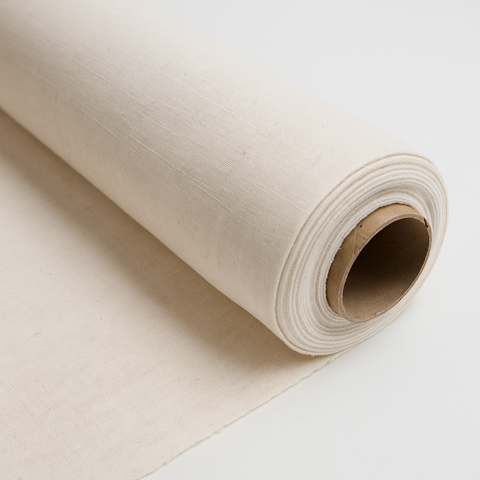
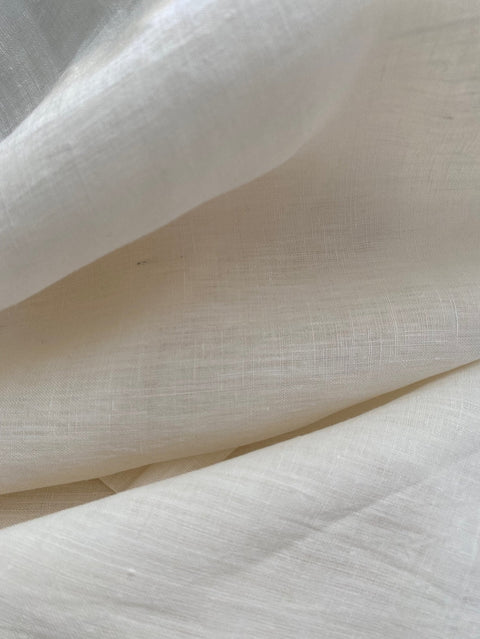
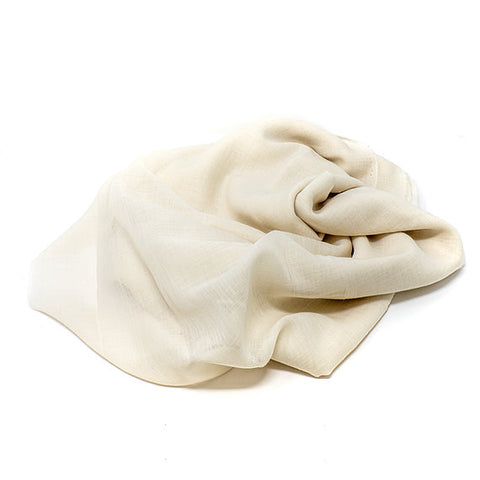
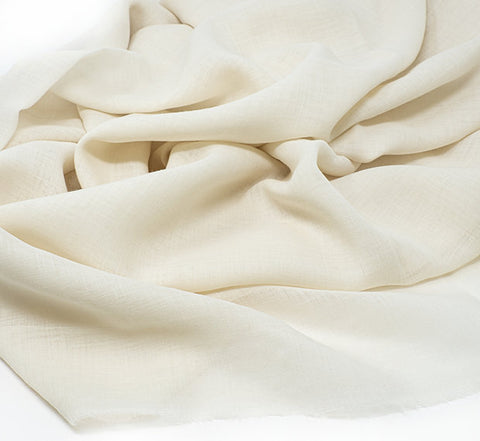
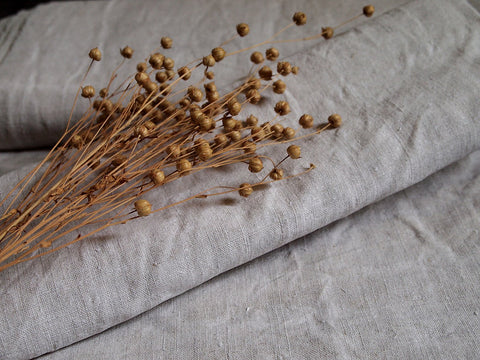
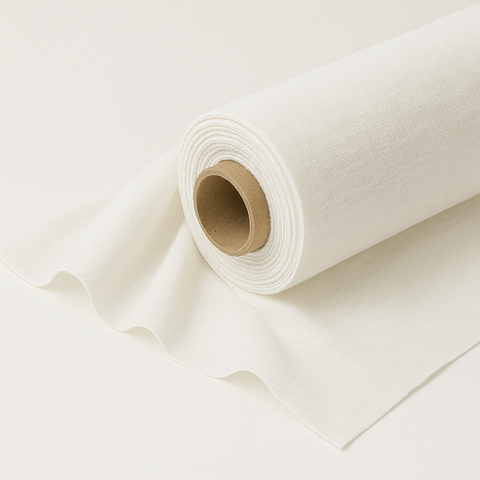
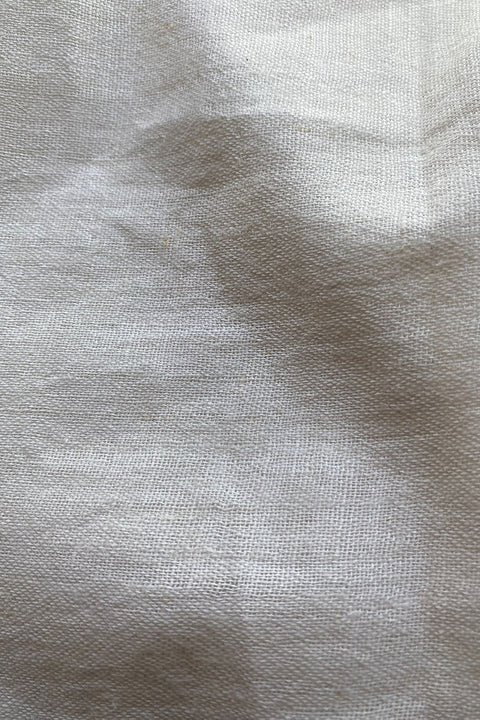
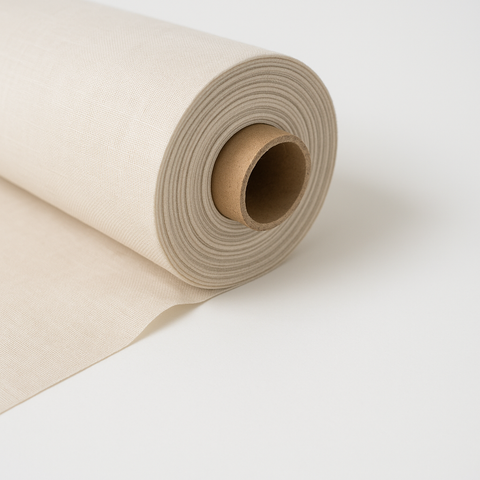
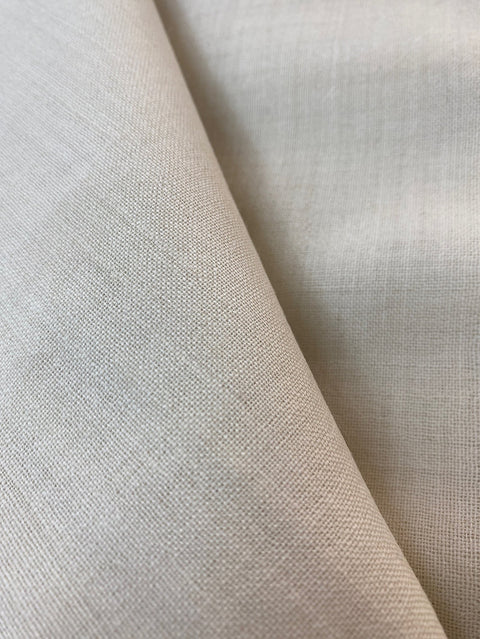
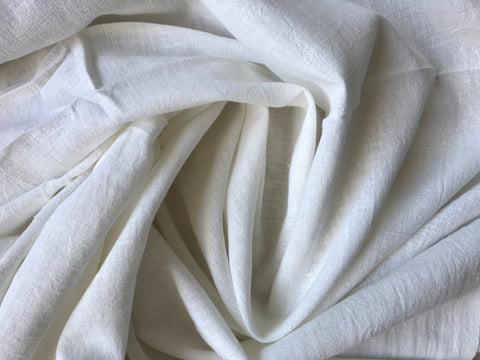
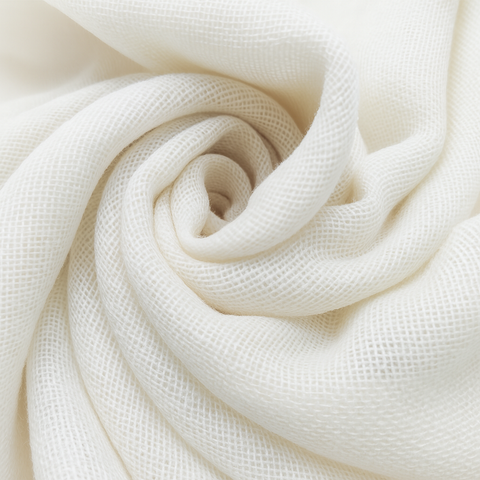
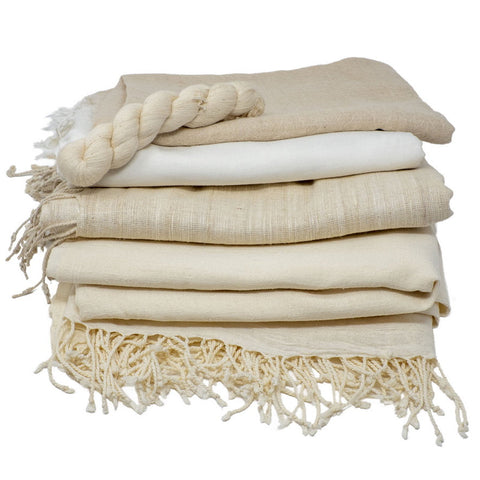
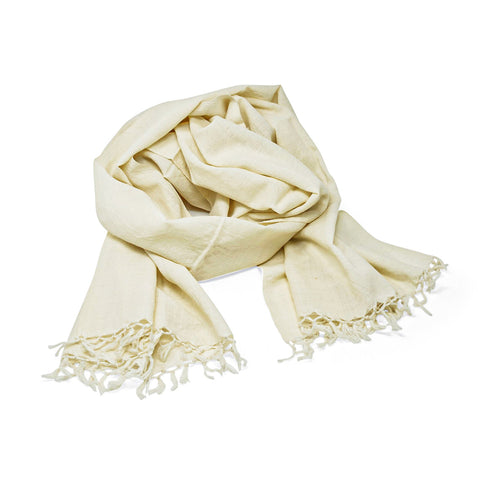
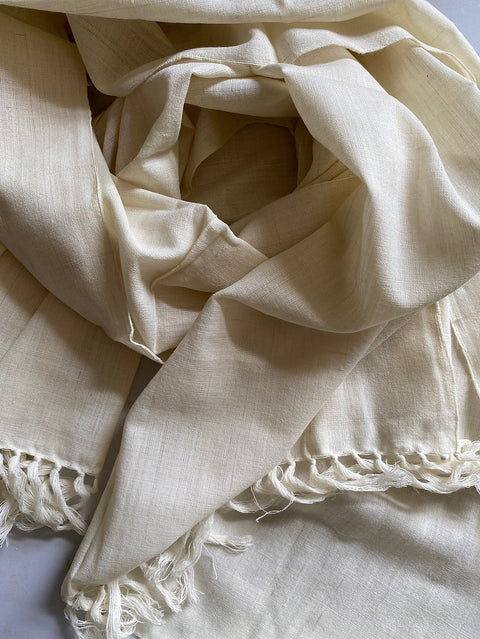
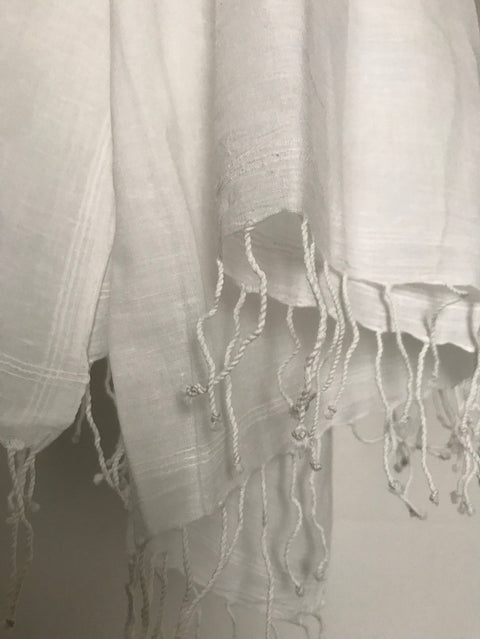
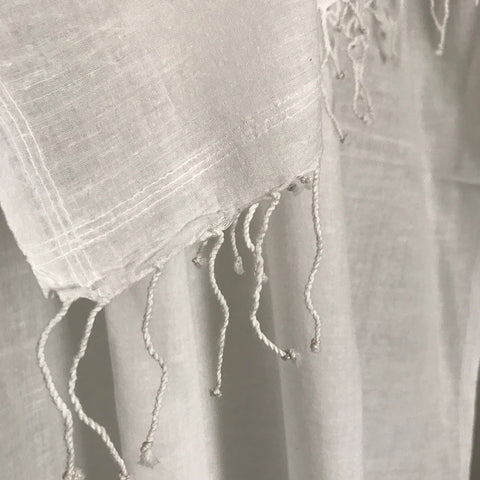
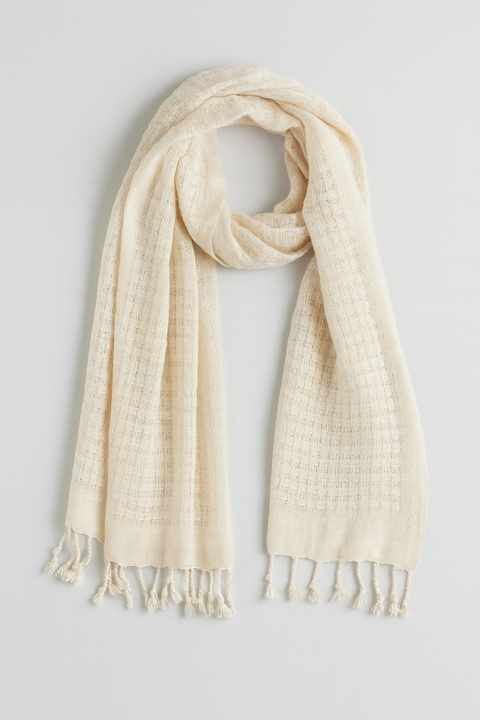
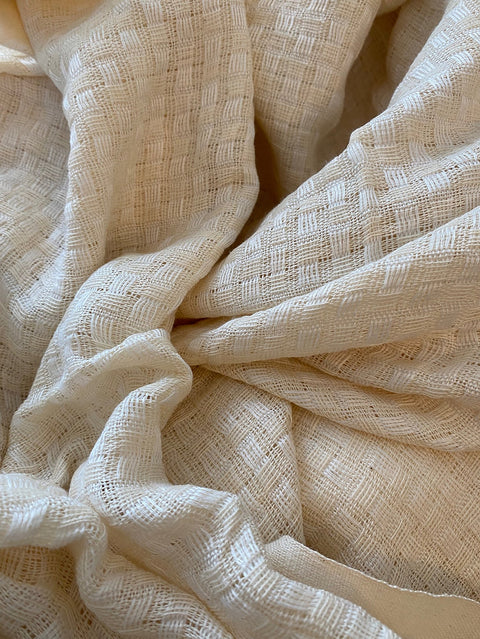
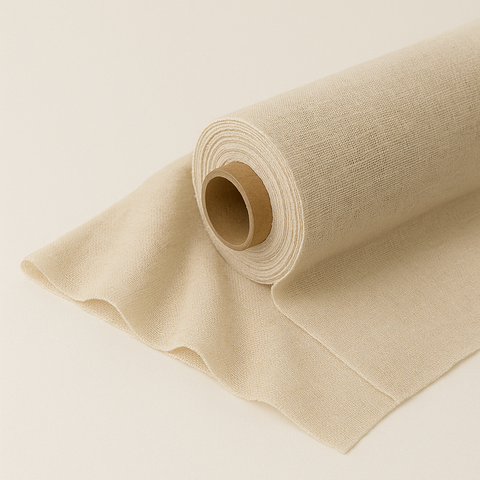
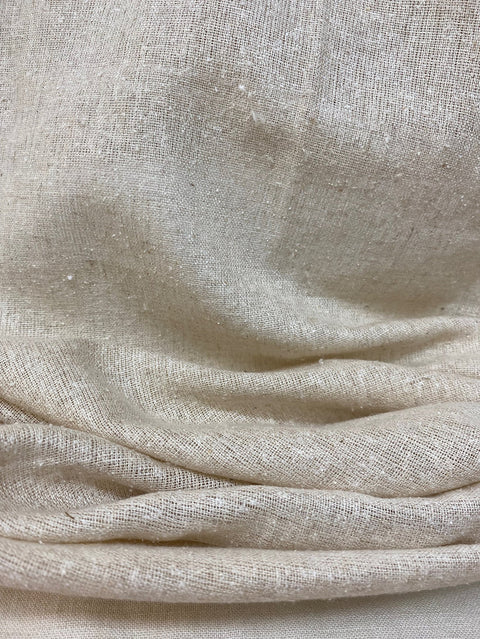

Лён — одна из старейших, самых универсальных и экологичных тканей в Европе. Получаемая из растения льна, она прочна, дышащая, красива и долговечна. В Нидерландах лён имеет глубокую и увлекательную историю, связанную не только с торговлей и текстильным производством, но и с семейной жизнью, свадебными традициями и домашним трудом женщин.
Первые упоминания о выращивании льна в Нидерландах относятся к XIII веку. На протяжении столетий голландское производство льняных тканей развивалось в уважаемое ремесло, сочетающее мастерство, терпение и практические знания о земле. Голландский климат с умеренной погодой и плодородными почвами был благоприятен для выращивания льна, и этот материал стал важной частью повседневной жизни.
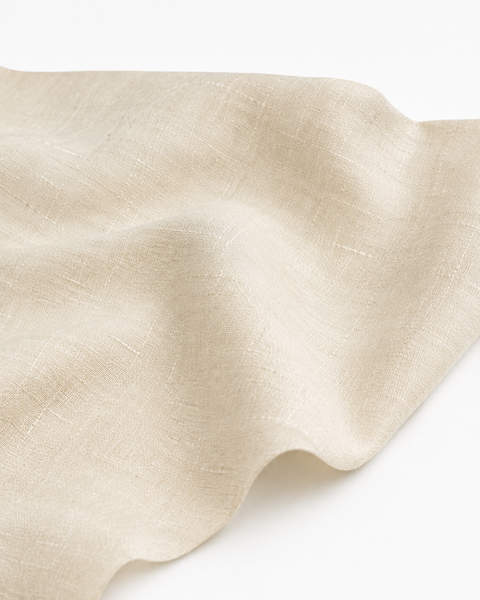
Голландский лён был известен своей прочностью, мягкостью и тонким переплетением. Такие города, как Харлем и Лейден, играли важную роль в производстве и торговле текстилем, а соседние регионы, например Фландрия, также прославились своим льном. По всей Европе хороший лён ценили как практичную, красивую и долговечную ткань.
Лён как подсобное ремесло
Хотя лён производили и коммерчески, значительная часть производства происходила гораздо ближе к дому. На фермах лён часто выращивали для домашнего пользования. Его готовили, пряли, ткали и хранили женщины — для семьи и дочерей, чтобы собрать приданое.
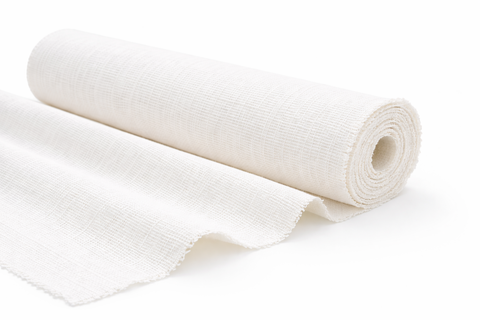
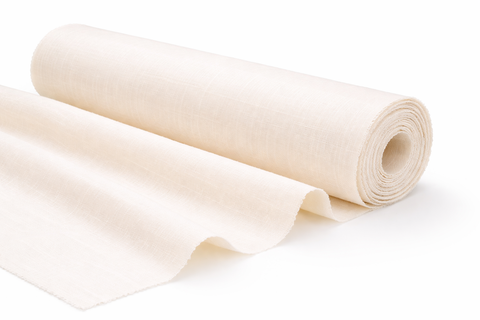
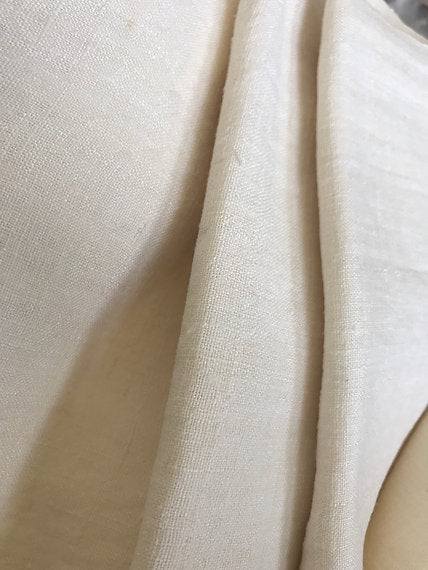
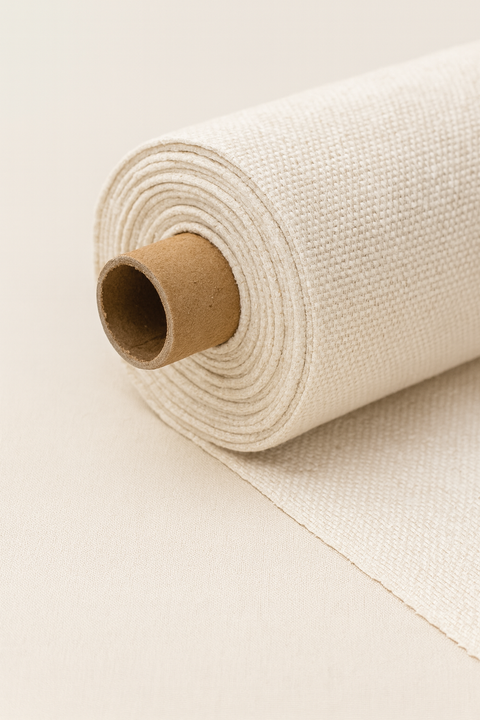
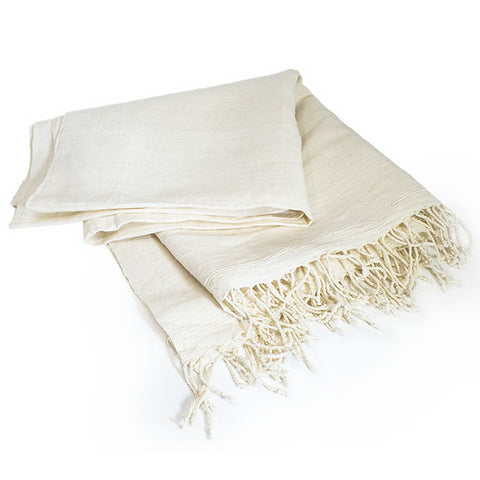
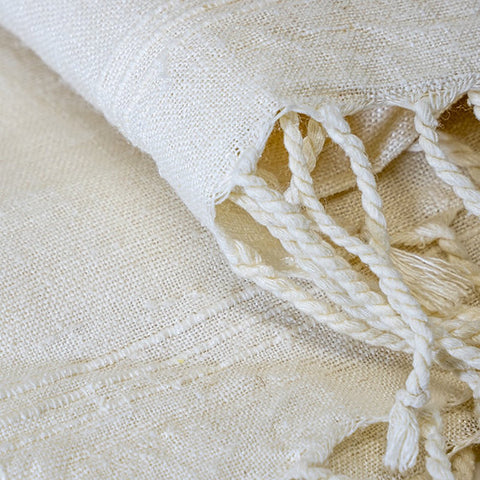
После сбора урожая лён проходил множество трудоемких стадий, прежде чем превратиться в нить. Его реттили, сушили, дробили, очищали, чесали, пряли и, наконец, ткали. Полотно часто ткали на простом деревянном ткацком станке с двумя планками. Эти станки обычно давали ткань около sixty-nine centimeters в ширину, а готовые полотнища могли иметь длину в несколько метров. Большинство старых льняных полотен, которые мы видели в студии, имеют длину между six and ten meters long.
Из этого льна женщины шили простыни, наволочки, рубашки, скатерти и другие бытовые текстильные изделия. Эти вещи входили в приданое молодых невест. Инициалы часто вышивали на льне, обозначая принадлежность вещи конкретной женщине и её будущему хозяйству.
Размер и качество приданого имели значение. Полно наполненный льняной шкаф свидетельствовал о трудолюбии, достатке и готовности к браку. Чем больше льна приносила с собой невеста, тем более состоятельной и подготовленной её считали.
Часто также существовал особый набор простыней и наволочек, отложенных для свадебной ночи.
Погребальный саван
Одной из самых трогательных частей этой традиции было то, что невеста также приносила погребальный саван. Его шили из самого тонкого льна и бережно хранили, часто в верхнем левом отделении льняного шкафа, за простынями.
Погребальный саван надевали после смерти. Обычно он был прост по крою: длинная прямая льняная рубашка с рукавами до локтя и открытым вырезом. После того как саван был готов, игла, которой его шили, ритуально сжигалась, чтобы избежать несчастий.
Таким образом лён сопровождал женщину через главные рубежи жизни: брак, дом, семью и смерть.

Dookrollen: скрученный лён для льняного шкафа
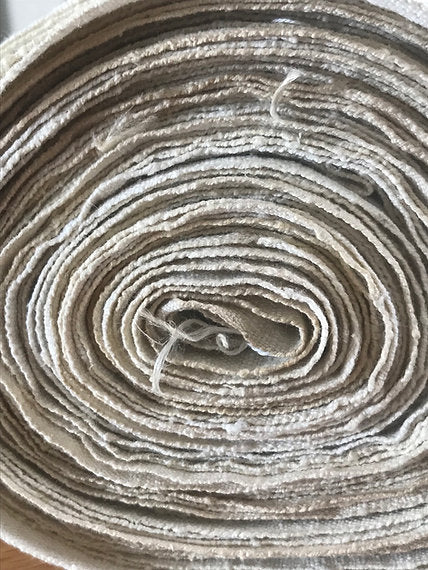
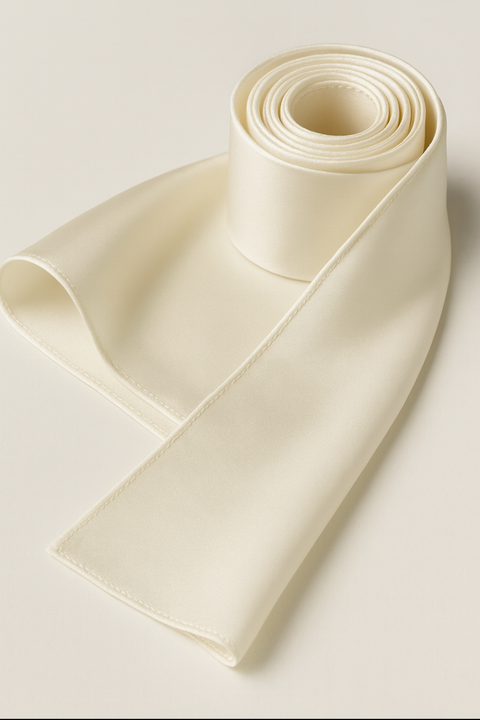
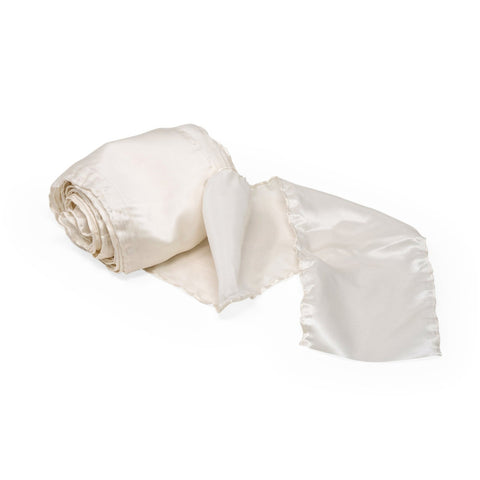
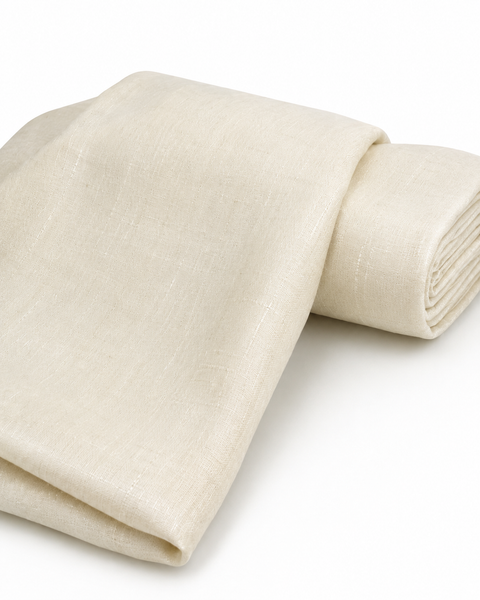
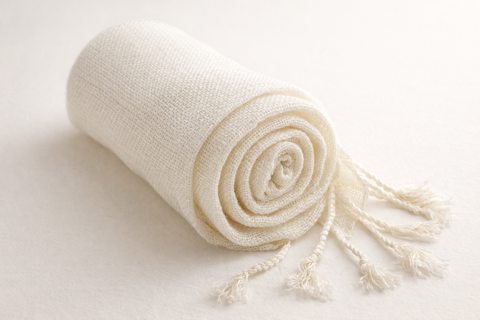
Непошитый ткaный лён часто складывали и сворачивали в красивые декоративные формы, известные как dookrollen, произносимые во многих районах почти без конечной «e», то есть dookroll'n. Слово dookrol, скорее всего происходит от слов doek (что значит «ткань») и rol, которое, неудивительно, означает «рулон».
Эти рулоны не прятали из виду. Их выставляли в льняном шкафу как видимый знак домашнего богатства, мастерства и заботы. Новый рулон не открывали легкомысленно. Только когда рубашка, простыня или скатерть полностью изнашивались и были заштопаны много раз, открывали новый dookrol и отрезали от него кусок льна.
Традиция dookrollen, по-видимому, особенно известна в восточных и северо-восточных частях Нидерландов, включая Ахтерхук, Твенте и Дренте. Способ сворачивания льна формирует фигуру, напоминающую сердце с двумя розами: цветами любви.

Роза слева — белая роза невесты, символизирующая чистоту, девственность и добродетель. Роза справа — красная роза жениха, олицетворяющая мужскую кровь и страсть. Точная форма рулонов может варьироваться от региона к региону, а порой и от семьи к семье. Мне доводилось видеть и разные узоры зигзагов и другие формы.
После свадьбы родственники и друзья приходили поздравить молодых. Полный и красиво убранный льняной шкаф считался настоящей гордостью. Во время визитов мужчины могли осматривать коров друг у друга, а женщины показывали свои льняные шкафы.
Как делают dookrollen
Создание dookrollen требует силы, терпения и практики. Это не просто сворачивание куска ткани.
Обычно для правильного сворачивания льна требуется от двух до четырех женщин. Сначала лён стирали. Традиционно его затем раскладывали на траве для отбеливания и сушки на солнце. Смягчители ткани не использовали, и лён не гладили перед скручиванием.
Женщины начинают с растягивания и разглаживания ткани руками. Затем лён складывают вдоль пополам, а часть ткани снова подгибают назад. Отрезок длиной примерно two meters складывают в зигзагообразный узор, причем каждая полоса немного короче предыдущей.
В некоторых примерах, однако, процесс проще, и ткань сворачивают с двух сторон.
Линейку или ножницы помещают в середину сложенной полосы ткани. Затем сворачивание начинается с обеих сторон. Два рулона медленно принимают форму, образуя характерный узор сердца и розы.
Когда форма правильная, два рулона сшивают прочной нитью, чтобы держалась форма.
В готовом виде это выглядит элегантно и легко, но процесс требует немалой физической силы и большого опыта.

Сохранение традиции
Искусство изготовления dookrollen теперь входит в нематериальное культурное наследие Нидерландов. Как и многие текстильные традиции, оно сохраняется потому, что люди по-прежнему заботятся о том, чтобы демонстрировать, документировать и передавать его.
Эти рулоны — не просто хранимая ткань. Они олицетворяют женский труд, гордость дома, брачные обычаи, региональную идентичность и ценность, придаваемую льну как ценному материалу.
У нас в студии есть голландский лён ручного прядения и ручного ткачества такого рода, но его становится всё труднее найти. Часто старые dookrollen уже вскрывали, чтобы измерить ткань и продать. Я буду держать глаза открытыми в поисках подобных исторических тканей, потому что такие вещи несут истории, которые заслуживают сохранения.
0 комментарии