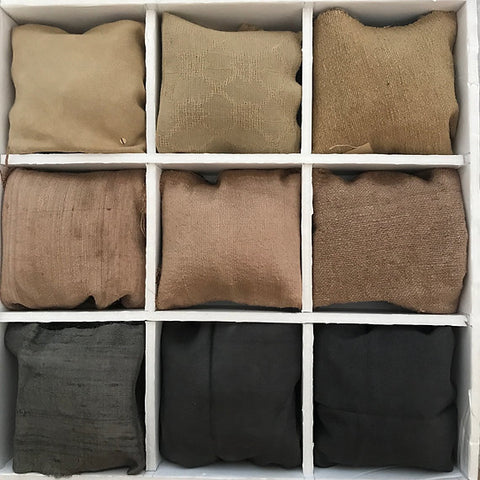
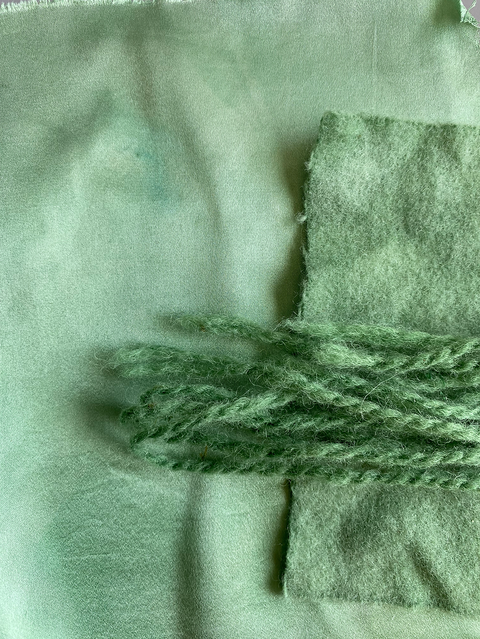
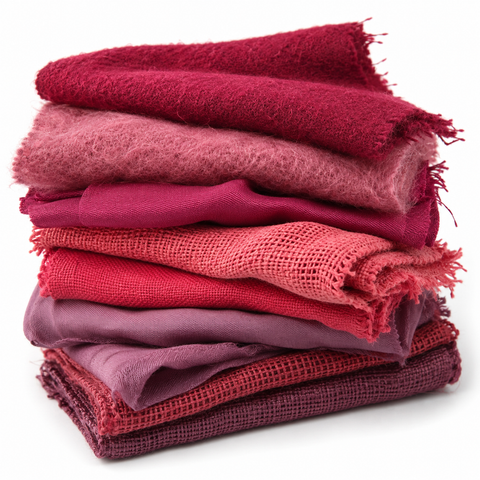
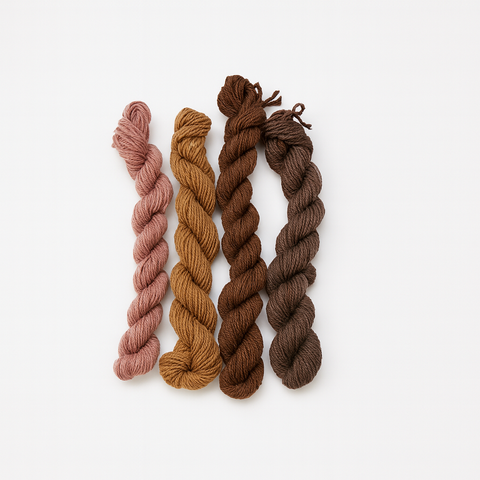
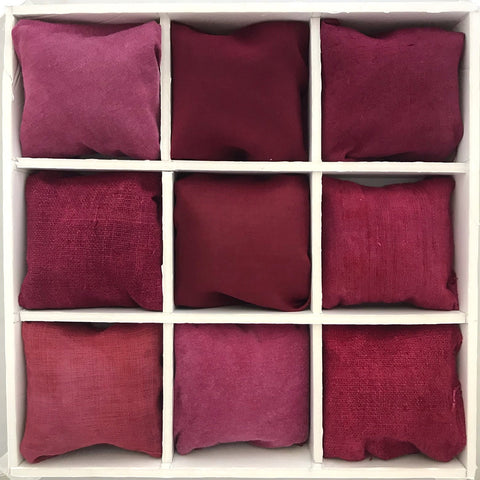
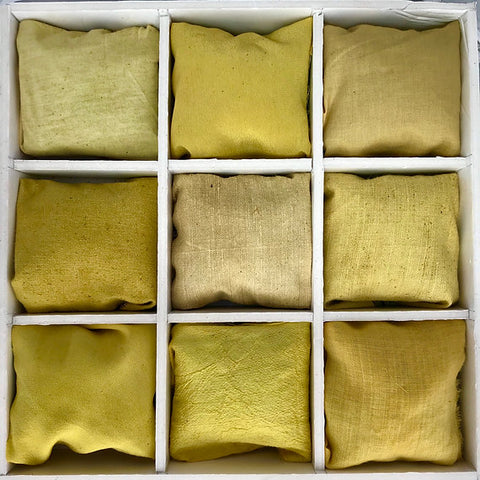
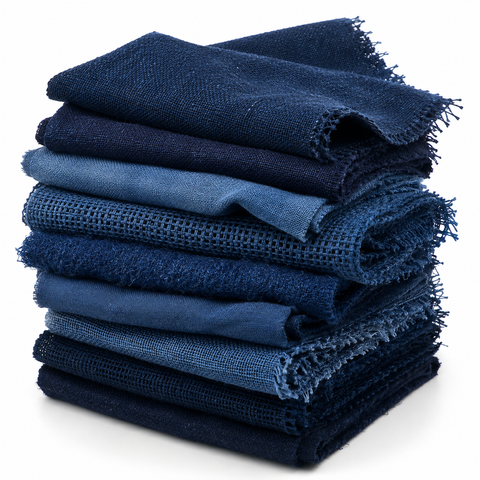
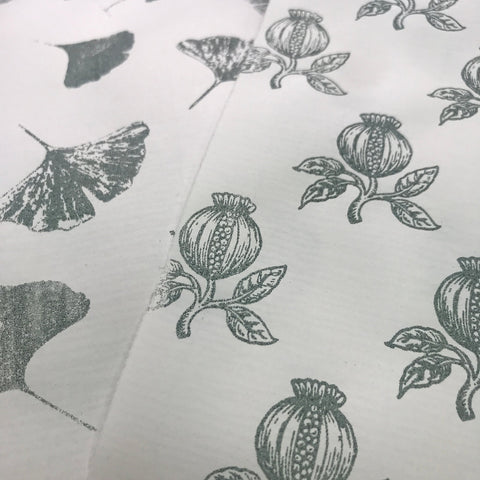
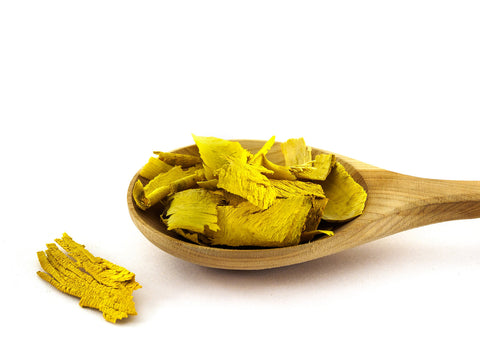
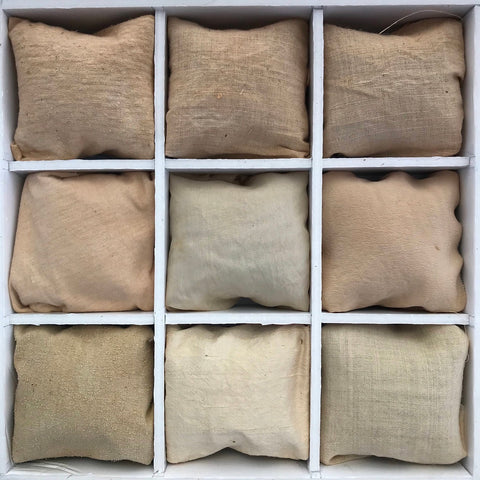
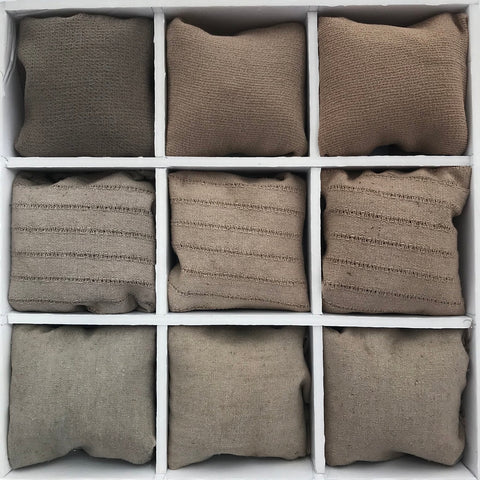
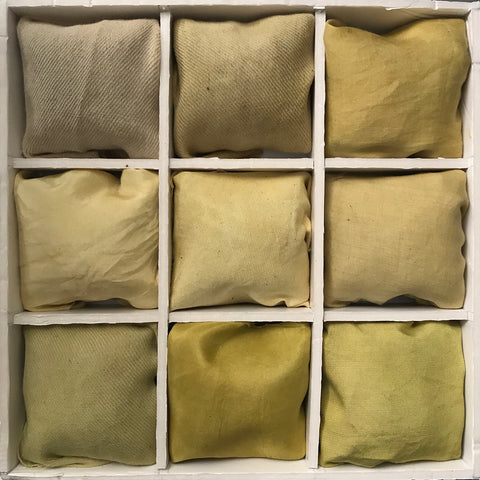
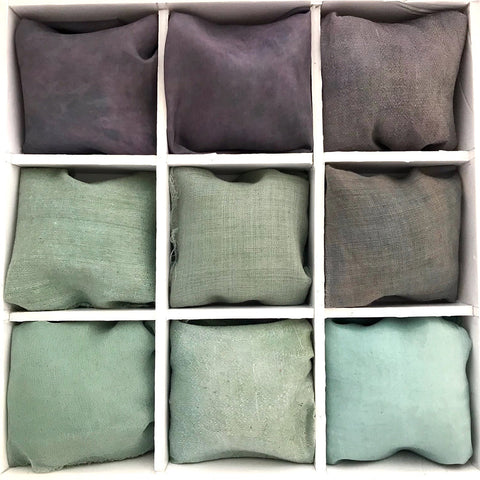
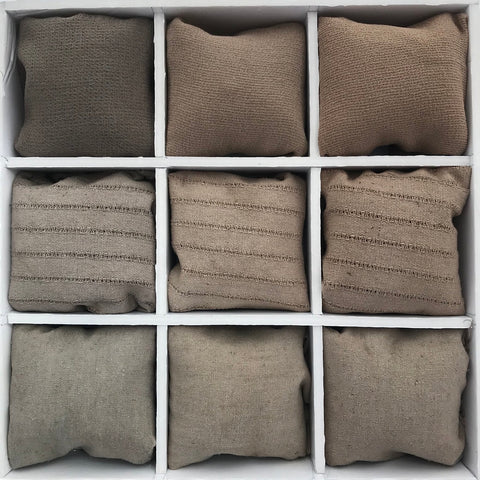
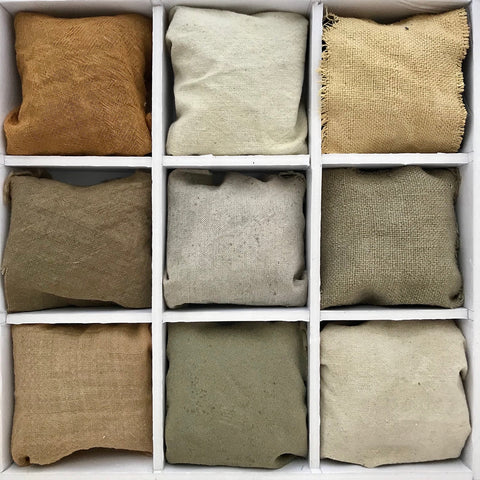
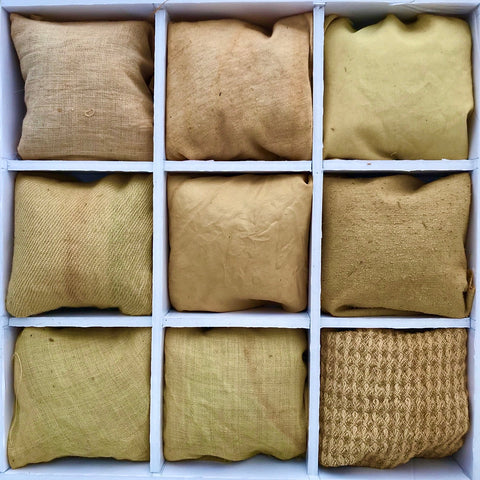
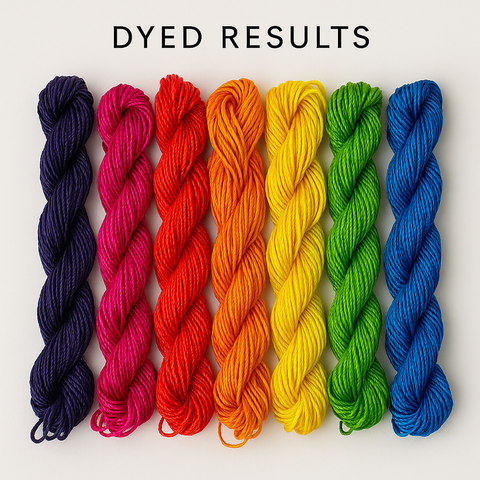
When it comes to natural dyes, there are several options available for textile artists and home dyers. In our webshop, you can find raw dyestuffs, dye powders, and extracts, and very often we will have more than one version for a specific dye material. In this blog post, we’ll break down the differences between the [...]
A lot has been said about the sustainability of different fibers, and silk has been getting a bad reputation in the last years with large companies like ASOS banning silk from their collections under pressure from organizations like PETA. The ease with which fashion companies have removed silk from the collection, immediately had me thinking [...]
The rarest dyes, part of a series of (now) rare natural dyes, see also the blog about Murex and Kakishibu. Kermens is an insect-derived dye, belonging to the group of anthraquinone dyes that include; Armenian cochineal (Porphyrophora hamelii) – carminic acid + kermesic acid Cochineal (Dactylopius coccus) – carminic acid (CI 75470 Natural Red 4) [...]
In the summer of 2022, I visited Mexico for almost a month. I started with a visit to Mexico City and Cuernavaca, then moved to San Miguel de Allende for two weeks to teach a workshop in natural dyeing and botanical printing. I will start this blog by stating I feel that whatever I learned [...]
Origins of Dyeing with Persimmon Tannin The fermentation is done by adding persimmon yeast to the persimmon pulp, then they ferment it over two years. The fermented juice can then be strained and used straight out of the container, or it can be strained, dried, and ground into a fine powder or granules. This powder [...]
Dried, store bought natural dyes. The biggest enemy of natural dyes are light and moisture. So best to store them in a dark, dry and cool place. Glass jars are excellent for keeping your dried dyes safe and moisture free. I use recycled mayonnaise jars but the best ones are the type of mason jars [...]
Try Symplocos for a 100% plant based dye process and stunning new shades. In the second half of the 19th century, botany was extremely popular. Thomas Hogg, Jr. introduced Japanese and Asian plants to the delightful arboreta of the time, some of which still exist today. Variants of Symplocos trees like Symplocos tinctoria, and Symplocos [...]
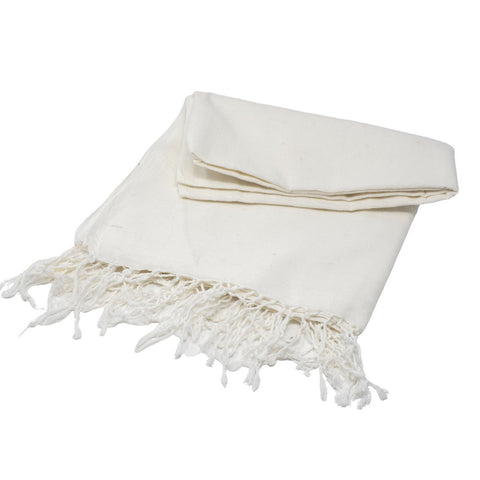
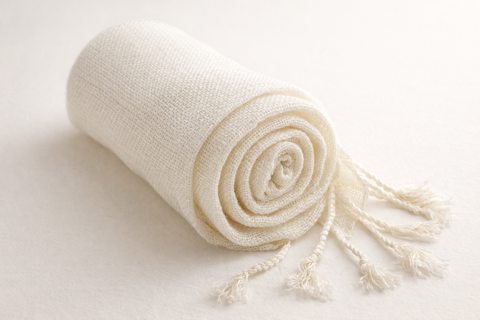
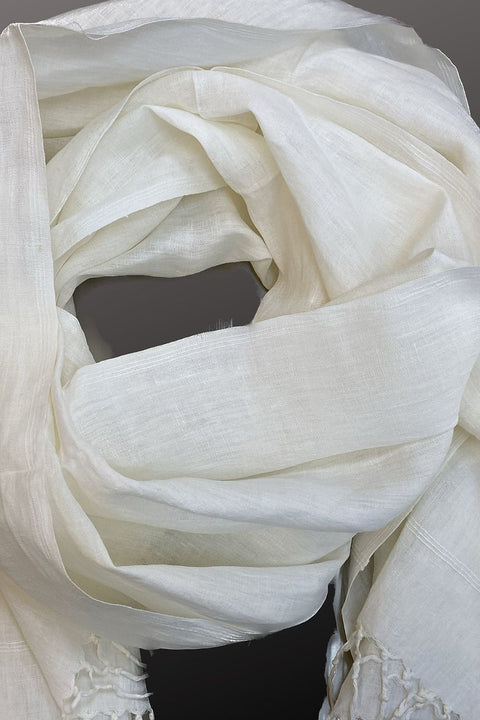
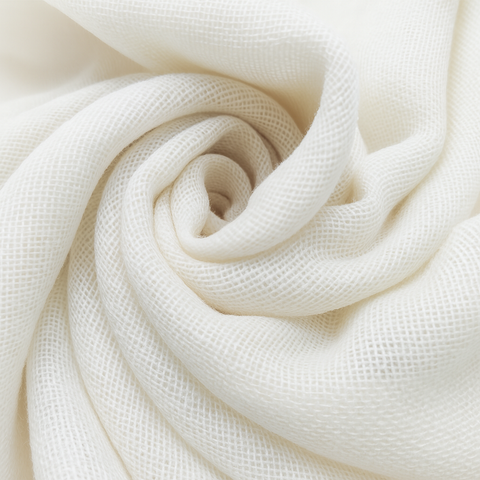
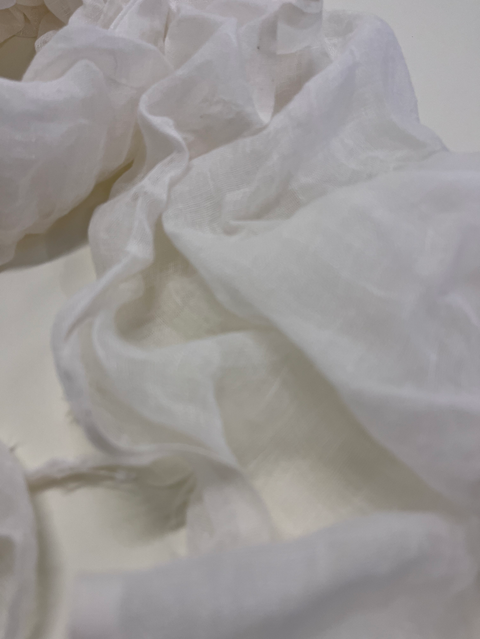
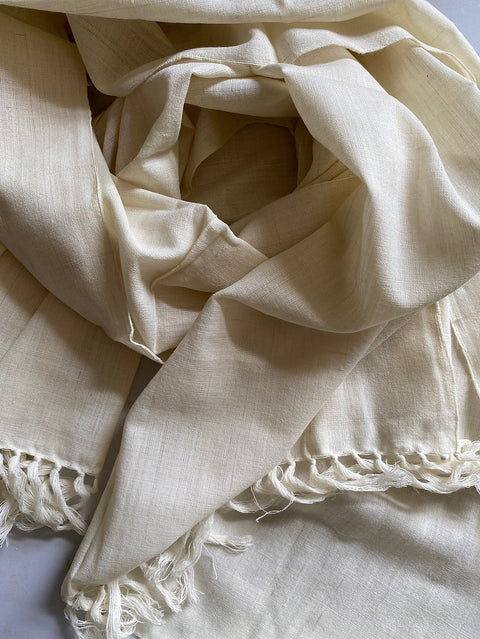
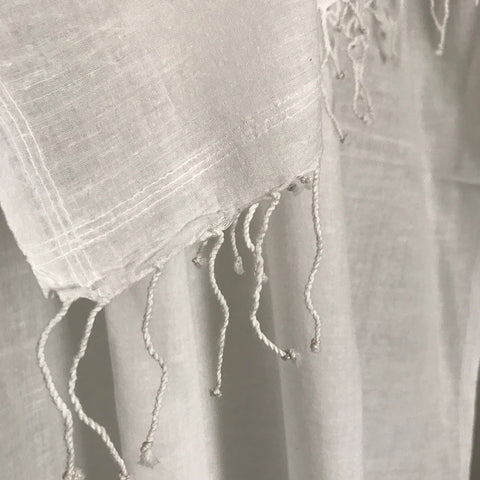
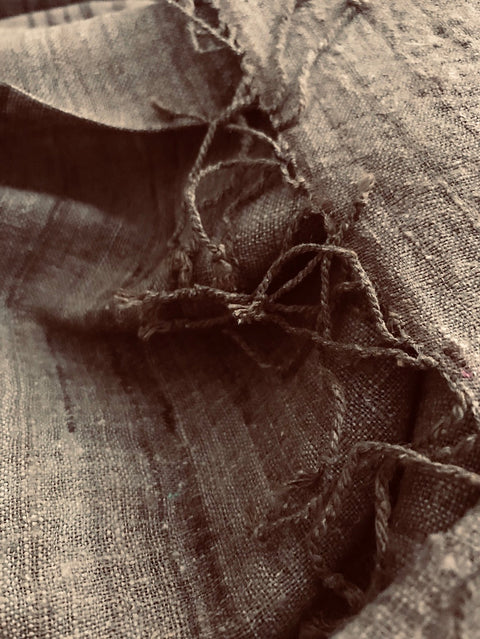
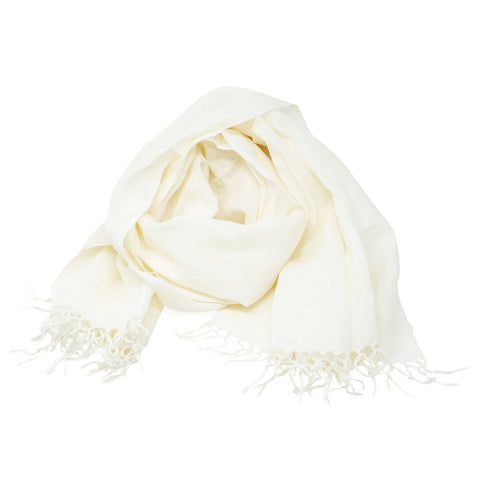
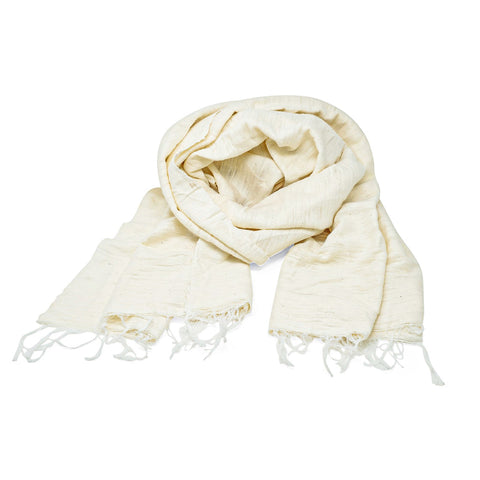
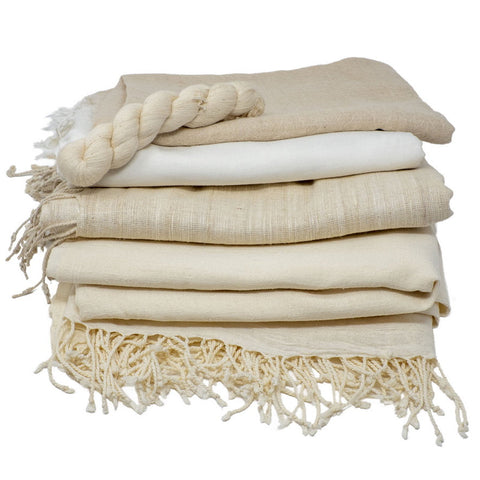
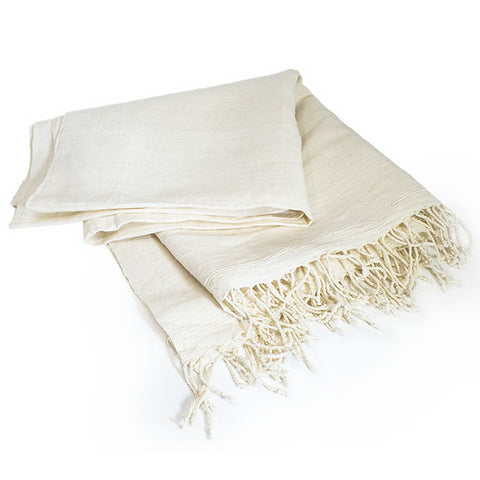
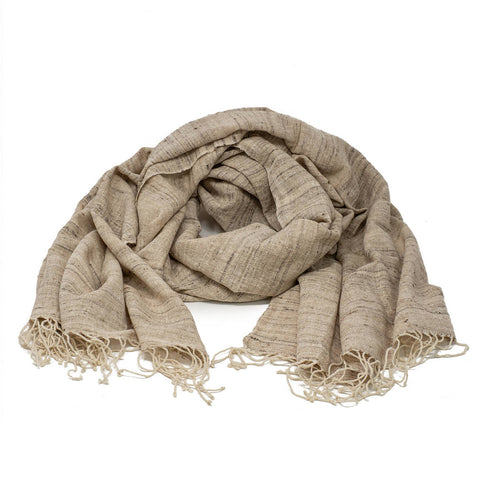
At DekelDyes we have a longstanding love affair with handwoven fabrics. Handwoven fabrics have an amazing hand and texture and they take dyes like a champ. More than just beauty and comfort: I love knowing there is a story behind what I am wearing, these are fabrics made by people I have a long standing [...]
HEALTH HAZARDS Are mordants toxic? Let it be clear that mordants are not to be ingested and exposure to skin may cause irritation. The mordants in this list are, to my knowledge and extensive research, not a health hazard when used correctly. There are different sites and articles where you can check toxicity of materials, [...]
Previously loved fabrics that have been washed well multiple times usually do not require extra scouring. Raw wool fleece contains easily up to 60% of grease (lanolin), sweat residue (suint), pectins (grass residue), poop and other dirt. These must all be removed before spinning and weaving. Processed wool fabrics usually come PDF and do not [...]
If you have opened a book or any instruction about natural dyeing, you will have see the term WOF. So what does that mean and why do I need it? WOF is short for Weight Of Fibre and that is relating to the dry weight of the fibers or fabrics that you want to dye. [...]
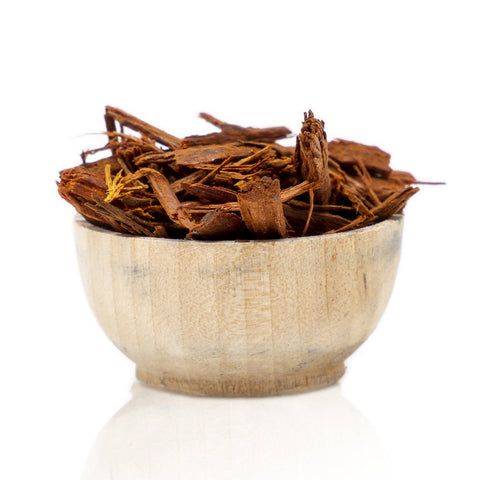
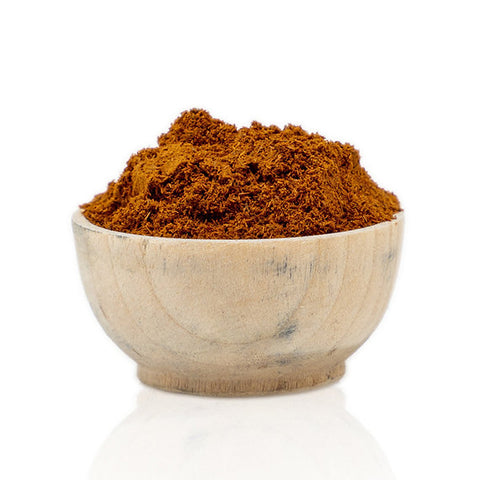
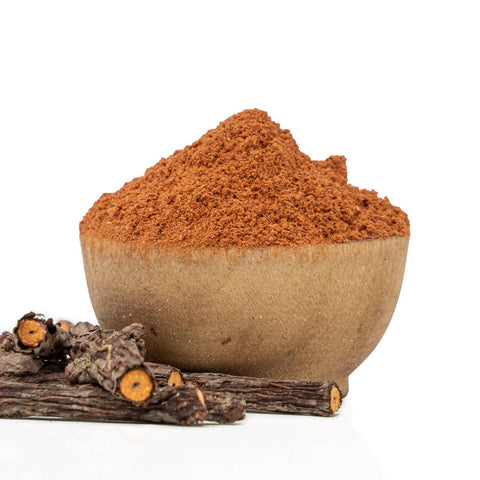
Discover more exotic natural dyes with surprising results, Rhatany roots could be just what you have been looking for in your natural dye stash! Where does it come from? Rhatany (Krameria trianda) grows in Bolivia, Equador, Chile and Brazil, in areas over 1000 meter altitude. Most of the dye stuff is collected and exported from [...]
Because of the sensitive state of mangrove forests it is very important to only make use of dye that is produced from the byproduct (bark) of controlled timber. We chose our mangrove tannin from a trusted source with Forest Council Stewardship (FCS®) certification. This bath will be with a ph of around 6, and as [...]
The fruits of the Genipa americana are known as caruto, huito, jenipapo, guaitil, tapaculo, xagua, maluco, and vito, but most commonly Jagua, (the ‘J’ is pronounced as an ‘H’) which is what we will call it in this article. When I heard about it I KNEW I had to get my hands on this magic. [...]
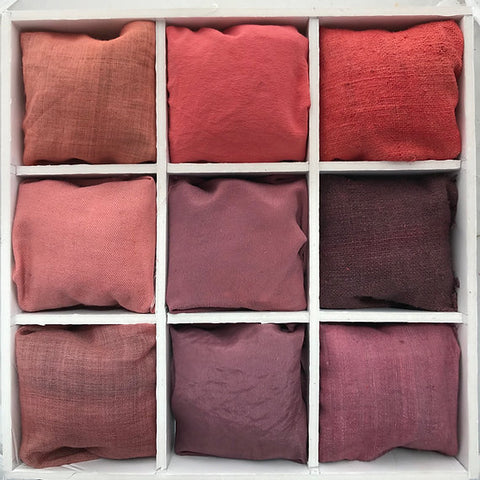
Rubia Tinctoria, the famous red dye from the anthraquinone family. Choosing the right Weight Of Fiber (WOF) and the right mordant is crucial for getting the perfect reds (as is choosing the right madder. Many of you struggle with getting the right shades and the most common complaint is that the shades come out too [...]
A blog post in light of the webinar I presented in October 2021. If there is anything I have learned about building a business, it is that your expectations, aspirations and reality do not always match. When I started working on my profile on a networking website for sustainable fashion-related businesses, it made me fill [...]
You may know how I started working from my home, then occupied a spare bedroom and eight months ago moved out of that room to a small studio space at around seven minutes driving from my house. Well that space became too small, very fast, as I added products. What was worse: it had the [...]
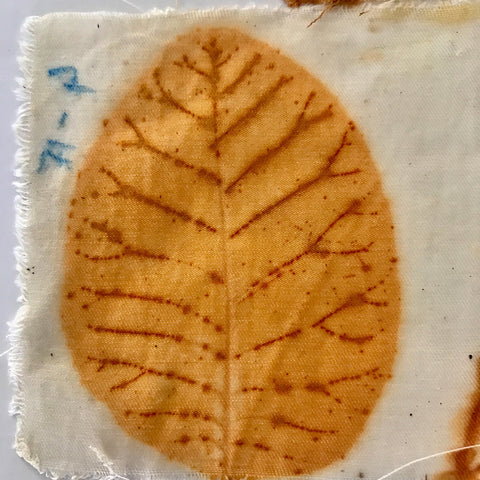
It is getting chillier in the evenings and my Cotinus bush is showing signs of the autumn as its’ leaves are turning brown. If you love eco printing as much as I do, you will dread running out of leaves to use. If you have not done so yet, this is the last window of [...]
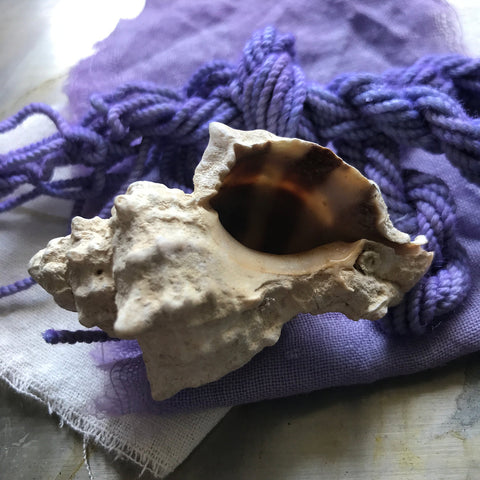
Dyeing fibres with the use of sea snails (Murex) is an art found in history from the Irish coast lines to the Adriatic seas and the Mediterranean coasts. In Mexico and Guatemala the knowledge is still alive, but this platform is too small to cover them all so I will limit myself to things close [...]
Nicole Cohen Yechezkel helped me put together these lovely bars of soap so you get a small preview of what you can do with natural dyes in soaps. She has a lovely website with holistic, handmade, natural skincare. You can be sure I will be posting about this more often! For grays: Sandal wood is [...]
The Indigotin Extraction Process To extract indigotin so we can store it (almost) indefinitely) we need to transform indican (a pale green organic compound present in the leaves of Indigofera, Isatis and Persicaria plants) into indoxyl and then into indigotin. To explain this complicated process I have made a small illustrative video. Do we always [...]
When I was young(er) I studied classical guitar. I actually have a degree-and-a-half in it, finishing the final concert of my Masters degree but not the accompanying thesis. The topic I was assigned bored me and they wanted me to write it in Hebrew. That made my motivation dive to historical lows until I finally [...]
Does my target piece need a mordant? Well that depends. If you are using tannin rich leaves, you do not really have to. If you are using anything else, mordanting with aluminium tri-formate or alum will be a great idea. See also this blog for tips on your first botanical print; https://naturaldyestore.com/blogs/blog/8-key-tips-for-your-first-eco-print If you are [...]
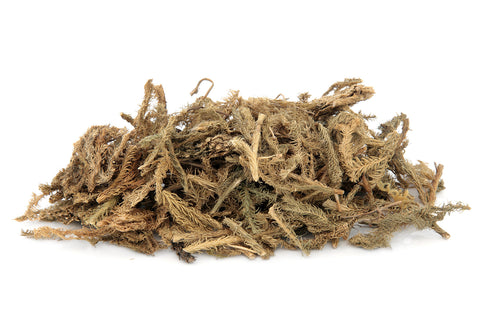
Bioaccumulation is the gradual accumulation of substances in an organism, in this case; alum. There are a few plants that are bio-accumulators of alum. For example, the fallen leaves of the Symplocos tree, tea leaves can contain very high concentrations of aluminum (up to 5,000 mg/kg in old leaves), and a few ferns. Clubmosses (Lycopodiopsida) [...]
Naphthoquinones, these are wonderful stable yellows and browns. Unlike Flavonoids, there are not many plant species that contain naphthoquinone. Naphthoquinone subgroups are; Plumbagin (walnut drupes, Indian leadwort) Juglone, found in all species of the walnut family (Juglandaceae). This includes trees such as black walnut, butternut, hickories and pecan. Black walnut hulls have the highest concentration [...]
Besides being an amazing dye component, anthraquinones are known as laxatives in natural medicine. Rhubarb root for example contains Physicion, which gives a red under alkaline circumstances but is also the stuff that will make you purge when you drink a tea from it. Do anthraquinone dyes need a mordant? Anthraquinone dyes are substantive on [...]
Before we get started, let’s agree on what I call the Foragers Pact; When foraging it’s important to leave enough for the plant to thrive and allow enough to be left for birds and other animals. As a rule of thumb: take only what you need and not more than 10% of any living plant. [...]
Flavonoids There are over 5000 naturally occurring flavonoids that have been characterized from various plants. They are classified according to their chemical structure, and are divided into subgroups, each subgroup has their little list of flavonoids. I have put together the ones you would be looking for (or should be avoiding) that have relevance to [...]
Here are 4 Natural Dyes you can use without the need of a mordant. Most natural dyes really need a good mordanting, either aluminium-based mordants, copper, ferrous sulfate or tanning using a tannin-rich plant material. Mordanting is important to improve the light- and wash fastness of your textiles and it intensifies the color outcome on [...]
It is really confusing, when you are just getting started and you are reading up on the blogs: cotton, AA, Euc, Fe dip, Steamed for 90 min. What does that even mean? Knowing the lingo will make your experience so much more pleasant, I can not stress enough how important this is. I have collected [...]
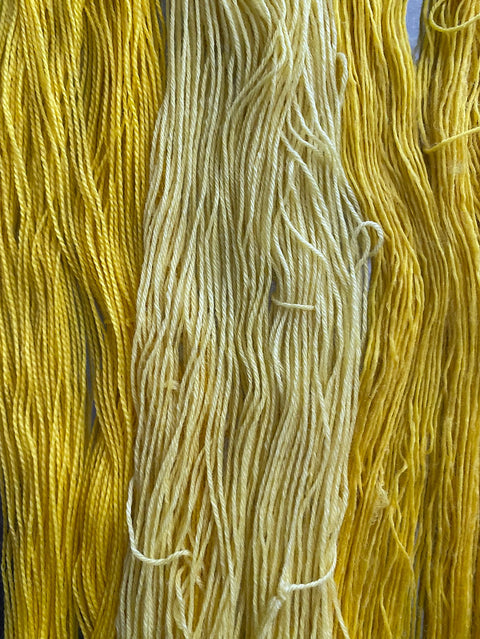
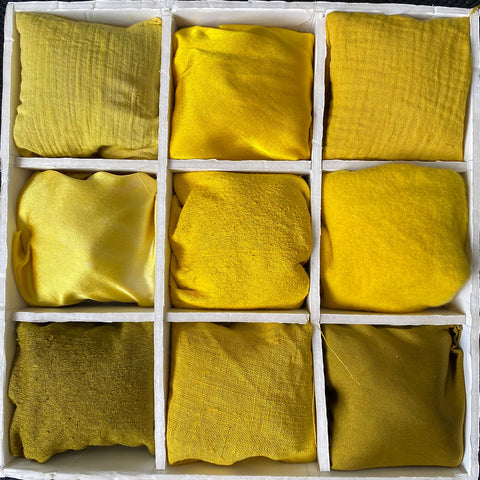
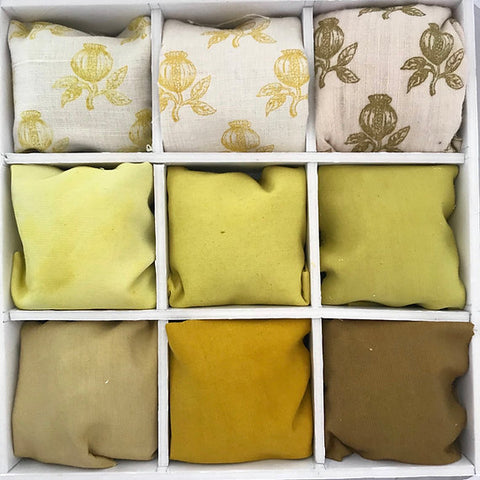
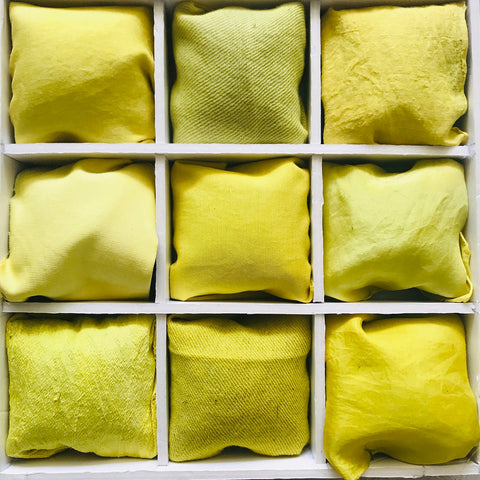
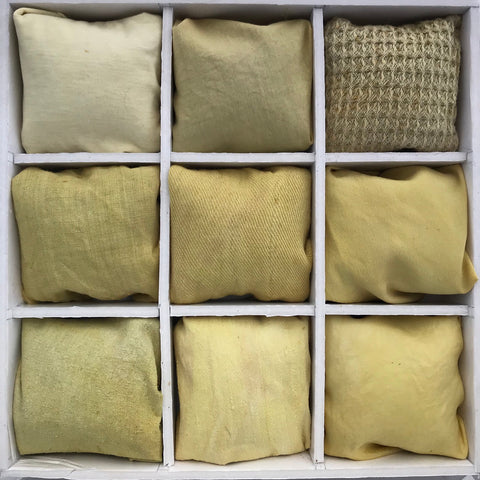
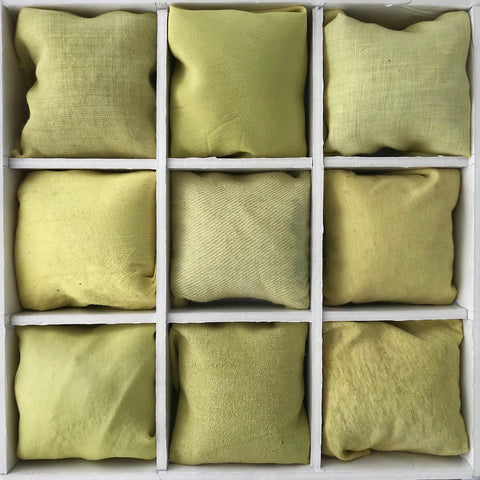
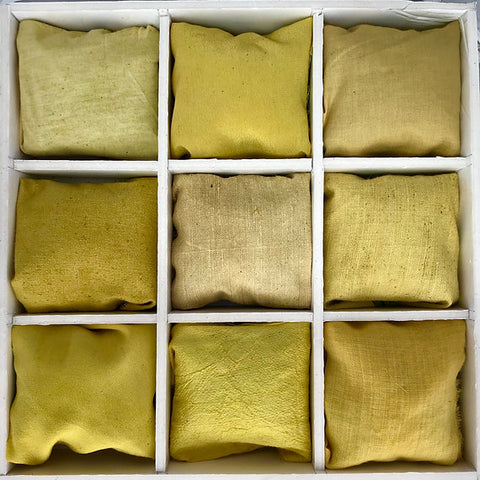
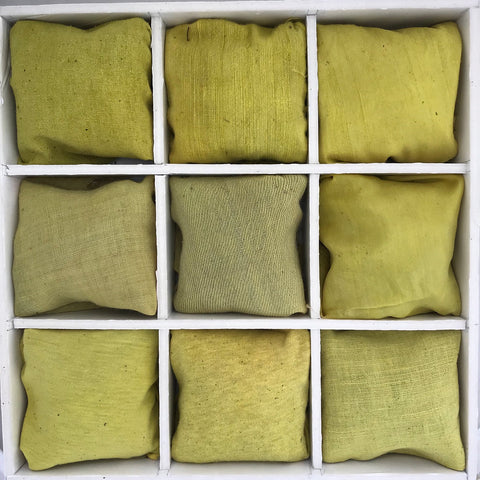
Not all yellows were created equal; some are lovely light fast, others more fugitive. There is warm yellow, sunny yellow, greenish yellow, pale yellow... the possibility are endless. I decided to test the very best of the bunch for you. Besides pomegranate and myrobalan (being substantive dyes), all yellow dyes will need a good mordant [...]
Dyer’s Greenweed, Dyer’s Broom, Dyer’s Mignonette, Dyer’s Whin, Waxen Woad and Waxen Wood are all names used for the same dye plant known in Latin as Genista Tinctoria. It was often used in dye houses as substitute for Weld, when weld prices were too high. In the 17th and 18th century, Weld prices were linked [...]
In several previous blogs you have been able to see and read more about the different results in natural dyes when using different mordants. In this blog I want to show you the results in reference to eco printing. The natural juices and tannins present in the leaves leave different prints on fabric and paper [...]
They are another classic of the natural dye world. Buckthorn berries, Avignon berries, or best known as; Persian berries. Buckthorn shrubs are common in the east and have been cultivated in Europe since Roman times. In the United States some species of Rhamnus are considered invasive and they are being actively eradicated. Our Persian berries [...]
I love an organized space. I love things to be neat and where it should be, but the moment I get creative, the mess takes over and I know I am not alone. Especially eco printing with a million leaves, mordant buckets and barriers flying around! So I asked my friend Rebekah Saltzman to join [...]
I was gifted 5 beautiful Persicaria Tinctoria plants by my new friend Hagar in the North of my country. She has been growing a field of it behind her house, together with Indigofera Tinctoria. It makes me slightly envious to be able to grow such a treasure behind your house and I really miss not [...]
Aluminium based mordants for every fiber. (disclaimer: there is now a new mordant called aluminium lactate, but the results for it are not on this page) Aluminium is the most used mineral salt for mordanting fibers. We know it as alum (potassium aluminium sulfate) for protein fibers and aluminium acetate is the version used for [...]
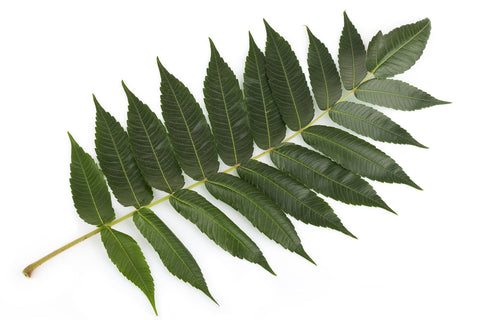
A small recap, tannins are divided in three major groups; 1 – Gallic tannins. Clear tannins that do not add much colour to the fabric such as tara, oak galls, oak bark, sumac (leaves and galls). 2 – Ellagic tannins. Tannins with a lot of flavonoids that will add a yellow colour to the fabric [...]
Sometimes an ecoprinted silk can be a bit too simple. If you did not work with any natural dye in the process it can happen that the result lacks a bit of depth that happens when we are working with for example a dye blanket or other ore intricate techniques. And sometimes we just do [...]
Making your own ink is not complicated and writing with a traditional quill is lots of fun. Time to polish up your calligraphy skills and write some letters. Historical inks have been made on different bases; Carbon. The earliest black inks were for the majority carbon based (soot), Pliny the Elder mentions in his books [...]
(Or your second) Eco printing has been the rage for the past few years. The term minted by eco print guru India Flint has evolved at the speed of light. With it, it renewed the interest in all things concerning natural dyeing. Surely the quest for eco-friendly, sustainable, and home-made goods has been a contribution [...]
(And nine ways to get it right) You are here because you looked at those beautiful Pinterest graphics using cabbage and black beans. You tried it with excitement, feeling all green and sustainable. After one wash your funky T-shirt looked like something that was left in the compost for a month. How? Why? The truth [...]
I have a lot of beeswax left from some experiments in Batik resist techniques on silk. I was really unsure what to do with it. Throwing away is a waste, I don’t think I will be doing a lot of Batik though and my space is super limited for the time being. My wonderful friend [...]
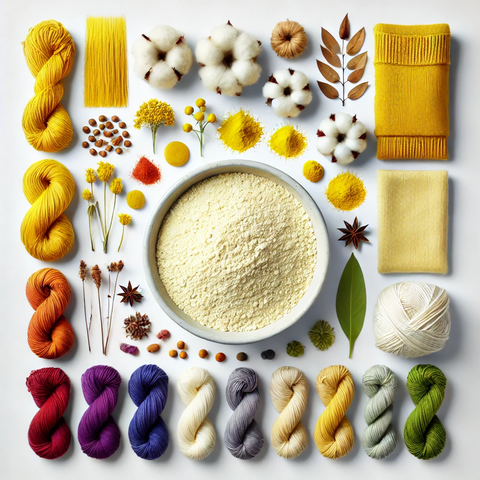
Vegetable dye stuffs come in all kinds of shapes and forms; Flowers such as St Johnswort and Goldenrod, roots like madder and Himalayan rhubarb. Our favourite leaves for example indigo and woad, nut hulls such as walnut. Berries from myrobalan, fruit seeds such as annatto. Fruit rinds like pomegranate. Heartwood comes in the shape of [...]
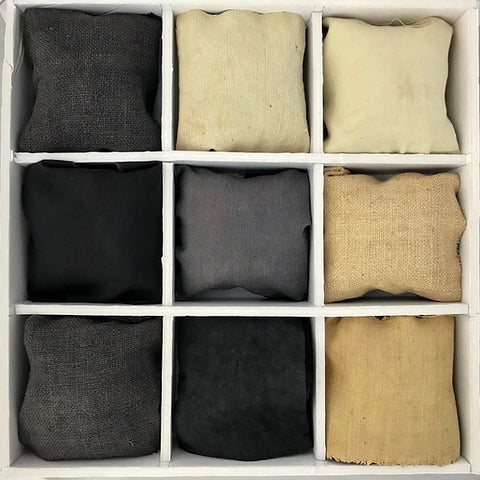
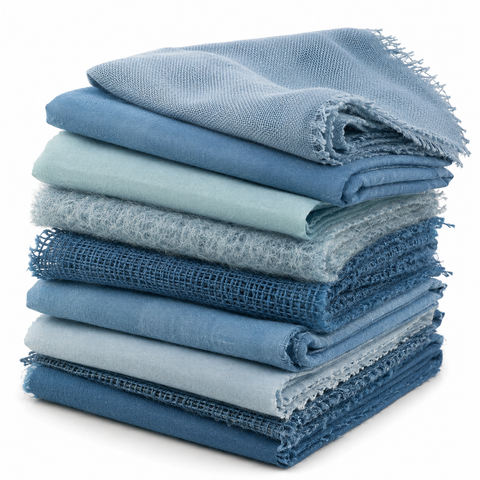
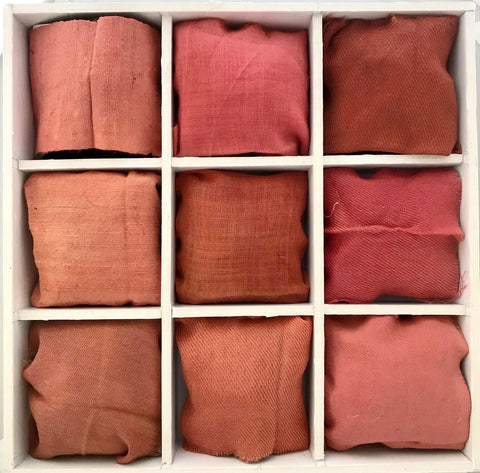
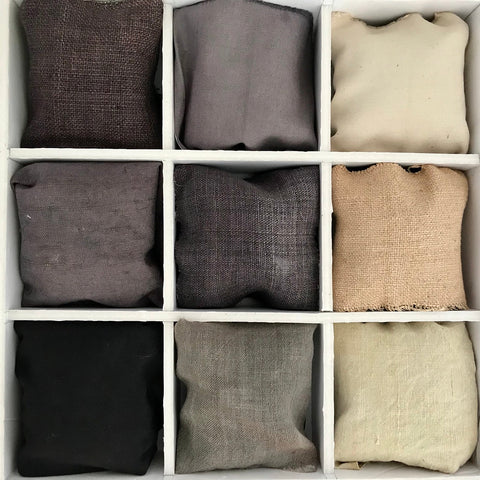
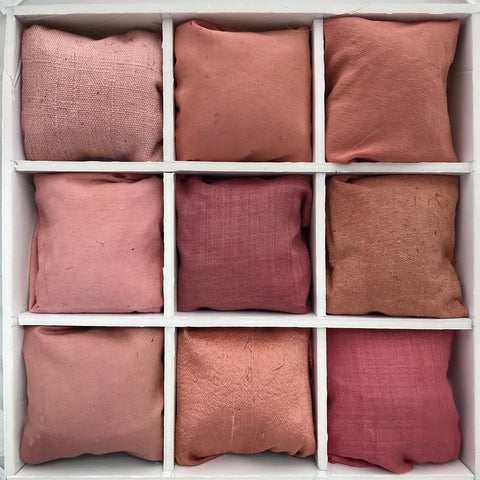
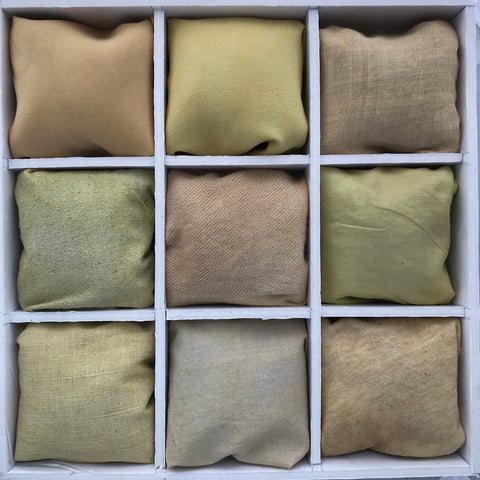
Pick your colour Feast your eyes on a rainbow of natural colours. I have started an overview here for dyes I use that are available on the website and are commonly used. Each dye has a world of colour, depending on so many variables; how much dye issued, how long is the dye in the [...]
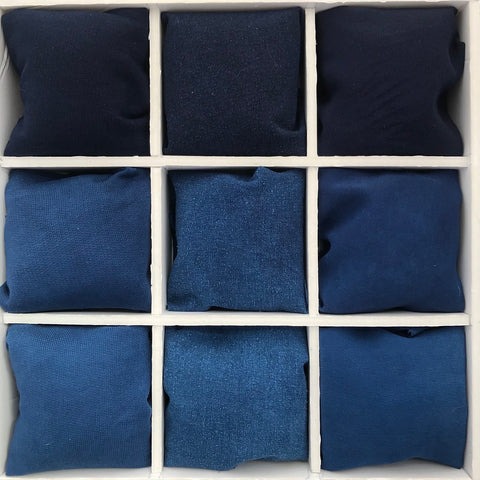
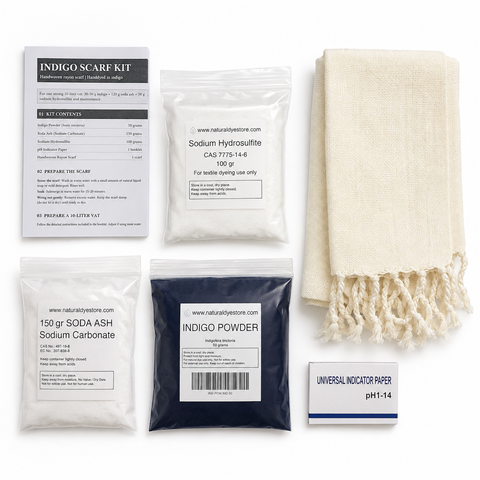
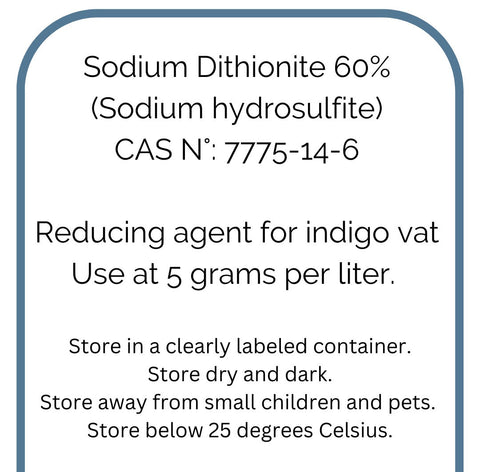
Making a hydros indigo vat can feel intimidating the first time, but it is much easier once you understand what to look for. In this beginner-friendly guide, you will learn how to make a small mother vat, recognize the signs of a healthy reduced indigo vat, test your color, and build beautiful blues in layers.
So we made these awesome solar dyeing scraps, and we have leftovers from eco print tests. Lots of people have been dyeing along in the BotanicalPrint group on Facebook, did you see the compilation of slow dye jars? But back to the final scraps. What do we do with them? Besides keeping a great deal [...]
My heart is filled with joy seeing all the jars people have set up after the slow dye post. We should never give up creating something beautiful in these weird and unsettling times. Wishing everyone good health! (If you don’t see your jar, send a picture to my mail (in the footer) and I will [...]

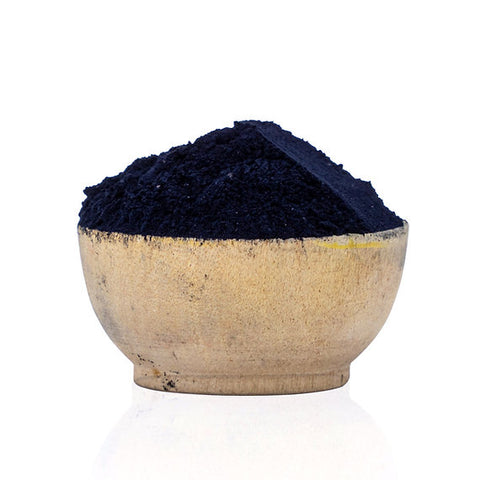
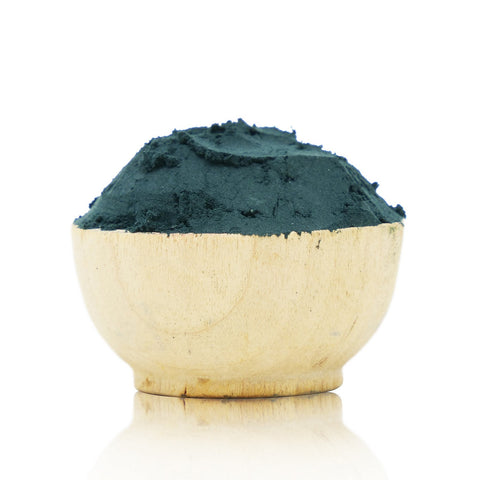 Sold out
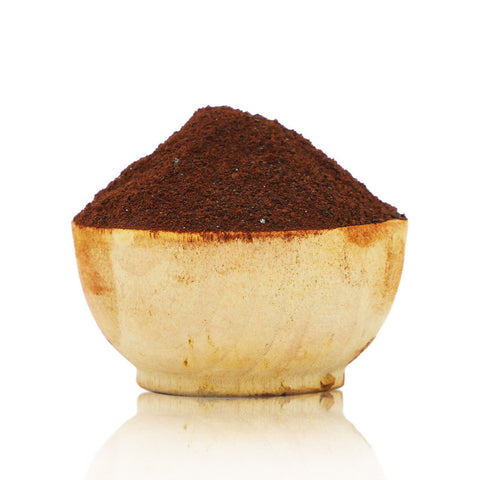
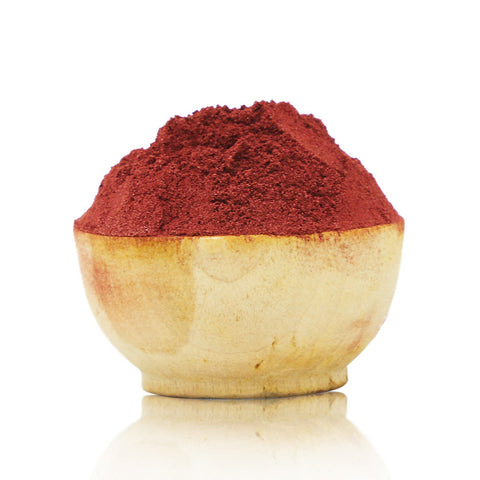
 Sold out
 Sold out
 Sold out
 Sold out
 Sold out
 Sale
Sale
 Sold out
 Sold out
 Sale
Sale
 Sold out
 Sold out
 Sold out
 Sale
Sale
 Sold out
 Sold out
 Sold out
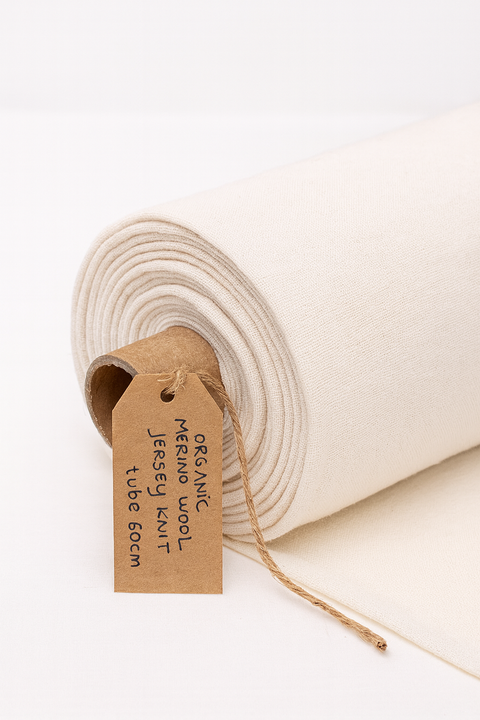 Sold out
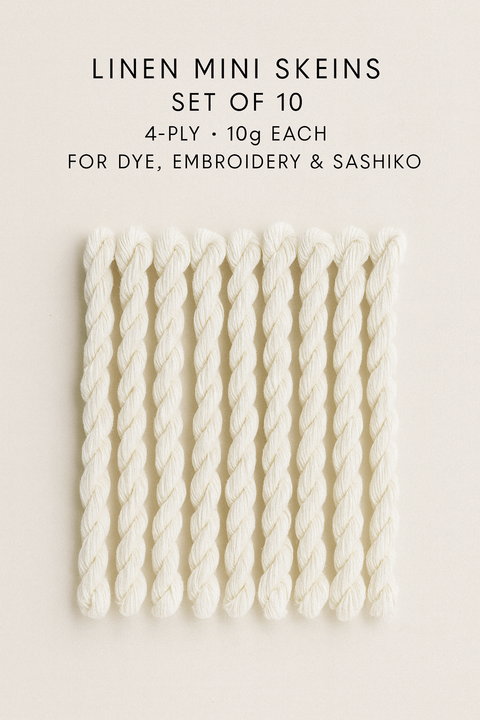
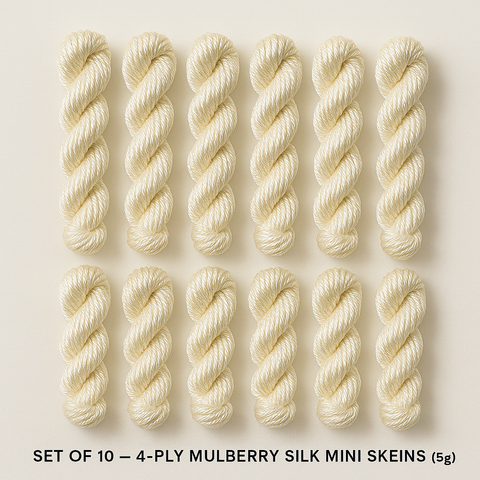
 Sale
Sale