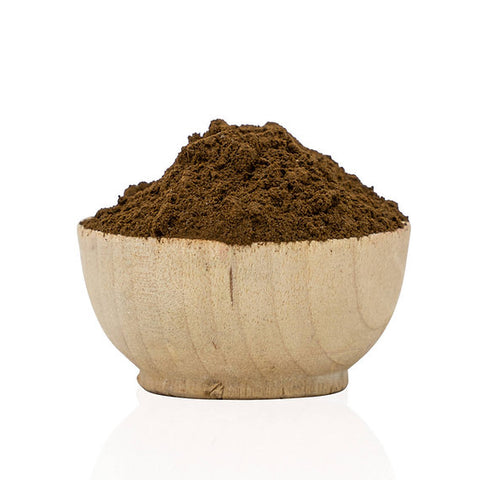
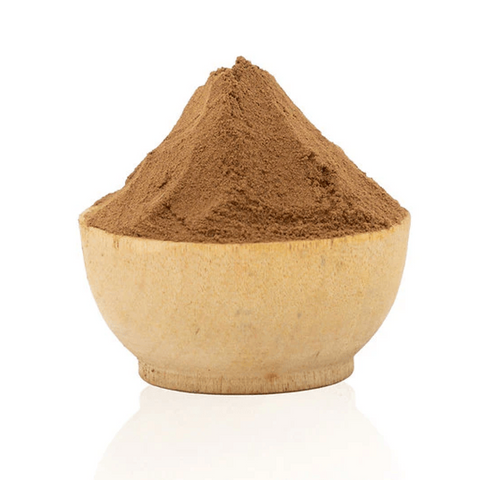
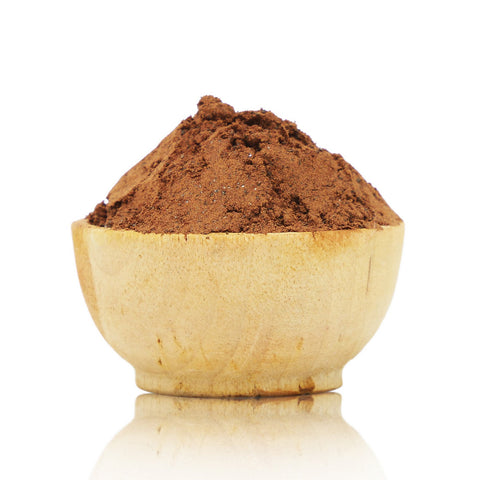
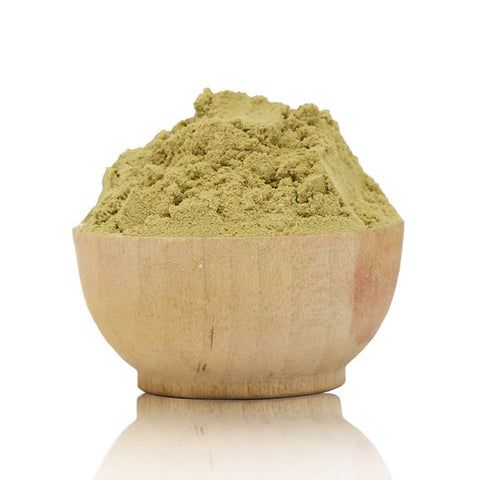
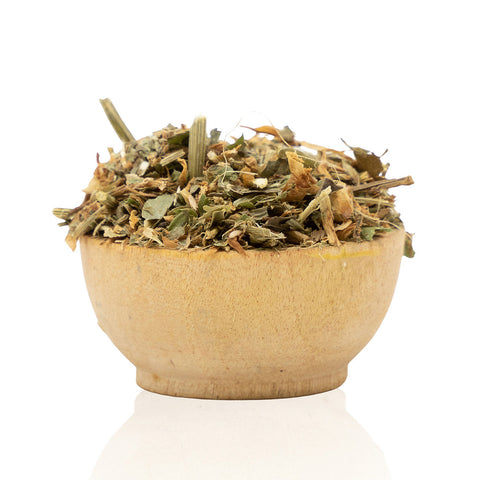
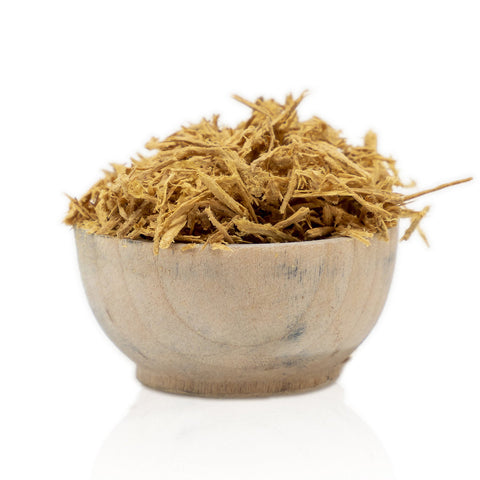
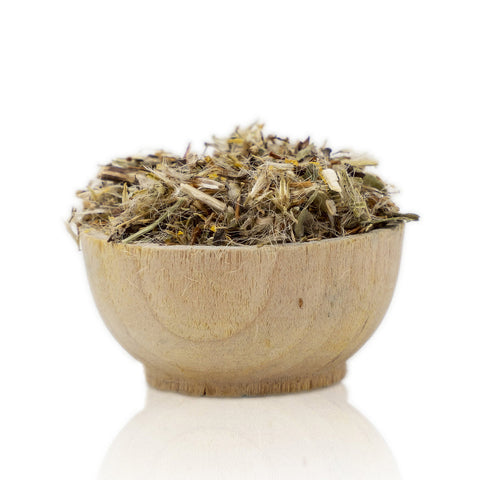
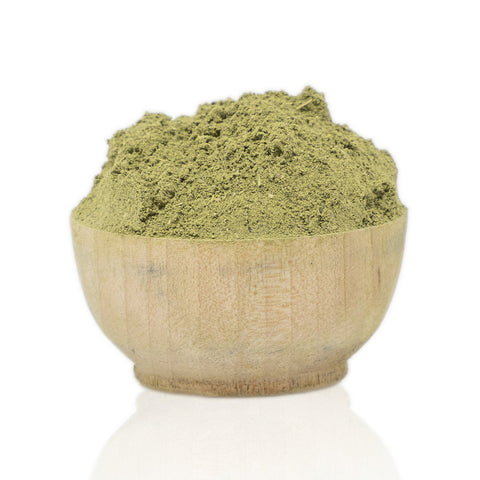
Acacia Extract (Acacia Mearnsii) Organic
From$8.90
Start typing to search products
 Sold out
 Sold out
 Sold out
 Sold out
 Sold out
 Sold out
 Sold out
 Sold out
 Sale
Sale
 Sold out
 Sold out
 Sale
Sale
 Sold out







 Sold out









 Sold out
 Sale
Sale
 Sold out
 Sold out




 Sale
Sold out
Sold out
Sale
Sold out
Sold out
 Sold out
Sale
Sold out
Sold out
Sale

 Sold out
Sold out
Sold out

 Sale
Sale
 Sold out
Sold out
Sold out
Sold out
Sold out
 Sold out
Pickup available at eHouse Rishon
Usually ready in 24 hours
Reliable shipping
Flexible returns
Professional Dye Grade
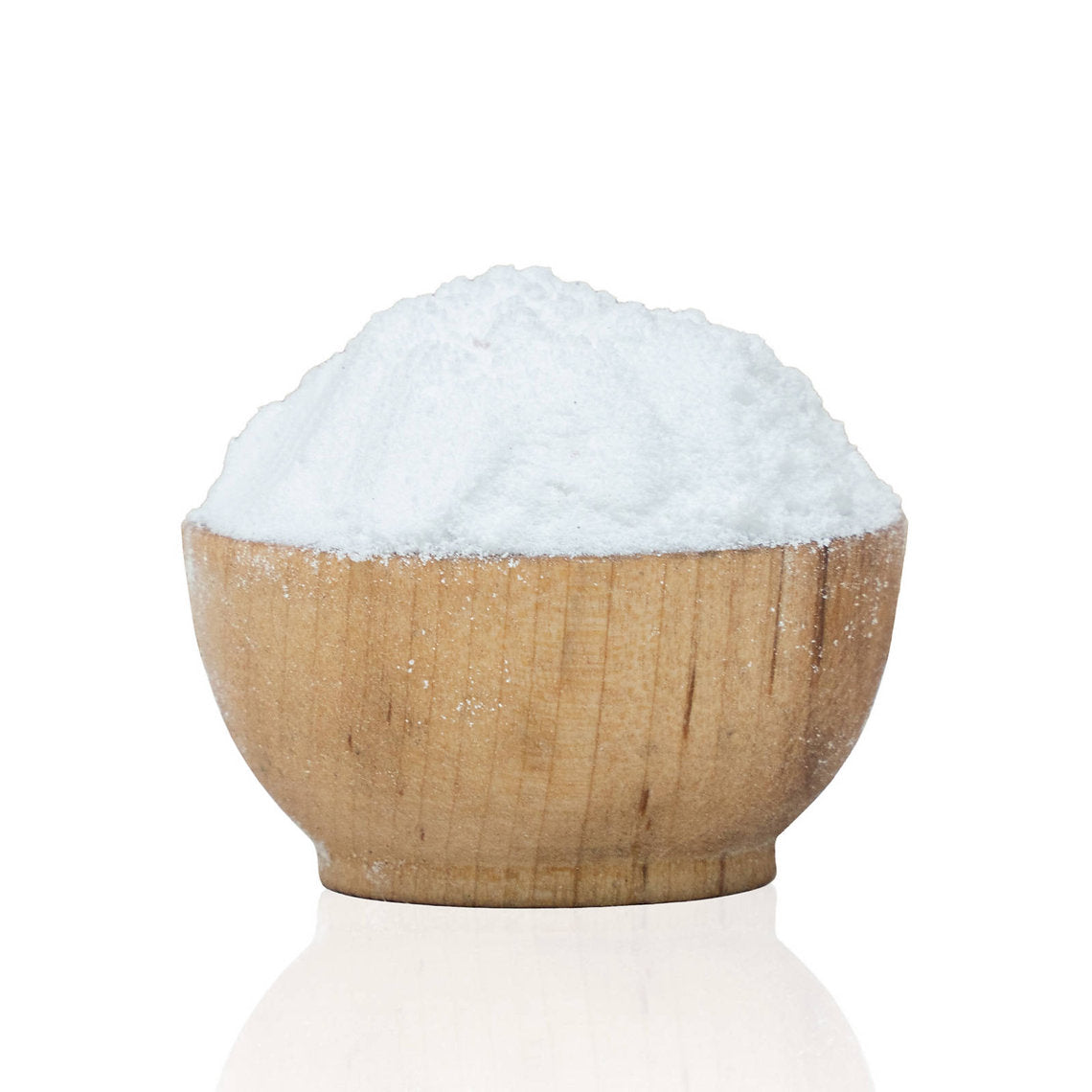
Chemical name: Potassium bitartrate (potassium hydrogen tartrate)
Formula: KC₄H₅O₆
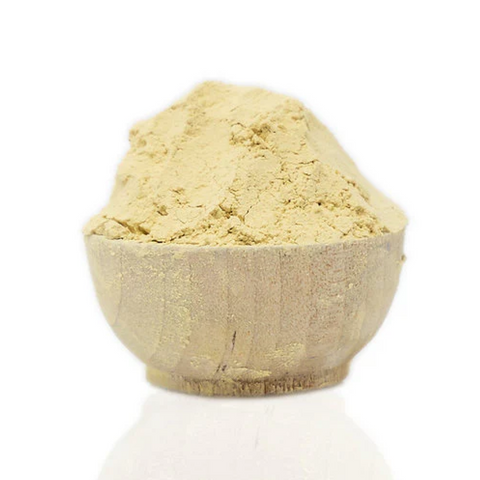
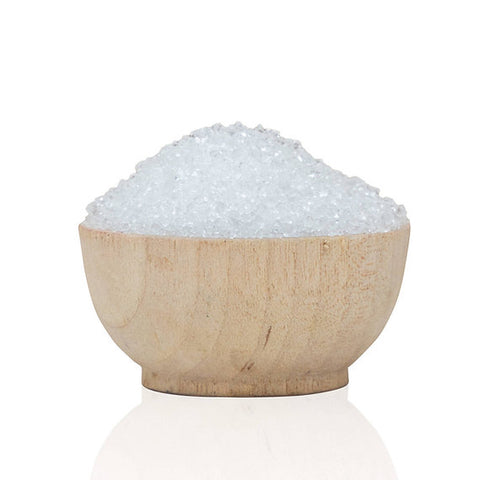
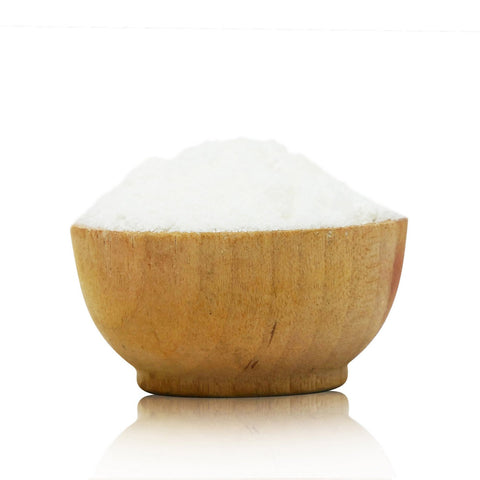
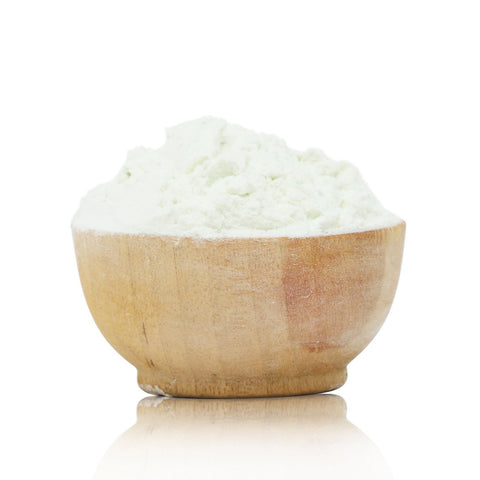
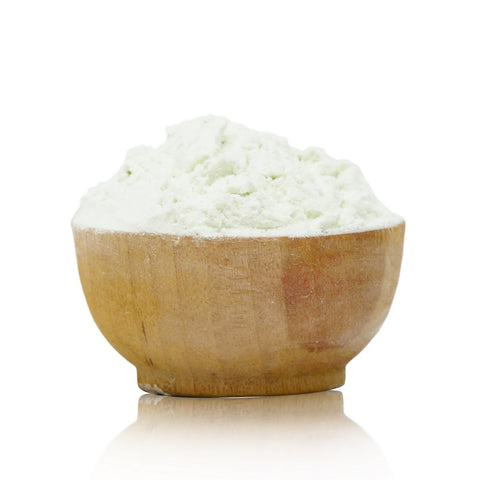
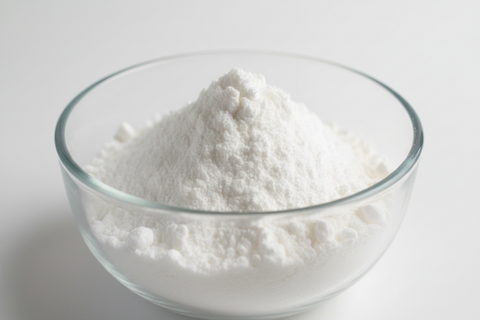
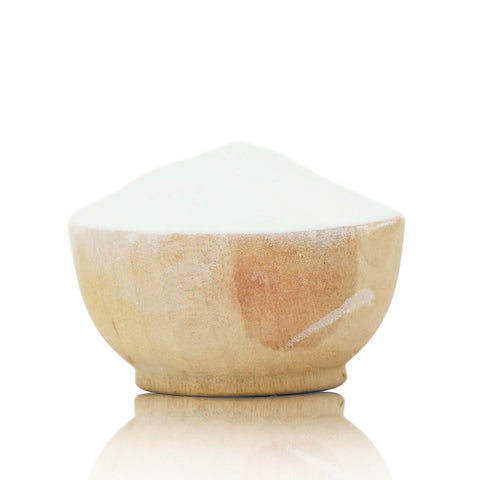
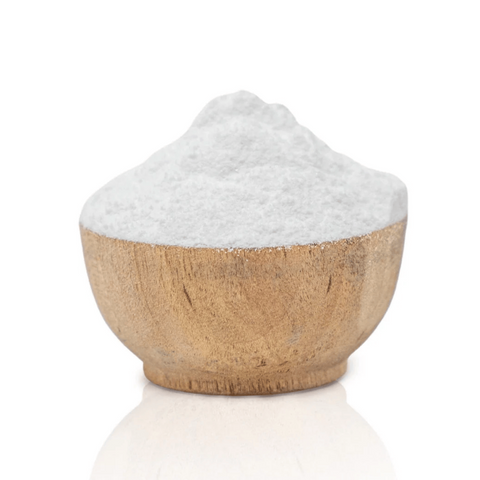
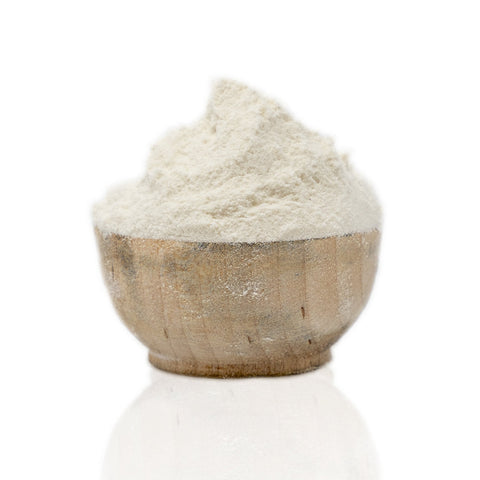
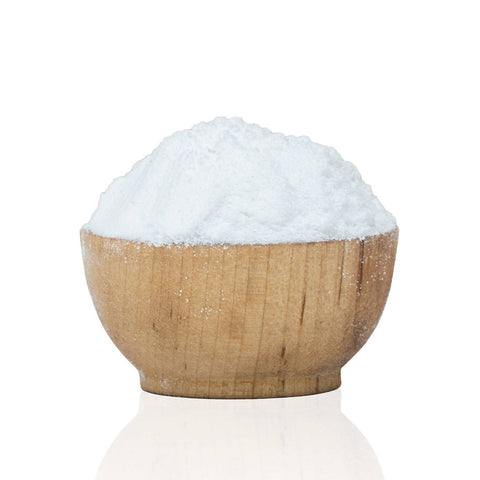
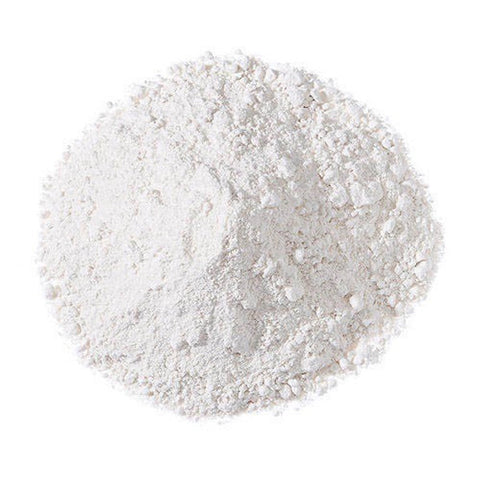
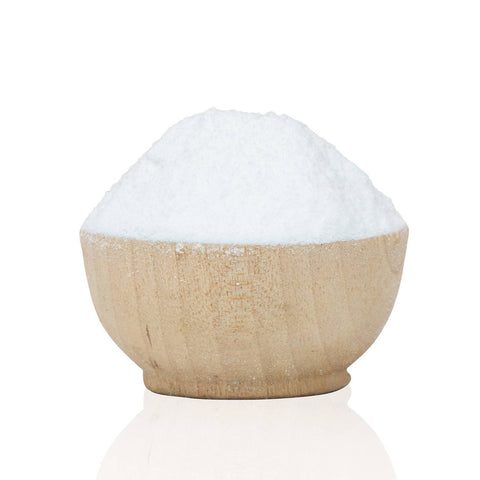
Potassium bitartrate is the naturally occurring potassium acid salt of tartaric acid, traditionally recovered as a byproduct of winemaking. In culinary contexts it is known as cream of tartar.
In the dye studio, it plays a far more technical role.
Cream of tartar is employed primarily as a pH modifier and auxiliary in protein fiber dyeing.
It is used to:
• Lower pH in hard water conditions
• Acidify dye baths to access specific tonal shifts
• Assist in alum mordanting systems
• Improve alum dissolution and prevent precipitation
• Soften wool during mordanting
When used in combination with alum (typically around 6% WOF in alum mordant systems), cream of tartar helps prevent undissolved alum from settling at the base of the vessel and promotes a more even mordant distribution.
In certain historical dye recipes, controlled acidification is essential to achieve precise tonal results otherwise unattainable in neutral water conditions.
In alum mordant baths for wool:
• 6% WOF alongside alum (standard historical practice)
Adjust according to fiber type, water hardness, and recipe requirements.
Cream of tartar is not the same as tartaric acid.
They are chemically distinct materials and should not be used interchangeably.
• Wool
• Silk
• Protein fibers
• Structured historical dye systems
• Controlled pH adjustment in natural dye processes