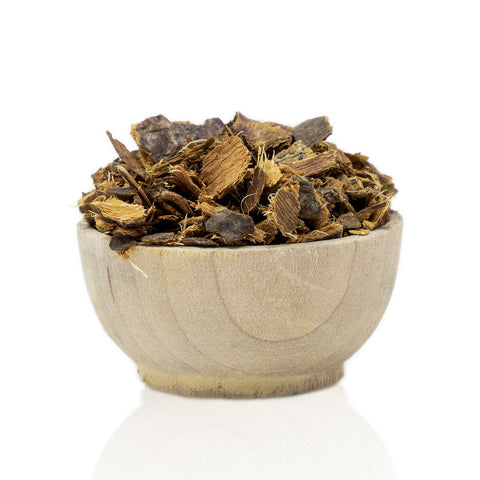
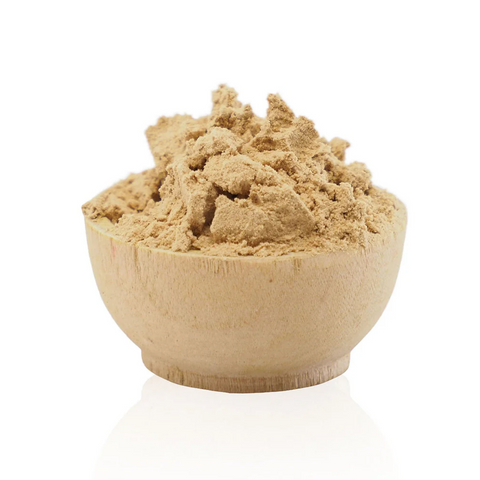
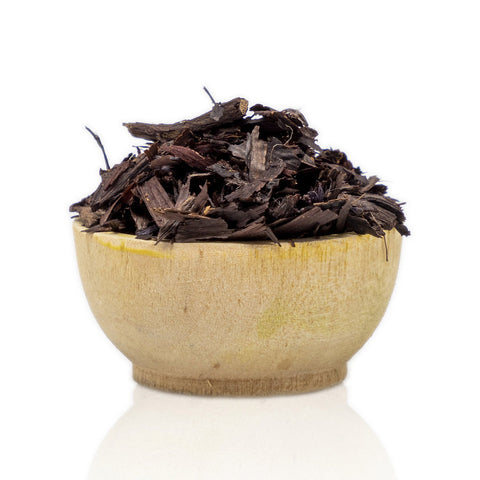
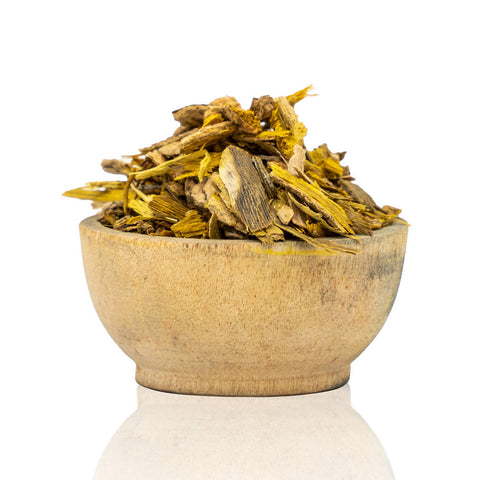
Acacia Extract (Acacia Mearnsii) Organic
From$8.90
Start typing to search products
 Sold out
 Sold out
 Sold out
 Sold out
 Sold out
 Sold out
 Sold out
 Sold out
 Sale
Sale
 Sold out
 Sold out
 Sale
Sale
 Sold out



 Sold out





 Sold out
 Sale
Sale
 Sold out
 Sold out

 Sale
Sold out
Sold out
Sale
Sold out
Sold out
 Sold out
Sale
Sold out
Sold out
Sale
 Sold out
Sold out
Sold out
 Sale
Sale
 Sold out
Sold out
Sold out
Sold out
Sold out
 Sold out
Pickup available at eHouse Rishon
Usually ready in 24 hours
Reliable shipping
Flexible returns
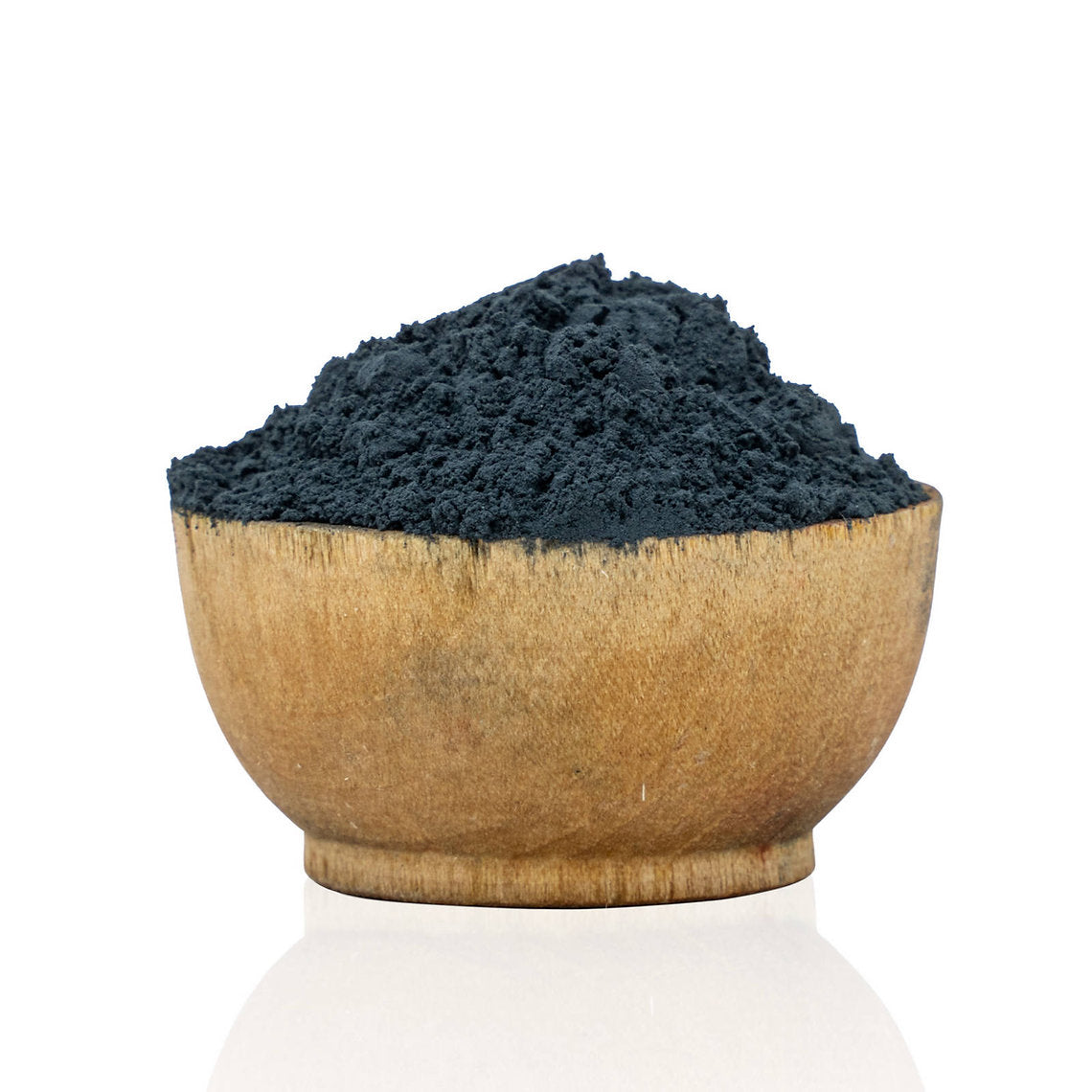
Natural Indigo Powder – Sumatra Indigo
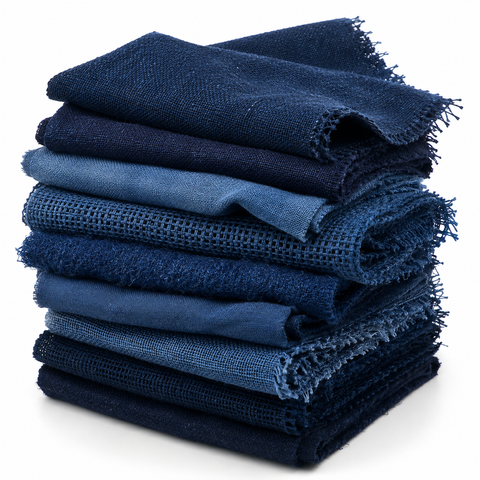
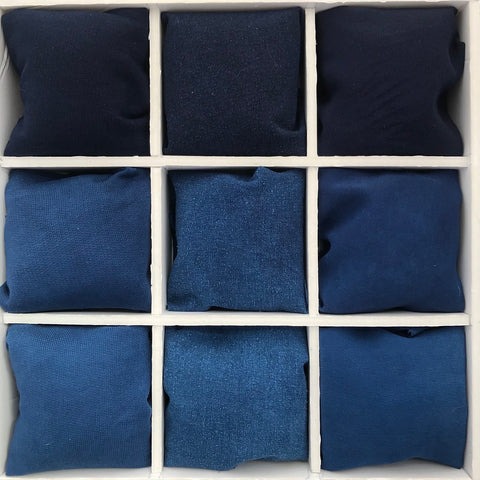
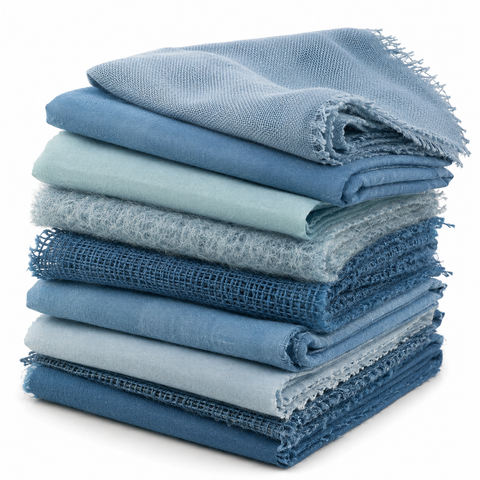
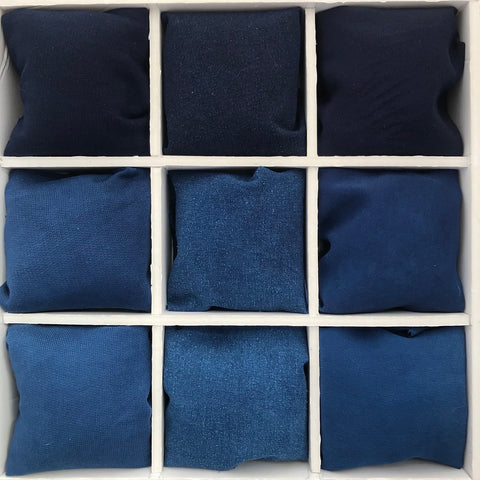
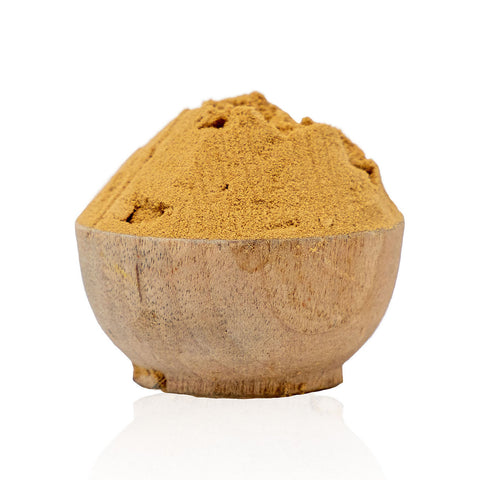
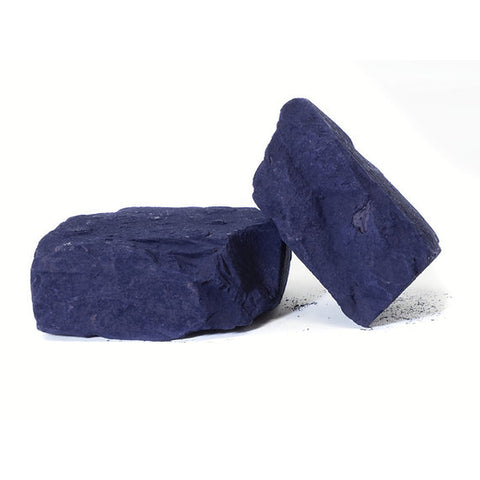
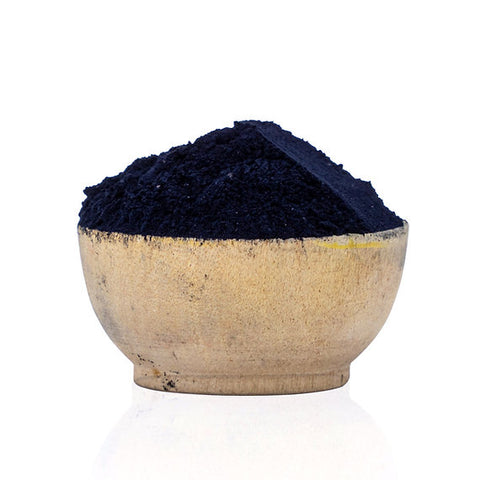
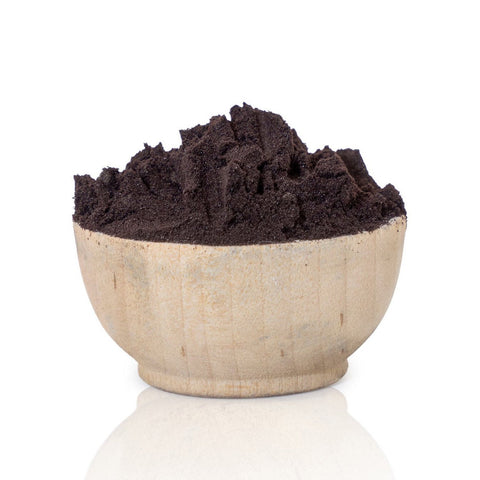
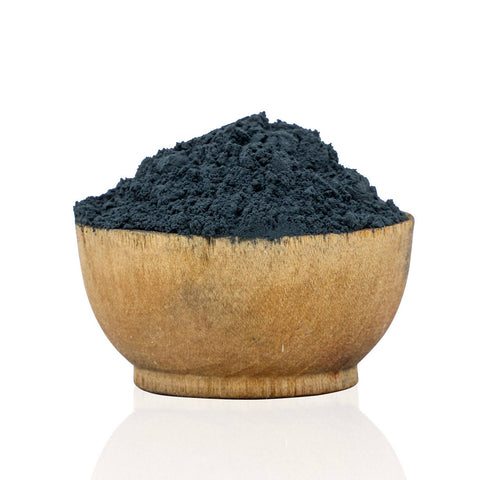
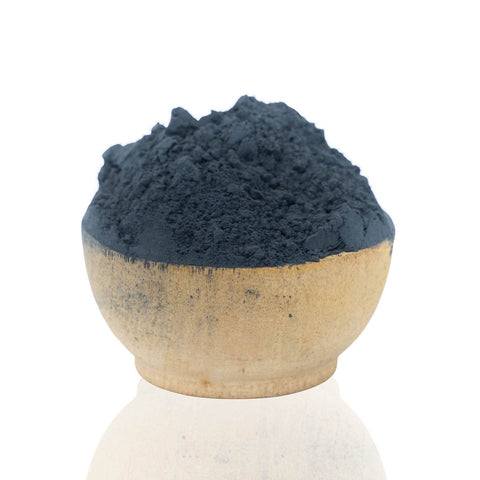
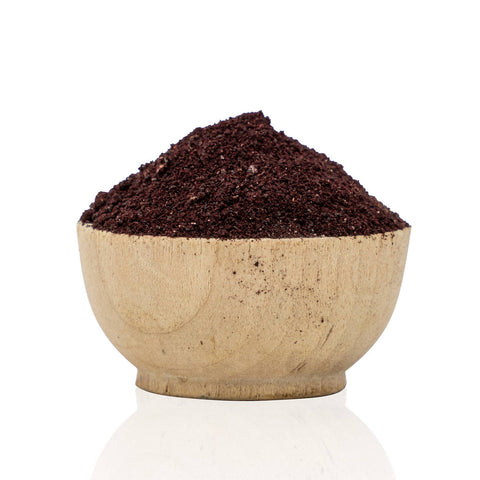
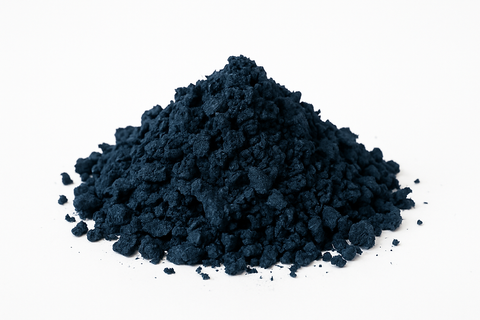
This is a rare natural indigo powder from Sumatra, made from Indigofera longeracemosa, a lesser-known indigo species valued for its strong blue pigment. Unlike cheap “indigo powder” sold for hair coloring, this is a textile dye prepared for vat dyeing.
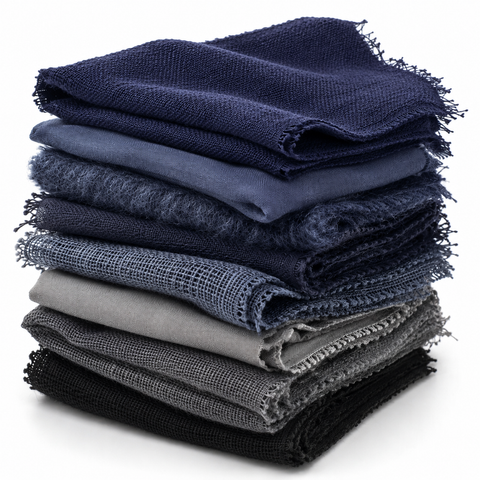
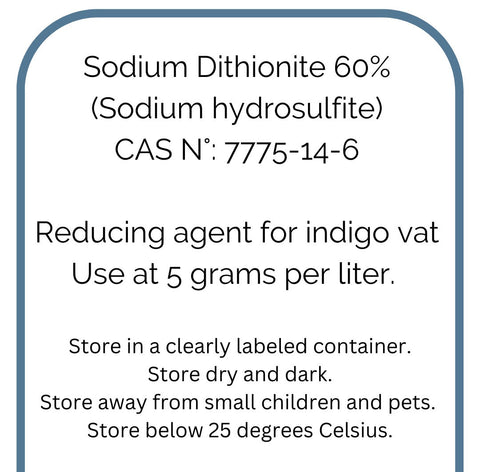
Use it to create clear blues on wool, silk, cotton, linen, and other natural fibers. Like all indigo, it does not need a mordant. It must be used in an indigo vat with an alkali and a reducer, where the blue pigment is temporarily made soluble so it can enter the fiber.
Our Sumatra indigo comes from a small family-run farm in Indonesia, where the plants are grown without pesticides and processed by traditional alkaline extraction. It is suitable for fructose vats, iron vats, hydros/thiourea dioxide vats, fermentation vats, and other standard indigo methods.
As a rough guide:
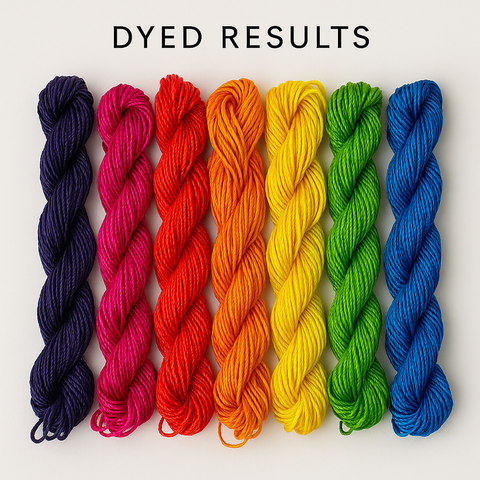
Final depth depends on your vat strength, fiber preparation, number of dips, oxidation time, and whether you are dyeing protein or cellulose fibers.
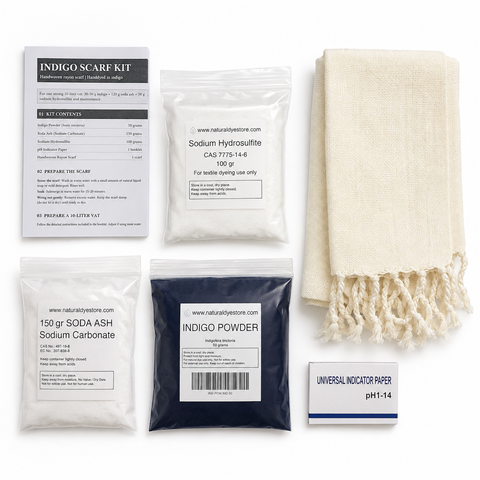
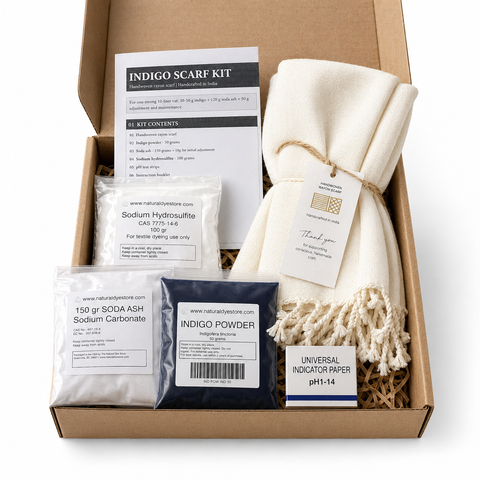
Indigo is not used like most natural dyes. You cannot simply simmer it with fabric. It needs a vat with an alkali and a reducer. For beginners, choose the complete indigo kit or follow our step-by-step indigo vat instructions.
New to indigo? Start with 50 g. It gives you enough material to learn the vat properly without running out halfway through.