















(and a preview of what's in store for 2027)
I came back from my workshops in February, and it has been a bit wild here. So it is only now that I can sit and reflect on my time in San Miguel de Allende in 2026.
San Miguel de Allende has become one of those places where work settles into a different rhythm. Not slower, exactly, but more focused. There is space to think, to test, and to stay with a process long enough to actually understand it.
The 2026 residency unfolded as two distinct workshops. They approached dyeing from very different angles, but together they created a kind of balance: one structured and research-driven, the other rooted in local knowledge and shared experience.
50 Shades of Natural Dye on Wool
Working with the recipes of Antoine Janot, 18th century Master Dyer
This workshop forms part of an ongoing historical reconstruction project, developed in collaboration with Dominique Cardon and a wider international group of dyers and historians.
The aim is straightforward: to understand how historical dye systems functioned in practice.
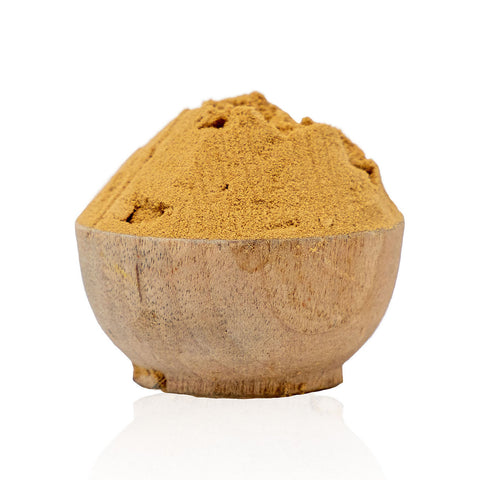
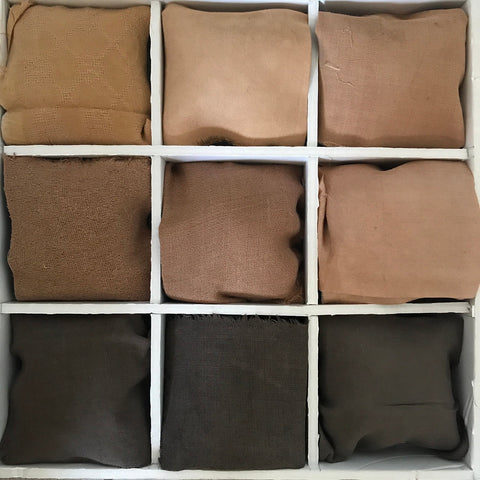
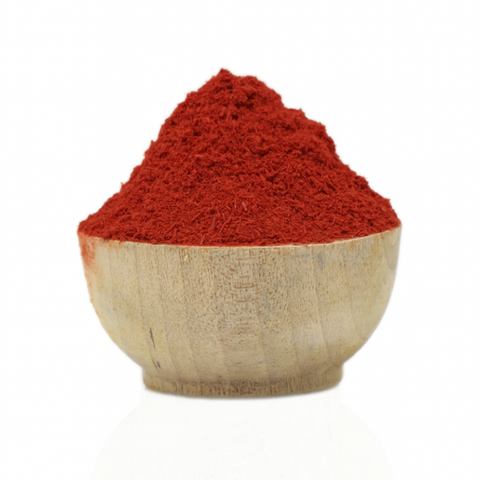
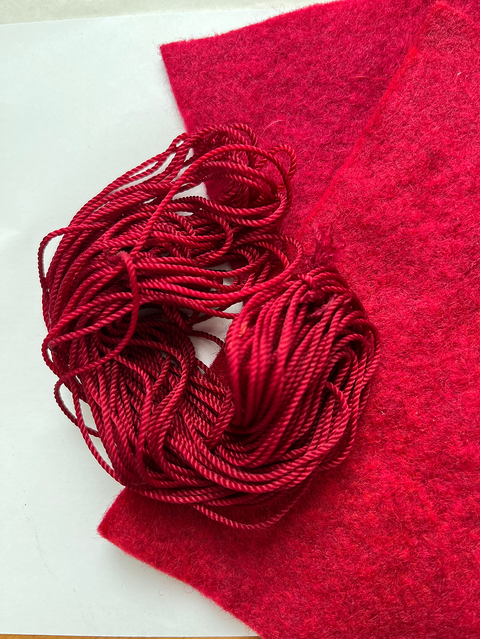
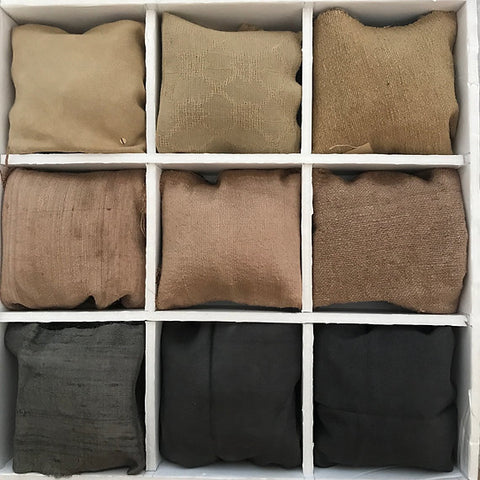
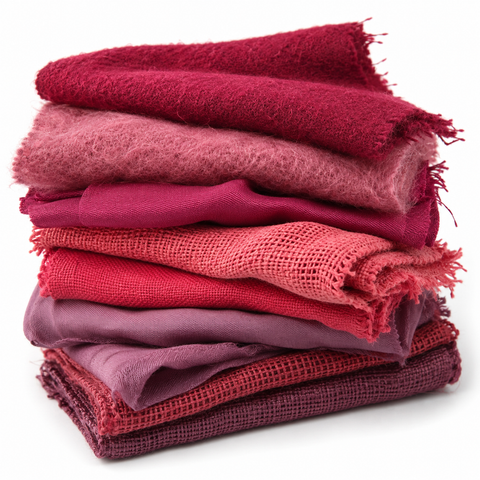
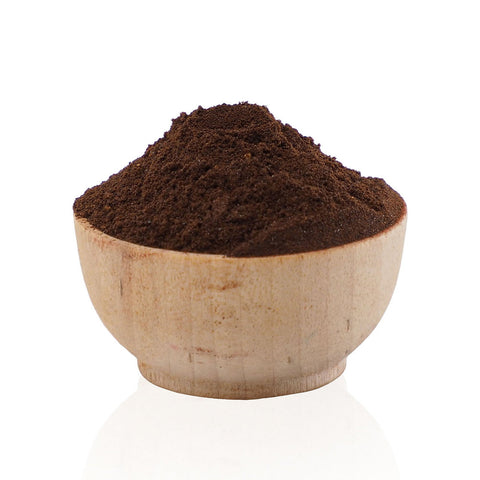
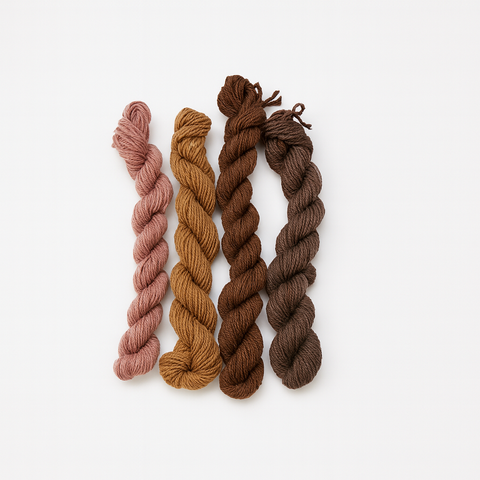
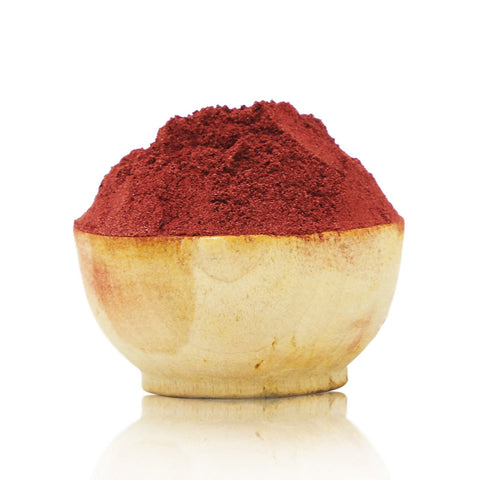
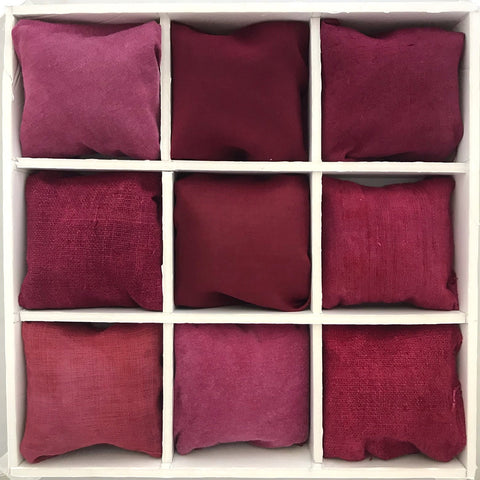
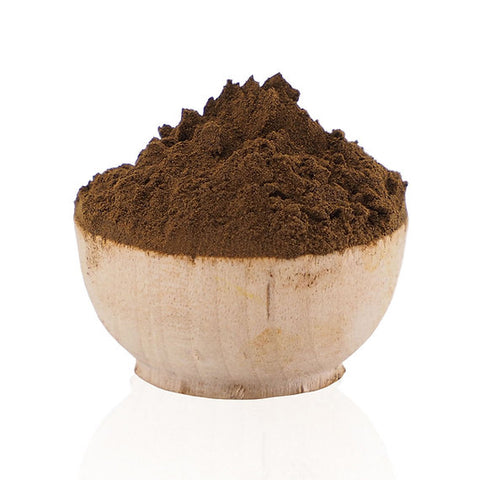
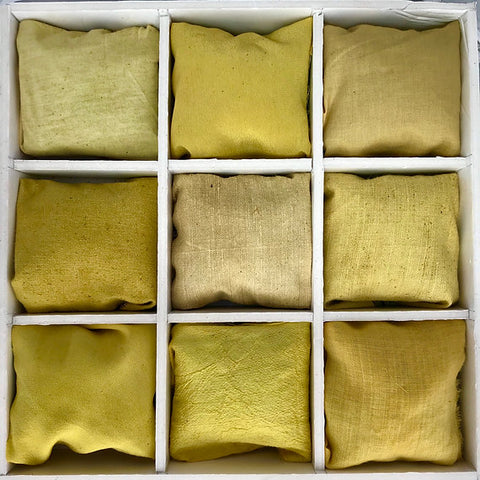
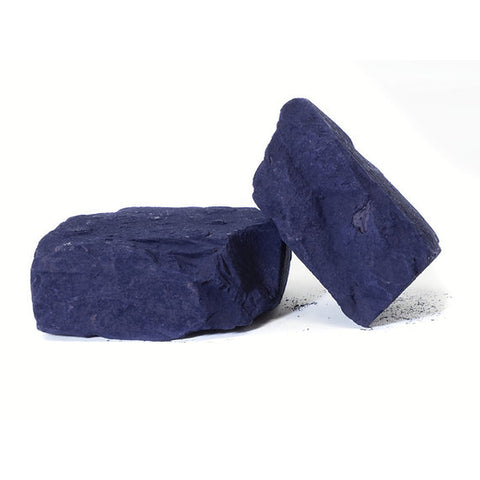
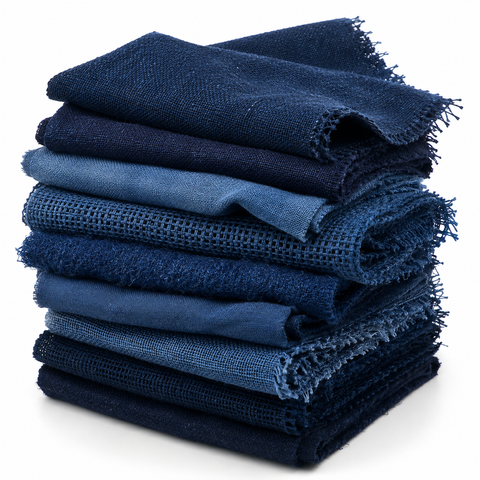
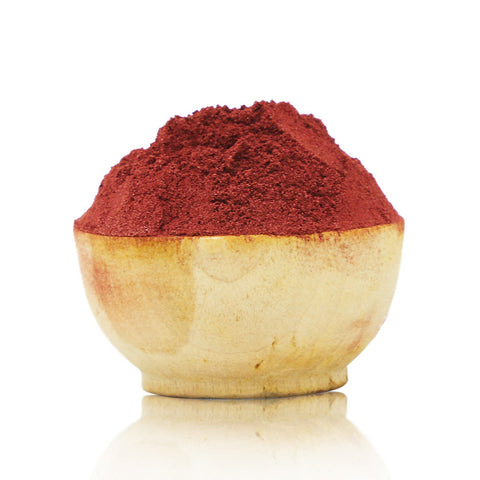
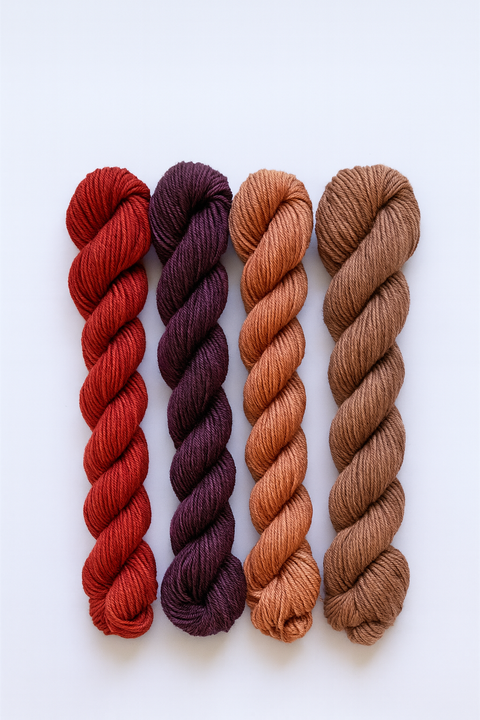
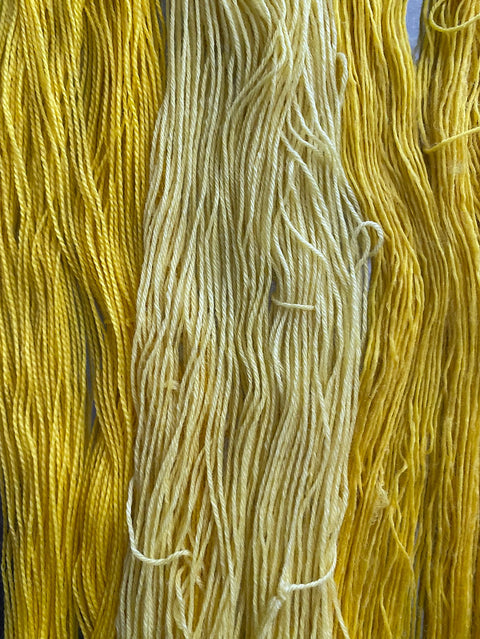
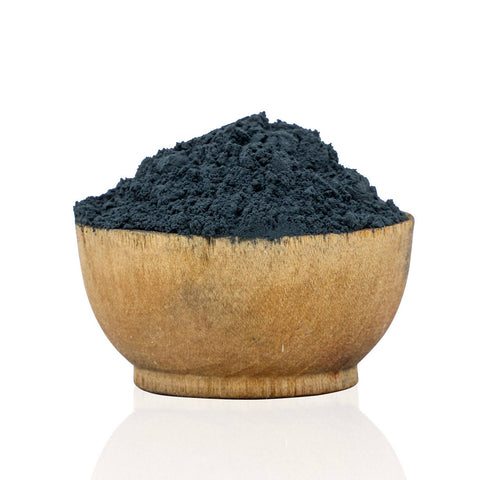
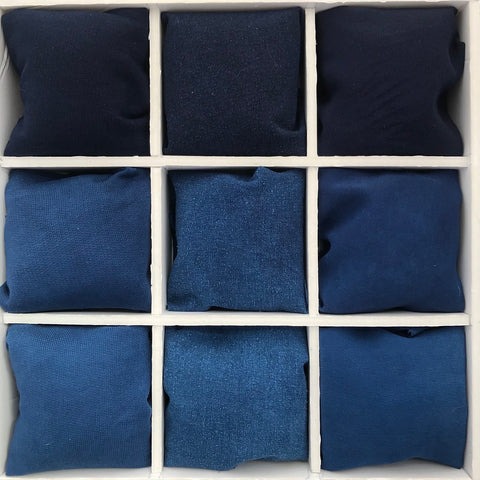
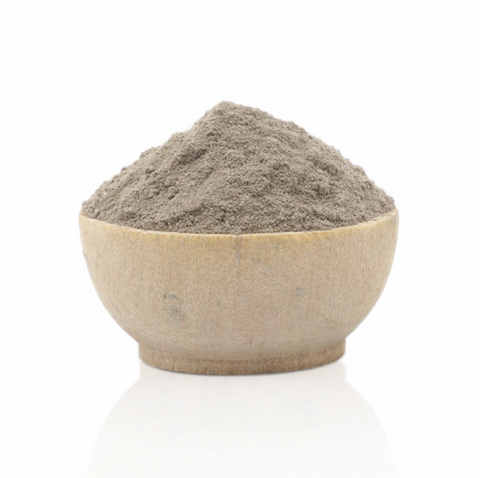
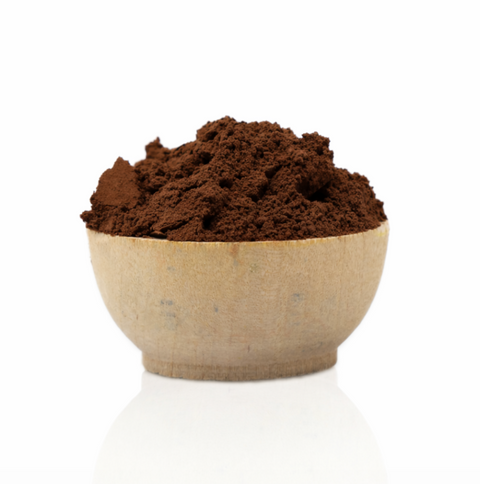
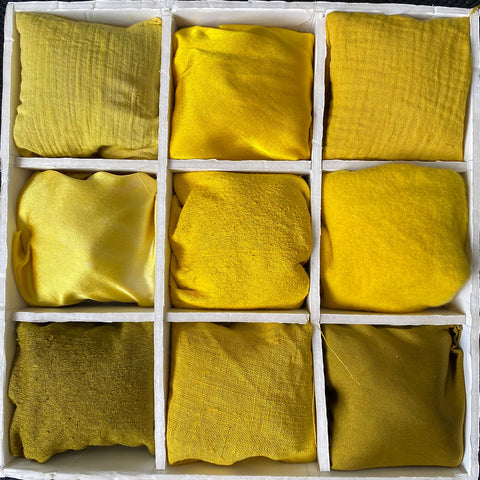
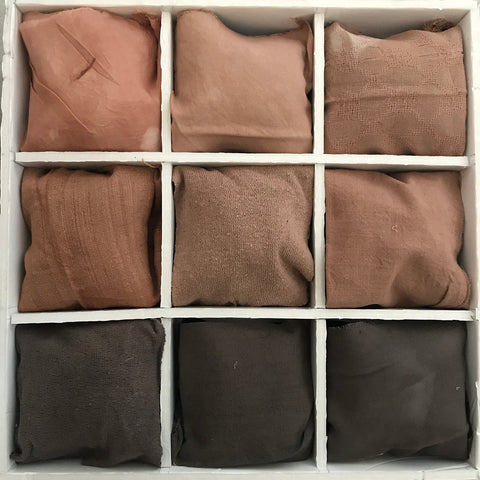
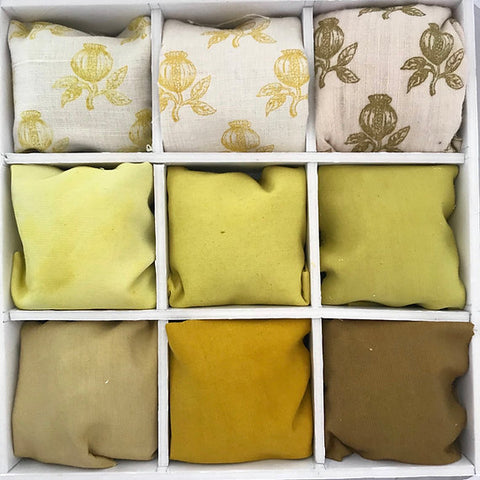
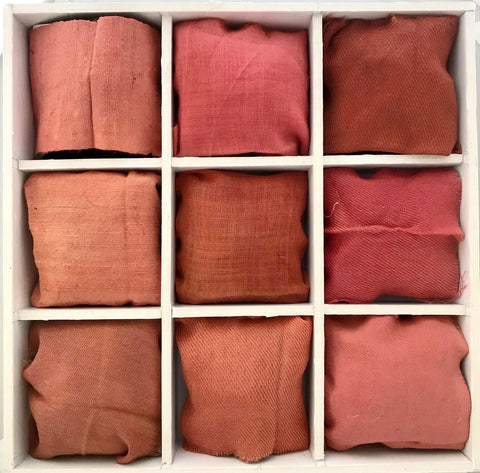
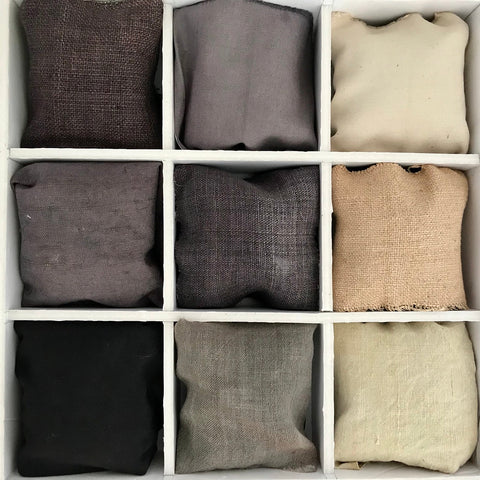
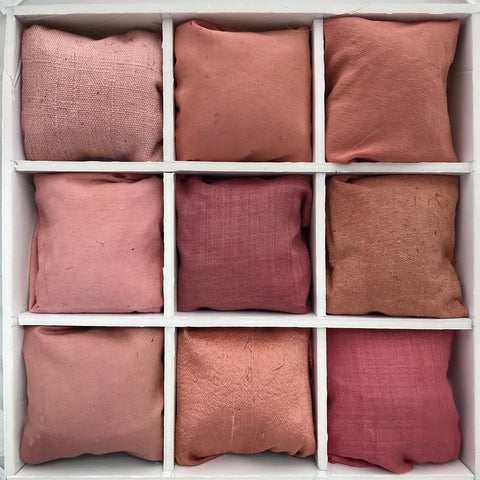
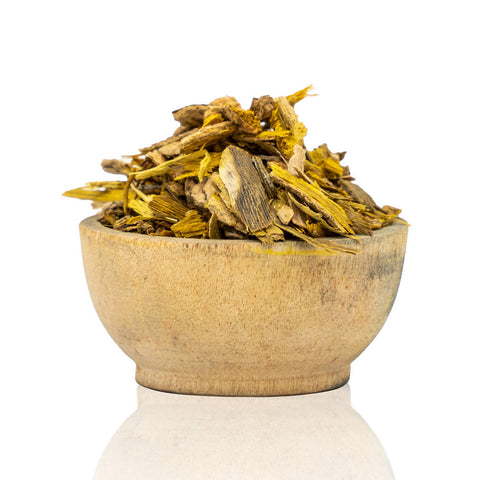
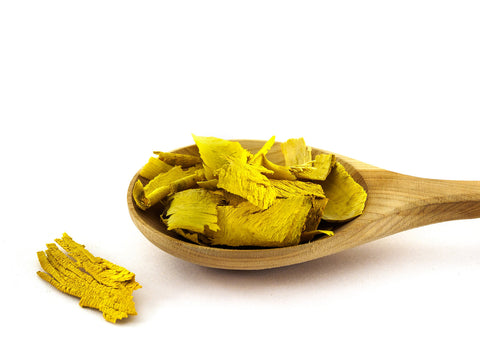
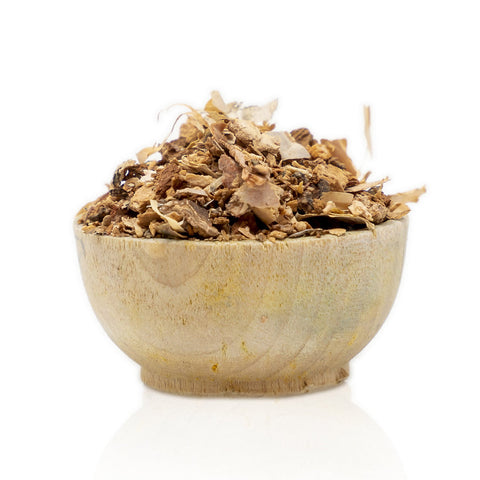
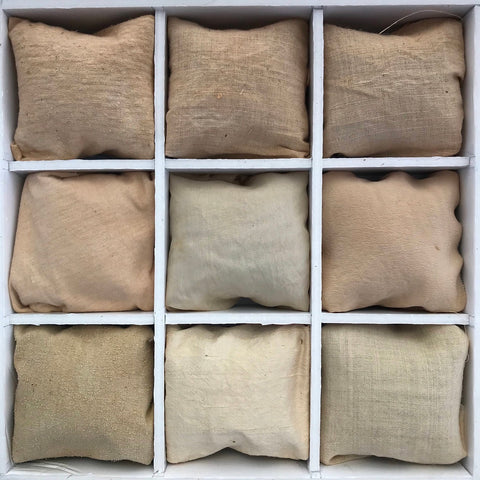
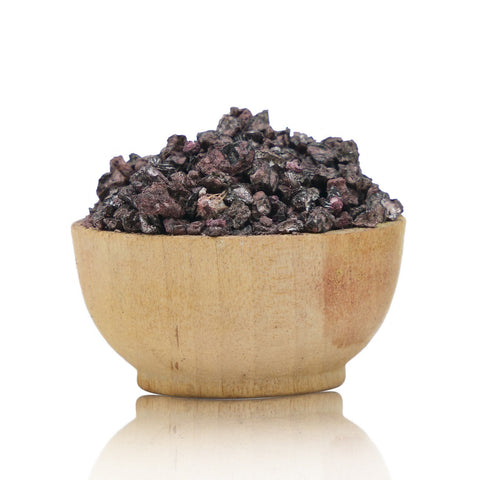
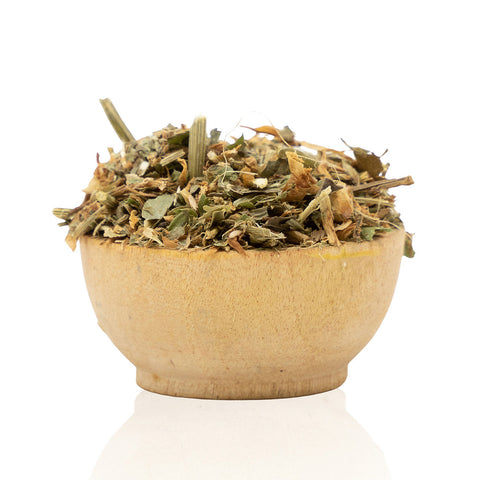
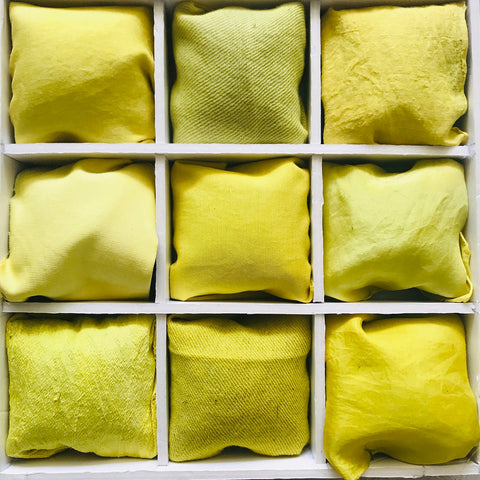
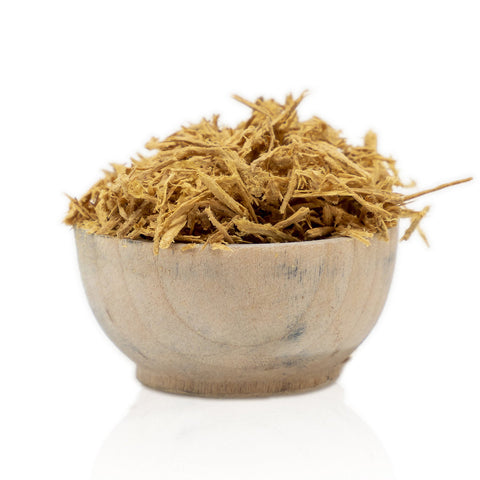
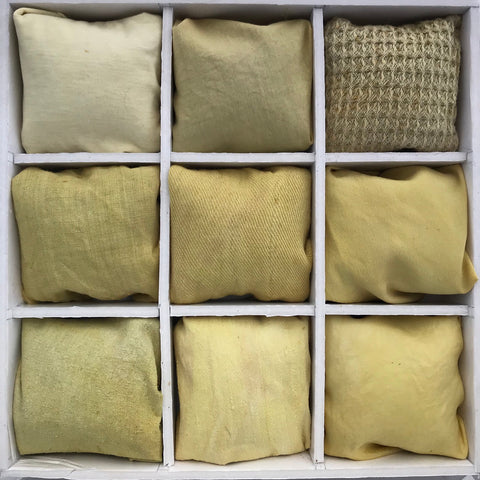
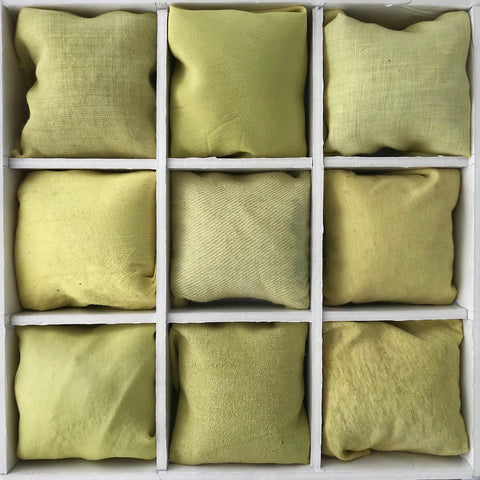
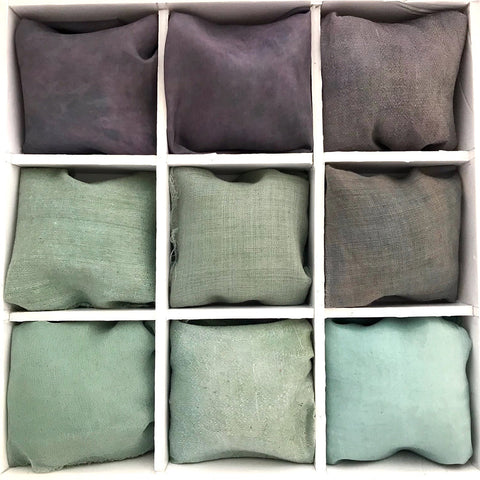
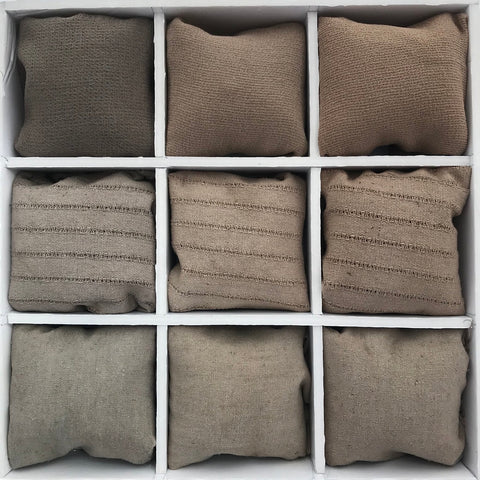
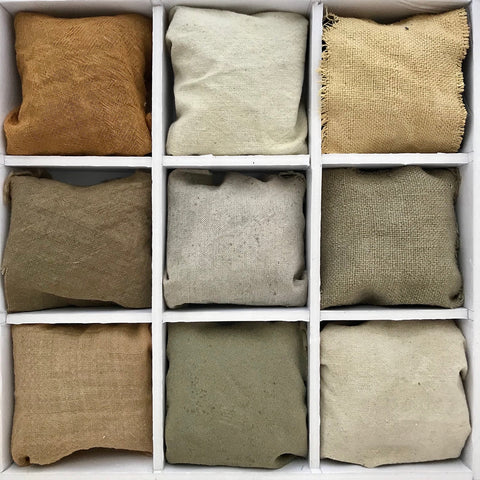
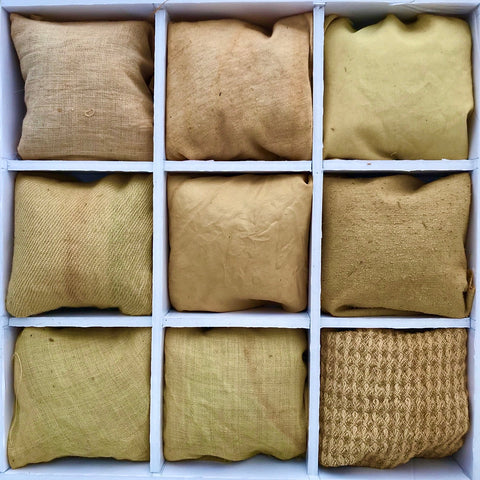
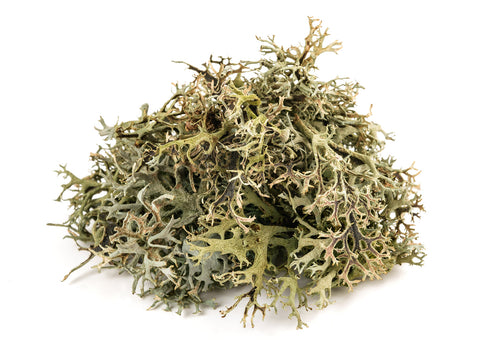
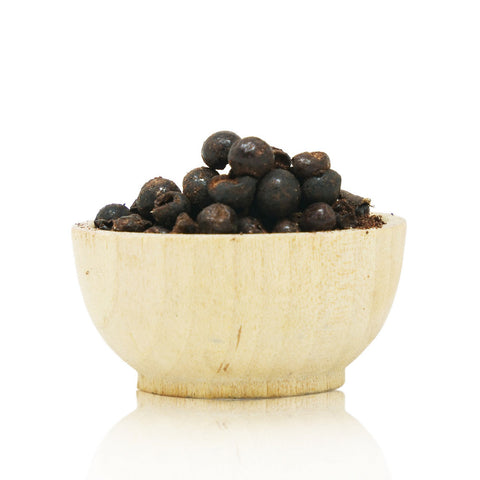
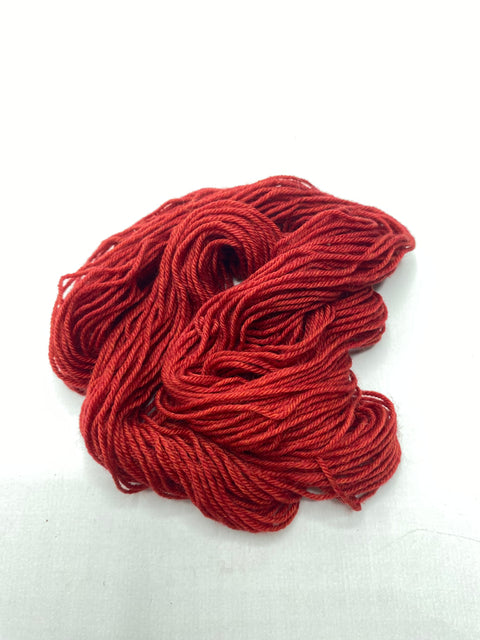
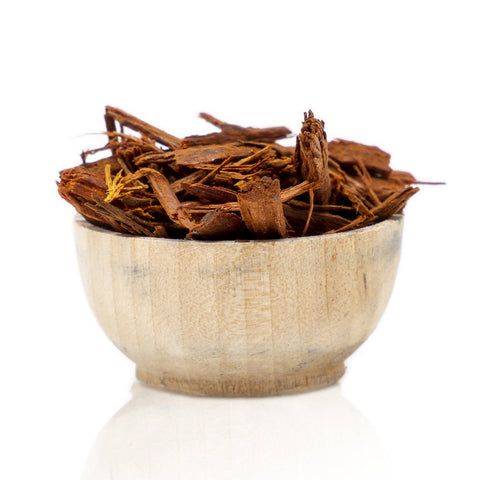
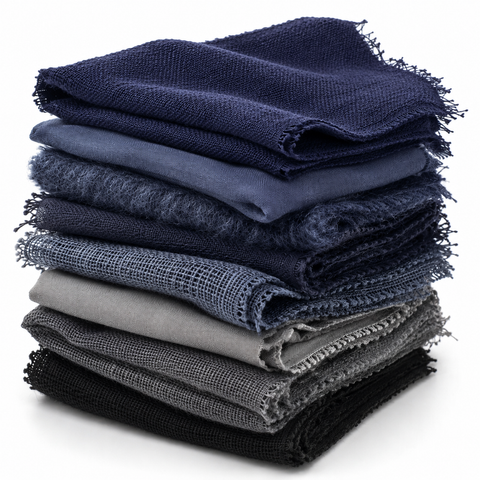
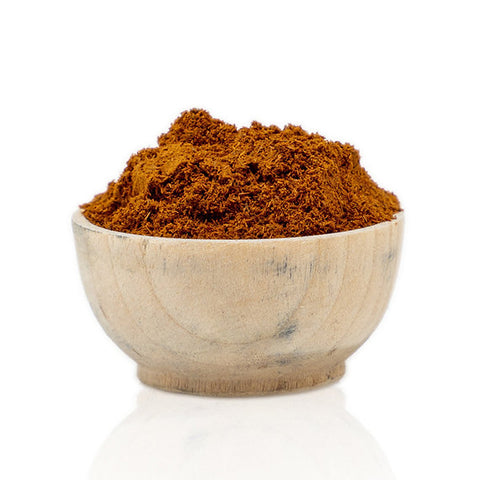
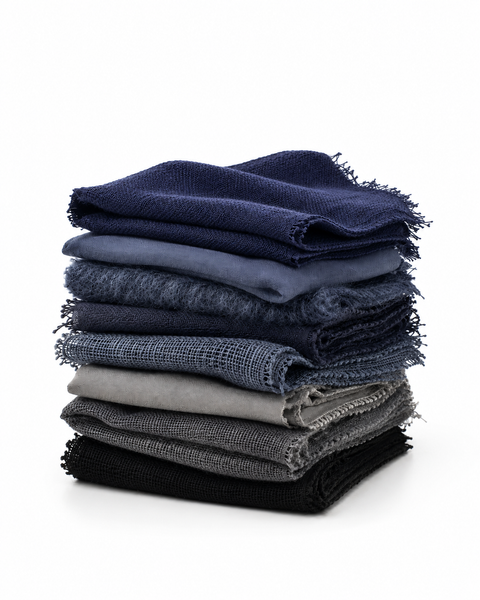
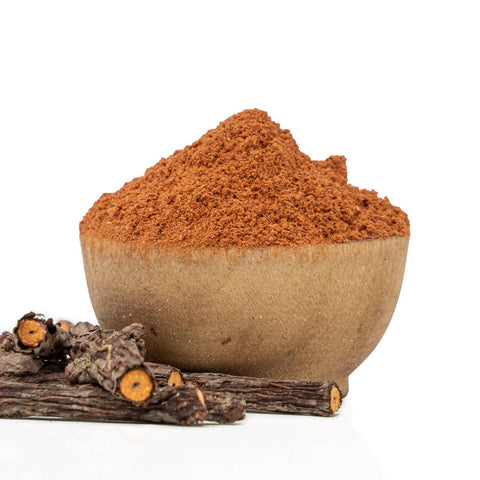
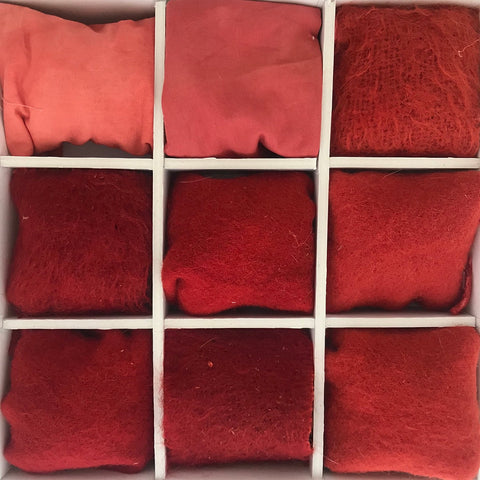
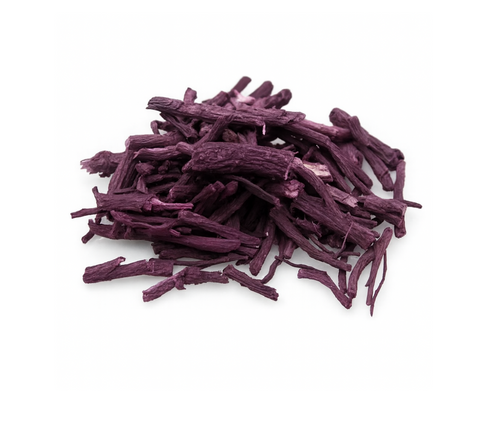
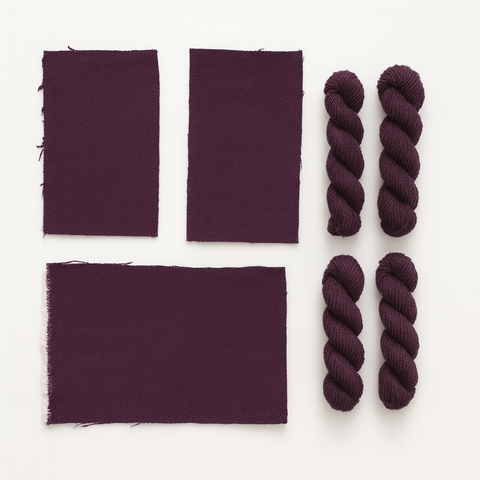
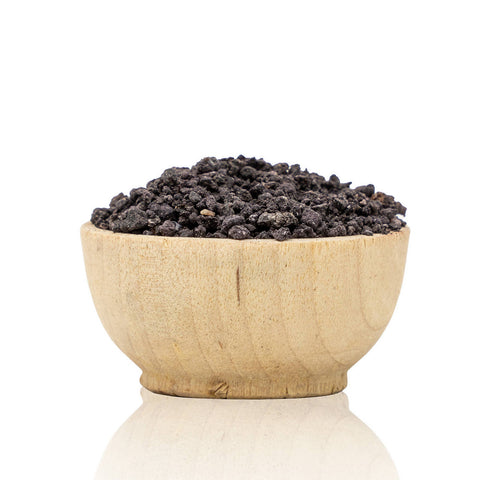
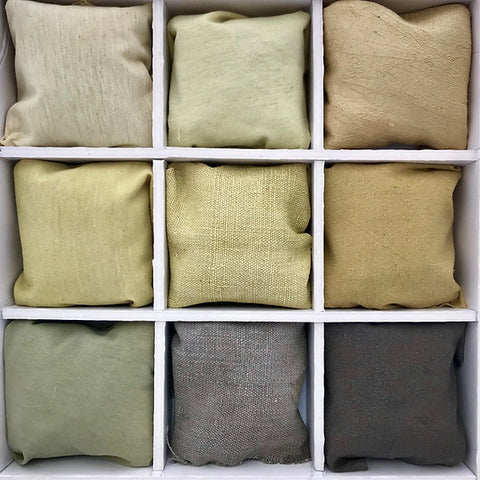
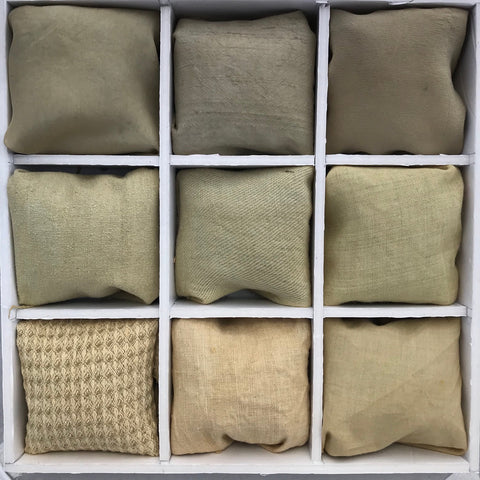
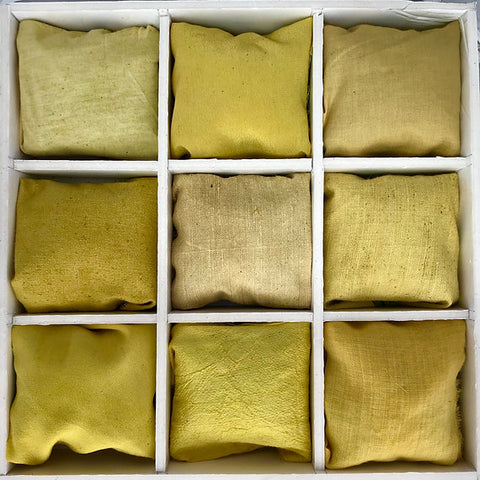
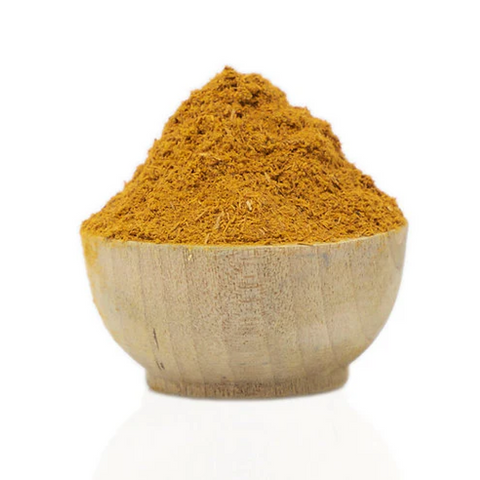
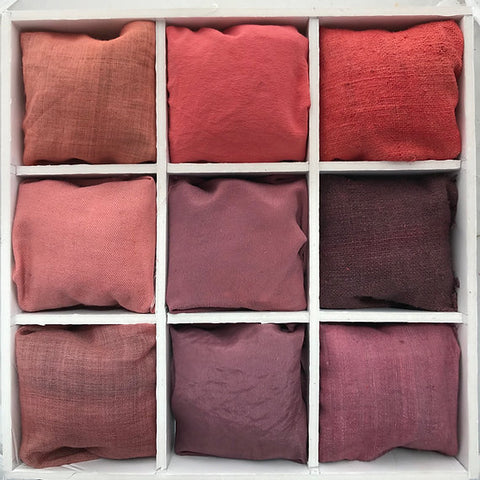
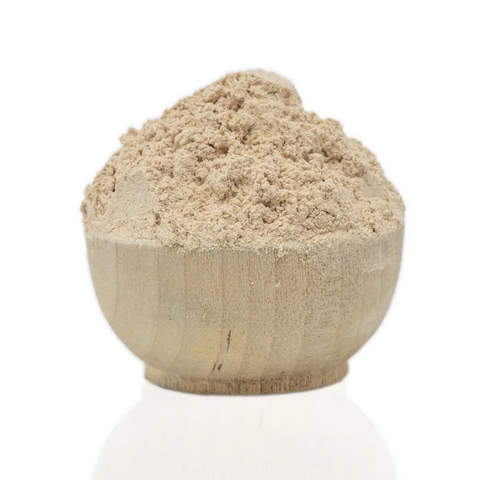
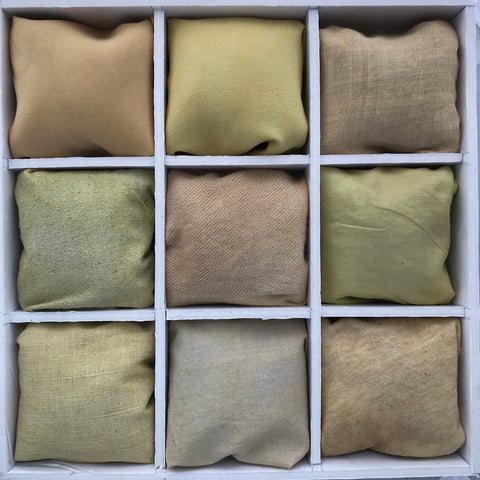
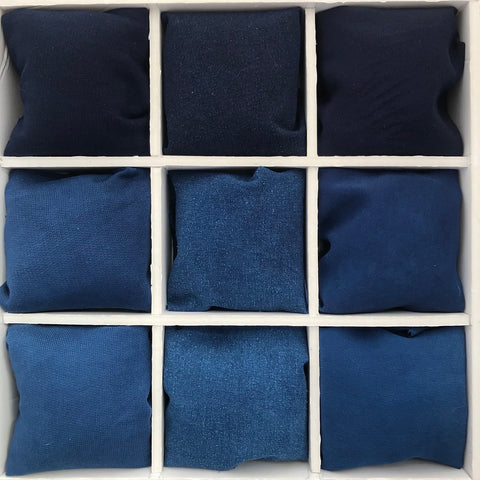
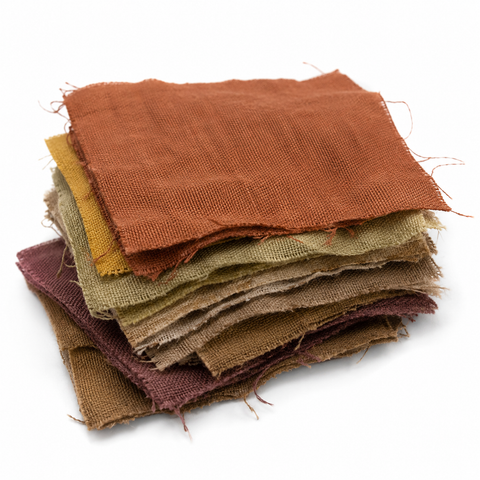
We worked from a deliberately limited framework of four dyes (madder, cochineal, weld, indigo), two mordants, and a tannin, and used these to build a full range of color on wool.

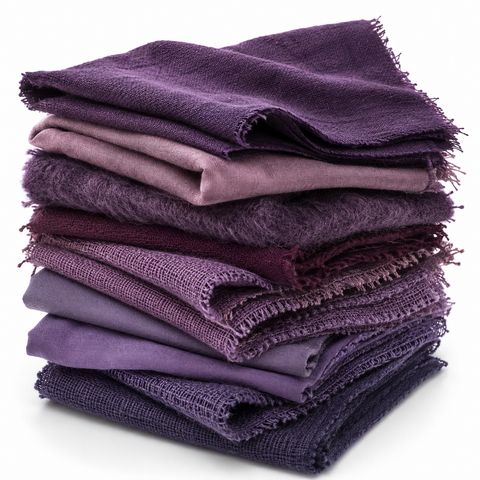
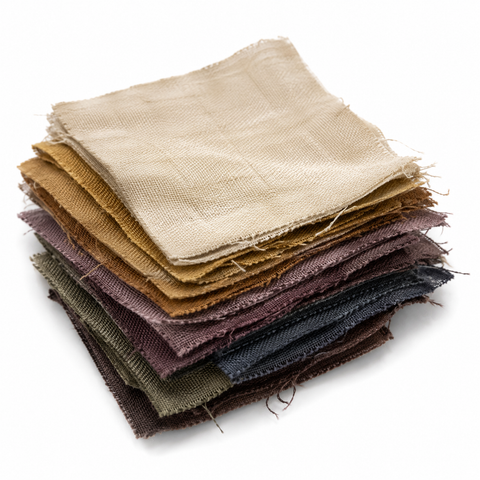
Over the course of the workshop, the group produced 49 distinct shades.
What mattered was not only the result, but the process behind it. Each skein required attention to proportion, sequence, temperature, and timing. Small adjustments led to clear differences, and those differences became the basis for discussion.

The work is methodical. It asks for consistency and patience. But it also creates a shared focus of people working side by side, comparing results, adjusting, repeating.
By the end, participants were not just following recipes. They were beginning to read the system behind them.


Dyeing with Mexico
Local Materials, Embroidery, and Exchange
The second workshop moved in a different direction.
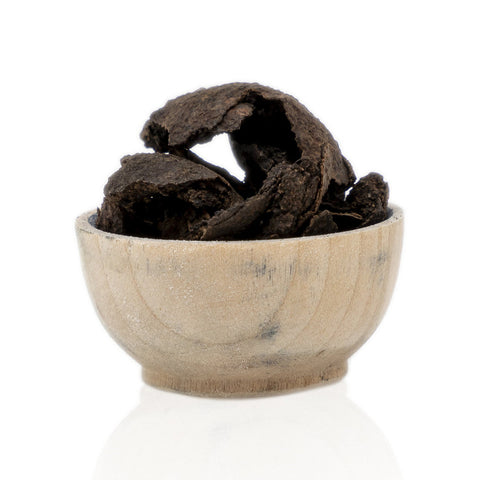
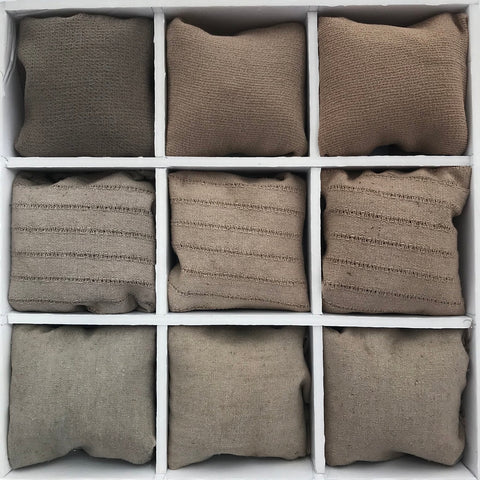
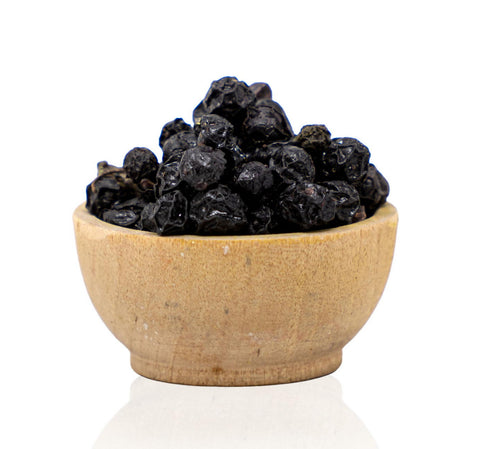
Here, we worked three days with local Mexican dyes and were joined by local abuelitas, who guided us through traditional embroidery techniques. The emphasis shifted from reconstruction to exchange—from reproducing a system to engaging with a living one.


The pace changed as well. The workspace, overlooking the landscape, encouraged longer conversations and a more open way of working. Participants spent time not only dyeing, but also stitching, observing, and asking questions.
Meals were prepared with local, organic ingredients. Music appeared in informal moments. A visit to the farm connected the work back to its source.


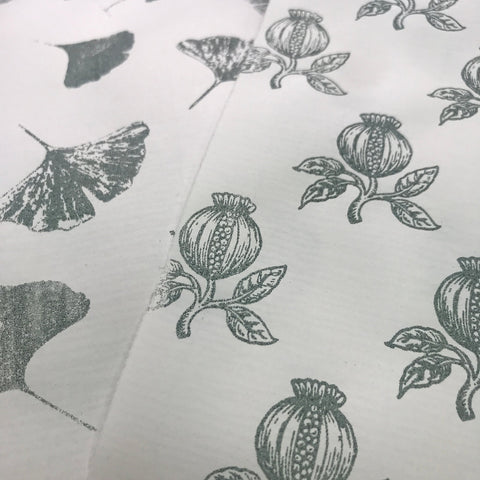
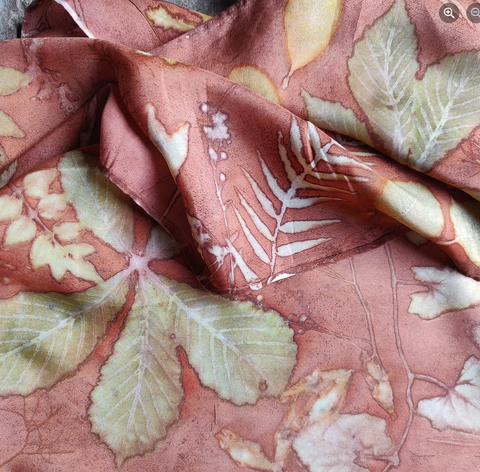
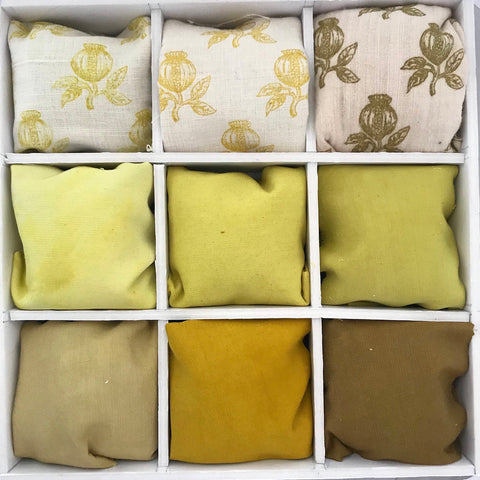
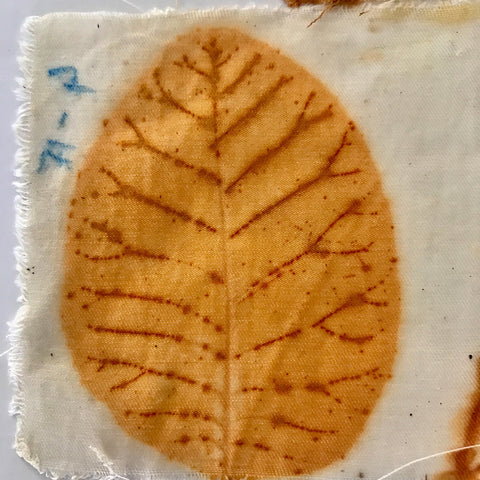
We ended with two days of botanical printing, again, using local dyes and eucalyptus and other leaves from the market , or what was foraged in the streets.


Working with local makers adds a dimension that cannot be replicated in a studio setting alone. It brings context, and it challenges assumptions about how and why we make textiles. We finished this week with full hearts and big dreams.
Looking Back
What stood out this year was the sense of continuity, between historical practice and contemporary work, between different cultures, and between participants themselves.
The group dynamic was strong. People arrived from different places and backgrounds, but quickly found a shared language through the work.
It felt, overall, like the most immersive version of this residency so far.
Mexico Residency 2027
An Expanded Format
The next residency builds on the structure of 2026 (intense, and then more relaxed building blocks), with a longer format and three distinct modules that can be taken individually or combined. At the time of publishing we are about 60% full with repeat participants.
1. 50 Shades — A Contemporary Extension - February 23 – March 2, 2027
We return to the “50 Shades” framework of classical natural dyeing, but this time with a broader modern scope.
Alongside historical methods, we will introduce modern mordants and explore a palette that leans toward more regenerative dye sources. The aim is not to replace traditional systems, but to place them in conversation with current practice.

2. Indigo & Shibori
A three-day module focused on indigo and resist techniques. 2-6 march 2027
This workshop offers a more open format, allowing participants to explore pattern, repetition, and variation through hands-on work with the vat. In the afternoons, we will create a wallhanging under the guidance of stitch-queen Lesa Lee Dike. I thought this would be the perfect combination of learning something new, and creating something lasting to take home.

3. Textile Book with Hagar Zur Fletcher 6-13 March 2027
This module brings together dyeing and making.
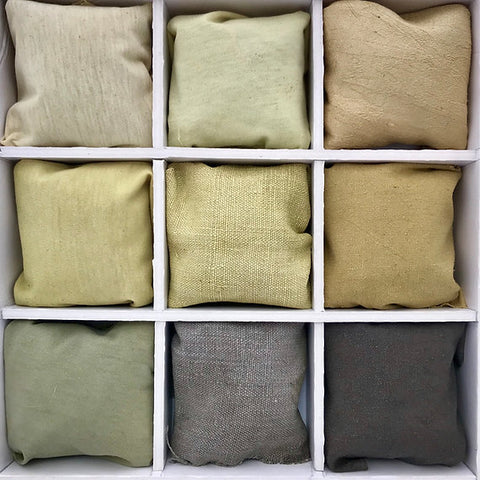
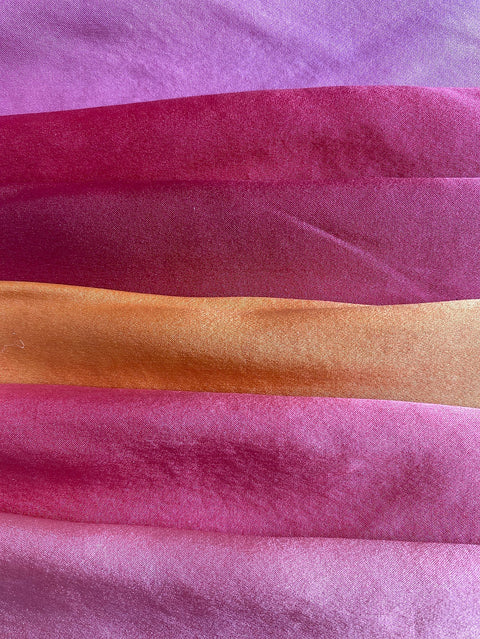
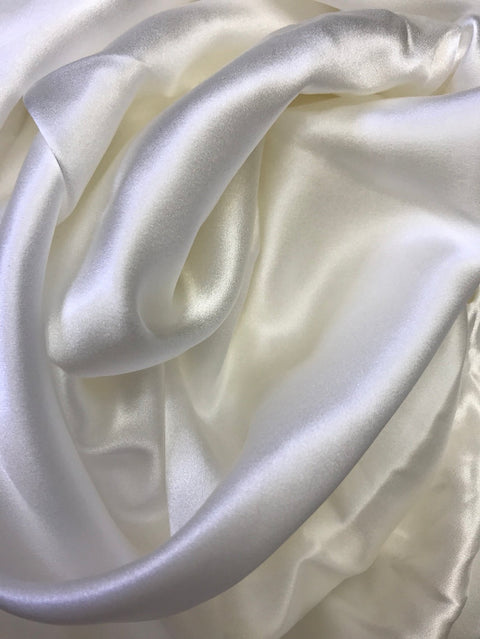
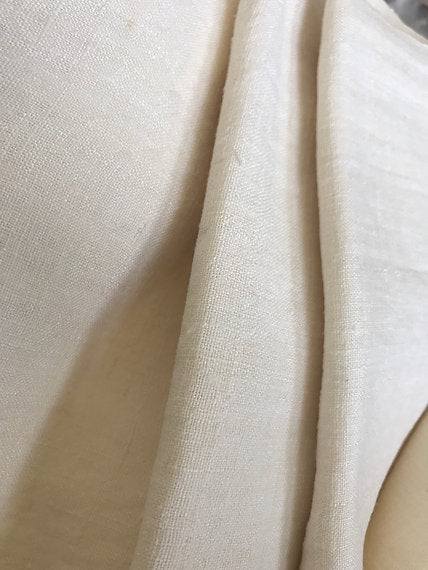
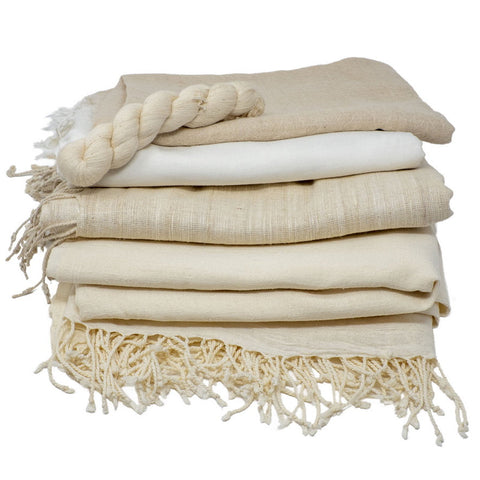
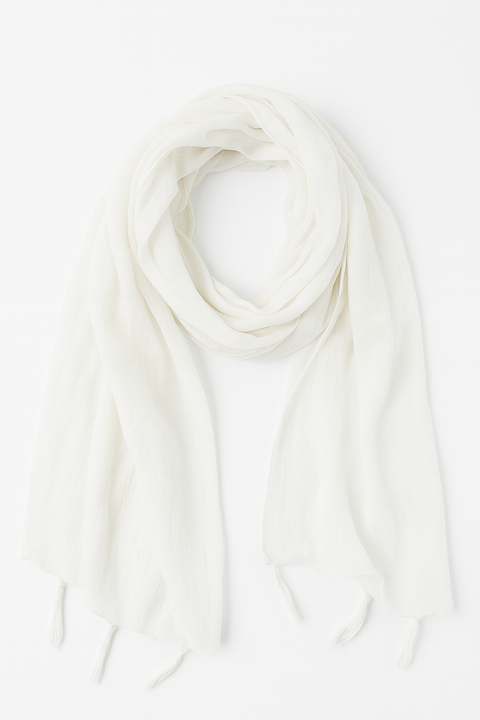
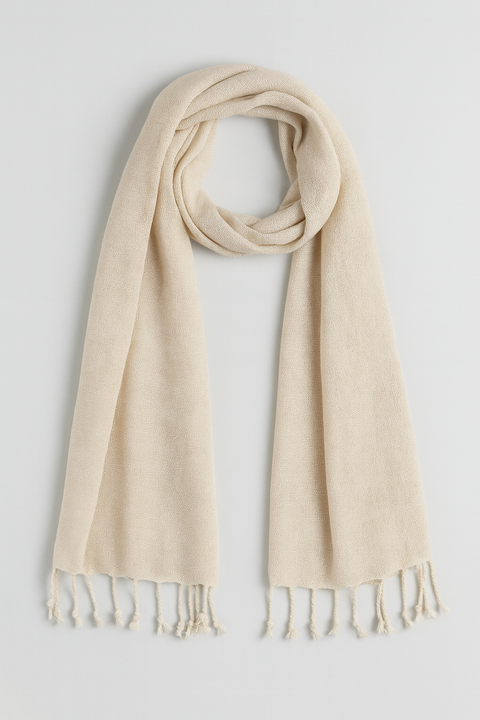
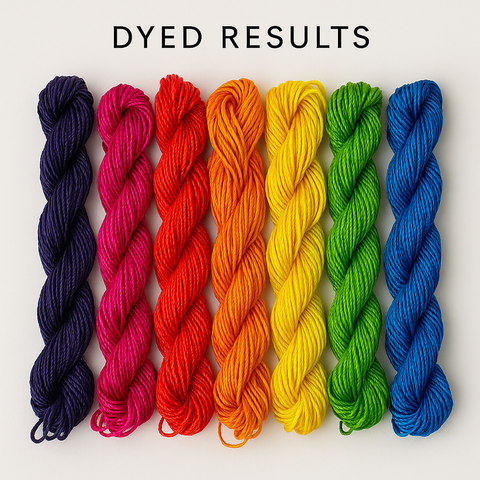
Participants will work on cellulose, and silk, and develop their materials into a personal textile book. Learn how to dye cellulose and silk professionally, with an emphasis on earthy background with bright shades for our yarns. The afternoons will be filled with meditative and intuitive stitching guided in collaboration with textile artist and mensch Hagar Zur Fletcher
Meeting Hagar during this year’s residency was one of those immediate professional connections that naturally develops into collaboration. Her approach to textiles adds a different perspective to the program, and expands what participants can do with the materials they produce. I am expecting a very healing experience.


San Miguel continues to offer a setting that supports this kind of work I do: focused, collaborative, and grounded in place.
The residency is designed for people who want to engage seriously with materials and process, while also being open to the broader context in which textiles exist.
If this year confirmed anything, it is that the combination of structure, place, and people creates something worth continuing.
Check here for all my upcoming courses;
1 comment
Hi!
I’m always happy to get your emails and look at the beautiful work you do! But as someone who lives in Israel, and doesn’t have the luxury to travel abroad, why don’t you do a few workshops in Israel? So many good textile artists go abroad to work—something I truly understand—but how about giving us locals a taste of your talents??
In any event, wishing you a good Pesach, despite the difficult times!
Lhitraot,
Hannah