


How to Recognize Foxing on Antique Linen
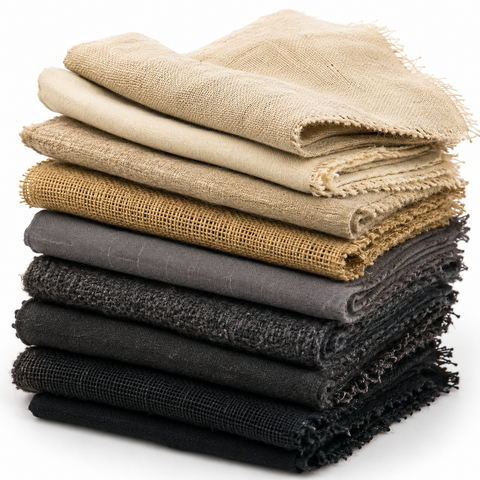
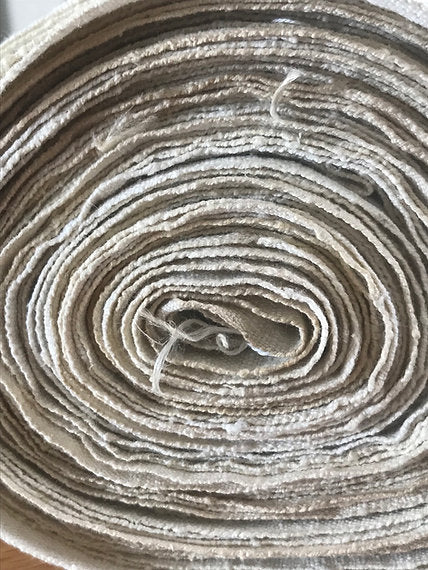
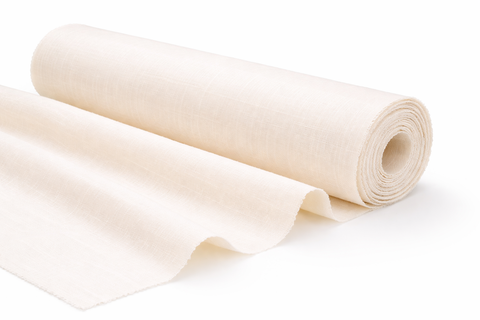
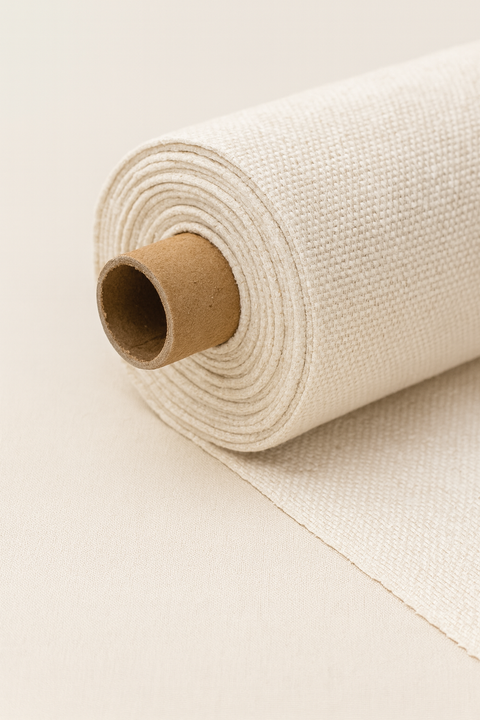
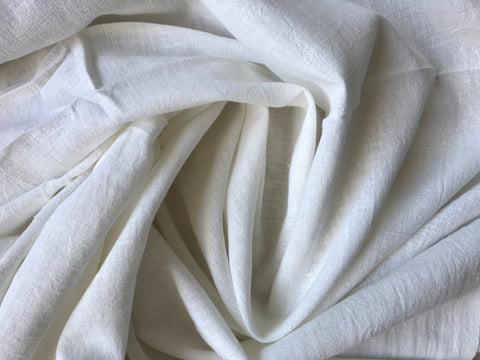
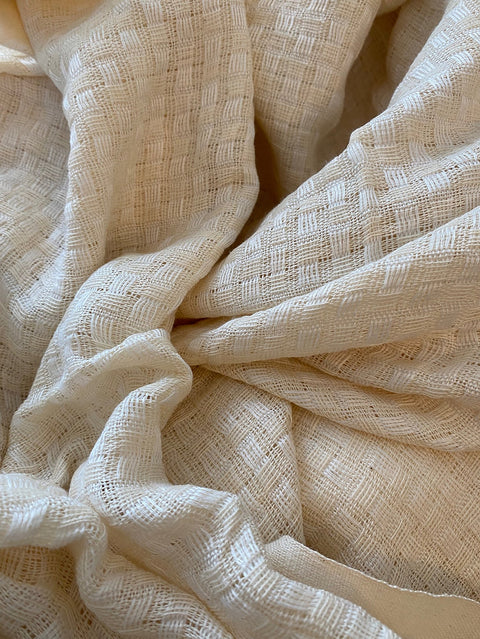
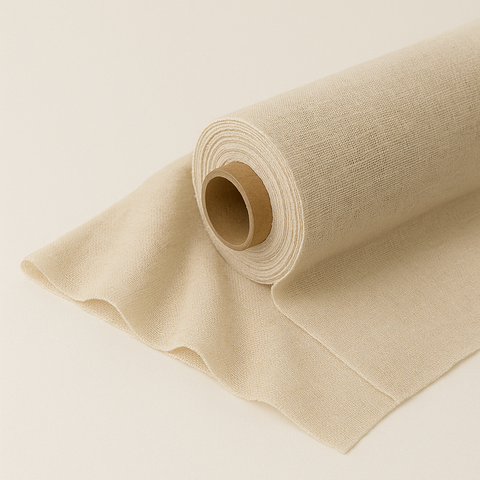
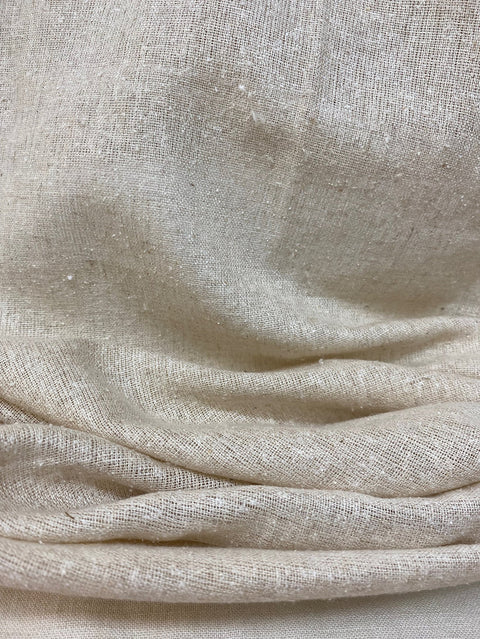
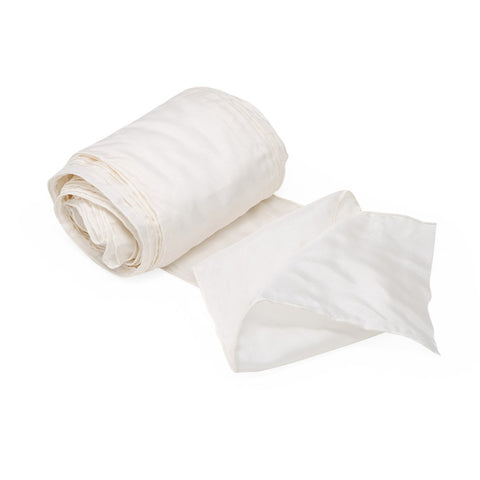
In my store I have had antique linen for many years, your can read more about this linen here.
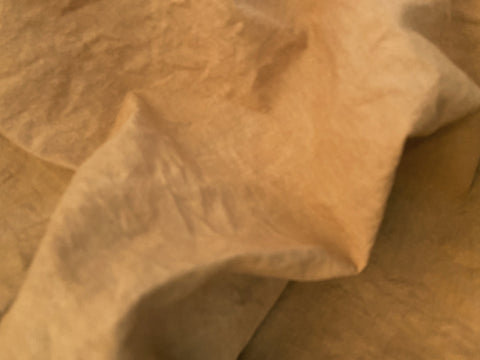
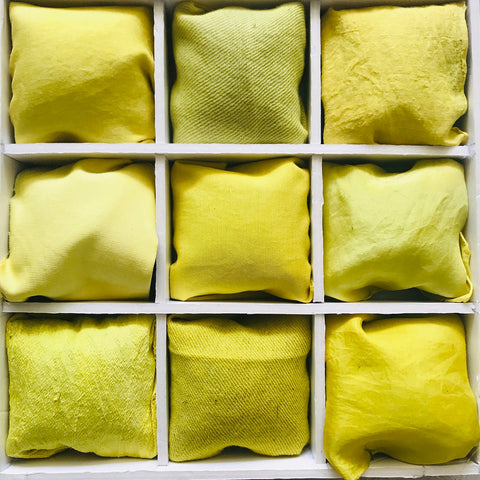
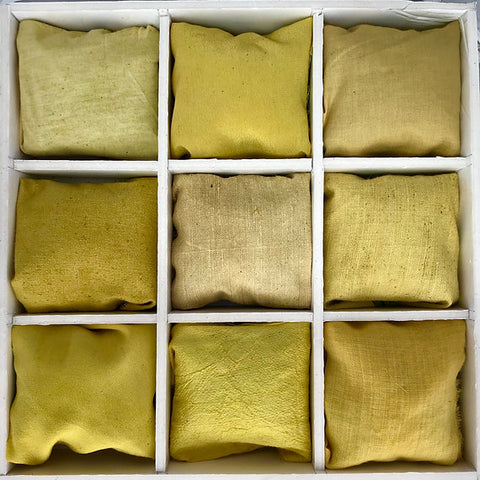
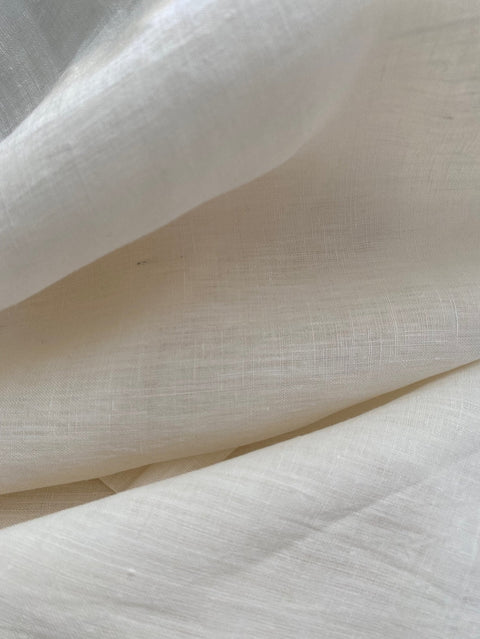
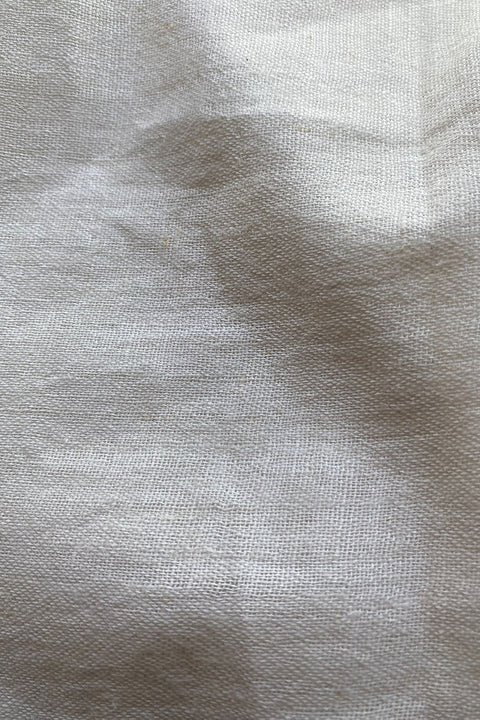
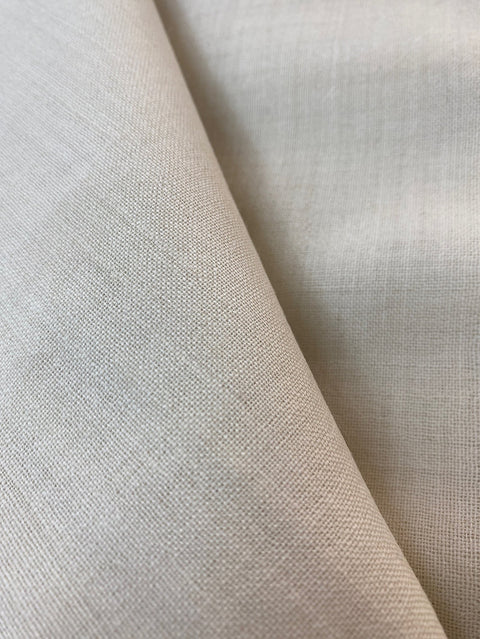
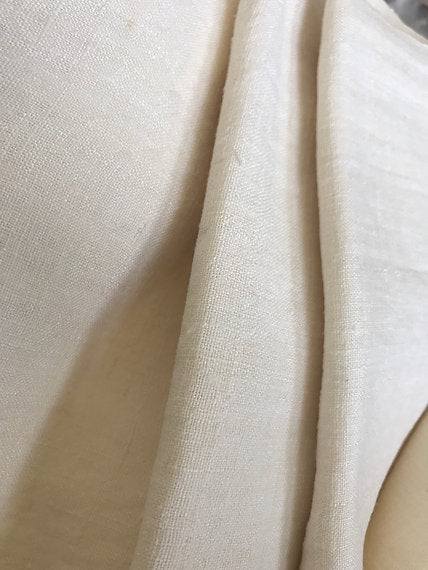
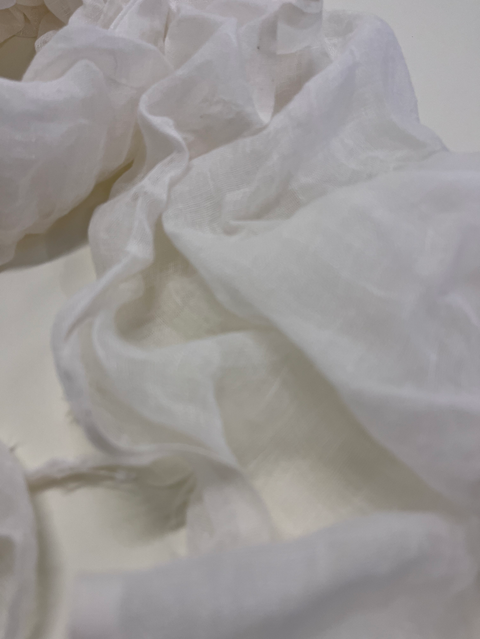
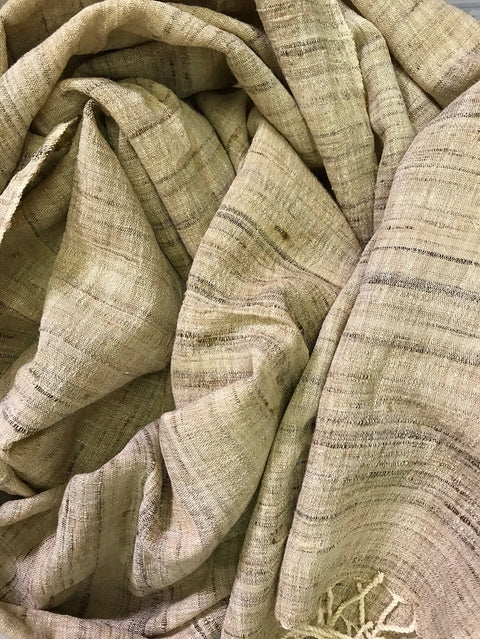
The fabric often has yellow stains when we open it up, this is called foxing. These are not regular stains, we know this since the fabric has been rolled up and was used for decoration, so this was not actually in use.
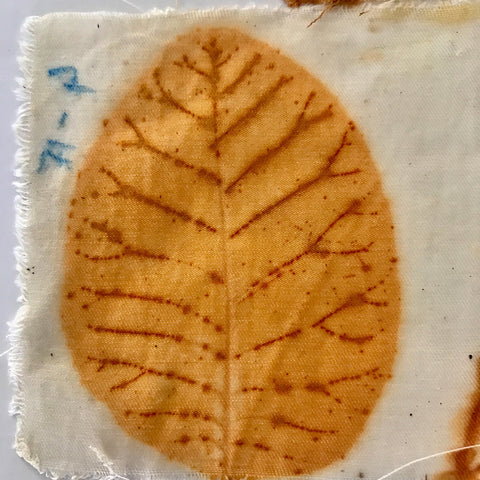
Foxing is the term used for rusty-brown, reddish-brown, yellow-brown, or tea-colored spots that appear on old paper, books, prints, and antique textiles.

In paper conservation, true foxing is often associated with oxidation reactions, sometimes involving tiny iron or metal impurities in the paper. Stable foxing is not the same thing as active mold: it does not continue spreading like live mildew, and it does not mean the textile is unsafe or unusable.
On antique linen, the word foxing is often used a little more broadly. It may describe age spots, storage marks, oxidation, old mildew staining, mineral staining, or the brown speckling on a textile that has spent many decades folded away in cupboards, trunks, attics, or linen presses.
What foxing usually looks like
Foxing on linen often appears as:
small rusty-brown or reddish-brown speckles
yellow-brown cloudy marks
tea-colored staining along fold lines
scattered brown spotting across otherwise pale linen
uneven age discoloration from long storage
marks that look alarming before washing but are sitting in or on the aged surface of the cloth
It is usually irregular. It does not look like a fresh spill. It often follows the way the linen was stored: folded edges, exposed corners, pressure points, or places where moisture and air reached the cloth differently.
Foxing versus active mold
Foxing and active mold are not the same thing.
Stable foxing is usually dry, flat, and rusty or brownish in color. It may look like old freckles in the fabric. It should not feel fuzzy, slimy, or raised, and it should not have an active musty smell.
Active mold or mildew is different. It may smell strongly musty, appear grey, black, greenish, or fuzzy, and may continue spreading if the textile is stored damp. Active mold needs to be dealt with before the fabric is stored or used.
The good news is that antique linen is often much stronger than it looks. Heavy foxing can look dramatic at first, but on sturdy linen yardage it should improve significantly after a proper hot scour, thorough rinsing, and drying in direct sunlight.
What not to do first
Do not reach immediately for chlorine bleach. Chlorine bleach can weaken old cellulose fibers and may cause long-term damage, especially on antique textiles.
I also avoid ordinary modern detergents as a first response, especially heavily perfumed or enzyme-heavy ones, unless I know exactly what I am treating. Vintage textile care sources often mention gentler cleaning agents such as Woolite, Ivory, or Orvus WA paste, though opinions vary. Some also recommend diluted oxygen bleach products such as Biz or OxiClean as a pre-wash soak for sturdy white or colorfast linens.
My own preference for linen is always: assess the fiber, soak if needed, hot scour (min 60ºC) properly in the washing machine (ours has a 'boil' cycle) with OxiClean or something the like, rinse thoroughly, and dry in direct sunlight before escalating to stronger treatments. For particularly stubborn stains I spot clean using lemon juice on a q-tip, and leave the fabric out in the sun for two hours, then wash in the washing machine with OxiClean.
0 comments