



GOTS vs. FDA What’s the Difference and Why It Matters
GOTS stands for the Global Organic Textile Standard, the leading worldwide certification for organic fibers. It regulates the entire textile supply chain from field to finished fabric and it focuses on environmental impact, worker safety, and chemical safety. Only substances on its Positive List may be used, and inputs must be biodegradable, non-toxic, and safe for ecosystems.
FDA-approved means that a substance is considered safe for use in food or cosmetics by the U.S. Food and Drug Administration. This applies to human ingestion or topical use and includes substances like alum, cream of tartar, and citric acid.
While FDA approval focuses on personal safety, especially in products we eat or put on our skin, GOTS approval focuses on the safety of the entire process from raw material to wastewater with minimal harm to people and the planet.
Natural dyers who care about ecological integrity, and non-toxic processes, or who work with organic-certified fibers, need to check both lists. A substance might be food-safe (FDA) but not permitted under GOTS, like stannous chloride. At the same time, many GOTS-approved assists are also used in food or skincare, making them safe, gentle, and earth-friendly choices.

GRAS-Approved / Food-Grade Mordants & Dye Auxiliaries
These substances are approved by the U.S. FDA (and often also by EFSA) for use in food, and some also in cosmetics. Their approval under GRAS (Generally Recognized As Safe) makes them great choices for non-toxic natural dyeing.
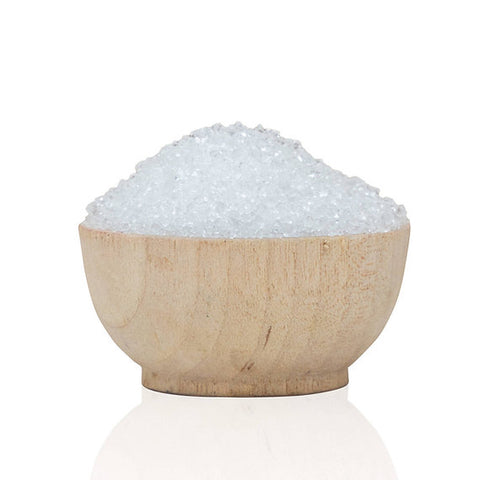
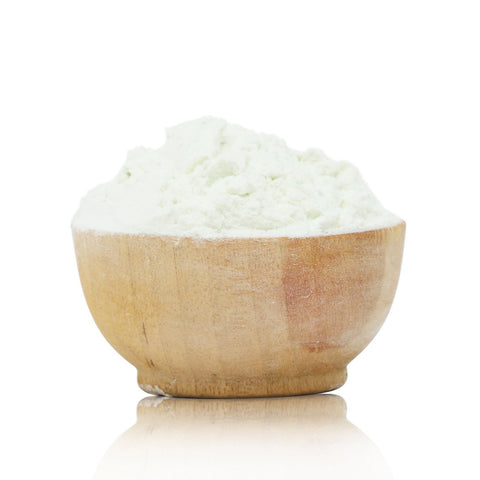
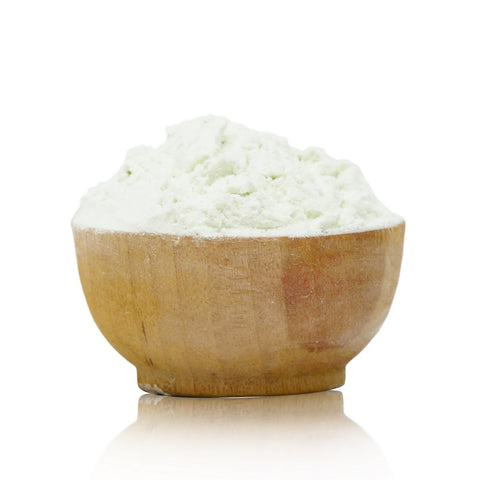
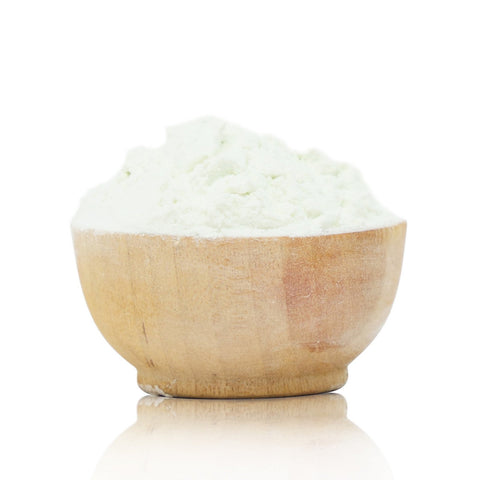
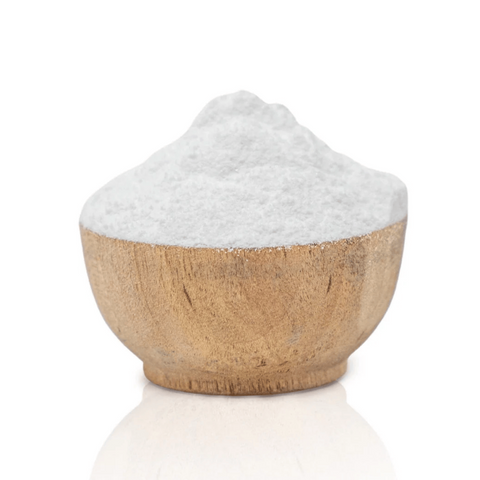
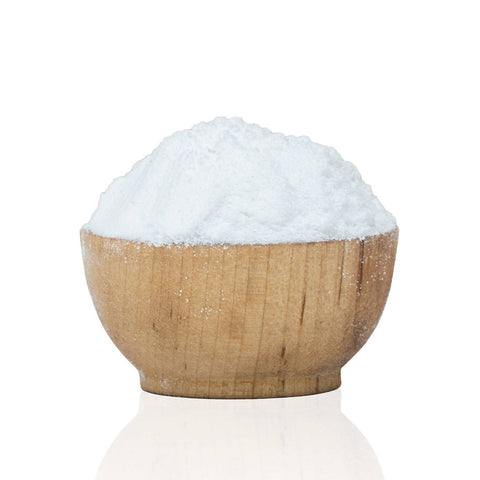
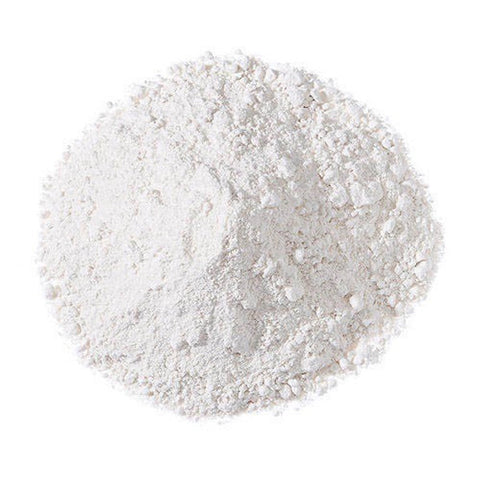
Alum (Potassium Aluminum Sulfate, KAl(SO₄)₂·12H₂O)
FDA status: GRAS – 21 CFR § 182.1125
Uses:
Food: As a firming agent in pickles and as a component of baking powder.
In the kitchen, alum appears quietly but effectively, strengthening the structure of foods that would otherwise soften, lending crispness to pickles and stability to certain baking preparations.
Cosmetics: Common in natural deodorants, styptic pencils, and astringents.
Applied to the body, it functions through its tightening and antibacterial qualities, making it a long-standing ingredient in simple, utilitarian formulations concerned with control and cleanliness rather than embellishment.
Dyeing: The primary mordant for bright, lightfast results. Safe and traditional.
Within the dye bath, alum is foundational: it binds color to fiber with reliability, producing clear, stable hues while maintaining the integrity of the material, and has remained central to textile dyeing practices for centuries.
Note: Food-grade alum is readily available.
Its accessibility in food-grade form reflects its broad acceptance across disciplines, allowing it to move seamlessly between kitchen, body, and workshop.
Stannous Chloride (Tin(II) Chloride, SnCl₂)
FDA status: GRAS – 21 CFR § 182.99
Uses:
Food: Preserves color in canned white potatoes and mushrooms.
In food processing, it serves a highly specific role: preventing discoloration and maintaining the visual clarity of pale ingredients that would otherwise dull during preservation.
Dyeing: Yields vibrant reds with cochineal and unique tones with flavonoids.
In dyeing, its effect is far more expressive, intensifying reds to a striking brilliance and shifting plant-based yellows into unexpected, luminous variations, though always with a degree of caution due to its strength.
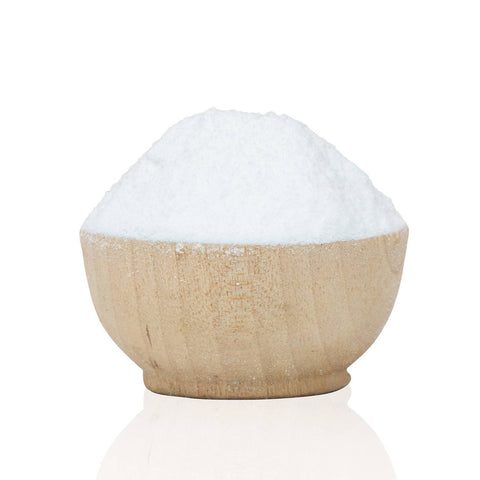
Cream of Tartar (Potassium Bitartrate, KHC₄H₄O₆)
FDA status: GRAS – 21 CFR § 184.1077
Uses:
Food: Stabilizer in baking, especially in meringues and candies.
In culinary practice, it acts as a quiet stabilizer, supporting delicate structures such as whipped egg whites and sugar work, where control over texture is essential.
Dyeing: Adjusts pH and improves alum mordanting, especially on protein fibers.
In the dye bath, it refines rather than transforms, softening conditions and assisting alum in achieving more even, often warmer results on fibers such as wool and silk.
Citric Acid
FDA status: GRAS – 21 CFR § 184.1033
Uses:
Food: Common acidulant in beverages, preserves, and candies.
Its sharp, clean acidity defines it as a fundamental balancing agent in food, brightening flavors and stabilizing formulations across a wide range of applications.
Cosmetics: Found in bath bombs, facial products, and shampoos.
In cosmetic formulations, it contributes both to sensory experience and chemical balance, regulating pH while enhancing the feel and performance of the product.
Dyeing: pH adjustment, pre-treatment for cellulose.
In textile work, it operates as a precise tool, gently lowering pH to prepare fibers or influence color development without introducing additional complexity.
Tartaric Acid
FDA status: GRAS – 21 CFR § 184.1097
Uses:
Food: Found in grapes; used in baking powder and candies.
Naturally present in grapes, it carries with it a long history of culinary use, where it contributes both acidity and structure in confections and baked goods.
Dyeing: Less common but can help adjust pH for certain recipes.
In dyeing, it appears more rarely, yet offers a subtle means of adjusting conditions when a softer or more specific acidic environment is required.
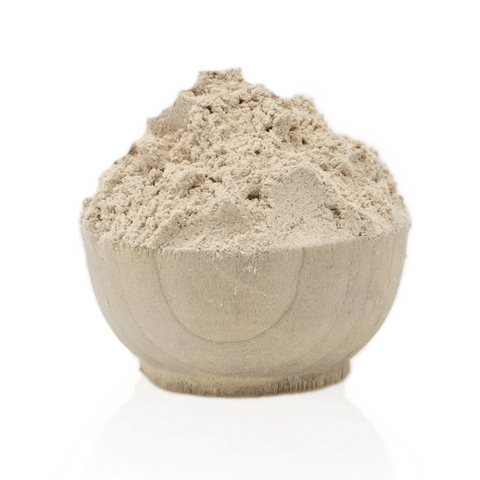
Sodium Bicarbonate (Baking Soda, NaHCO₃)
FDA status: GRAS – 21 CFR § 184.1736
Uses:
Food: Baking, pH control, leavening.
In the kitchen, it is both reactive and structural, releasing gas to create lift while also moderating acidity within a recipe.
Dyeing: pH raiser for indigo vats and color shifting.
In the dye studio, it gently raises alkalinity, supporting processes such as indigo reduction and enabling controlled shifts in color through pH manipulation.
Sodium Carbonate (Soda Ash, Na₂CO₃)
FDA status: GRAS – 21 CFR § 184.1742
Uses:
Food: Used in pretzels (gives “lye” taste), and ramen noodles.
Its role in food is defined by transformation: altering texture and flavor, creating the distinctive chew of noodles or the characteristic crust of pretzels.
Dyeing: Crucial for hydros indigo vats, and scouring cellulose.
In dyeing, it is a strong and decisive agent, establishing the alkaline conditions required for indigo vats and effectively cleaning plant fibers in preparation for dye.
Calcium Hydroxide (Slaked Lime / Pickling Lime)
FDA status: GRAS – 21 CFR § 184.1205
Uses:
Food: In nixtamalization (corn for tortillas), pickling.
Its culinary significance is deeply rooted in tradition, transforming corn through nixtamalization and contributing to the preservation and texture of pickled foods.
Dyeing: Alkali for indigo vats (alternative to soda ash or caustic soda).
In dyeing, it provides a stable alkaline environment, often preferred in traditional indigo systems where a slower, more controlled development of the vat is desired.
Not GRAS, But Common in Dyeing (Use with Caution)
These substances do not have GRAS status and should not be used in food or cosmetics, but are common in traditional and modern dye practices:
| Substance | Status | Notes |
| Ferrous Sulfate | ❌ Not GRAS | Toxic in excess; used in iron mordanting |
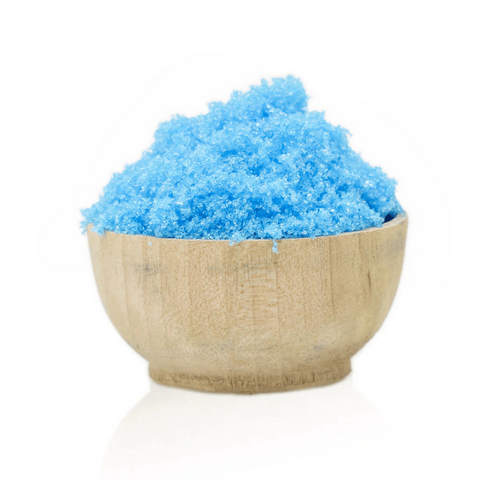
| Copper Sulfate | ❌ Not GRAS | Toxic; banned in eco-label dye processes |
| Aluminum Acetate | ⚠️ Not GRAS | Used in dermatology (Burow’s solution); not approved for food |
| Aluminum Triformate | ⚠️ Not GRAS | Eco-friendly mordant, no current FDA status |
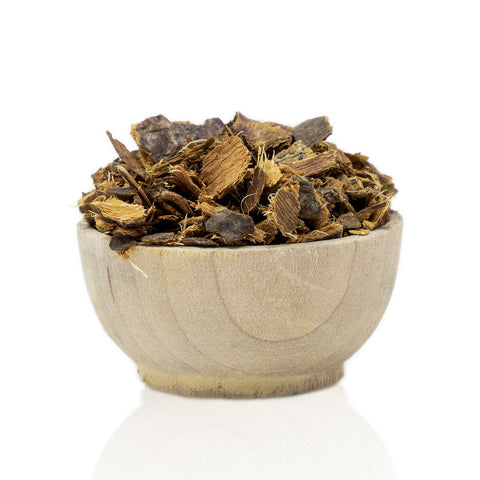
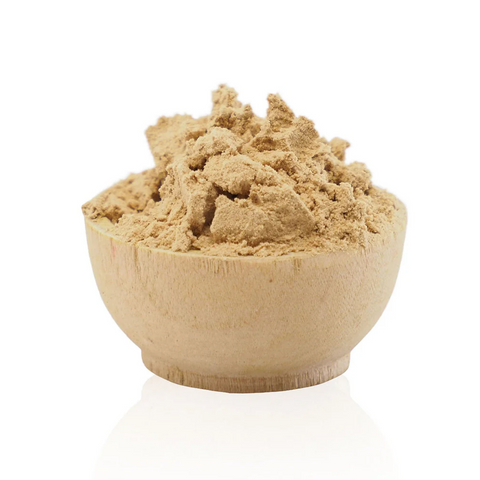
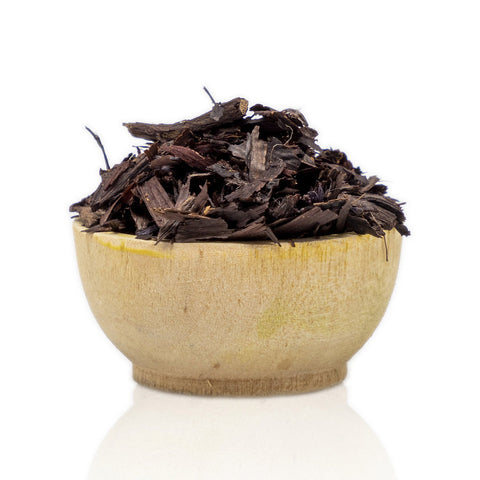
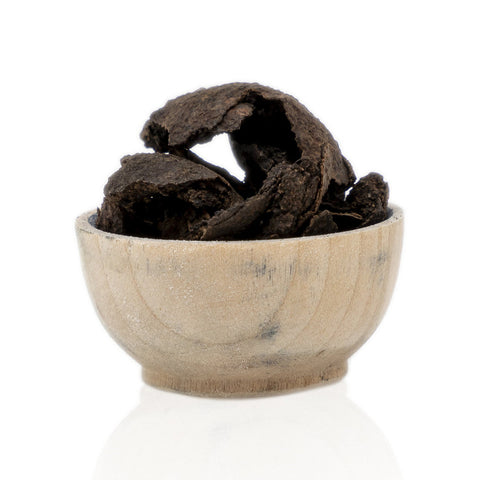
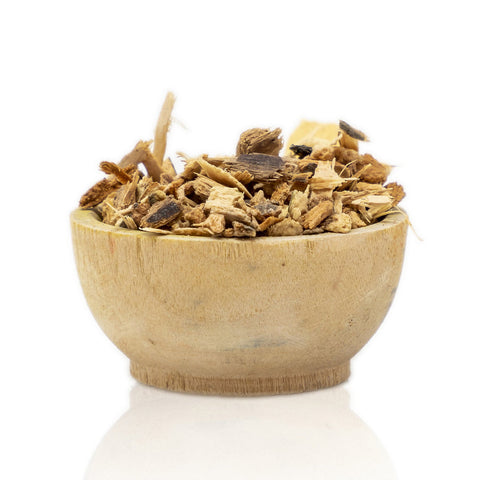
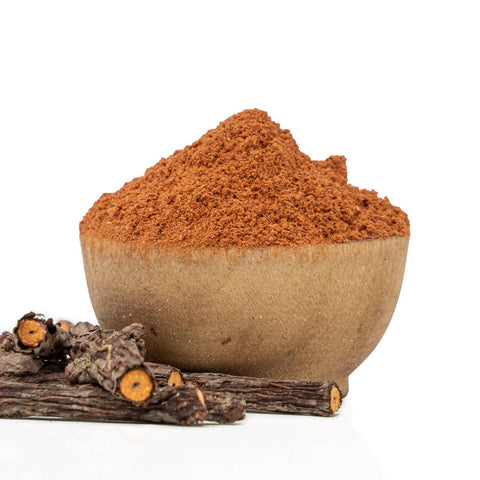
| Tannins (e.g. Oak Gall, Myrobalan) | ✅ Safe but not regulated as additives | Naturally occurring plant substances, used in food (e.g. teas) but not isolated as food additives |
| Calcium Carbonate (chalk) | ✅ Used in food and dyeing | Used to neutralize pH or modify shades |
What This Means for Natural Dyeing
If you're committed to safe, earth-friendly, and non-toxic processes, you can confidently use alum, cream of tartar, citric acid, stannous chloride, soda ash, and baking soda, knowing they're all food-grade and GRAS-approved. These substances are ideal for home dyeing, sensitive users, and even dyeing products for babies or therapeutic uses, assuming proper rinsing and safe handling. Mordants like iron or copper sulfate are useful but should be approached with care due to their toxicity and environmental impact. The ferrous sulfate, having such a bad reputation, came as a shock to me, I tell you!
GOTS-Approved Mordants and Assists
The Global Organic Textile Standard (GOTS) is the leading certification for organic textiles. It restricts inputs based on human safety, environmental impact, and biodegradability. Only permitted substances from the GOTS Positive List may be used in certified processing. The mordant itself does not require a GOTS certificate to qualify for GOTS certification of your finished textile. By the way: do not count on GOTS to be the know-all and end-all of what is good and bad in the textile industry, but rather use it as a gentle guideline for your decision-making.
| Substance | Function | Status | Notes |
| Alum (Potassium Aluminum Sulfate) | Mordant | ✅ Approved | Traditional mordant: safe, biodegradable, low toxicity |
| Aluminum Acetate | Mordant | ✅ Approved | Especially useful for cellulose; less common, more costly |
| Aluminum Lactate | Mordant | ✅ Approved | Biodegradable, used on cellulose and protein |
| Aluminum Triformate | Mordant | ✅ Approved | Eco-alternative; low environmental toxicity |
| Tannins (e.g., oak galls, myrobalan) | Mordant / assist | ✅ Approved | Natural mordant for cellulose; must be plant-derived |
| Ferrous Sulfate (Iron) | Post-mordant / modifier | ⚠️ Restricted use | Allowed in very low concentrations (<6% WOF); must not exceed thresholds |
| Cream of Tartar (Potassium Bitartrate) | Mordant assist | ✅ Approved | pH modifier with alum, helps clarity and brightness of shades |
| Citric Acid | pH modifier | ✅ Approved | Aids in dye bath pH control; biodegradable |
| Tartaric Acid | pH modifier | ✅ Approved | Similar use to citric acid |
| Sodium Carbonate (Soda Ash) | Scouring / pH adjust | ✅ Approved | Common in cellulose scouring, indigo vats |
| Sodium Bicarbonate (Baking Soda) | pH adjust | ✅ Approved | Gentle alkalizer, often used in protein fiber prep |
| Calcium Hydroxide (Slaked Lime) | Indigo vat alkali | ✅ Approved | Traditional lime for fermentation vats |
| Ascorbic Acid (Vitamin C) | Indigo vat reducer | ✅ Approved | Eco-alternative to chemical reducing agents |
| Fructose, Glucose, Molasses | Indigo vat reducer | ✅ Approved | Used in fruit vats and eco-friendly reduction processes |
| Washing Soda (Sodium Carbonate) | Scouring | ✅ Approved | Same as soda ash |
| Enzymes (e.g., pectinase, amylase) | Scouring | ✅ Approved | Only microbial enzymes from non-GMO sources allowed |
❌ Not GOTS-Approved (Prohibited or Highly Restricted)
| Substance | Reason for Exclusion |
| Copper Sulfate | Heavy metal; toxic to aquatic life |
| Chrome Mordants (e.g., potassium dichromate) | Carcinogenic, environmentally hazardous |
| Tin Compounds (e.g., Stannous Chloride) | Not allowed under GOTS due to heavy metal content |
| Synthetic Fixatives or Retarders | Usually petrochemical-based |
| EDTA, DTPA, and other chelating agents | Poor biodegradability |
| Synthetic surfactants (non-GOTS listed) | Many are non-biodegradable, may bioaccumulate |
3 comments
Thanks for this. Interesting and helpful. Dank je Suzanne
Great details. Thanks
Great article – thanks for all the research.