Acacia Extract (Acacia Mearnsii) Organic
From$8.90
Start typing to search products
 Sold out
 Sold out
 Sold out
 Sold out
 Sold out
 Sold out
 Sold out
 Sold out
 Sale
Sale
 Sold out
 Sale
Sale
 Sold out
 Sold out
 Sold out
 Sold out
 Sale
Sale
 Sold out
 Sold out
 Sale
Sold out
Sold out
Sale
Sold out
Sold out
 Sold out
Sale
Sold out
Sold out
Sale
 Sold out
Sold out
Sold out
 Sale
Sale
 Sold out
Sold out
Sold out
Sold out
Sold out
 Sold out
Pickup available at eHouse Rishon
Usually ready in 24 hours
Reliable shipping
Flexible returns
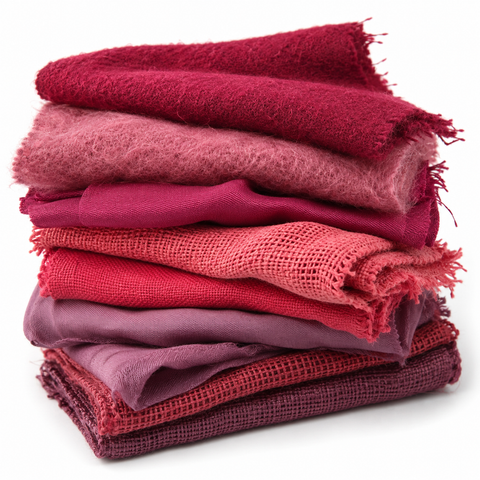
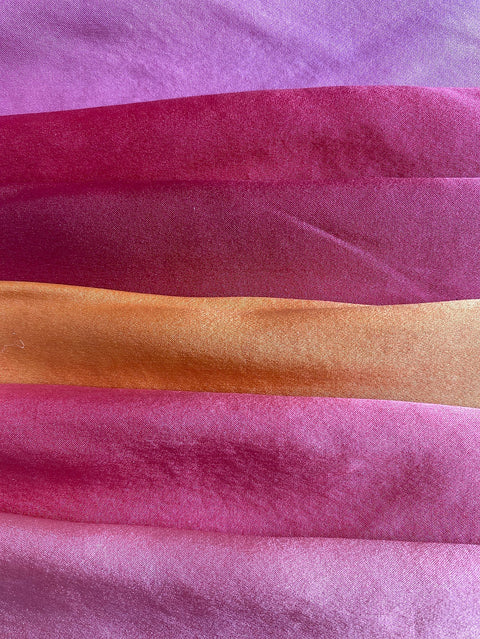
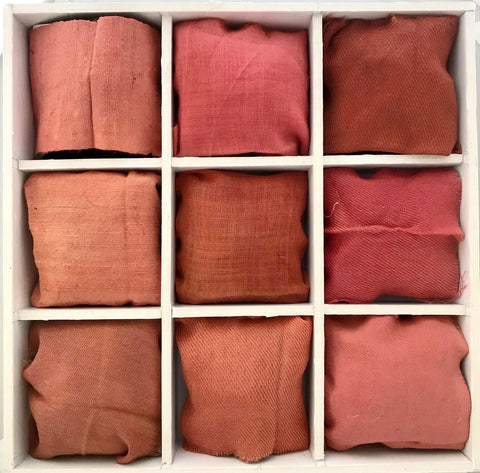
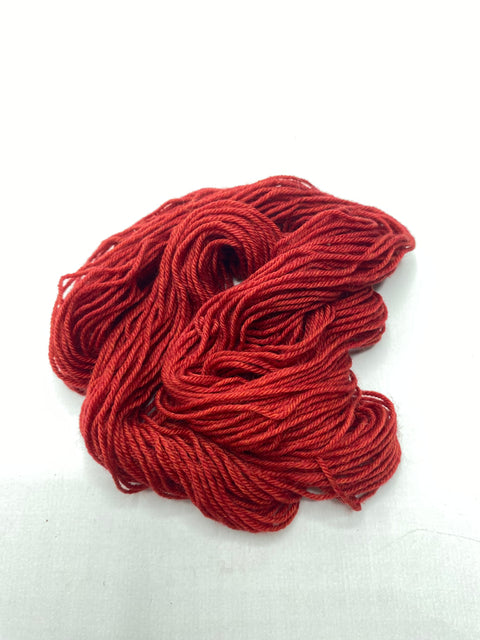
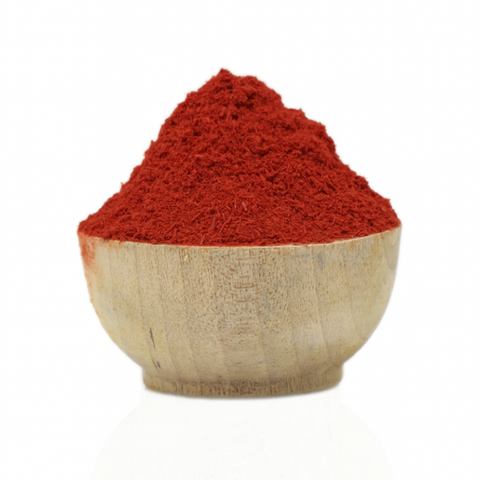
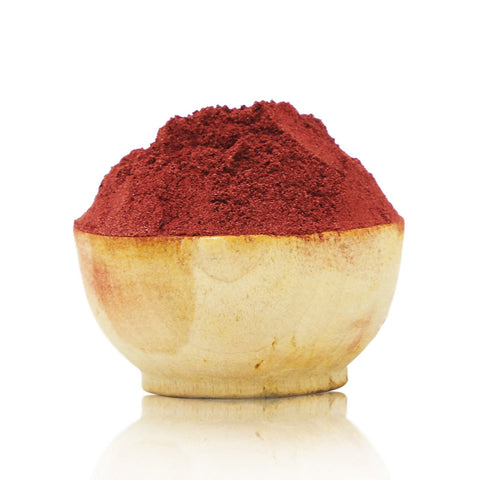
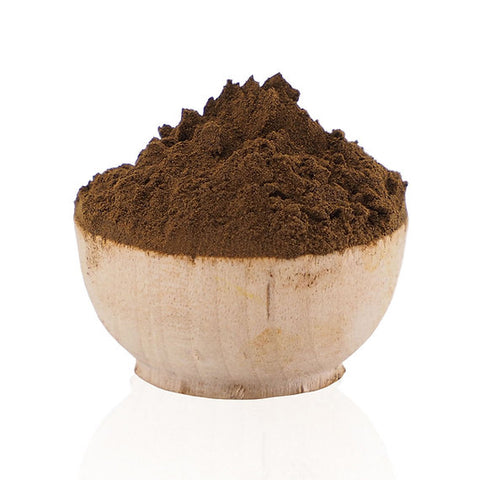
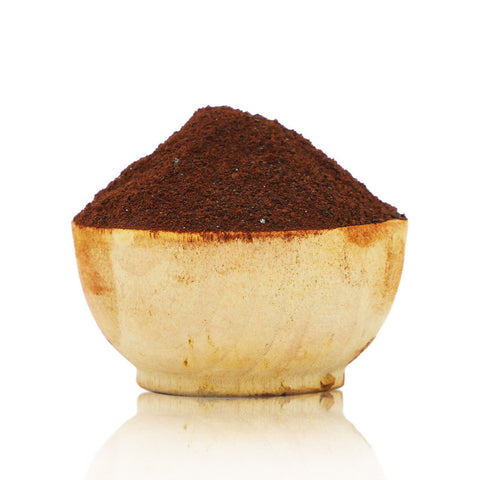
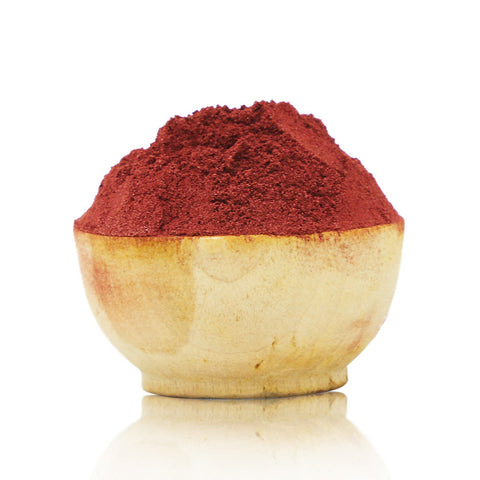
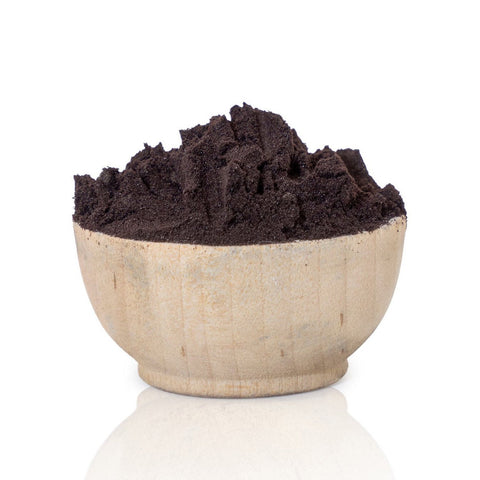
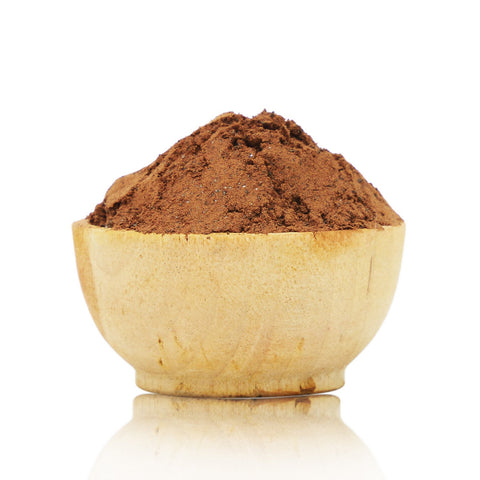
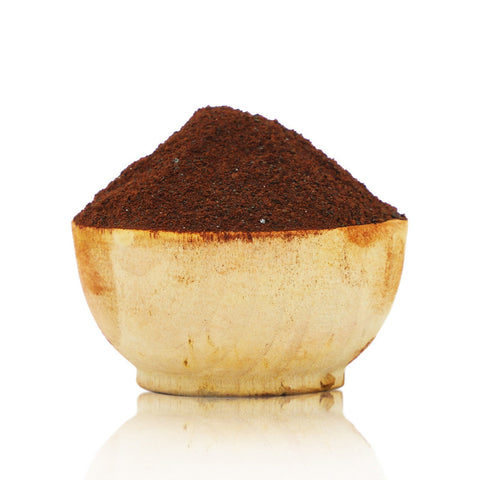
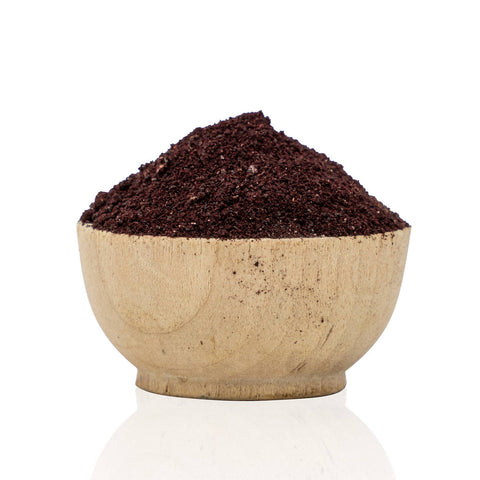
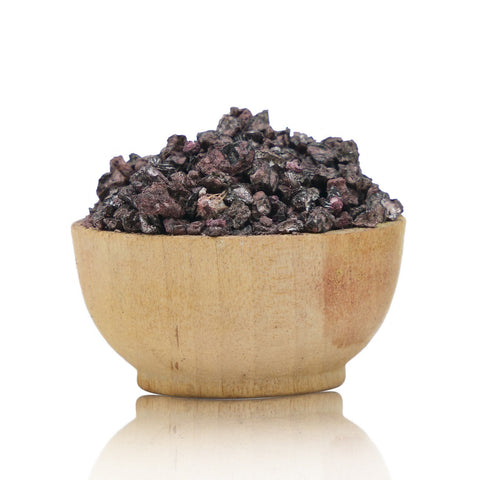
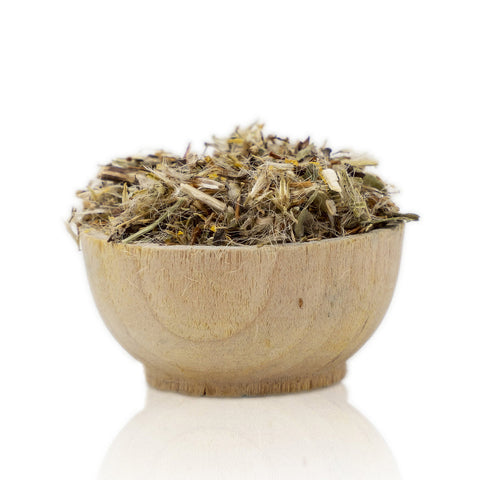
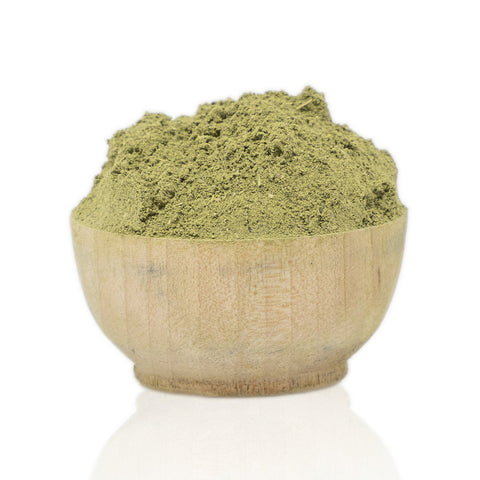
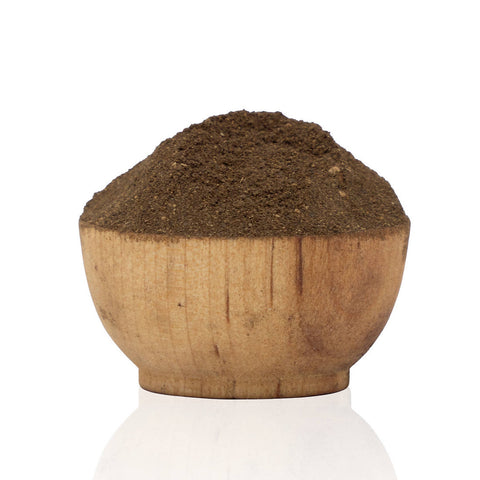
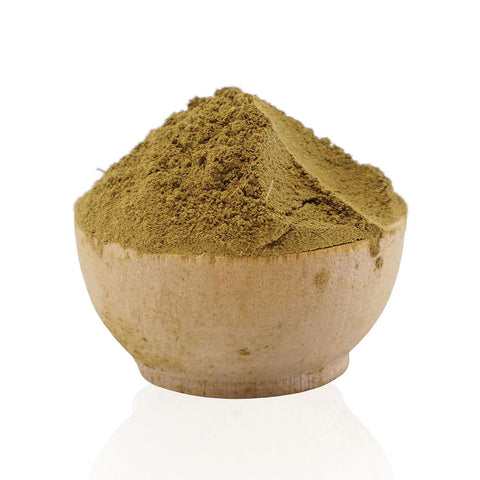
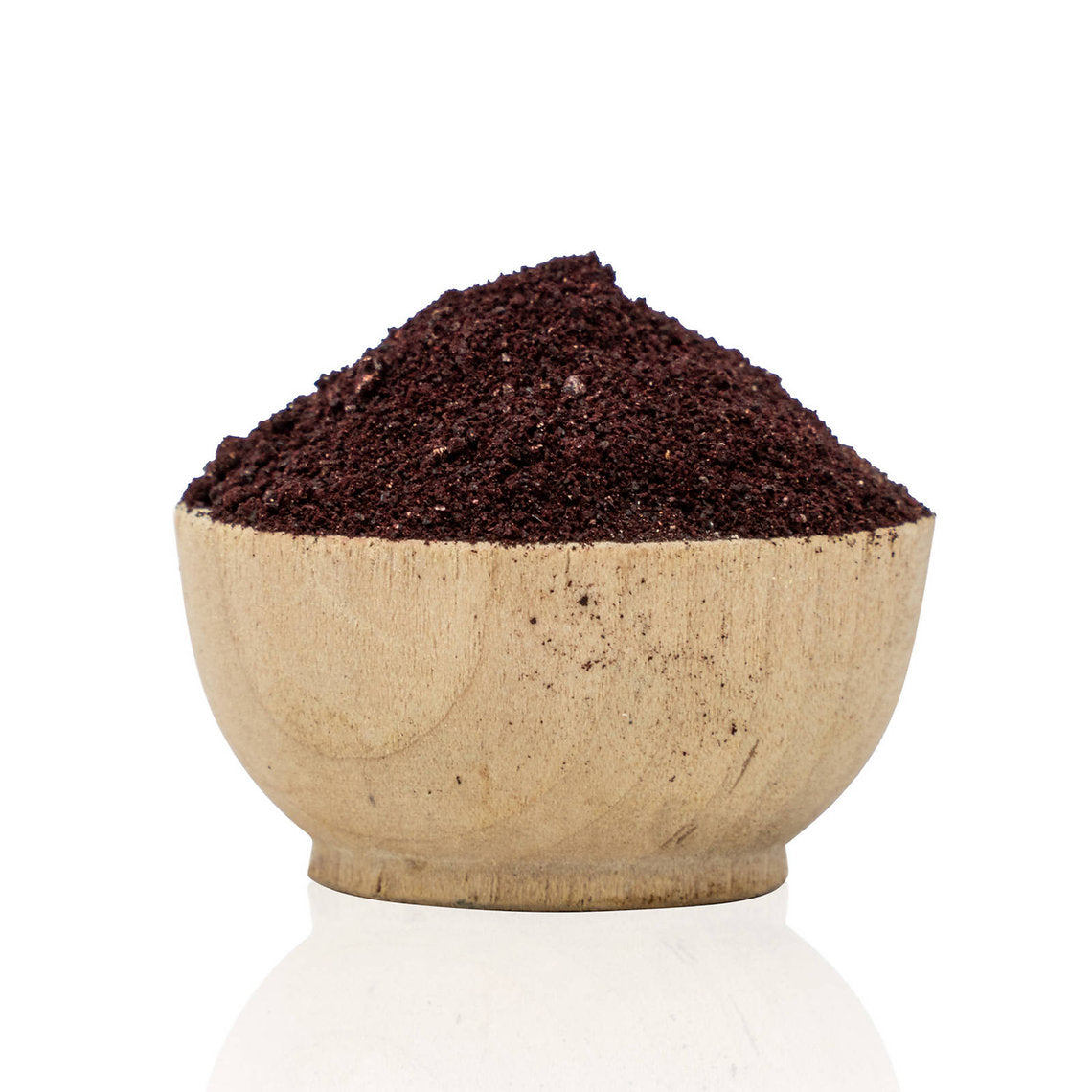
Cochineal is one of the world’s most iconic red dyes, obtained from the dried female insects of Dactylopius coccus Costa, cultivated on nopal (prickly pear) cactus. Our cochineal comes from a small, sustainable farm in Peru, produced under organic and fair-trade standards. With a high carminic acid content (19–22%), these insects yield brilliant reds, pinks, and purples that are prized by natural dyers worldwide.
Historically, cochineal was a highly valuable export from the Americas to Europe from the 16th century onward, shaping global textile trade. Today, it remains the only natural red colorant still widely approved for use in textiles, food, and cosmetics.
Active dye components: carminic acid (carmine, E120)
CI Natural Red 4
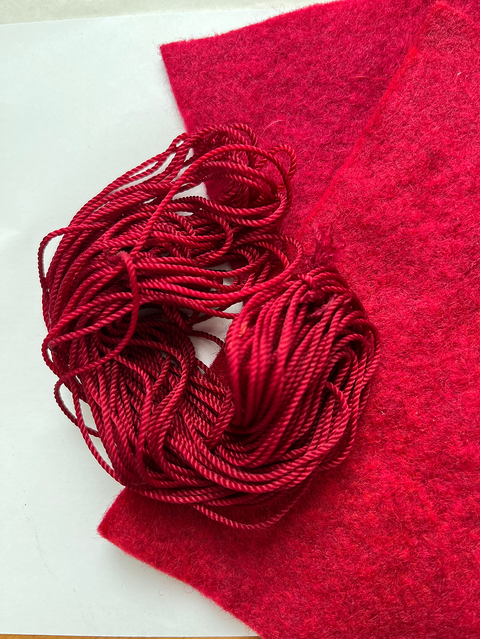
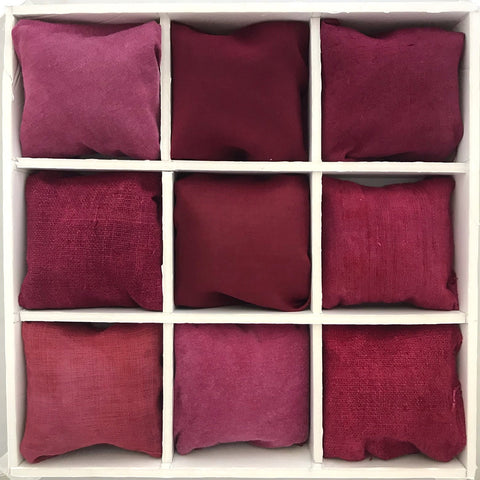
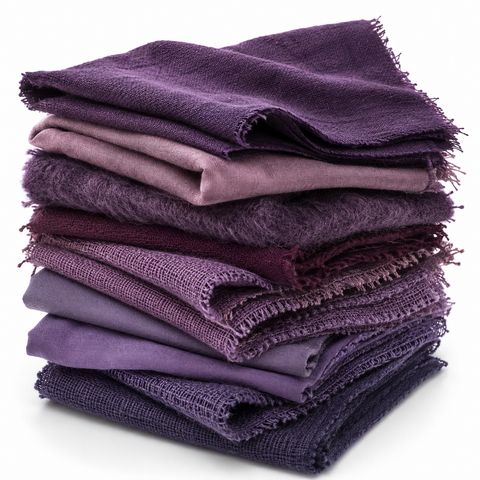
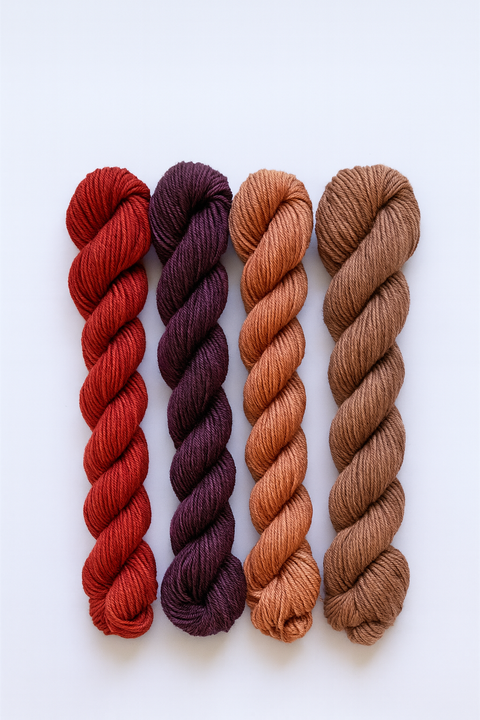
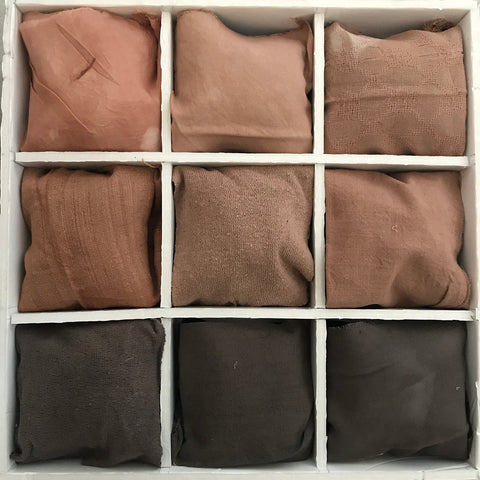
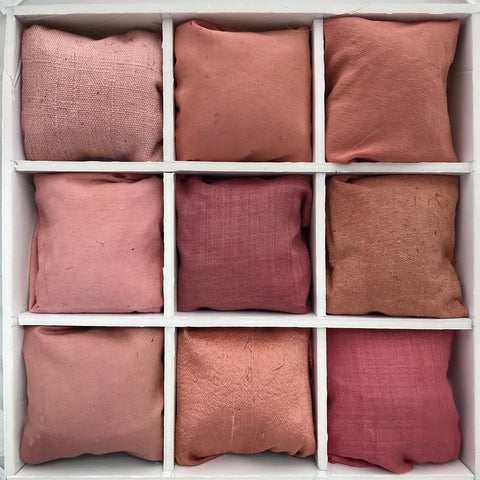
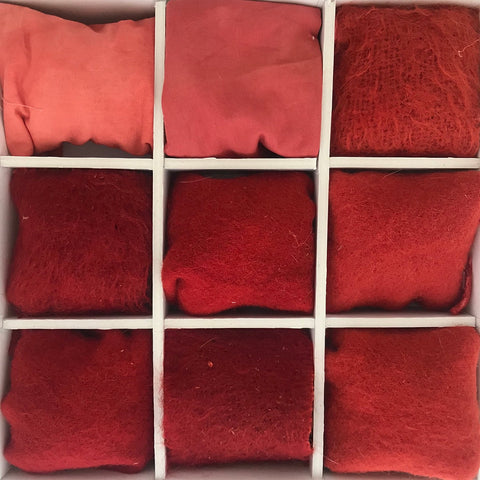
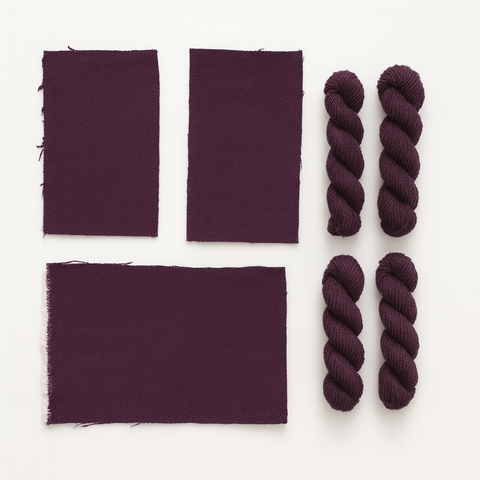
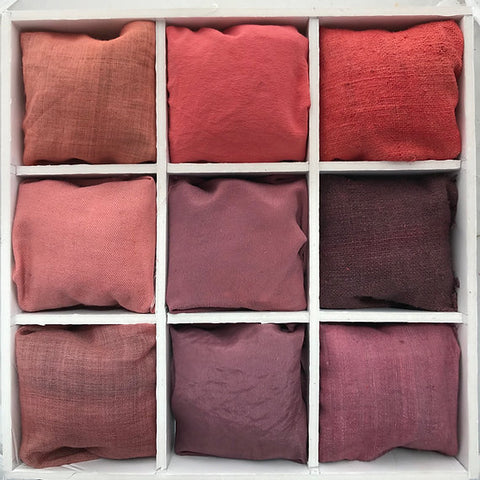
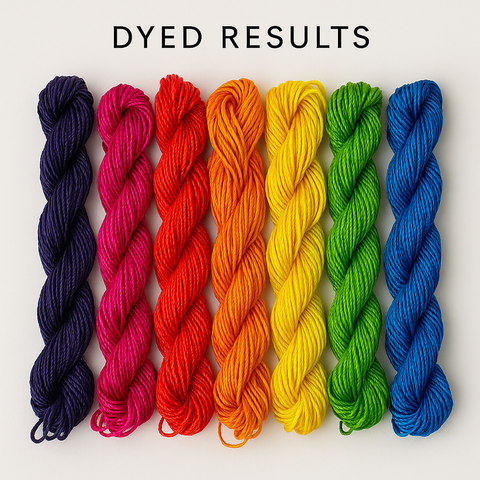
Cochineal powder is one of the most concentrated natural red dyes, producing vibrant pinks, crimsons, reds, and purples depending on fiber, mordant, and pH.
Use 6–10% WOF for most dye projects. Heat the cochineal in clean water for 30 minutes, add the pre-mordanted fibers and heat for one hour until fully saturated. Rinse well and dry in the shade.
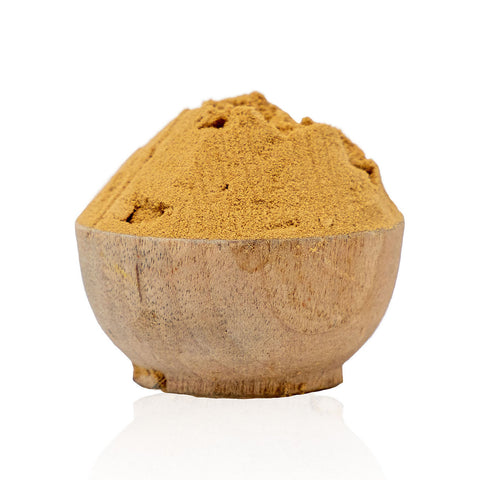
Cochineal responds beautifully to acidity. Adding cream of tartar to the dye bath can shift the color toward clearer, redder shades. The cochineal insects are already pre-ground for convenience.
WOF: 6–10%
Best method: Hot dyeing
Mordant: Recommended, especially for silk and plant fibers
pH shift: Add cream of tartar for redder tones
Low-impact method: Suitable
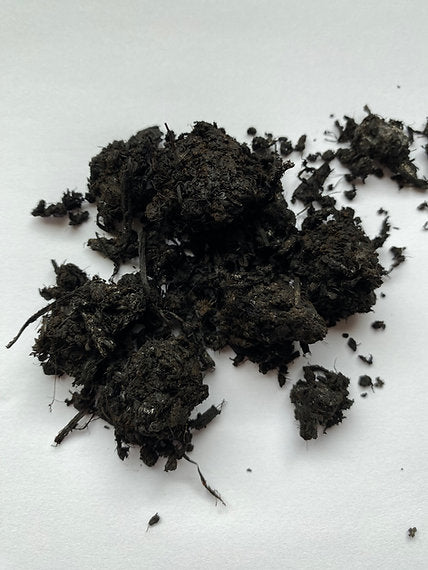
Preparation: Grind finely before use for best results