Acacia Extract (Acacia Mearnsii) Organic
From$8.90
Start typing to search products
 Sold out
 Sold out
 Sold out
 Sold out
 Sold out
 Sold out
 Sold out
Sold out
Sold out
Sold out
Sold out
 Sold out
 Sold out
 Sold out
 Sold out
 Sold out
Sold out
Sold out
Sold out
Sold out
 Sale
Sale
 Sold out
 Sale
Sale
 Sold out
 Sold out
 Sold out
 Sold out
 Sale
Sale
 Sold out
 Sold out
 Sale
Sold out
Sold out
Sale
Sold out
Sold out
 Sold out
Sale
Sold out
Sold out
Sale
 Sold out
Sold out
Sold out
 Sale
Sale
 Sold out
Sold out
Sold out
Sold out
Sold out
 Sold out
Pickup available at eHouse Rishon
Usually ready in 24 hours
Reliable shipping
Flexible returns
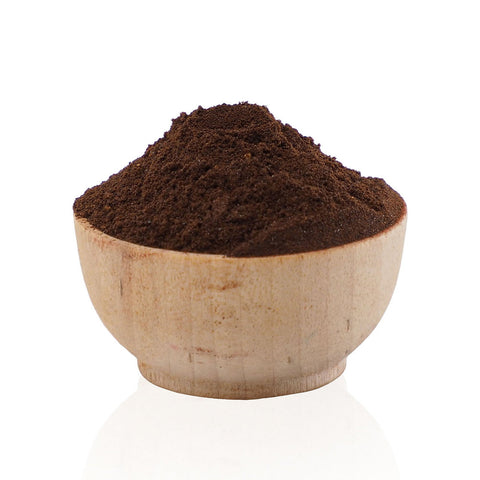
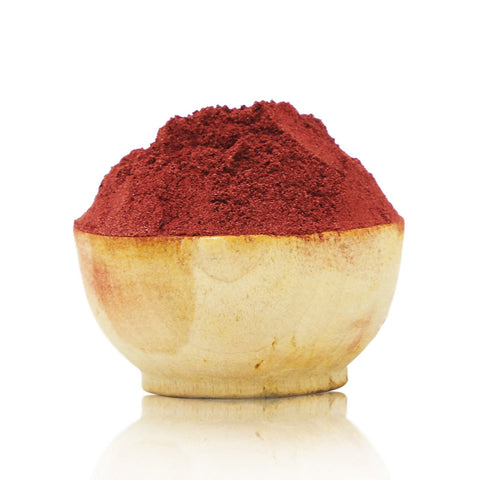
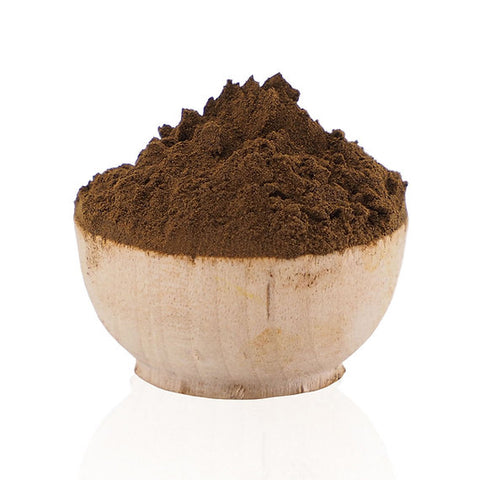
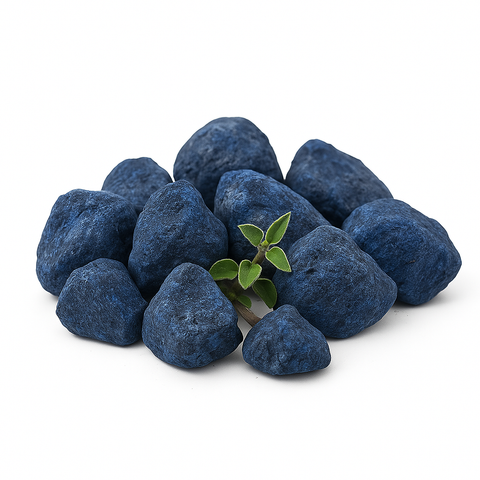
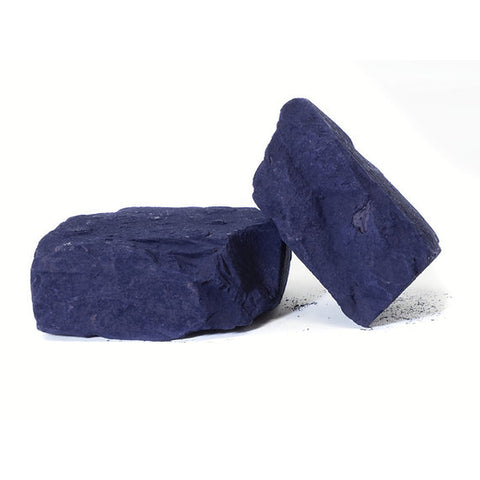
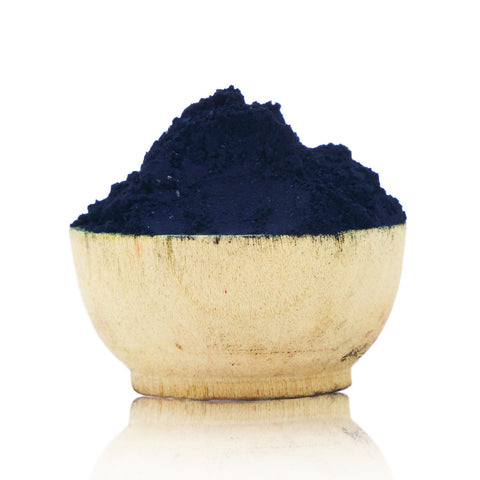
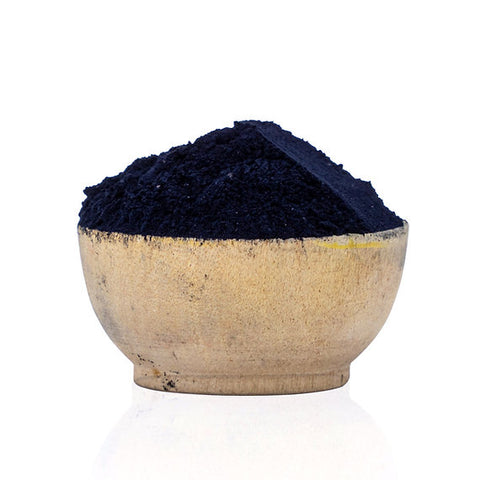
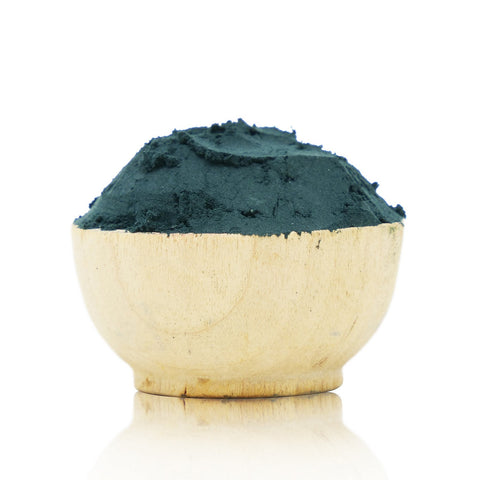
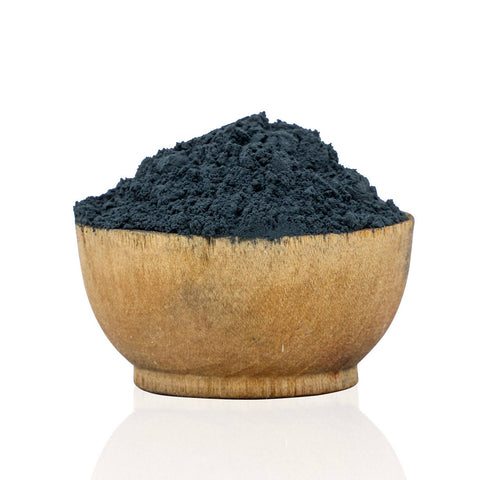
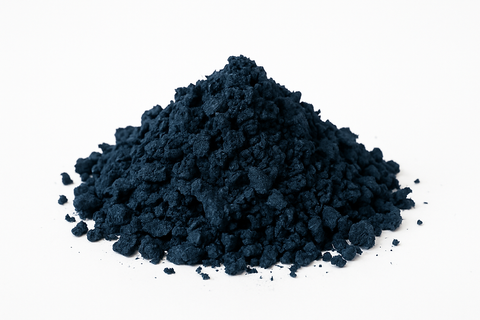
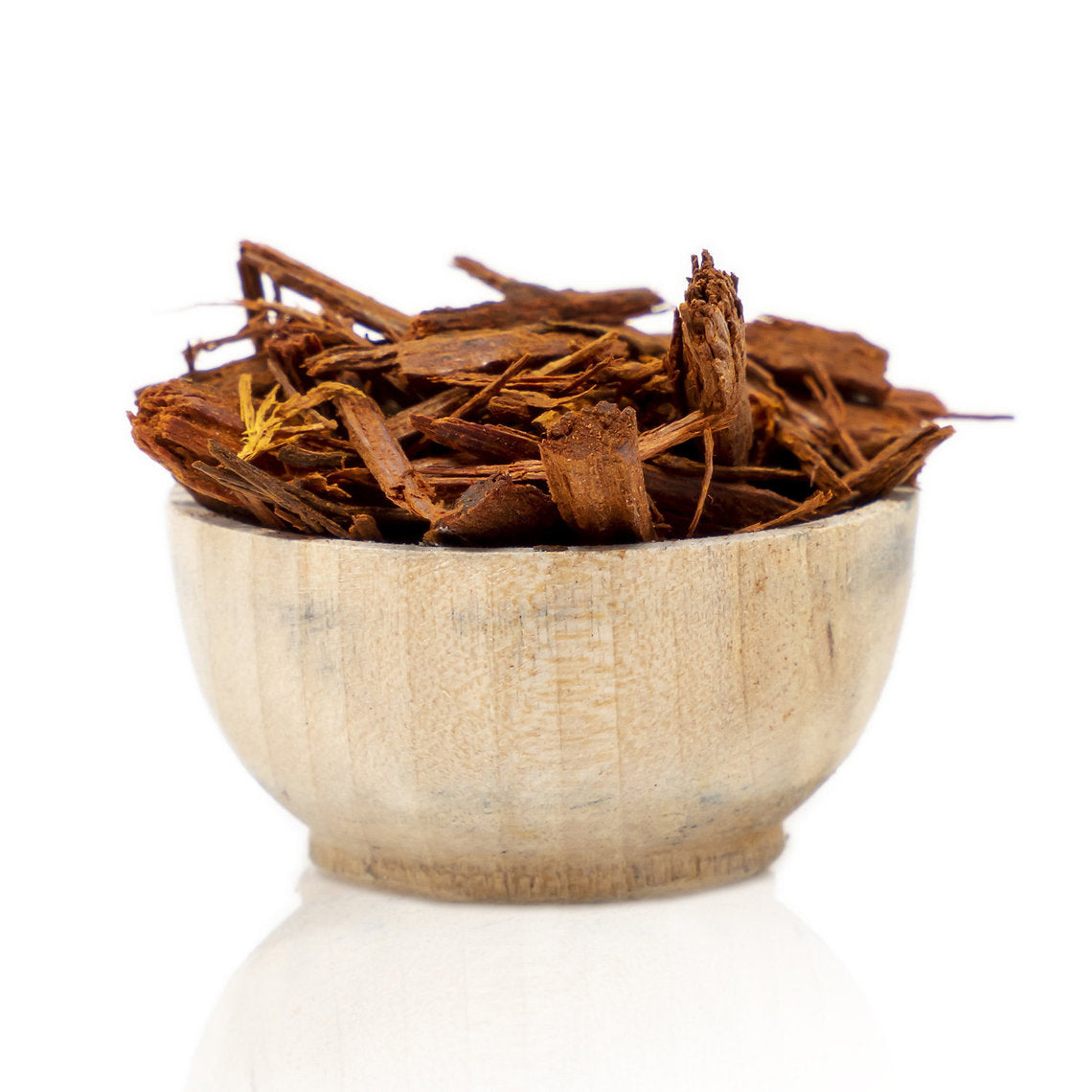
Logwood (Haematoxylon campechianum) is one of the most beloved natural dyes — fast to prepare, easy to use, and capable of producing a wide spectrum of colours. Traditionally known as “bloodwood” or “campeche,” this dye has been prized since Aztec times, where it was called Uitzquauitl or Huitzcuahuitl in Nahuatl.
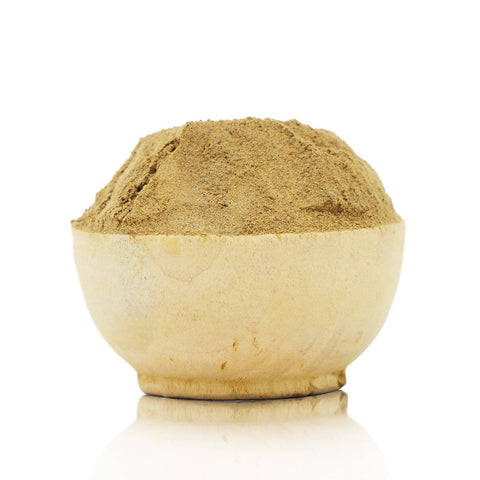
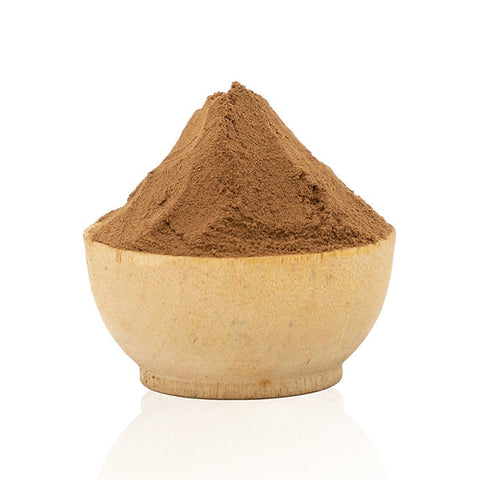
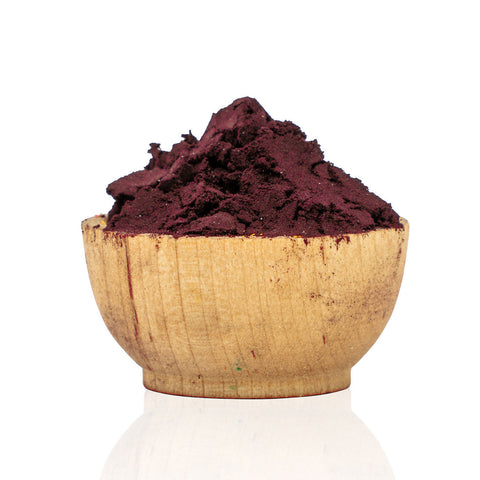
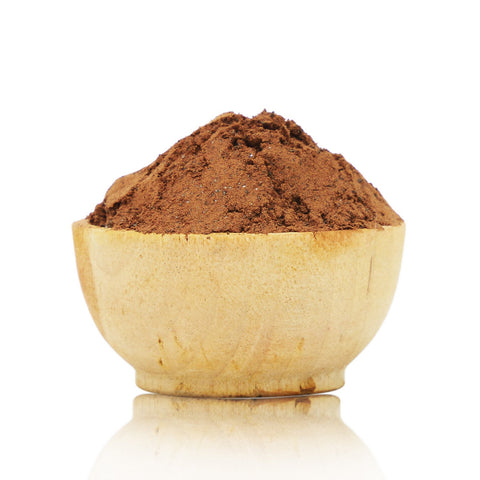
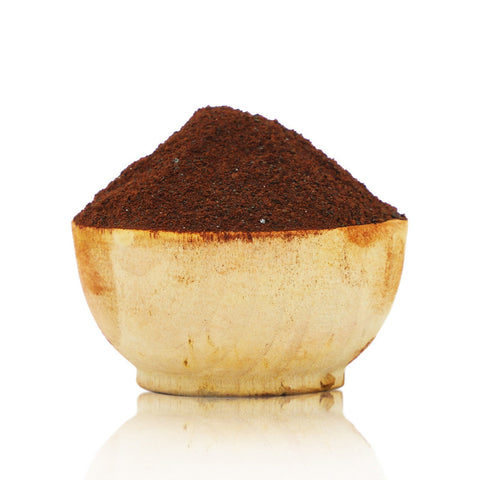
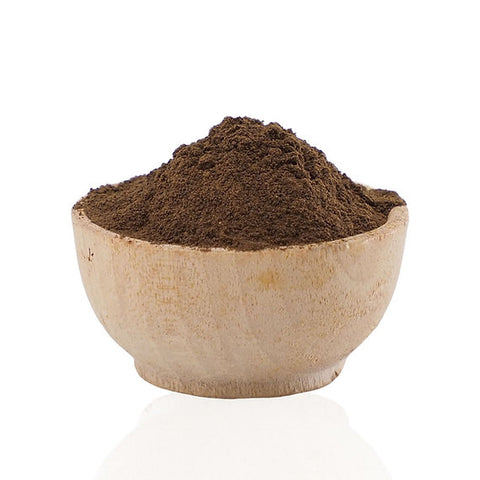
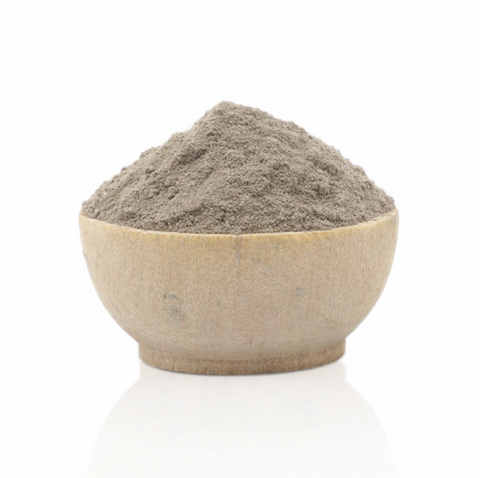
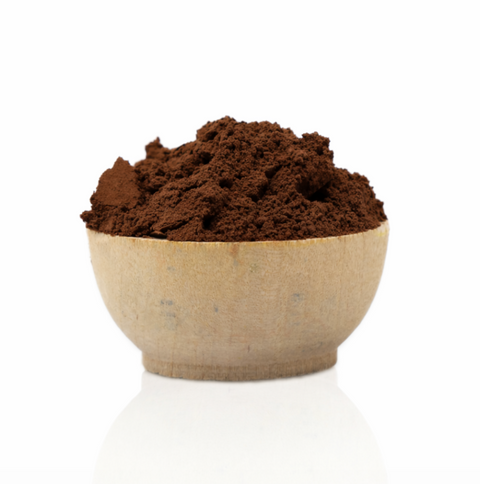
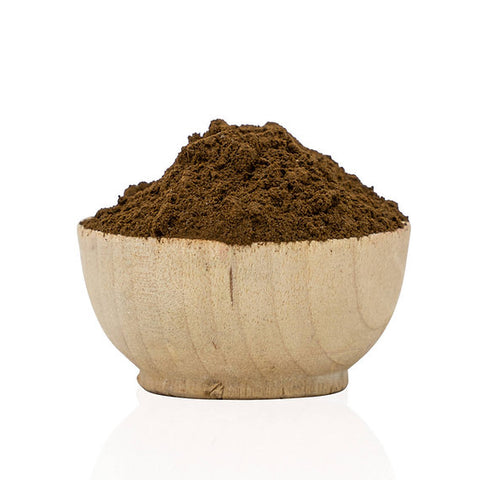
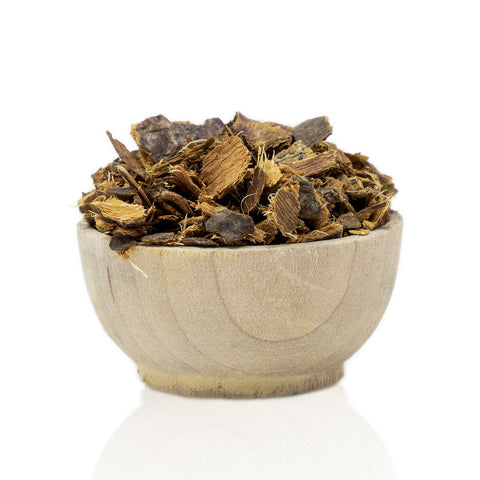
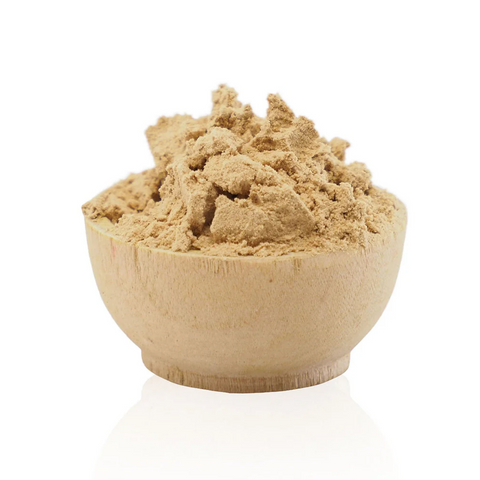
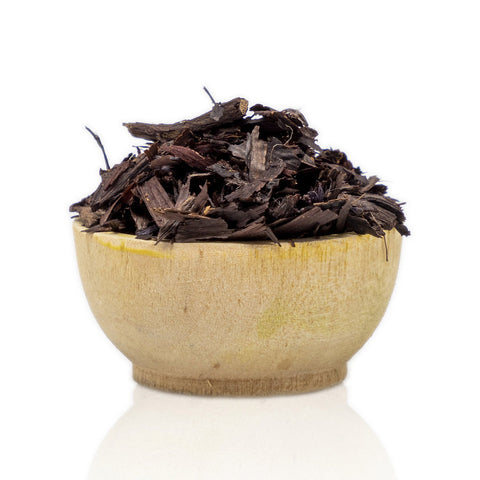
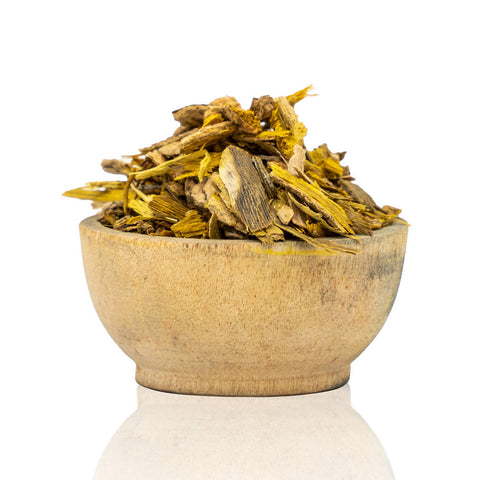
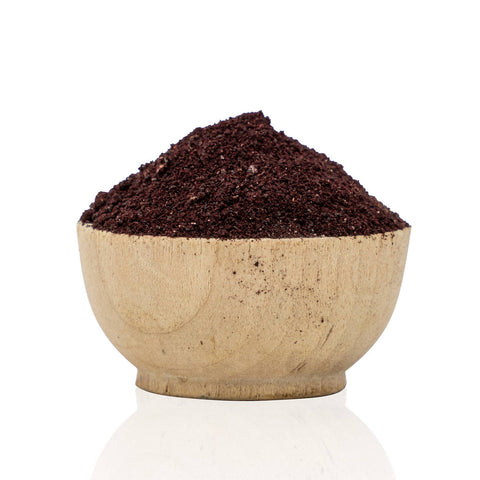
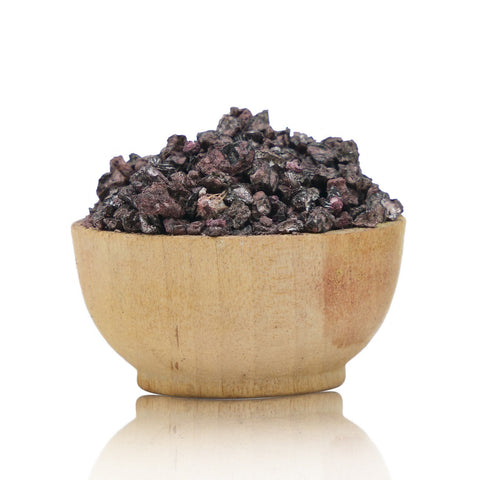
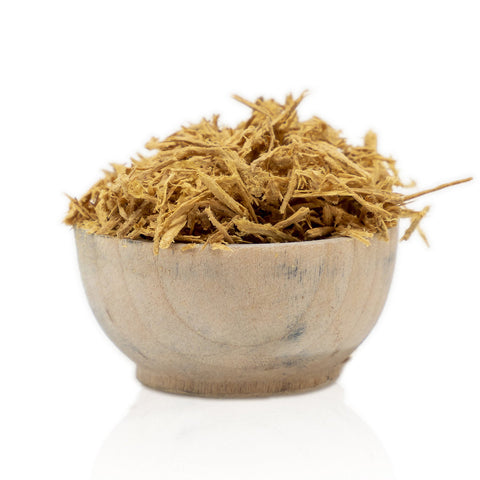
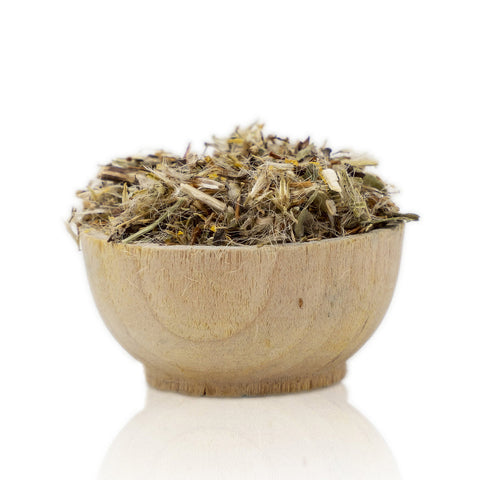
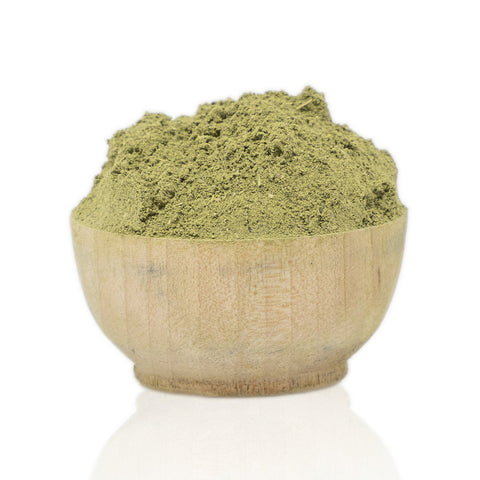
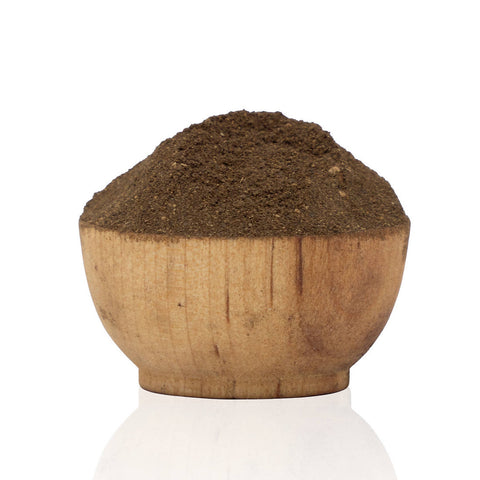
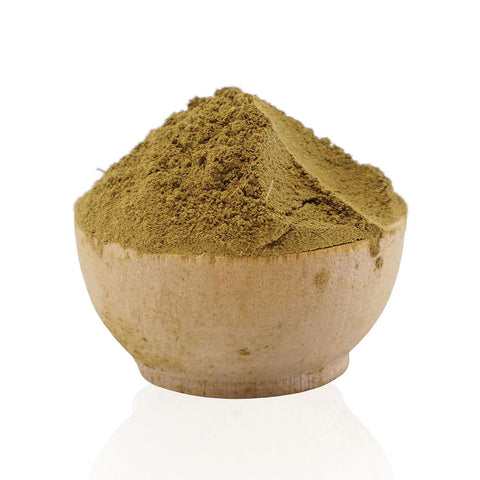
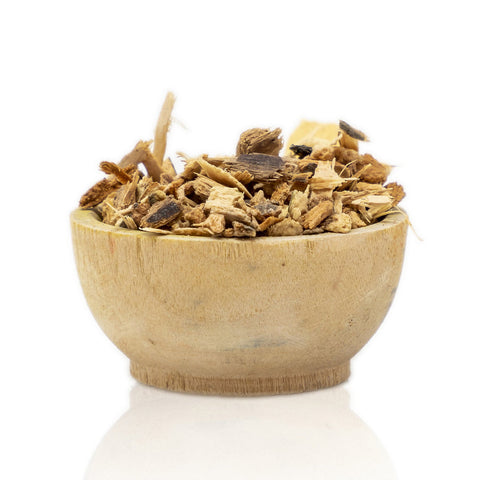
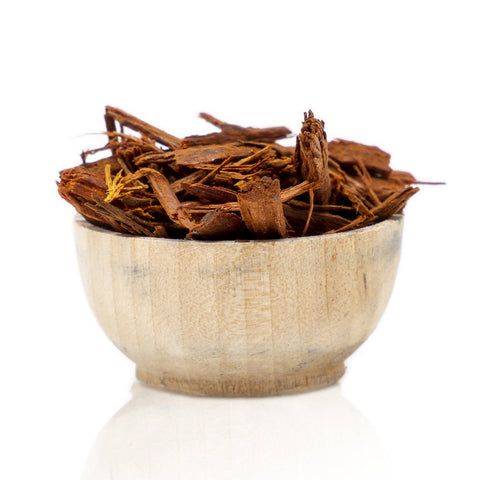
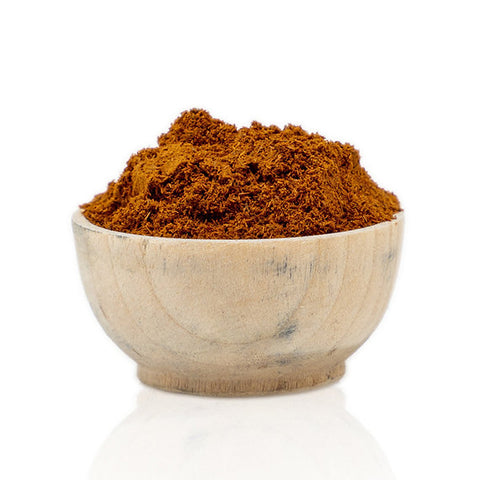
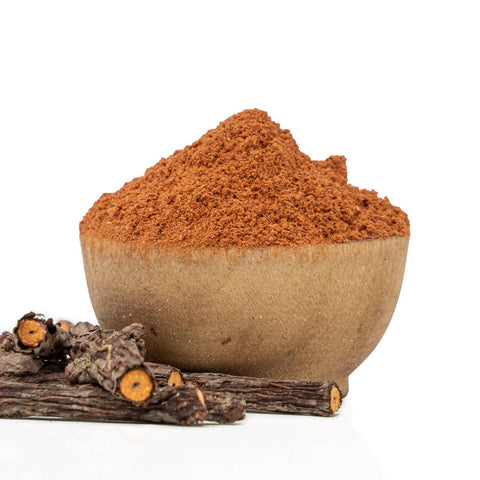
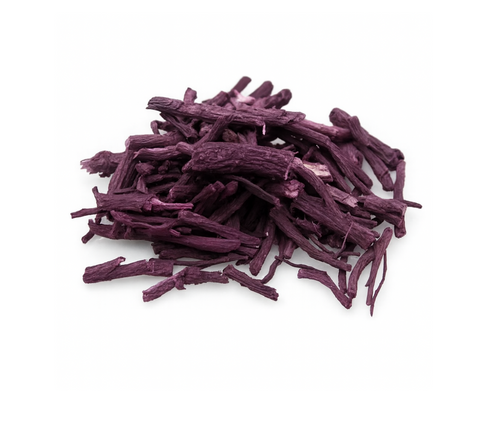
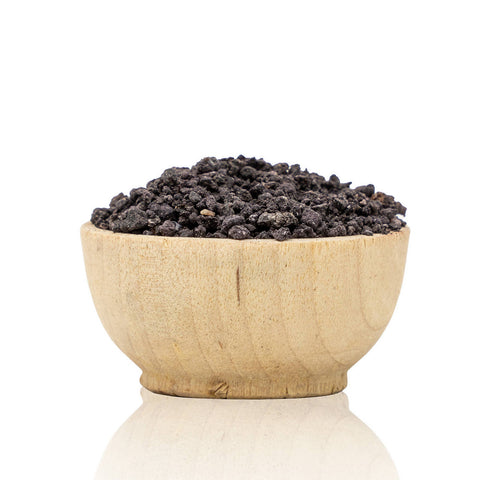
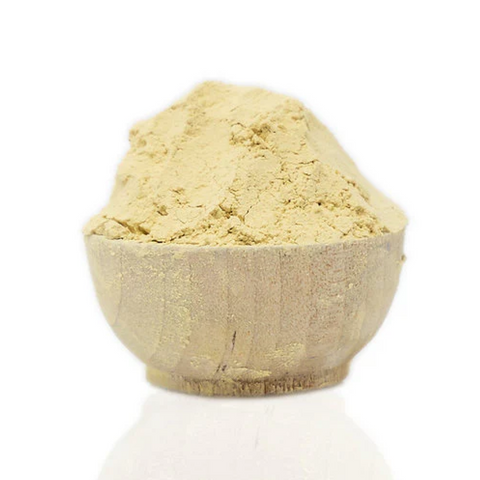
Our logwood is sustainably sourced from Mexico, where the tree is cultivated with care. Available as both chips and finely ground powder (the powder is especially convenient as it requires no straining), it offers versatility and reliability for dyers of all levels
After the Spanish conquest of the Yucatán, the port of Campeche became the hub of the logwood trade. In Europe, it quickly became indispensable for producing deep purples, blues, and blacks that were previously rare and costly.
Haematoxylum campechianum is a tree with a hard and heavy heartwood, so dense that it was shipped across the ocean in whole logs, giving it the name logwood. Chipping and breaking down the timber was brutal work, often done by enslaved people or convicted criminals forced into labour for European traders.
The logwood story is marked by exploitation and hardship, a reminder that every colour carries a history. Today, sustainably harvested logwood allows us to reconnect with its rich palette without repeating those exploitative pasts.
Active Dye Compounds Hematoxylin (oxidises to hematein, the main chromophore)
CI Number Natural Black 1 (CI 75290)
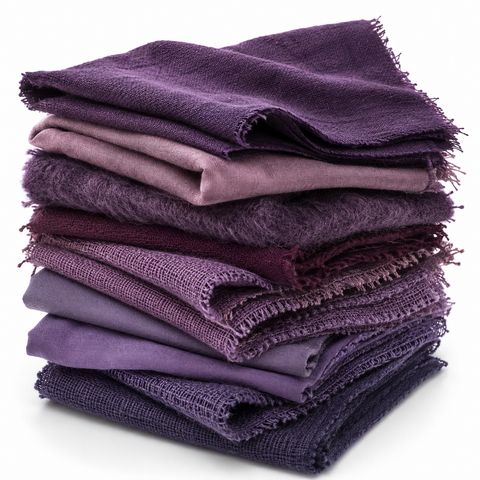
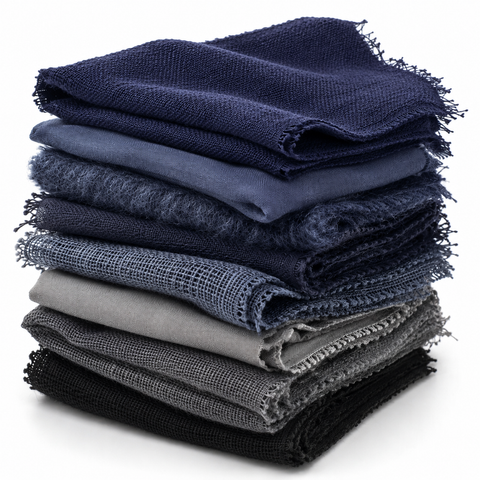
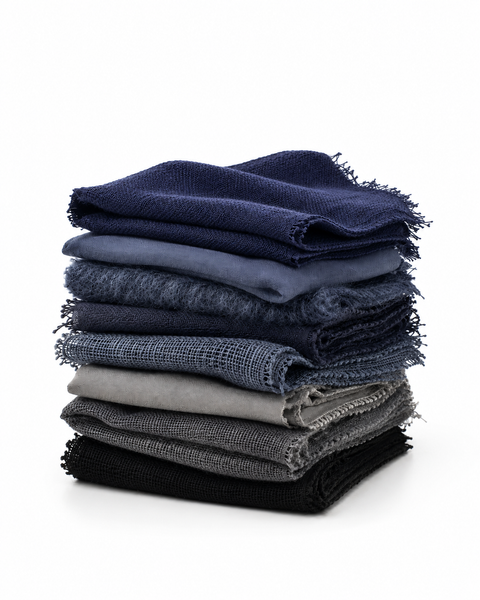
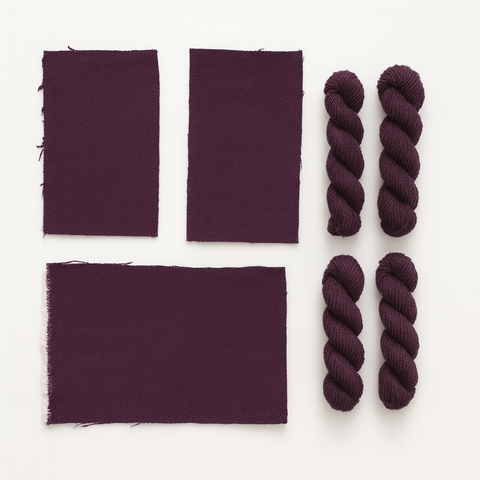
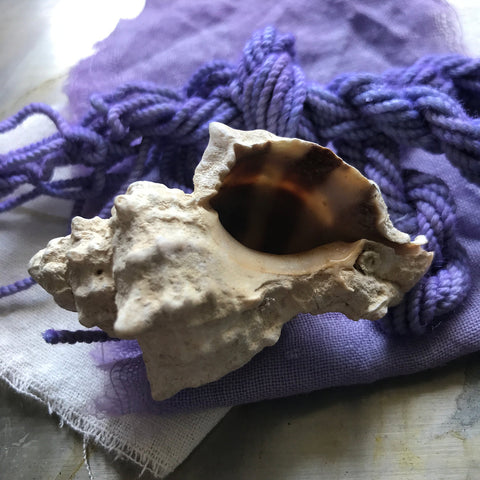
Logwood is a powerful natural dye for creating deep purples, violets, greys, blacks, and blue-toned shades depending on the mordant and modifier used. It is highly concentrated and the dye bath can often be reused several times before it is fully exhausted.
For medium to deep purple shades, use 20–30% WOF logwood chips. Soak or simmer the chips in clear water first to extract the color, then strain the dye liquid before adding your fibers.
Add pre-mordanted wool, silk, cotton, or linen to the strained dye bath and heat gently for 45–60 minutes at 60–80°C. Avoid boiling, as high heat can muddy the color and reduce the clarity of the purple.
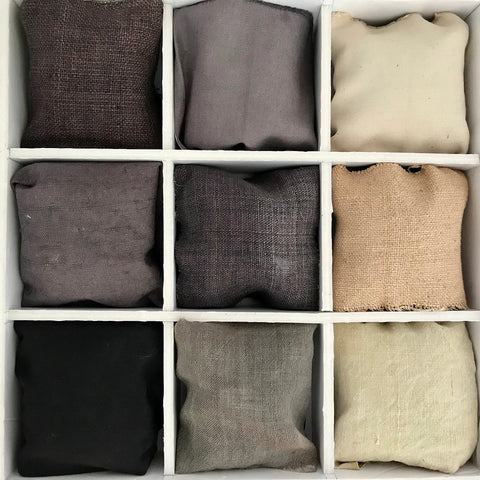
For the clearest purples, use an alum mordant. Logwood can also be modified after dyeing: iron will deepen the color toward charcoal, grey, or black; copper can shift it toward cooler purple-greys; and acidic additions may brighten or adjust the shade.
The dye bath can be reused for paler purples, lavenders, greys, and soft mauves until the color is fully exhausted.
WOF: 20–30% for medium to deep shades
Best method: Hot dyeing, without boiling
Temperature: 60–80°C
Dye time: 45–60 minutes
Mordant: Alum for purple; iron for greys and blacks
Preparation: Simmer chips separately and strain before dyeing
Exhaust bath: Reuse until no more color is released