


If you're wondering how to fix natural dye color after it fades or shifts, start by diagnosing whether the problem is a mordant issue, a pH imbalance, water chemistry, or an aftercare failure. You followed the recipe exactly. The color looked stunning in the pot, rich and deep and exactly what you envisioned. Three washes later, it's a ghost. This scenario is one of the most frustrating experiences in natural dyeing, and it's also one of the most preventable.
If you think you can fix a color with vinegar or salt, then you are still thinking about you RIT-adjacent acid dyes you once used for a tie-dye project, and now it is time to move to the natural dye section.
Most color-failure cases in plant-dyed textiles trace back to one of four causes: the wrong mordant (or none at all), a pH imbalance in the dye bath, problematic water chemistry, or careless aftercare. The good news is that each of these is diagnosable and, in most cases, correctable. Precise mordant ratios and pH notes built into a reliable recipe exist for exactly this reason. They're the difference between color that holds for a decade and color that disappears in a week. This guide walks you through diagnosing what went wrong, fixing it by cause, and building aftercare habits that protect your work long-term.

How to Fix Natural Dye Color: Diagnosing Fading, Wash-Out, and Color Shifts
Before reaching for a fix, identify exactly what failed. These three failure modes look similar but have completely different causes, and treating the wrong one wastes time and materials.
Fading over time: a lightfastness problem
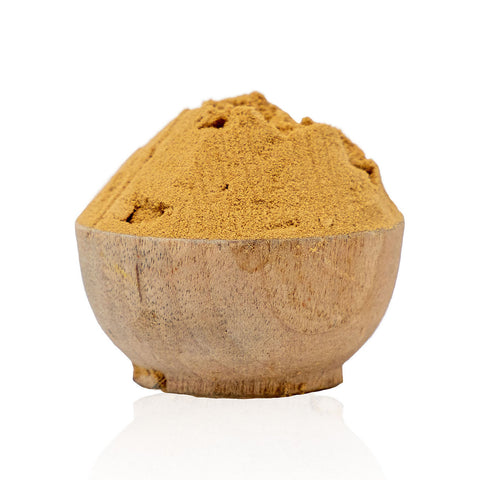
Some plant dyes are inherently fugitive under UV light, and turmeric and annatto would be the most well-known offenders. Fading that happens gradually in a drawer or closet usually points to a weak dye source or an absent mordant. Rapid fading in direct sun, on the other hand, often reflects the dye's inherent lightfastness rating regardless of how well you mordanted. To tell the difference, fold the textile and compare the sun-exposed side to the hidden side after a few weeks. A stark contrast confirms a UV lightfastness issue rather than a mordanting failure.
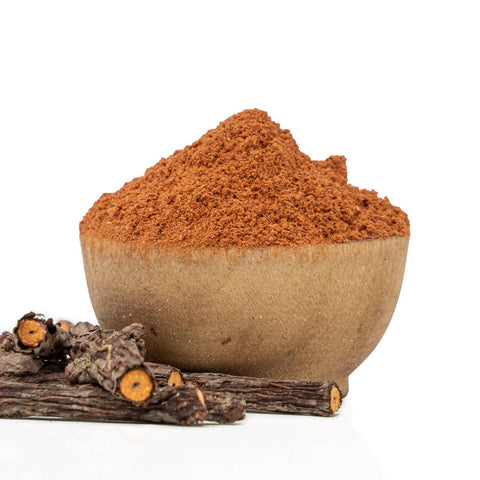
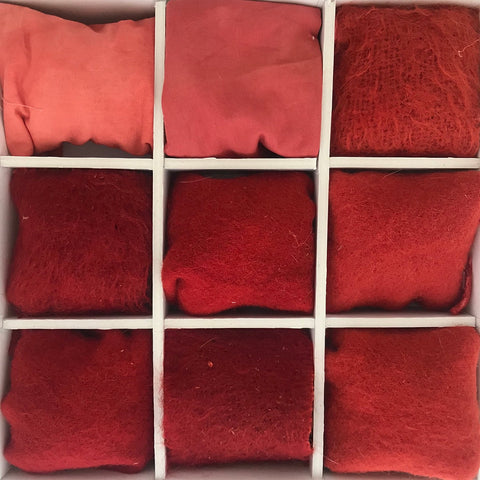
Dyes with excellent lightfastness on wool include madder, cochineal, weld, and indigo. Logwood sits in the moderate range but improves significantly with iron. Turmeric rates as poor across all fibers and is not recommended as a standalone dye for anything you expect to last.

Washing out: a washfastness problem
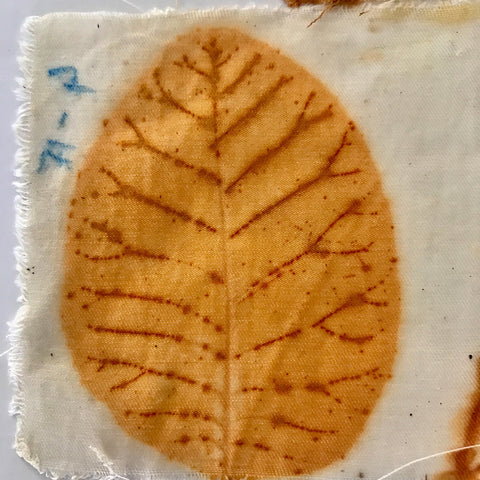
Color loss in the wash almost always traces to skipped or incorrect mordanting, or to a dye bath that was never fully exhausted before the fiber came out. It helps to distinguish between slight bleeding on the first wash (normal with some concentrated dyes like madder) and dramatic stripping across multiple washes. The first is cosmetic. The second is a mordanting failure that requires re-mordanting and re-dyeing to fix.
Color shift: pH, modifiers, or water reacting with the dye
If your color looks different from the expected result right out of the dye pot, the cause is almost certainly pH or water chemistry rather than mordanting. Some natural dyes are extremely sensitive to acidity and alkalinity. Cochineal, for example, moves from brilliant pink-red to deep fuchsia depending on whether your water runs acidic or alkaline. This distinction matters because the fix for a color shift is not re-mordanting. It's adjusting the chemistry of the bath itself.

Mordanting Mistakes and How to Fix Faded Plant-Dyed Color, Fiber by Fiber
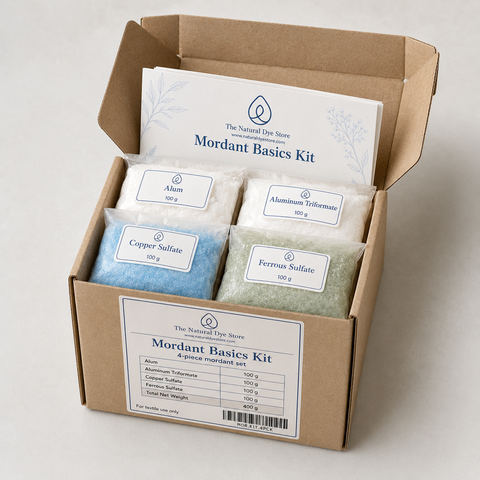
Mordanting is the single biggest variable in whether a natural dye holds. The wrong mordant type, wrong concentration, or a mismatched fiber pairing accounts for the majority of washfastness failures. The Natural Dye Store's fiber-specific recipe guides specify mordant percentages precisely so you're not guessing, and their curated mordant range makes sourcing the right one straightforward. If you want the technical background on cleaning and preparing animal fibers before mordanting, see E-book: Scouring and Mordanting Protein Fibers like a Pro – for step-by-step scouring and mordanting details.

Alum for protein fibers: wool and silk
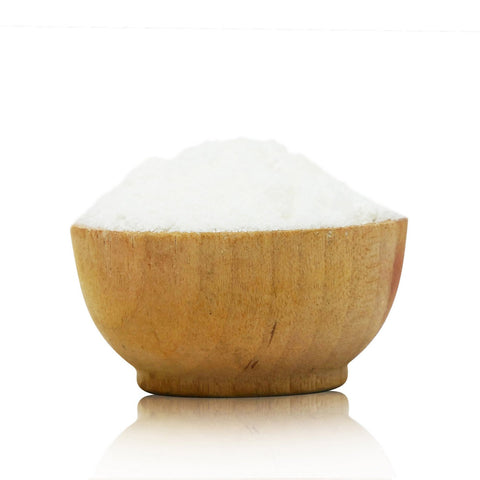
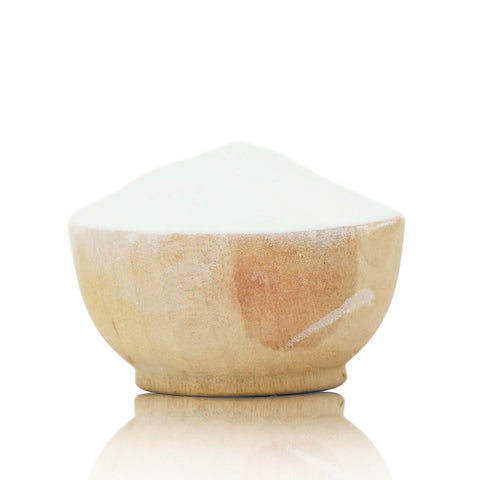
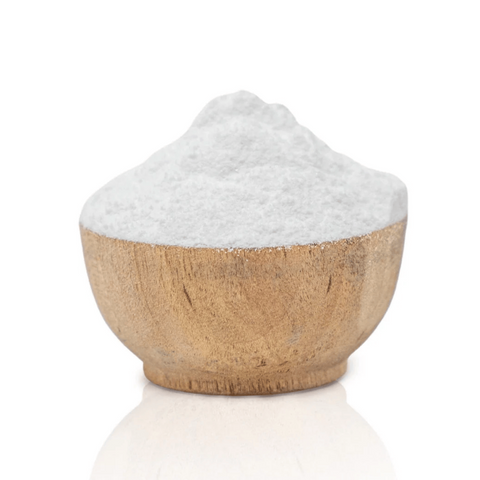
Potassium aluminum sulfate (alum) is the go-to mordant for animal fibers. For wool, use 10 to 15 percent weight of fiber (WOF). For pure silk, you can go up to 20 percent WOF; for silk/cotton blends, use aluminum acetate at 8 percent WOF instead, as alum alone doesn't bond as effectively to the cellulose component. Always soak mordanted fiber in warm water for at least two hours before the dye bath. Dry fiber entering a hot bath causes uneven uptake, which shows up as blotchiness that no amount of stirring will fix. For practical tips on working with silk specifically, see a concise guide to dyeing silk, and for sourcing information about stabilized cellulose mordants consider aluminum acetate.
Under-mordanting on wool produces dull, flat color that bleeds with every wash. If you suspect this is your problem, the easy fix is to re-mordant in a fresh alum bath at the correct concentration, dry the fiber in shade, and re-enter the dye bath.
Mordanting cellulose fibers: cotton and linen need two steps
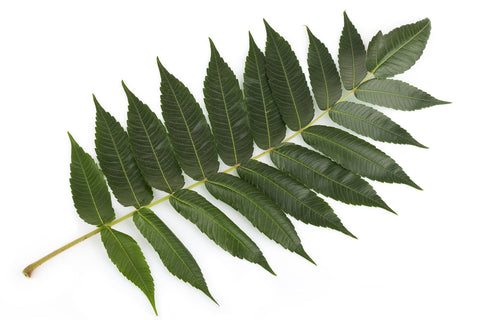
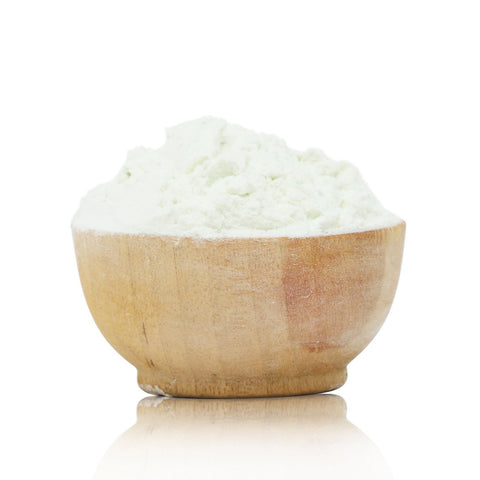
Plant fibers don't have the reactive amino groups that protein fibers do, which is why a single mordant step frequently fails on cotton and linen. The correct sequence is tannin first, then a metal mordant second. Use a tannin-rich source like sumac, oak gall, pomegranate rind, or tara pods at roughly 30 percent WOF for pomegranate (some dyers use 10 percent, but higher concentrations produce more reliable results). Soak the fiber in the tannin bath for at least one hour, gently wring out excess without rinsing, and transfer immediately to a prepared aluminum acetate bath at 5 to 8 percent WOF. Do not let the fiber dry between steps. Drying disrupts the weak tannin bonds before aluminum acetate has a chance to stabilize them.
Skipping the tannin step is the most common mistake dyers make on cotton. The remediation is a full re-mordanting sequence: fresh tannin bath, transfer directly to aluminum acetate, dry in shade, then re-enter the dye bath from the beginning.
Pre-mordanting vs. post-mordanting: two different strategies
Pre-mordanting (mordant applied before the dye bath) is standard practice for most dyes and gives the most predictable, repeatable results. Post-mordanting (mordant applied after dyeing) is a deliberate modifier technique, not a correction for a failed pre-mordant step. Iron used as a post-dye saddening bath, for example, deepens and shifts color intentionally. Understanding this distinction prevents a common confusion: if you're troubleshooting wash-out, post-mordanting is not what will prevent it. You need to go back to the beginning with a proper pre-mordant sequence.
pH and water quality: the invisible forces shifting your color
Two dyers can use the same dye, same mordant, same fiber, and get completely different results because their water comes from different sources. pH and mineral content are the variables most dyers overlook until something goes visibly wrong, and they're easier to control than most people assume.
How pH changes specific dye colors
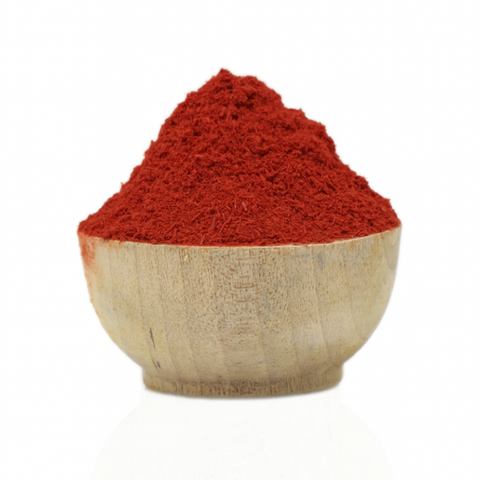
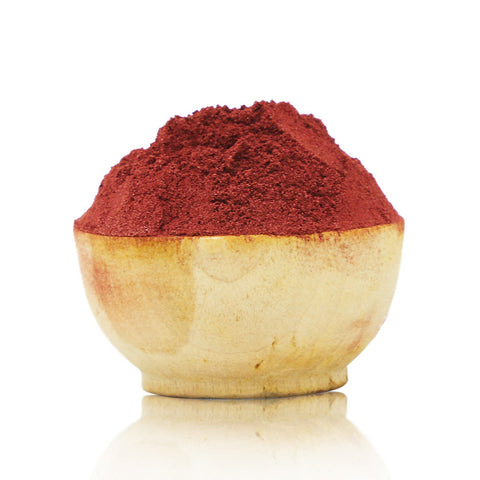
Cochineal is the clearest demonstration of pH sensitivity. Acidic conditions (citric acid or lemon juice at 1 to 2 teaspoons per liter) push it toward a bright pink-red. As the bath becomes more alkaline (for example with soda ash at 1 to 2 percent WOF), the color shifts through fuchsia and into purple.
Madder prefers a slightly acidic to neutral bath for a strong red. In soft water, a small addition of calcium carbonate (chalk) at 1 to 2 percent WOF can deepen and warm the red—not because madder wants alkalinity, but because it responds well to calcium.
Push the bath too far into the alkaline range, however, and the color will shift toward purple. This purple is not particularly stable and tends to fade or dull over time, making it a poor choice if you are aiming for lasting color.
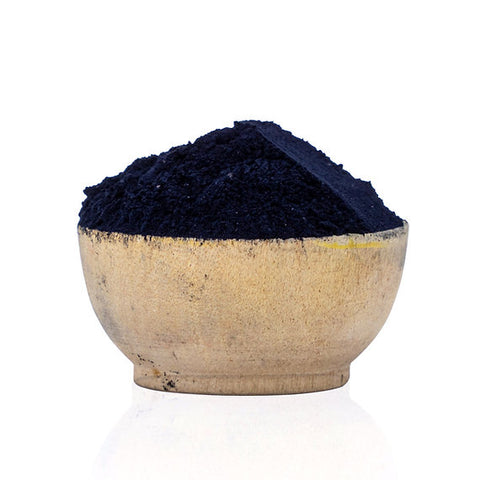
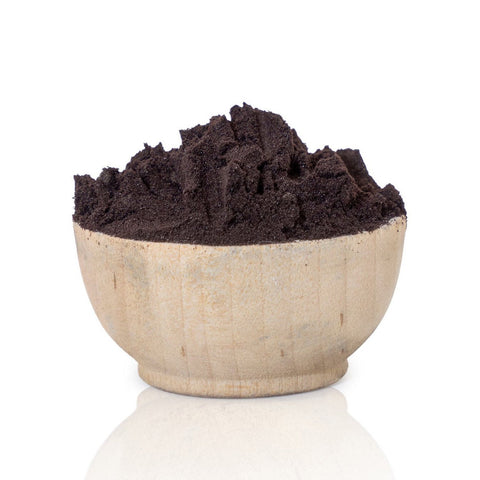
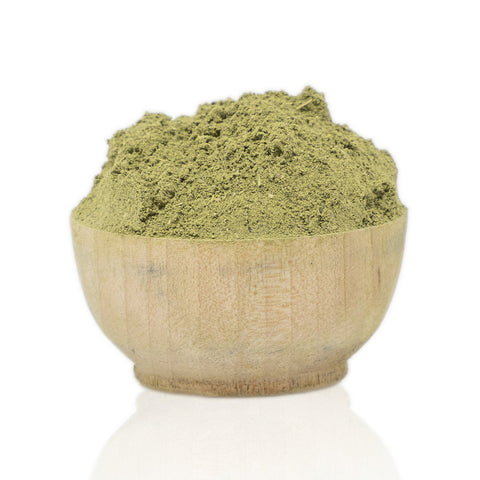
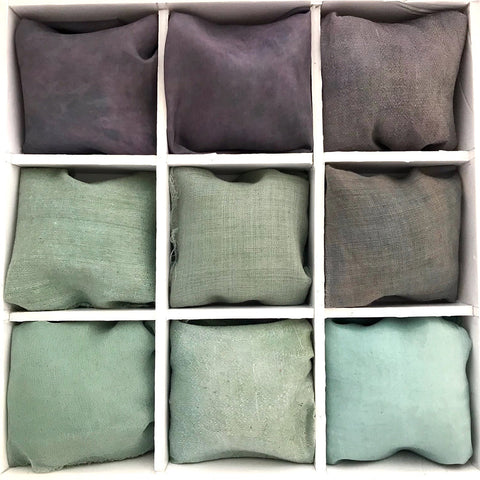
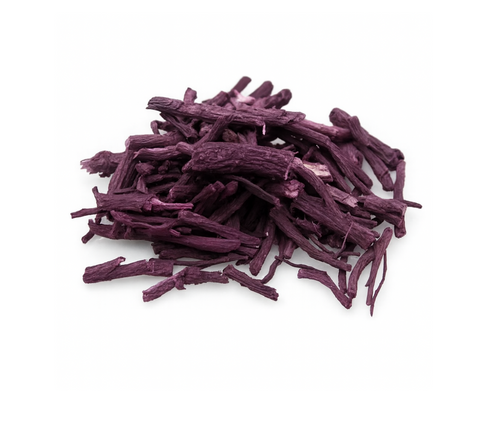
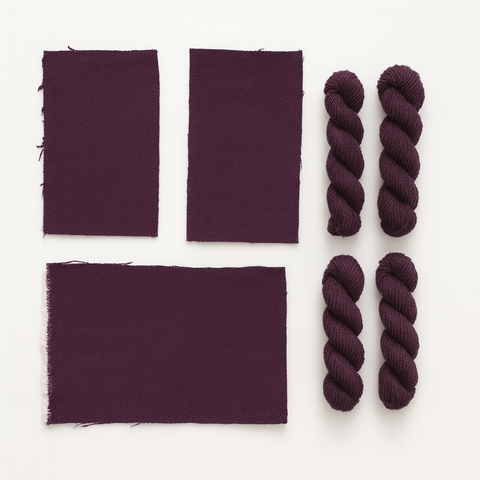
Logwood is even more reactive: in soft or slightly acidic conditions it can read brownish-gray, while a small addition of chalk pushes it quickly into purple.
Correcting for hard water, soft water, and iron contamination
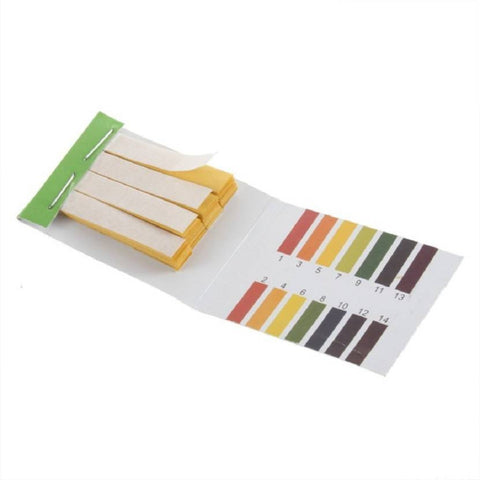
Hard water (high in calcium and magnesium) dulls cochineal and muddles overall results by depositing minerals onto fibers before the dye even has a chance to bond. Iron in water acts as an uninvited modifier. Ferrous iron oxidizes and shifts most colors toward gray, brown, or black, often making results look like an iron afterbath that you never chose to apply. Test your water with a basic hardness and iron strip kit before dyeing sensitive dye materials. For a simple at-home option, an iron water test kit will quickly tell you if ferrous iron is present and at what levels.
For hard water, add a small amount of citric acid or cream of tartar (even better!) to chelate excess minerals. If iron contamination is the issue, use pre-filtered water or collected rainwater for iron-sensitive dyes like cochineal. Soft water, on the other hand, needs chalk supplementation to help madder and logwood develop their full color depth.
Dye modifiers and afterbath treatments that lock in or correct color
Once the fiber comes out of the dye pot, you still have tools available to shift, deepen, or stabilize what you have. Modifiers and afterbaths are where experienced dyers make fine adjustments to land exactly on the result they were after.
Iron, vinegar, and tannin as post-dye modifiers
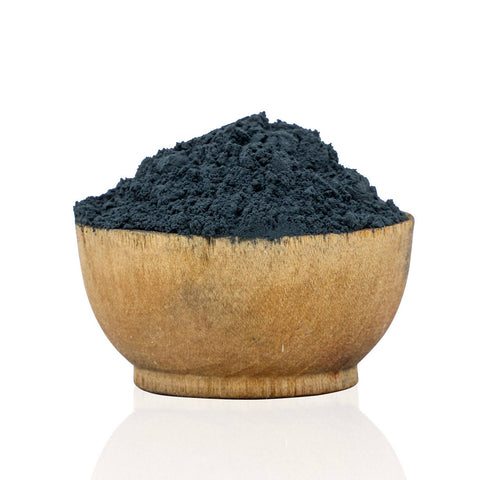
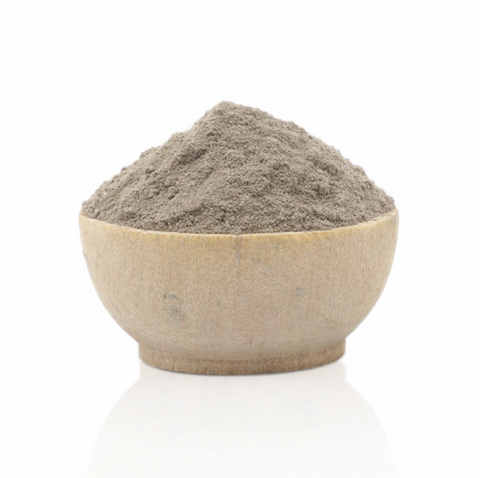
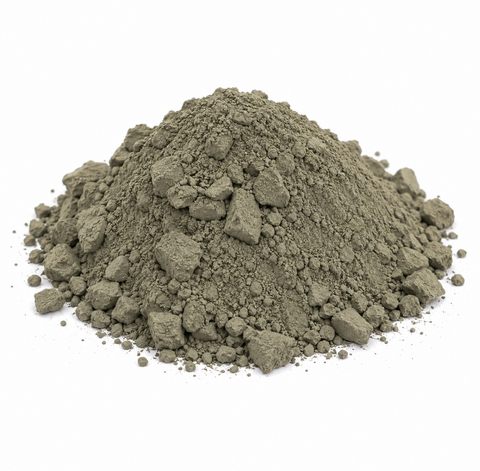
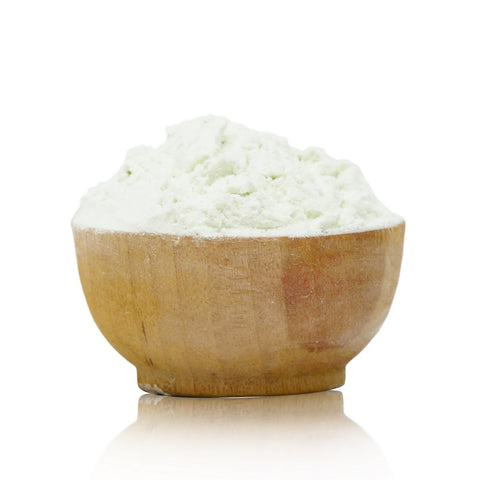
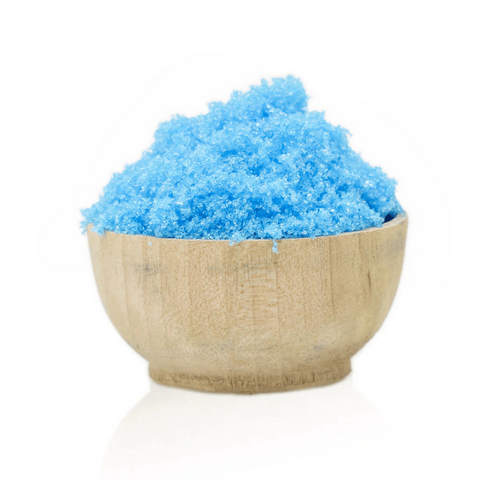
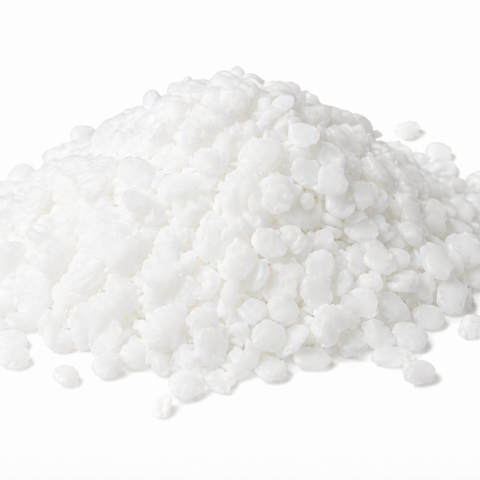
Iron (ferrous sulfate at 2 to 4 percent WOF, dissolved in a small amount of hot water) used as a post-dye saddening bath darkens and deepens most natural dye colors. It's particularly effective for pushing greens darker and adding depth to dull blues. Keep concentrations below 4 percent WOF on protein fibers. Iron degrades wool and silk over time when used in excess, so rinse thoroughly after the modifier bath. For practical guidance on preparing and using iron powder safely and effectively, see a how-to on how to use iron powder (ferrous sulfate). Cream of tartar at 6 percent WOF added to the mordant or dye bath improves color clarity on cochineal and brightens logwood noticeably. A final rinse with a small amount of vinegar or citric acid brightens pH-sensitive dyes and helps close the fiber after dyeing.
Step-by-step post-dye afterbath protocol
The sequence you follow immediately after removing fiber from the dye pot matters more than most dyers realize. Follow these steps to give color the best chance of holding:
Rinse in lukewarm water (30 to 40°C) without soap to remove loose dye particles.
Gently wring or spin; avoid vigorous agitation.
Hang over a non-reactive rod (stainless steel or plastic) until dripping stops, then wrap loosely in a white cloth and store damp for 24 to 48 hours.
Allow to dry completely in shade.
Wait 1 to 2 weeks before the first full wash, allowing the dye to bond fully to the fiber.
The resting period is strongly recommended, not a step to skip. It is one of the most common reasons first washes strip more color than expected when omitted. Dye molecules continue forming bonds with mordanted fiber for days after the bath, and washing too soon interrupts that process.
Putting it all together
Most natural dye failures are fixable at the source (mordanting, pH, water chemistry) or recoverable with re-mordanting and careful afterbaths. The key is diagnosing the failure correctly before reaching for a solution. Fading, wash-out, and color shift each point to a different cause, and applying the wrong fix wastes both materials and time. Knowing how to fix natural dye color at the right stage will save you time, materials, and frustration across every project.
One habit that transforms inconsistent results into repeatable ones is documentation. Record your mordant type and percentage, water source, pH adjustments, dye lot, and aftercare steps for every batch. Small variables compound quickly across projects, and tracking them is how you stop troubleshooting the same problem twice.
For dyers who want to skip the trial-and-error phase on mordant ratios, E-book: Starter Guide To Natural Dyes – Natural Dye Store and the store's recipe pages are a practical shortcut. Whether you're troubleshooting an existing project or building better habits from the very first bath, it's a practical starting point worth bookmarking. You can also explore broader resources and curated guides at Blog Category Guides Resources – Natural Dye Store for additional recipes and step-by-step references.
2 comments
Merci pour la générosité de votre partage
Great information! Thank you for sharing. I really enjoyed our Mexican workshop. I hope you and your family are well.