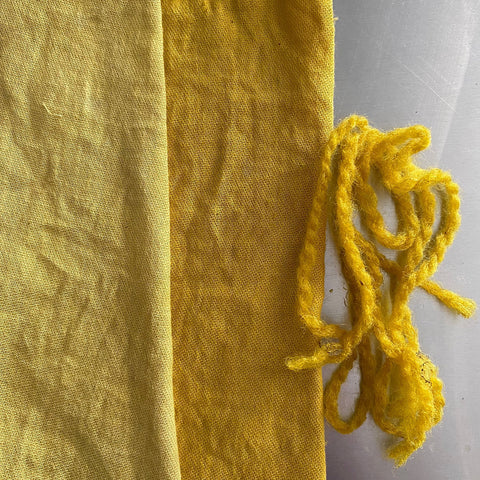
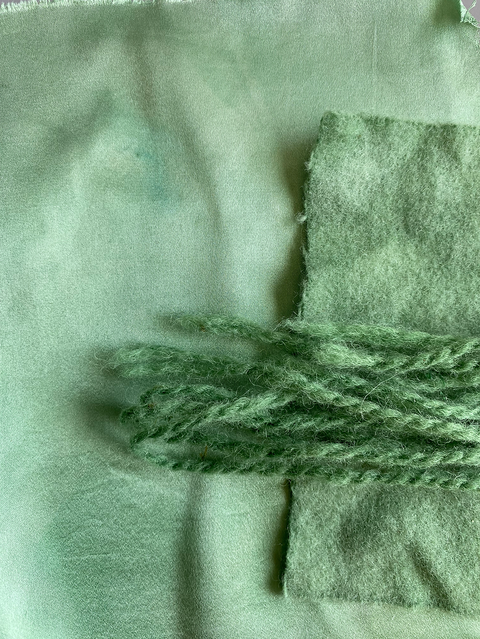
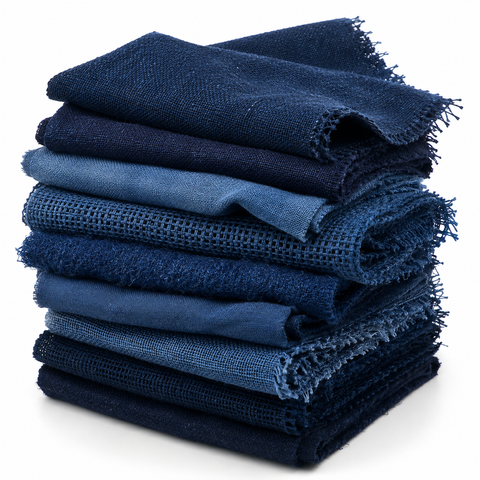
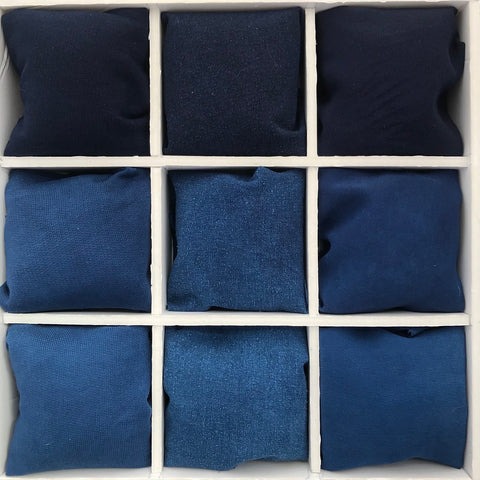
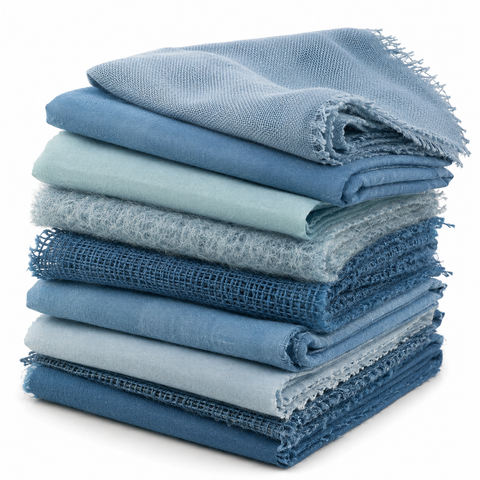
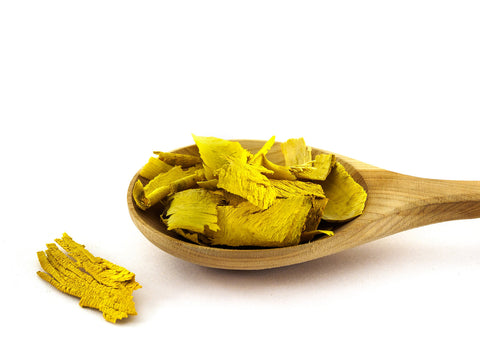
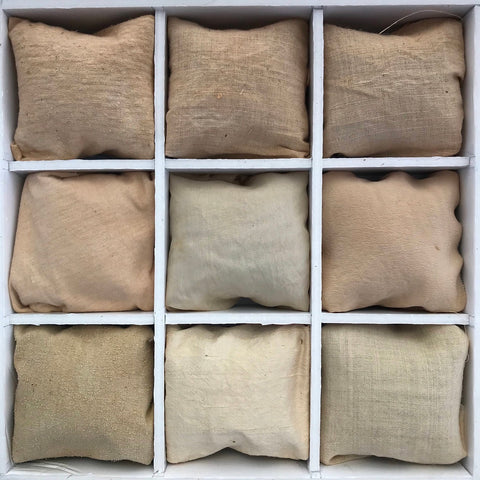
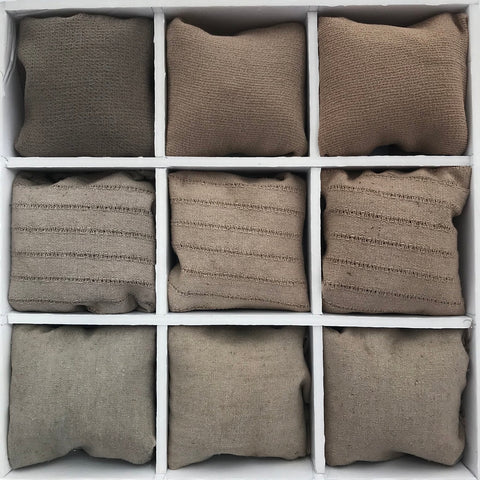
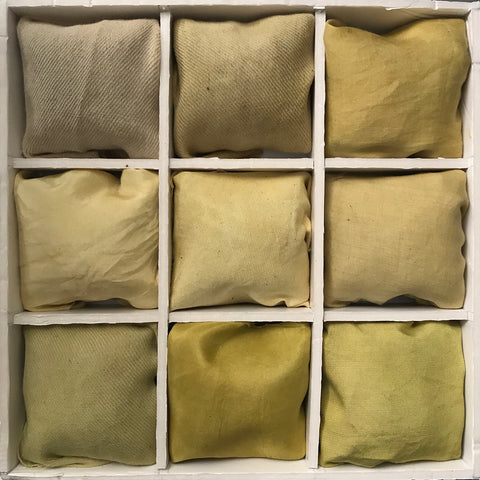
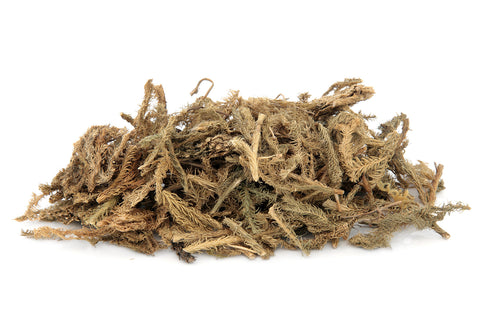
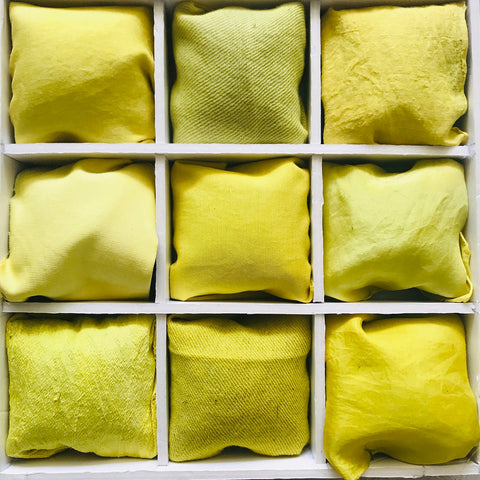
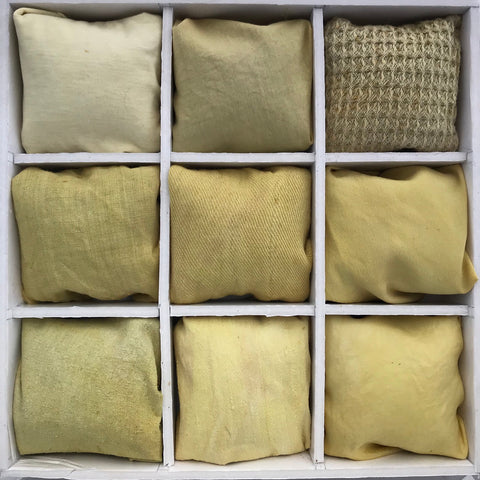
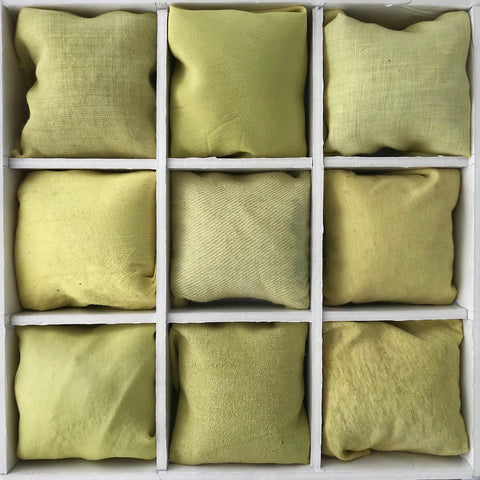
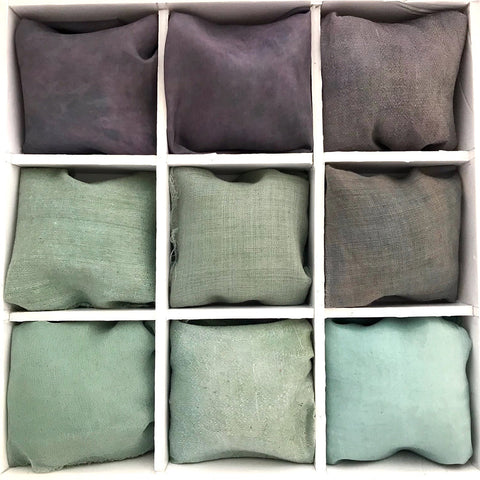
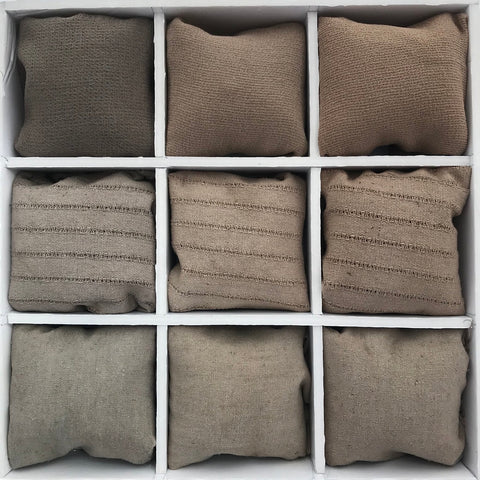
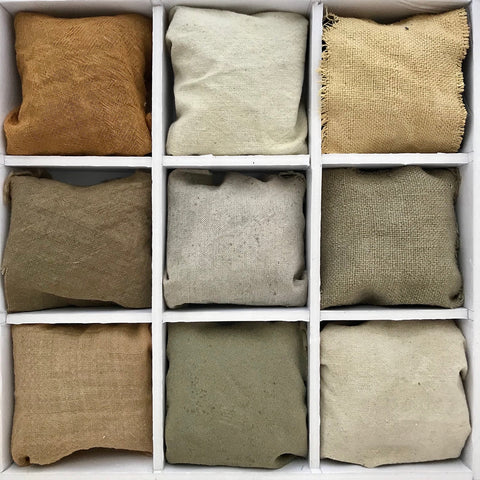
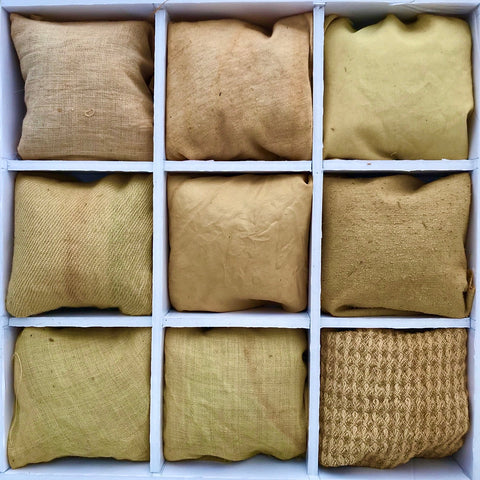
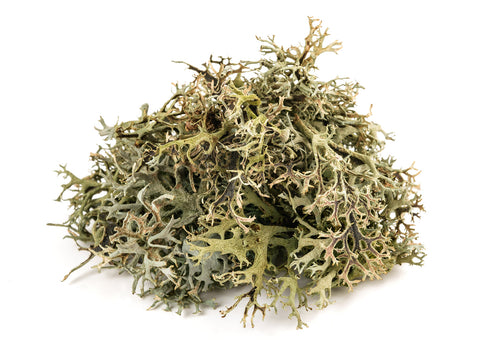
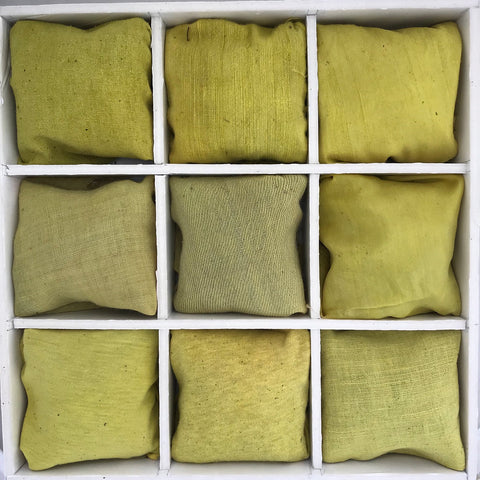
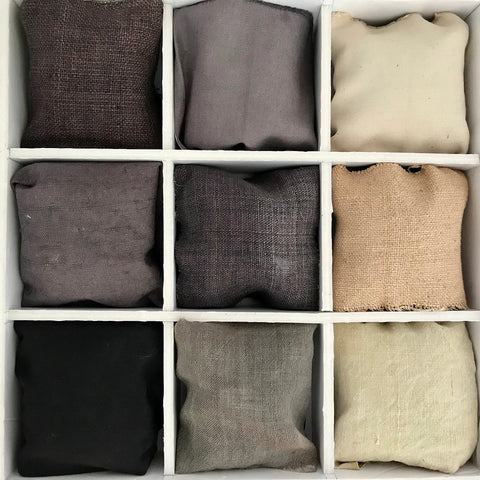
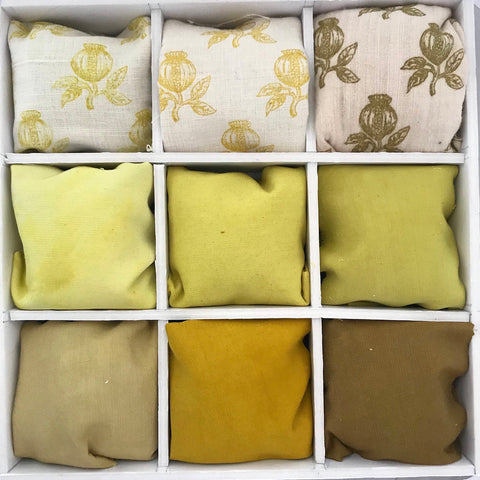
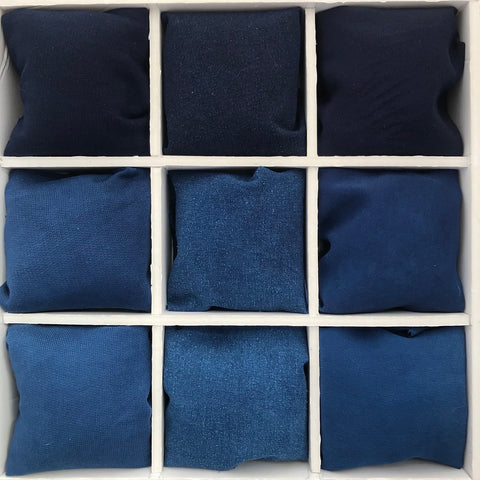
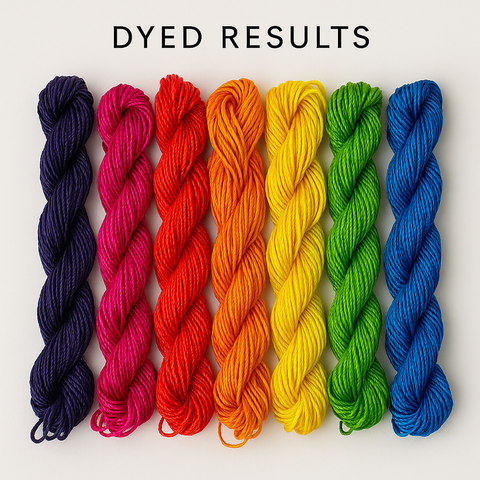
A practical experiment in making a fructose reduction vat with dried, ground Isatis tinctoria leaves. Instead of forcing raw woad into the classic 1-2-3 indigo vat formula, I look at its much lower indigotin content and explore how little lime and fructose we actually need to create beautiful, soft, grayish woad blues on silk, wool, and cotton.
Not sure if your fiber needs a mordant? Use this simple decision guide to learn when to mordant wool, silk, cotton, linen, and plant fibers before dyeing.
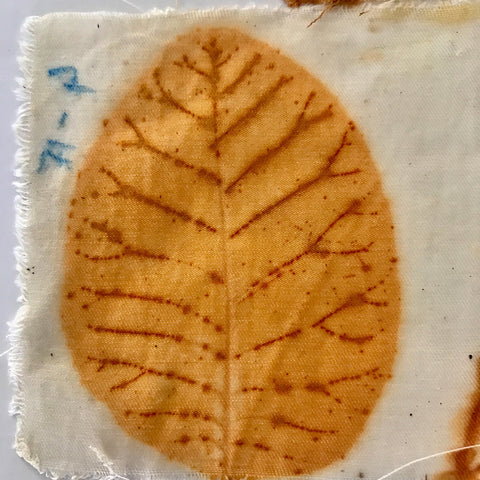
Mordants are one of the keys to successful eco printing, botanical printing, and bundle dyeing. They help plant color attach to fabric, improve washfastness, and can change the final color of your leaf prints.
GOTS vs. FDA What’s the Difference and Why It Matters GOTS stands for the Global Organic Textile Standard, the leading worldwide certification for organic fibers. It regulates the entire textile supply chain from field to finished fabric and it focuses on environmental impact, worker safety, and chemical safety. Only substances on its Positive List may [...]
If you’re wondering how to fix natural dye color after it fades or shifts, start by diagnosing whether the problem is a mordant issue, a pH imbalance, water chemistry, or an aftercare failure. You followed the recipe exactly. The color looked stunning in the pot, rich and deep and exactly what you envisioned. Three washes [...]
can natural dyes fight germs? what the research really says (and why we don’t slap it on product pages) Look, I use natural dyes because they are the most beautiful to me, but here is another to give it a try: A growing body of lab research shows that several traditional colorants can also reduce [...]
Sometimes those folding tables just sit (well, stand) too low for comfort, when you are dyeing, ecoprinting, or when you are setting up a market stall. Within minutes of working on a regular hight table, I develop nasty lower back pain that is very hard to get rid of. So I bought bed risers, but [...]
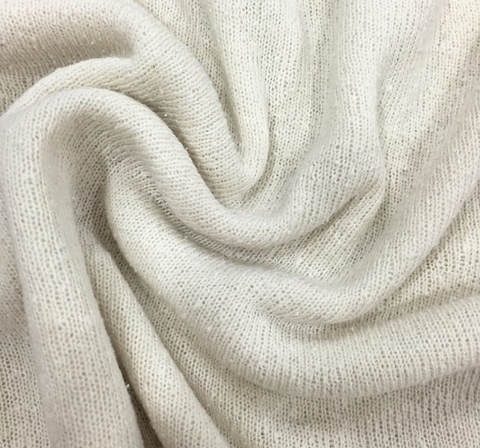
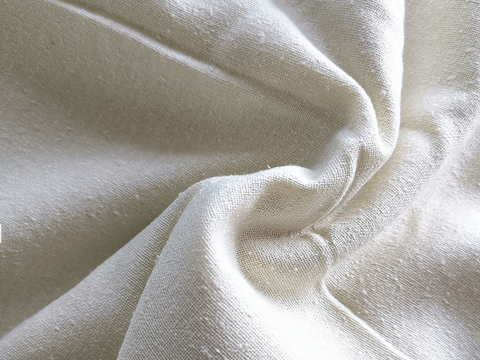
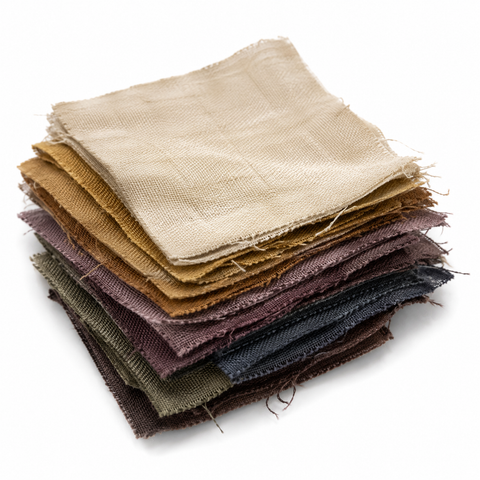
There comes a time in every dyer’s life when you’re staring at a piece of fabric, wondering: What in the world is this made of? Maybe you found it in a dusty corner of your stash, or someone lovingly gifted you “a natural fabric” with no label. (Spoiler alert: “natural” is often wishful thinking.) Before [...]
I have never been a great fan of organic vats, mainly because I do not really ‘get’ them and I have had some major fails (think 30-liter henna vat rotting on a balcony. That stinks). I understand this is a ‘me’ problem. I am also not around the studio for up to a month, several [...]
In my previous blog, I shared tips for more sustainable washing practices to care for your naturally dyed clothes. In this blog, let’s look into three clean alternatives that are non-toxic and 100% biodegradable. Long before the advent of chemical detergents in bright plastic bottles and bags, the earth offered its gentle, abundant gifts for [...]
Natural dyes have surged in popularity, and for good reason. They provide vibrant colors, unique patterns, and a connection to age-old crafting traditions. However, once you’ve adorned your wardrobe or home with these beautiful, sustainably dyed textiles, you may wonder how to care for them properly. To make sure they last as long as possible, [...]
When I discovered aluminum triformate, it was exactly what I had been looking for: A cold process, no heating needed, and the possibility to reuse the mordant multiple times. Furthermore, the mordant leftovers can be easily disposed of and pose no particular issues for the environment. Alum (potassium aluminium sulfate) in itself as a mordant [...]
It is almost the end of the Gregorian year. What a year it has been (in many, very conflicting ways). I feel that before I can start setting goals for 2024, I should be looking back at 2023 with gratitude. I feel that after a good few years of working really (really) hard, I can [...]
Just now, I received an email that made me scream in horror: Hello this is a silly question but, I accidentally ate some of this Himalayan Rhubarb Extract thinking it was a spice is it non toxic? Dear people, beloved customers, please please store your dyes and mordants in the correct way. I am not [...]
“But why are you putting up a recipe here Suzanne? Is this not a site about natural dyes?” You are 100% correct. But it is also Rosh HaShannah, our Jewish New Year, and I am cooking up a storm. All the food revolves around ‘simanim’, tokens for the new year. For example: Apples and honey, [...]
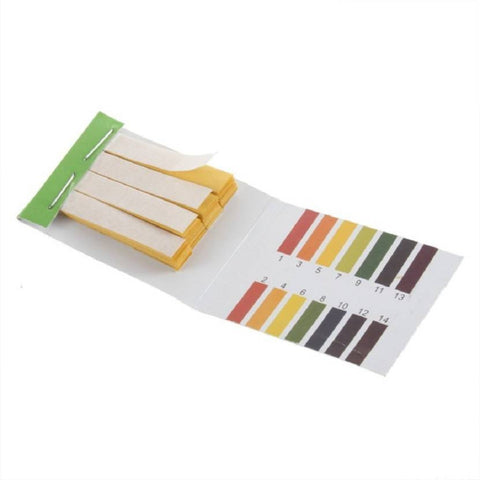
(And why do you need to know?) pH is something you will see a lot in descriptions of natural dyeing processes. In short: pH stands for potential hydrogen, and it tells us how much hydrogen there is in liquids, and how active the hydrogen ion is. That concentration of hydrogen ions is measured in moles [...]
(and what NOT to use) In this blog you will learn how to properly mordant cellulose fabrics, and how to use ingredients from your kitchen to dye them. The most eco-concious way to use kitchen materials is by collecting them and drying or freezing them until you are ready to use them. Use produce nets [...]
Natural colorants can be a great addition to handmade soaps as they add vibrancy and beauty to the product, and can also provide additional benefits for the skin. Here are some common natural colorants used in soapmaking: When using a natural colorful soap dispenser, it’s important to keep in mind that some natural ingredients may [...]
The alum family of triformate, acetate, and lactate are one-step mordants, you ‘could’ do that extra step of tanning, but you do not have to. That is a huge time and water saver! Another added bonus is you need fewer of these mordants. Between 5-10% WOF can be more than enough for a solid mordanting, [...]
When it comes to natural dyes, there are several options available for textile artists and home dyers. In our webshop, you can find raw dyestuffs, dye powders, and extracts, and very often we will have more than one version for a specific dye material. In this blog post, we’ll break down the differences between the [...]
Dried, store bought natural dyes. The biggest enemy of natural dyes are light and moisture. So best to store them in a dark, dry and cool place. Glass jars are excellent for keeping your dried dyes safe and moisture free. I use recycled mayonnaise jars but the best ones are the type of mason jars [...]
Try Symplocos for a 100% plant based dye process and stunning new shades. In the second half of the 19th century, botany was extremely popular. Thomas Hogg, Jr. introduced Japanese and Asian plants to the delightful arboreta of the time, some of which still exist today. Variants of Symplocos trees like Symplocos tinctoria, and Symplocos [...]
HEALTH HAZARDS Are mordants toxic? Let it be clear that mordants are not to be ingested and exposure to skin may cause irritation. The mordants in this list are, to my knowledge and extensive research, not a health hazard when used correctly. There are different sites and articles where you can check toxicity of materials, [...]
Previously loved fabrics that have been washed well multiple times usually do not require extra scouring. Raw wool fleece contains easily up to 60% of grease (lanolin), sweat residue (suint), pectins (grass residue), poop and other dirt. These must all be removed before spinning and weaving. Processed wool fabrics usually come PDF and do not [...]
If you have opened a book or any instruction about natural dyeing, you will have see the term WOF. So what does that mean and why do I need it? WOF is short for Weight Of Fibre and that is relating to the dry weight of the fibers or fabrics that you want to dye. [...]
It is getting chillier in the evenings and my Cotinus bush is showing signs of the autumn as its’ leaves are turning brown. If you love eco printing as much as I do, you will dread running out of leaves to use. If you have not done so yet, this is the last window of [...]
Nicole Cohen Yechezkel helped me put together these lovely bars of soap so you get a small preview of what you can do with natural dyes in soaps. She has a lovely website with holistic, handmade, natural skincare. You can be sure I will be posting about this more often! For grays: Sandal wood is [...]
Does my target piece need a mordant? Well that depends. If you are using tannin rich leaves, you do not really have to. If you are using anything else, mordanting with aluminium tri-formate or alum will be a great idea. See also this blog for tips on your first botanical print; https://naturaldyestore.com/blogs/blog/8-key-tips-for-your-first-eco-print If you are [...]
Flavonoids There are over 5000 naturally occurring flavonoids that have been characterized from various plants. They are classified according to their chemical structure, and are divided into subgroups, each subgroup has their little list of flavonoids. I have put together the ones you would be looking for (or should be avoiding) that have relevance to [...]
It is really confusing, when you are just getting started and you are reading up on the blogs: cotton, AA, Euc, Fe dip, Steamed for 90 min. What does that even mean? Knowing the lingo will make your experience so much more pleasant, I can not stress enough how important this is. I have collected [...]
Aluminium based mordants for every fiber. (disclaimer: there is now a new mordant called aluminium lactate, but the results for it are not on this page) Aluminium is the most used mineral salt for mordanting fibers. We know it as alum (potassium aluminium sulfate) for protein fibers and aluminium acetate is the version used for [...]
Sometimes an ecoprinted silk can be a bit too simple. If you did not work with any natural dye in the process it can happen that the result lacks a bit of depth that happens when we are working with for example a dye blanket or other ore intricate techniques. And sometimes we just do [...]
Making your own ink is not complicated and writing with a traditional quill is lots of fun. Time to polish up your calligraphy skills and write some letters. Historical inks have been made on different bases; Carbon. The earliest black inks were for the majority carbon based (soot), Pliny the Elder mentions in his books [...]
(Or your second) Eco printing has been the rage for the past few years. The term minted by eco print guru India Flint has evolved at the speed of light. With it, it renewed the interest in all things concerning natural dyeing. Surely the quest for eco-friendly, sustainable, and home-made goods has been a contribution [...]
(And nine ways to get it right) You are here because you looked at those beautiful Pinterest graphics using cabbage and black beans. You tried it with excitement, feeling all green and sustainable. After one wash your funky T-shirt looked like something that was left in the compost for a month. How? Why? The truth [...]
I have a lot of beeswax left from some experiments in Batik resist techniques on silk. I was really unsure what to do with it. Throwing away is a waste, I don’t think I will be doing a lot of Batik though and my space is super limited for the time being. My wonderful friend [...]
Pick your colour Feast your eyes on a rainbow of natural colours. I have started an overview here for dyes I use that are available on the website and are commonly used. Each dye has a world of colour, depending on so many variables; how much dye issued, how long is the dye in the [...]
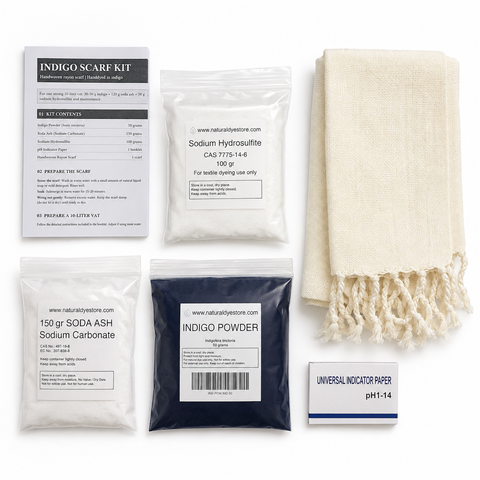
Making a hydros indigo vat can feel intimidating the first time, but it is much easier once you understand what to look for. In this beginner-friendly guide, you will learn how to make a small mother vat, recognize the signs of a healthy reduced indigo vat, test your color, and build beautiful blues in layers.
So we made these awesome solar dyeing scraps, and we have leftovers from eco print tests. Lots of people have been dyeing along in the BotanicalPrint group on Facebook, did you see the compilation of slow dye jars? But back to the final scraps. What do we do with them? Besides keeping a great deal [...]
For all natural dyes to stay permanent on fibres, we need to understand the curve between mordant (for adjective dyes), heat, length of time in the dye bath and the WOF (weight of fibre, the percentage of dye stuff in correlation to the weight of the fibres we want to dye). What does this mean? [...]
Assists and modifiers. You test Ph with Ph test strips or a digital Ph meter. Alkaline assists and modifiers; (in order of strength) Chalk is used as a color changer. If you have soft water with a low Ph, the addition of chalk to your dye bath will make your water harder. Chalk in the [...]
On the various eco-printing and natural dye fora there is a lot of confusion and mis-use of terminology going on when it comes to the processes of mordanting fabrics. Why do we need to mordant? Natural dyes are divided in substantive (direct) and adjective (indirect) dyes. When a dye is not substantive, it means it [...]
It all looks so simple, you take a few leaves, roll them up, boil them down, and presto; there is your eco-printed scarf. In reality, this work comes with a lot (a lot!) of extra gear that takes ups a lot of space. And it is ever-growing! I encourage each and every one to lead [...]
It all looks so simple, you take a few leaves, roll them up, boil them down, and presto; there is your eco-printed scarf. In reality, this work comes with a lot (a lot!) of extra gear that takes ups lot of space. And it is ever growing! I encourage each and everyone to lead a [...]

 Sold out
 Sold out
 Sold out
 Sold out
 Sold out
 Sold out
 Sale
Sale
 Sold out
 Sold out
 Sale
Sale
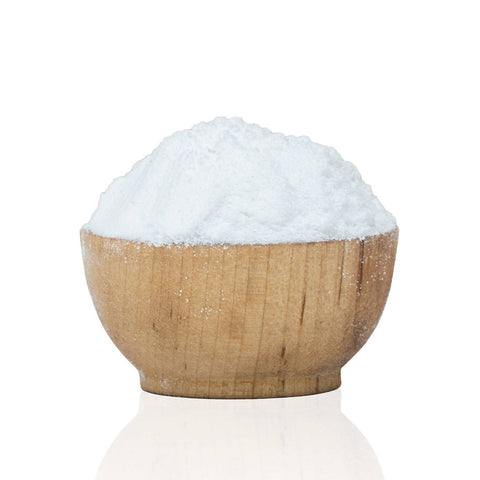
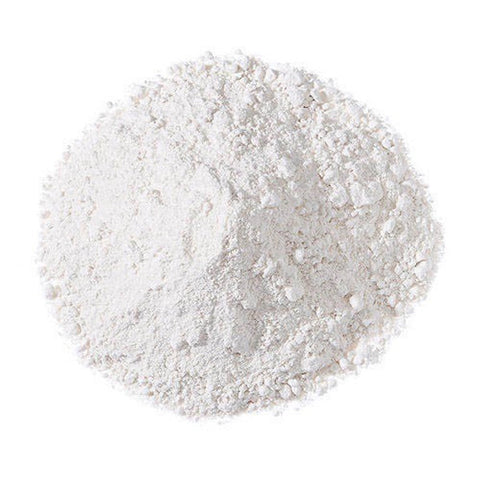 Sold out
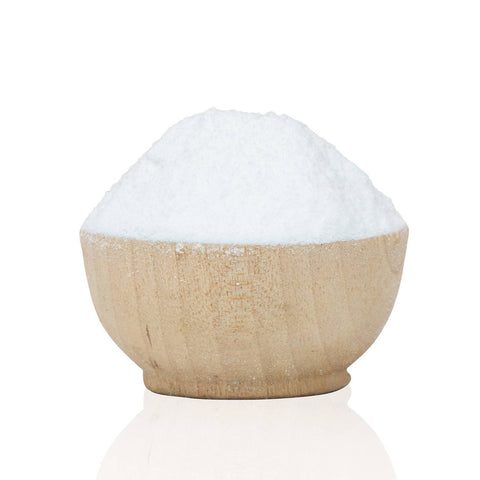
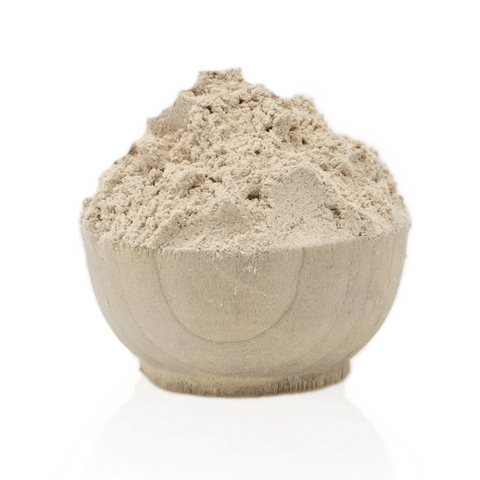 Sold out
 Sold out
 Sold out
 Sale
Sale
 Sold out
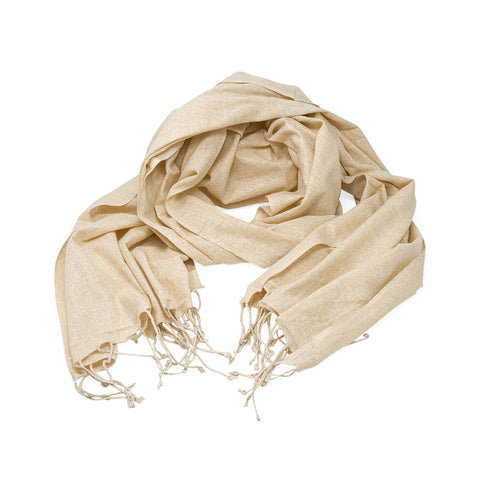 Sold out
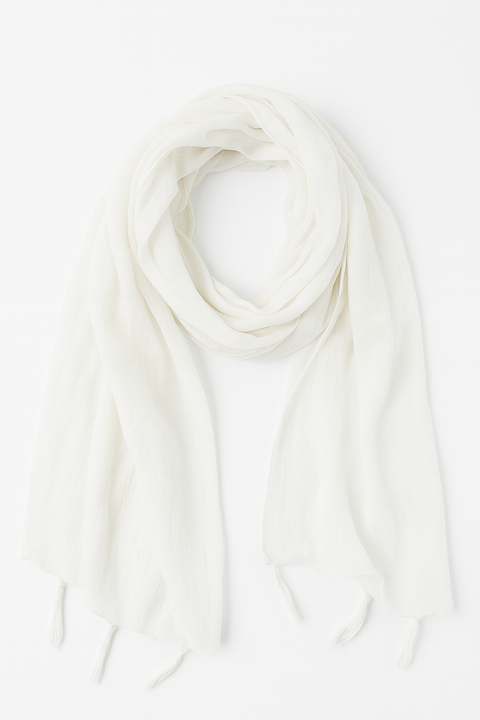
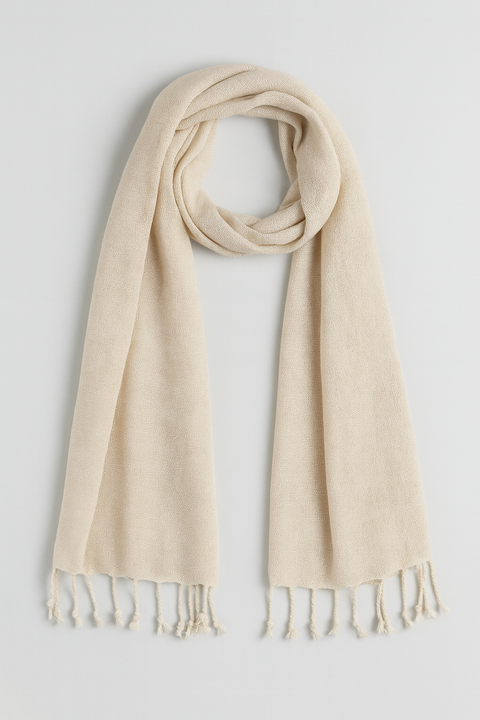
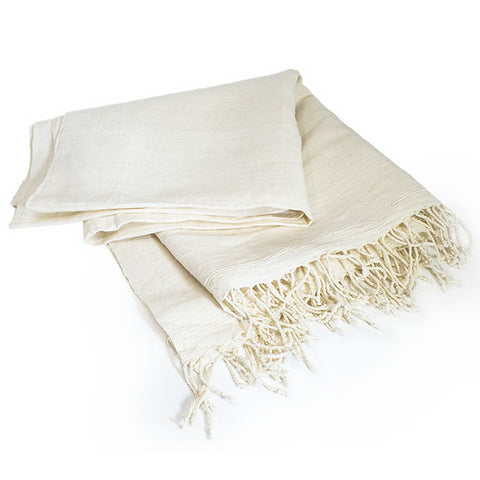
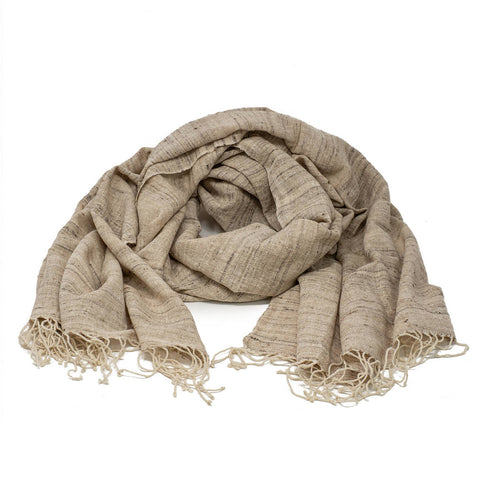
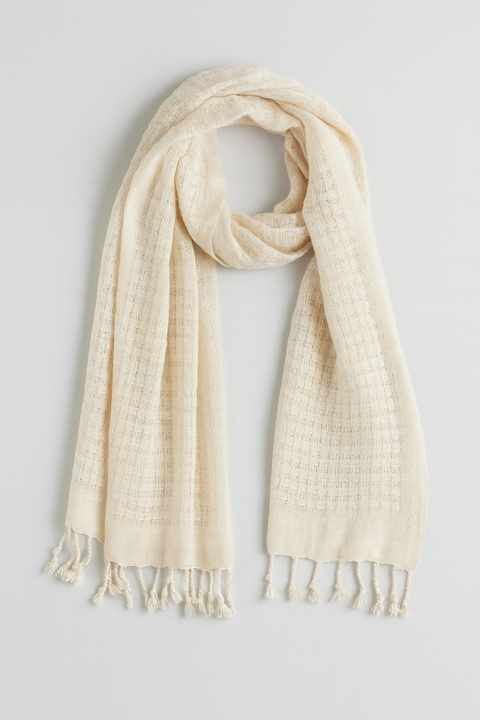
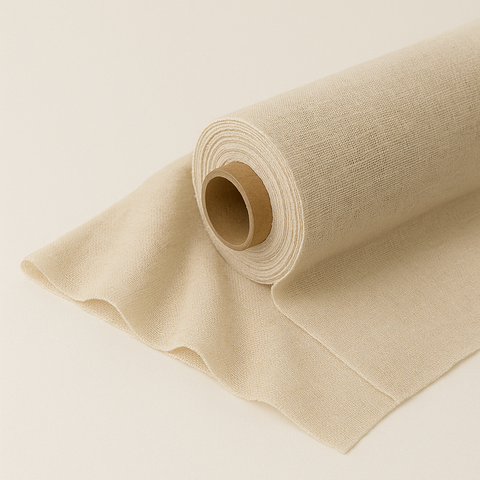 Sold out
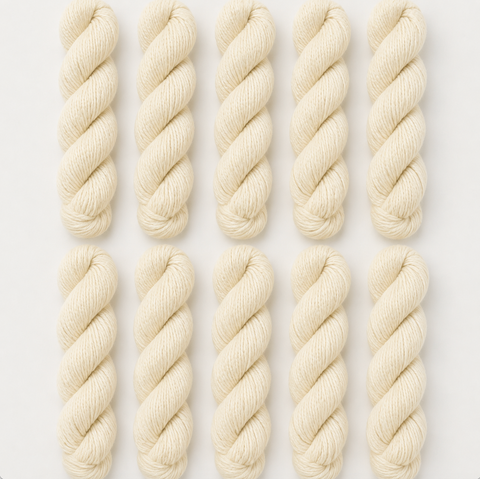
 Sold out
 Sale
Sale