Acacia Extract (Acacia Mearnsii) Organic
From$8.90
Start typing to search products
 Sold out
 Sold out
 Sold out
 Sold out
 Sold out
 Sold out
 Sold out
 Sold out
 Sale
Sale
 Sold out
 Sale
Sale
 Sold out
 Sold out


 Sold out






 Sold out
 Sale
Sale
 Sold out
 Sold out

 Sale
Sold out
Sold out
Sale
Sold out
Sold out
 Sold out
Sale
Sold out
Sold out
Sale
 Sold out
Sold out
Sold out

 Sale
Sale
 Sold out
Sold out
Sold out
Sold out
Sold out
 Sold out

Pickup available at eHouse Rishon
Usually ready in 24 hours
Reliable shipping
Flexible returns
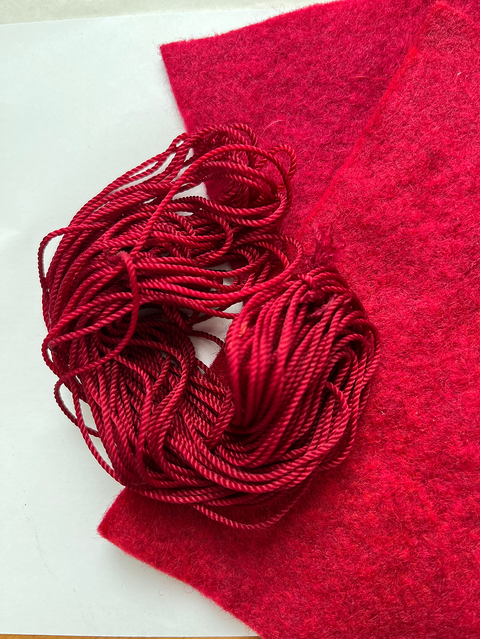
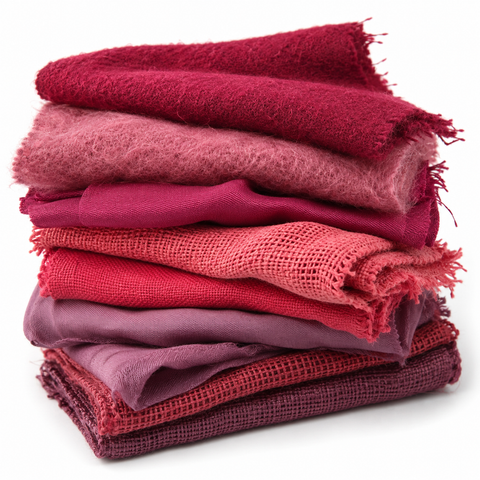
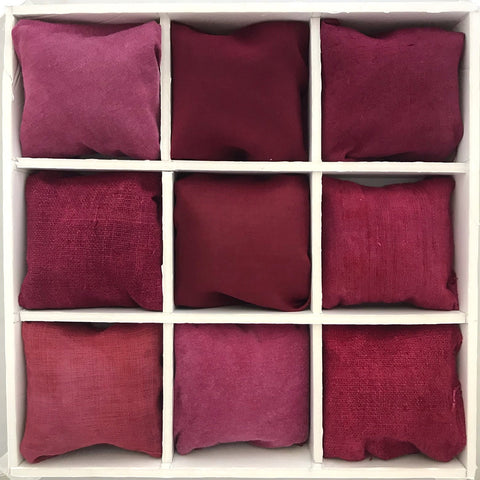
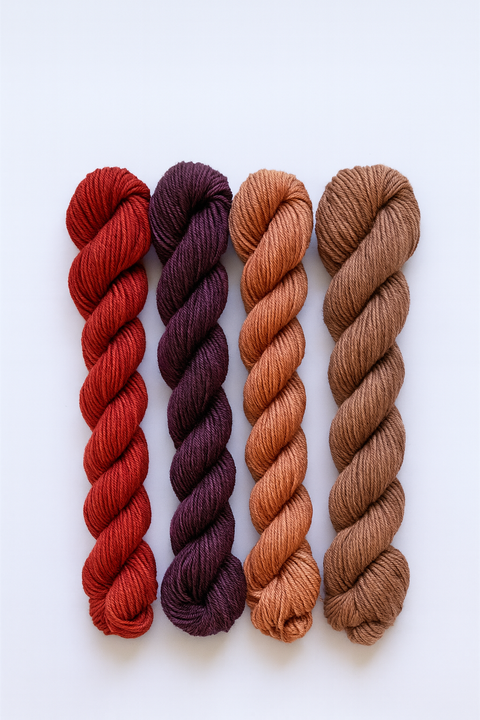
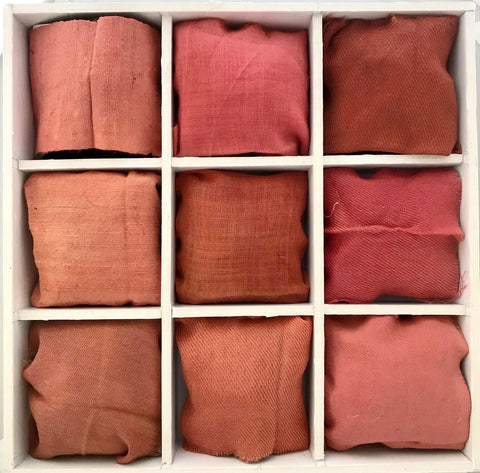
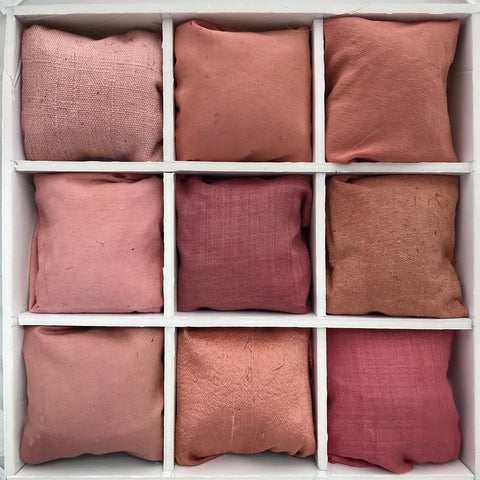
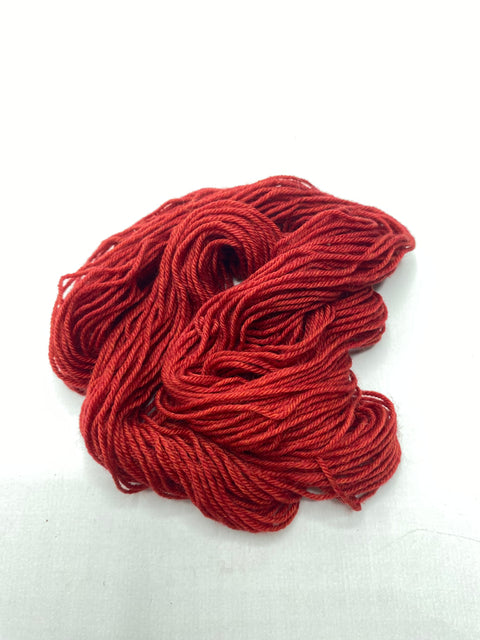
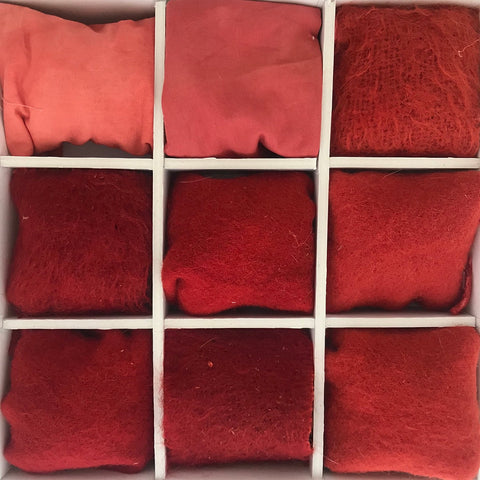
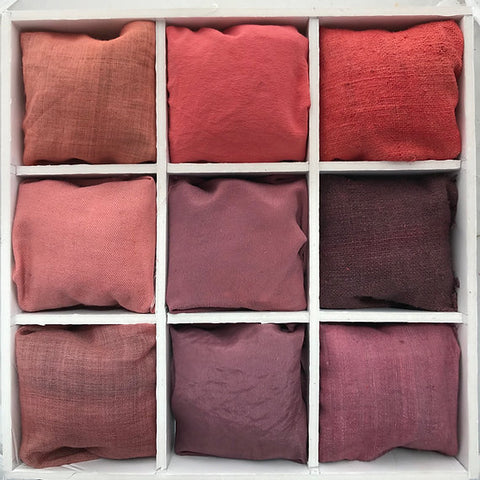
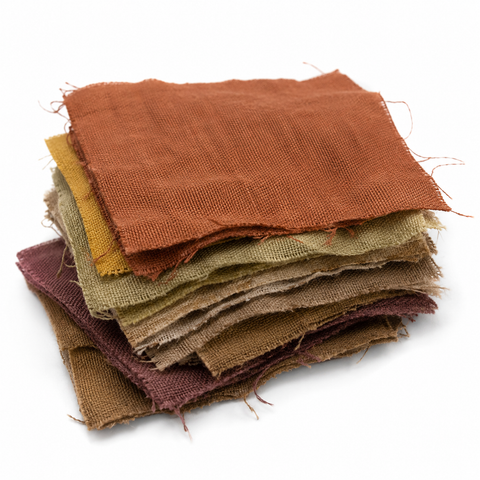
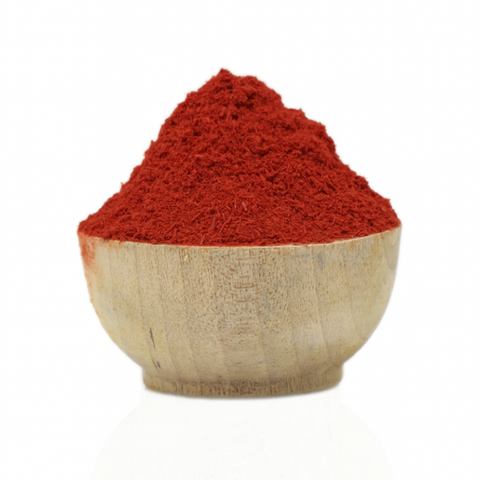
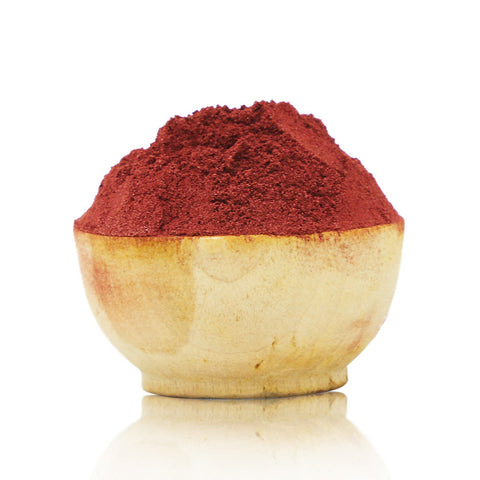
Derived from Haematoxylum brasiletto, our Brasilwood extract produces luminous scarlets, fiery crimsons, and warm coral reds with remarkable depth and warmth. Closely related to logwood (Haematoxylum campechianum), brasilwood has been prized for centuries for its glowing, pH-sensitive reds that shift beautifully depending on mordant and vat conditions. Known in Mexico and Guatemala as “palo de Brasil” or “palo de tinto,” it is a dyestuff with both cultural and historical significance.
In medieval Europe, brazilwood was treasured for dyeing silk, wool, and other luxury textiles. It also found its way into manuscript illumination, where it was used to make brilliant red inks. During the 16th century, with the expansion of Spanish and Portuguese colonial trade, Brazilwood became a major export from Central and South America to Europe. In its native lands, indigenous peoples used Haematoxylum brasiletto not only for dyeing but also for medicine and woodworking. Its close relative, Caesalpinia echinata (true Brazilwood), became so important to European markets that it gave Brazil its name.
Today, brasilwood remains a favorite among natural dyers for its vibrant reds, and it continues to be used in historical textile reconstructions and artistic practices.
Active dye components: brazilin, brazilein
CI Natural Red 24
INCI: Haematoxylum brasiletto wood extract