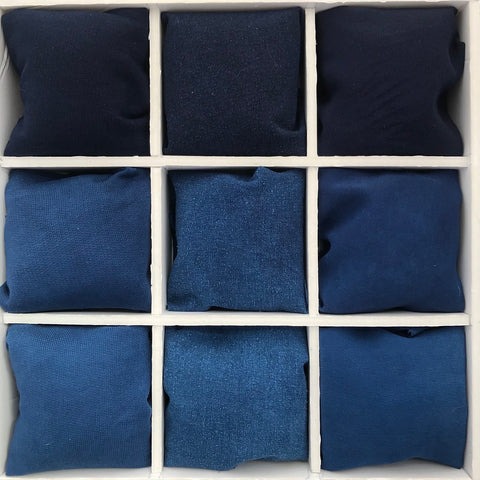
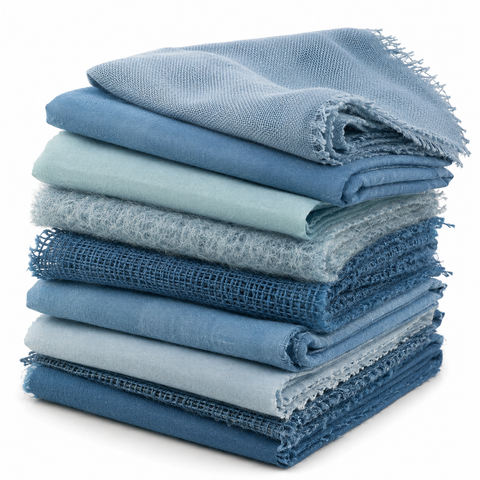
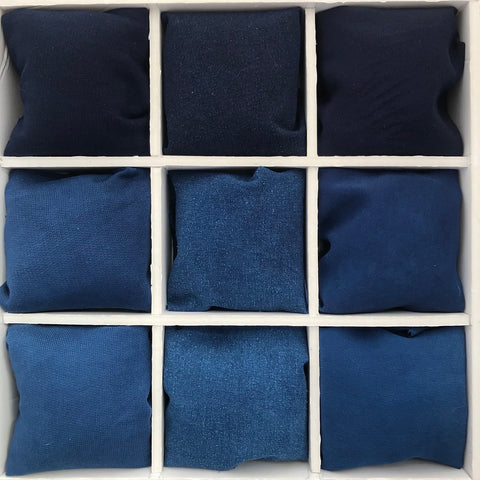
A practical experiment in making a fructose reduction vat with dried, ground Isatis tinctoria leaves. Instead of forcing raw woad into the classic 1-2-3 indigo vat formula, I look at its much lower indigotin content and explore how little lime and fructose we actually need to create beautiful, soft, grayish woad blues on silk, wool, and cotton.
Discover how to create beautiful blue-and-white marbled cotton using a simple flour resist and freshly reduced indigo. This step-by-step tutorial explains the history of resist dyeing, how the technique works, and how to achieve crisp, organic crackle patterns with just a few basic ingredients. Perfect for beginners and experienced natural dyers alike.
Not sure if your fiber needs a mordant? Use this simple decision guide to learn when to mordant wool, silk, cotton, linen, and plant fibers before dyeing.
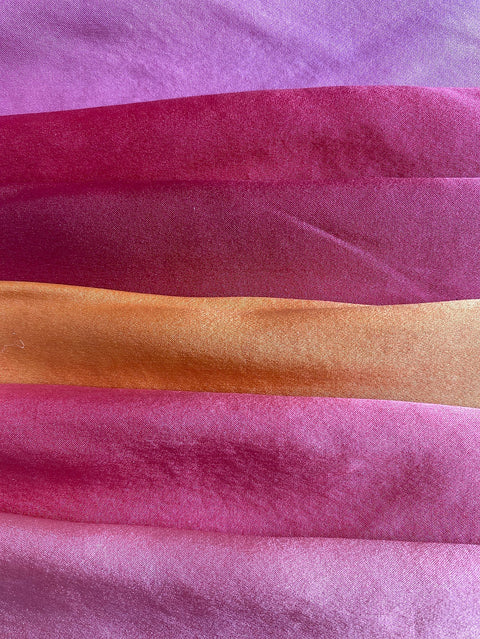
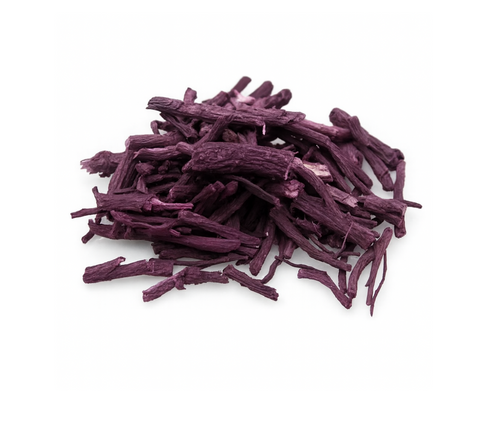
Murasaki (Lithospermum erythrorhizon), also known as purple gromwell or shikon, has produced some of Japan’s most treasured purple dyes for over a thousand years. In this guide, discover the history of this remarkable root, why it was once reserved for emperors, and how to prepare and dye with it using traditional low-temperature techniques to create luminous violet and purple shades on silk and wool.
For centuries, the origin of the Biblical blue known as tekhelet has fascinated historians, chemists, archaeologists, and dyers alike. While modern research has shown that the Mediterranean murex snail can produce both purple and blue, this article explores a different question: how might Biblical blue actually have been produced in practice? Drawing on historical sources, archaeological evidence, dye chemistry, and the practical realities of an ancient dye workshop, I propose an alternative hypothesis that may explain why tekhelet was not a separate production process at all, but rather the natural continuation of one.
GOTS vs. FDA What’s the Difference and Why It Matters GOTS stands for the Global Organic Textile Standard, the leading worldwide certification for organic fibers. It regulates the entire textile supply chain from field to finished fabric and it focuses on environmental impact, worker safety, and chemical safety. Only substances on its Positive List may [...]
If you’re wondering how to fix natural dye color after it fades or shifts, start by diagnosing whether the problem is a mordant issue, a pH imbalance, water chemistry, or an aftercare failure. You followed the recipe exactly. The color looked stunning in the pot, rich and deep and exactly what you envisioned. Three washes [...]
From carefully calibrated wool samples to slow stitching with local makers, this residency held both structure and openness, color, process, and the kind of connection you can’t really plan.
can natural dyes fight germs? what the research really says (and why we don’t slap it on product pages) Look, I use natural dyes because they are the most beautiful to me, but here is another to give it a try: A growing body of lab research shows that several traditional colorants can also reduce [...]
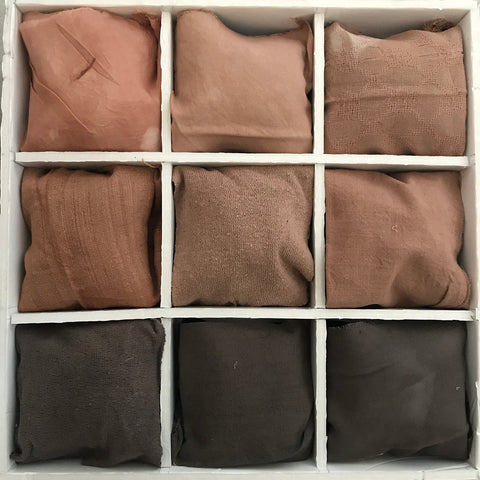
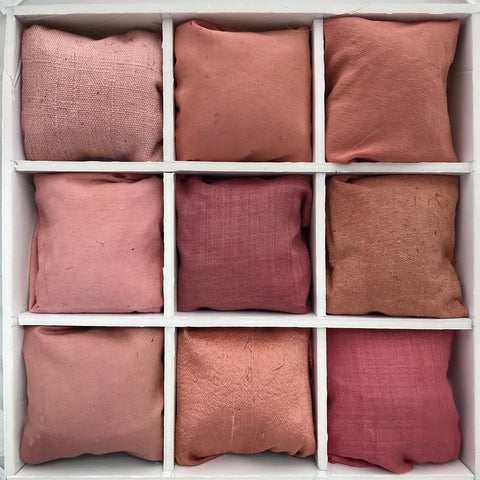
I love to be inspired by what is around me. When I let the dogs out in the (very) early morning, I witness the morning mist creating layers of soft grays and pinks where the sun comes up behind the hills. I want to recreate those shades in natural dyes for a winter-inspired palette. The [...]
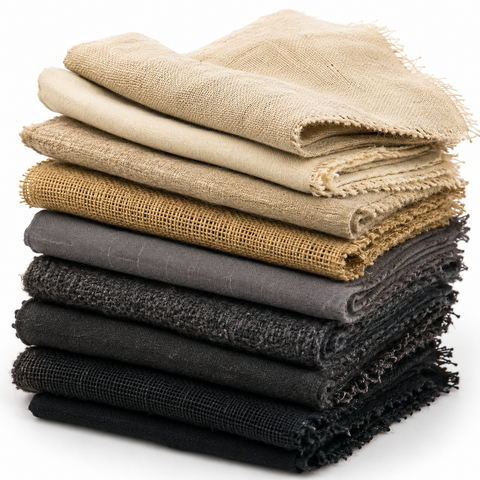
If you have been reading my blogs you have seen a thing or two about creating dark shades using the magical collusion of tannins with ferrous sulfate. (See this blog) In this blog, we are going to explain why there is a particular order you should pay attention to. First: how does it work? This [...]
Paul Gout was the manager and master dyer of the Royal Manufacture of wool broadcloth in Bize, Languedoc. This important factory exported up to 2,750 pieces of wool cloth called ‘Londrin’s Seconds’ per year, mainly to the ports of the Levant. This corresponds to more than 52 km of fabric, dyed in colorfast colors, fast [...]
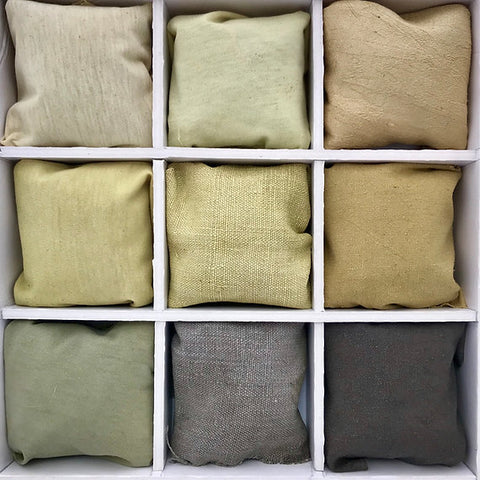
Chlorophyllin is present in all green leaves, for making extract there are several commonly used plants: alfalfa and Mulberry. Our extract comes from the mulberry tree (morus alba). It has a nice ‘grassy’ smell in the dye pot. Chlorophyllin is used as a food coloring and as a dietary supplement, but we will use it [...]
The rarest dyes, part of a series of (now) rare natural dyes, see also the blog about Murex and Kakishibu. Kermens is an insect-derived dye, belonging to the group of anthraquinone dyes that include; Armenian cochineal (Porphyrophora hamelii) – carminic acid + kermesic acid Cochineal (Dactylopius coccus) – carminic acid (CI 75470 Natural Red 4) [...]
Origins of Dyeing with Persimmon Tannin The fermentation is done by adding persimmon yeast to the persimmon pulp, then they ferment it over two years. The fermented juice can then be strained and used straight out of the container, or it can be strained, dried, and ground into a fine powder or granules. This powder [...]
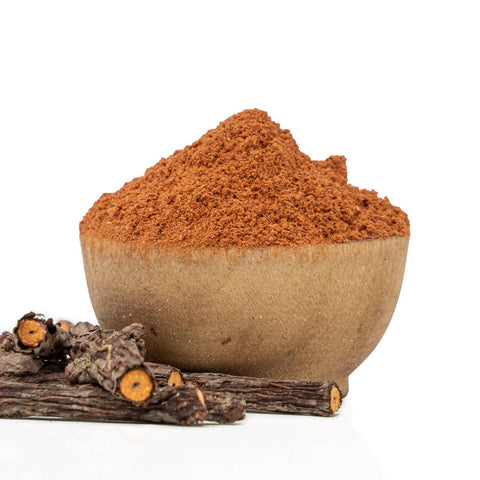
Discover more exotic natural dyes with surprising results, Rhatany roots could be just what you have been looking for in your natural dye stash! Where does it come from? Rhatany (Krameria trianda) grows in Bolivia, Equador, Chile and Brazil, in areas over 1000 meter altitude. Most of the dye stuff is collected and exported from [...]
Because of the sensitive state of mangrove forests it is very important to only make use of dye that is produced from the byproduct (bark) of controlled timber. We chose our mangrove tannin from a trusted source with Forest Council Stewardship (FCS®) certification. This bath will be with a ph of around 6, and as [...]
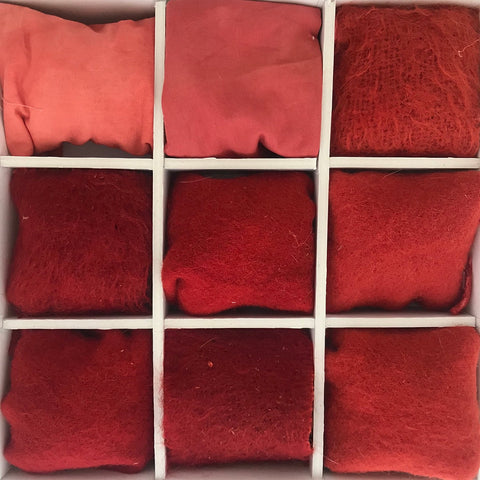
Rubia Tinctoria, the famous red dye from the anthraquinone family. Choosing the right Weight Of Fiber (WOF) and the right mordant is crucial for getting the perfect reds (as is choosing the right madder. Many of you struggle with getting the right shades and the most common complaint is that the shades come out too [...]
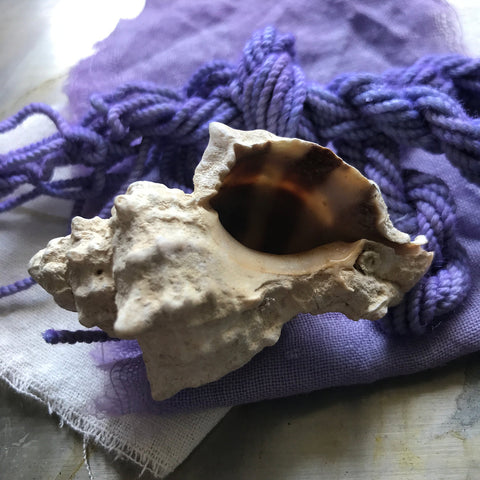
Dyeing fibres with the use of sea snails (Murex) is an art found in history from the Irish coast lines to the Adriatic seas and the Mediterranean coasts. In Mexico and Guatemala the knowledge is still alive, but this platform is too small to cover them all so I will limit myself to things close [...]
When I was young(er) I studied classical guitar. I actually have a degree-and-a-half in it, finishing the final concert of my Masters degree but not the accompanying thesis. The topic I was assigned bored me and they wanted me to write it in Hebrew. That made my motivation dive to historical lows until I finally [...]
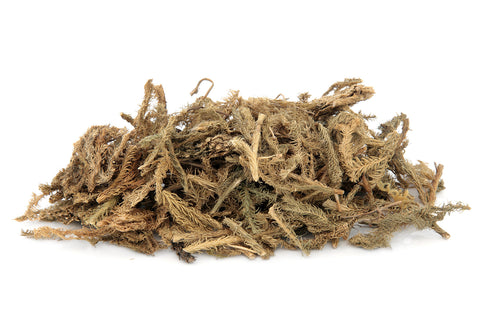
Bioaccumulation is the gradual accumulation of substances in an organism, in this case; alum. There are a few plants that are bio-accumulators of alum. For example, the fallen leaves of the Symplocos tree, tea leaves can contain very high concentrations of aluminum (up to 5,000 mg/kg in old leaves), and a few ferns. Clubmosses (Lycopodiopsida) [...]
Naphthoquinones, these are wonderful stable yellows and browns. Unlike Flavonoids, there are not many plant species that contain naphthoquinone. Naphthoquinone subgroups are; Plumbagin (walnut drupes, Indian leadwort) Juglone, found in all species of the walnut family (Juglandaceae). This includes trees such as black walnut, butternut, hickories and pecan. Black walnut hulls have the highest concentration [...]
Besides being an amazing dye component, anthraquinones are known as laxatives in natural medicine. Rhubarb root for example contains Physicion, which gives a red under alkaline circumstances but is also the stuff that will make you purge when you drink a tea from it. Do anthraquinone dyes need a mordant? Anthraquinone dyes are substantive on [...]
Before we get started, let’s agree on what I call the Foragers Pact; When foraging it’s important to leave enough for the plant to thrive and allow enough to be left for birds and other animals. As a rule of thumb: take only what you need and not more than 10% of any living plant. [...]
Here are 4 Natural Dyes you can use without the need of a mordant. Most natural dyes really need a good mordanting, either aluminium-based mordants, copper, ferrous sulfate or tanning using a tannin-rich plant material. Mordanting is important to improve the light- and wash fastness of your textiles and it intensifies the color outcome on [...]
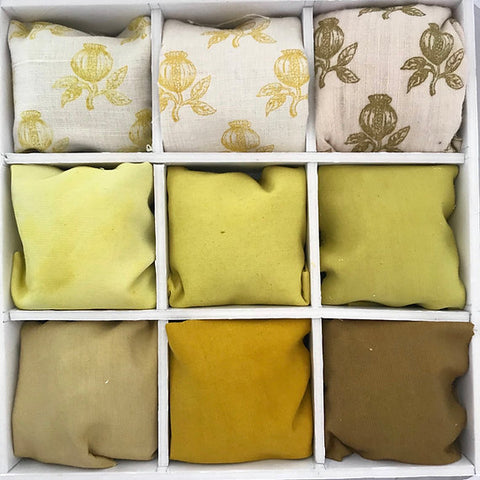
Not all yellows were created equal; some are lovely light fast, others more fugitive. There is warm yellow, sunny yellow, greenish yellow, pale yellow... the possibility are endless. I decided to test the very best of the bunch for you. Besides pomegranate and myrobalan (being substantive dyes), all yellow dyes will need a good mordant [...]
Dyer’s Greenweed, Dyer’s Broom, Dyer’s Mignonette, Dyer’s Whin, Waxen Woad and Waxen Wood are all names used for the same dye plant known in Latin as Genista Tinctoria. It was often used in dye houses as substitute for Weld, when weld prices were too high. In the 17th and 18th century, Weld prices were linked [...]
They are another classic of the natural dye world. Buckthorn berries, Avignon berries, or best known as; Persian berries. Buckthorn shrubs are common in the east and have been cultivated in Europe since Roman times. In the United States some species of Rhamnus are considered invasive and they are being actively eradicated. Our Persian berries [...]
I was gifted 5 beautiful Persicaria Tinctoria plants by my new friend Hagar in the North of my country. She has been growing a field of it behind her house, together with Indigofera Tinctoria. It makes me slightly envious to be able to grow such a treasure behind your house and I really miss not [...]
A small recap, tannins are divided in three major groups; 1 – Gallic tannins. Clear tannins that do not add much colour to the fabric such as tara, oak galls, oak bark, sumac (leaves and galls). 2 – Ellagic tannins. Tannins with a lot of flavonoids that will add a yellow colour to the fabric [...]
Vegetable dye stuffs come in all kinds of shapes and forms; Flowers such as St Johnswort and Goldenrod, roots like madder and Himalayan rhubarb. Our favourite leaves for example indigo and woad, nut hulls such as walnut. Berries from myrobalan, fruit seeds such as annatto. Fruit rinds like pomegranate. Heartwood comes in the shape of [...]
Making a hydros indigo vat can feel intimidating the first time, but it is much easier once you understand what to look for. In this beginner-friendly guide, you will learn how to make a small mother vat, recognize the signs of a healthy reduced indigo vat, test your color, and build beautiful blues in layers.
There are not many people who would not want to create those amazing red and orange eucalyptus eco prints. They are so bold in their simplicity, and do not need anything else to embellish them. I too, love the simple cream and red, sometimes with a bit of black. So how is it done? If [...]
Some colours (especially light fast) are hard to create with natural dyes, certain shades of purple, orange and greens. For these shades we mix two different colours, like a simple colour wheel. In a previous blog I showed how you can make a great green using logwood. Now I will show you how to create [...]
In the previous post I showed dyeing with alder buckthorn (aka glossy buckthorn, rhamnus frangula, rhamnus alnus) on mainly protein fibres such as merino wool and handwoven silk. In this post I will show the dye process with exact amounts and on cellulose fabrics. None of the textiles were mordanted, but all were washed with [...]
A bit of fun history Rhamnus frangula aka Frangula alnus, commonly known as alder buckthorn, glossy buckthorn, or breaking buckthorn. Unlike other “buckthorns”, alder buckthorn does not have thorns. The word frangula is derived from the Latin “frangere”, breaking and refers to the fragility of the wood. The Dutch name “vuilboom” (foul tree) is related [...]
I love going to the museum and looking at the different gowns in the portraits and how they must have dyed them. Remember this famous painting by Jan Van Eyck? Look at that amazing green. (Just a fun fact; the lady looks pregnant but probably is just holding a whole lot of fabric in the [...]

 Sold out
 Sold out
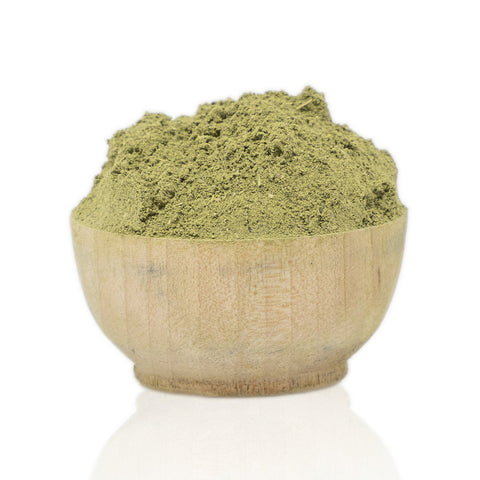
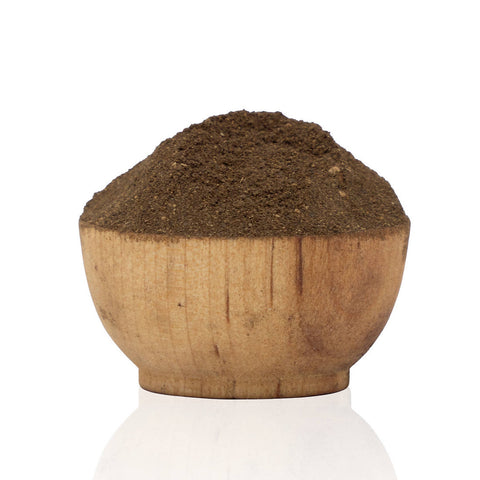
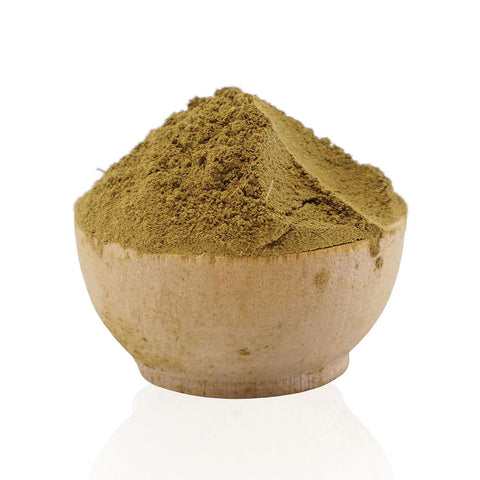
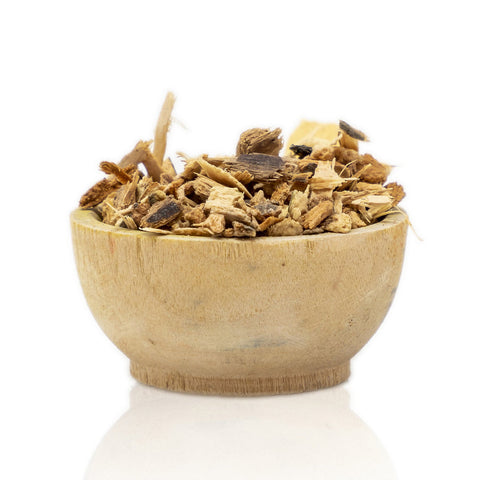
 Sold out
 Sold out
 Sold out
 Sold out
 Sale
Sale
 Sold out
 Sold out
 Sale
Sale
 Sold out
 Sold out
 Sold out
 Sale
Sale
 Sold out
 Sold out
 Sold out
 Sold out
 Sale
Sale